




Winter Bonus and Year-End Consumption Trends Amid Rising Prices Analyzed by finbee
Analyzing Winter Bonus Trends Amidst Price Hikes
In recent months, rising prices and the significant depreciation of the yen have led many individuals to reconsider their financial habits, particularly regarding the winter bonus and holiday spending. Finbee (フィンビー), a popular savings app developed by Nest Egg Inc., conducted a survey from November 29 to December 1, targeting working individuals aged 20 to 60. The aim was to explore consumption trends concerning winter bonuses, year-end spending, and savings behavior.
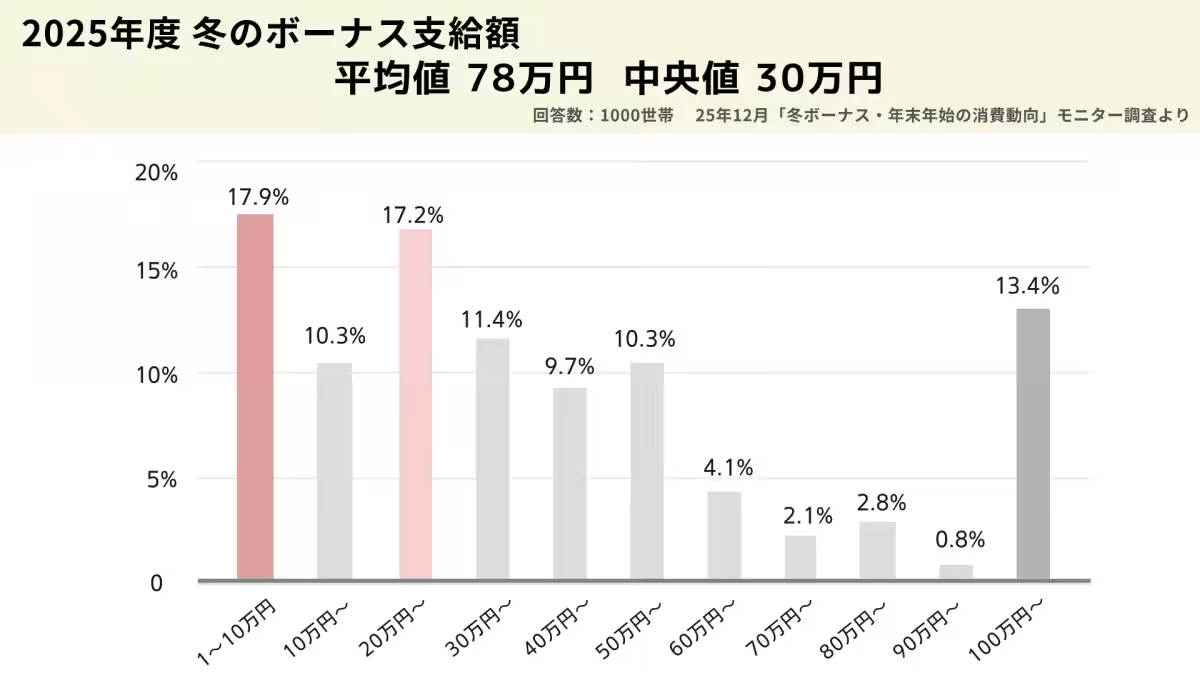
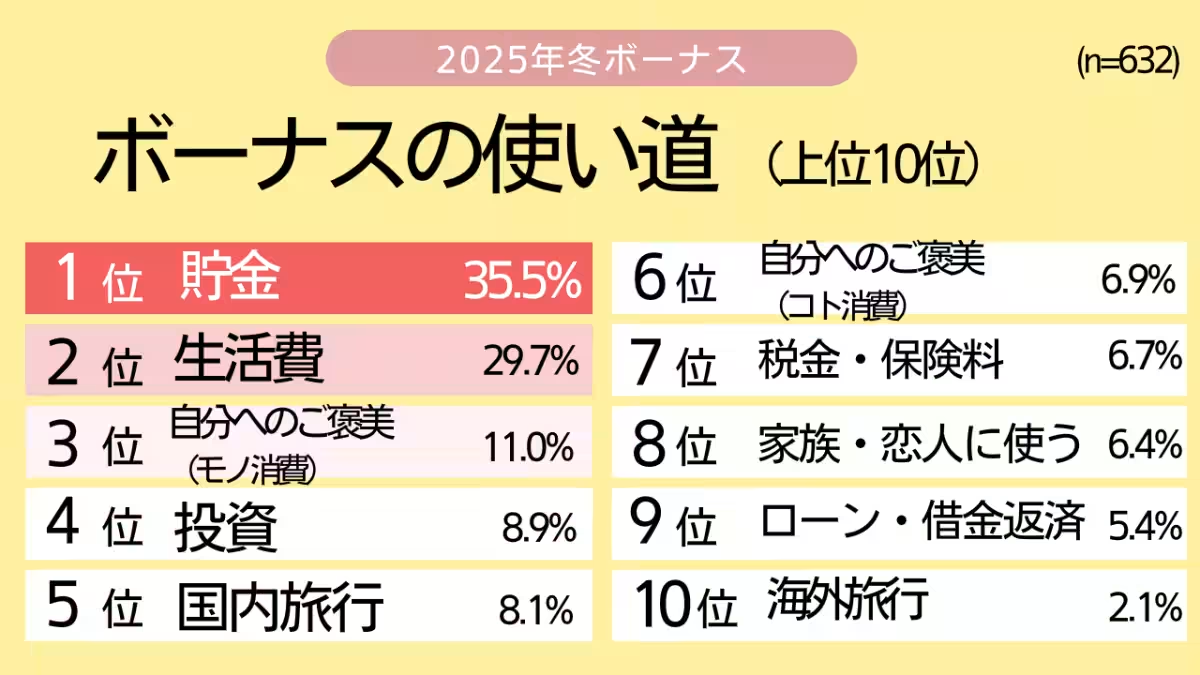
Overview of Findings
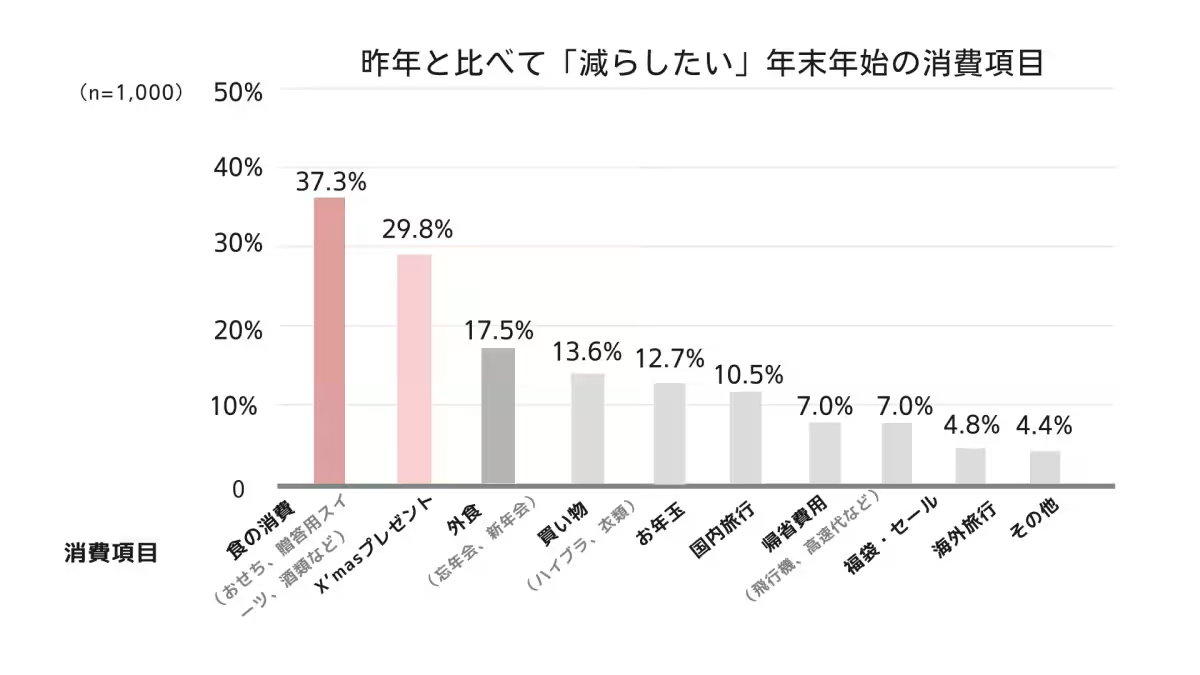
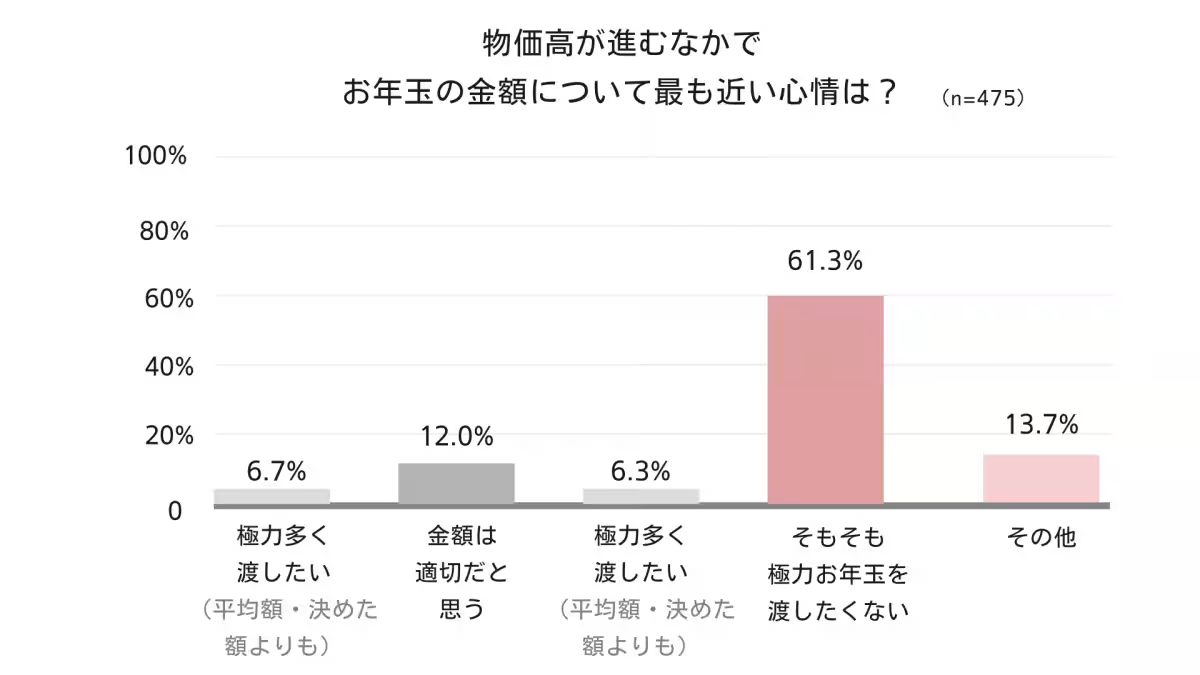
The average winter bonus projected for 2025 stands at 780,000 yen. Surprisingly, the most common use for this bonus is for savings and debt repayment, rather than discretionary spending. Expectations regarding holiday consumption have shifted, with more respondents planning to cut back compared to last year. A staggering 60% of households expressed a desire to minimize the amount of money they give as 'otoshidama' (New Year's money gifts) to children, indicating a growing emphasis on financial preservation over seasonal festivities.
Key Statistics
- - The average bonus is 780,000 yen, with the bulk of households receiving less than 100,000 yen.
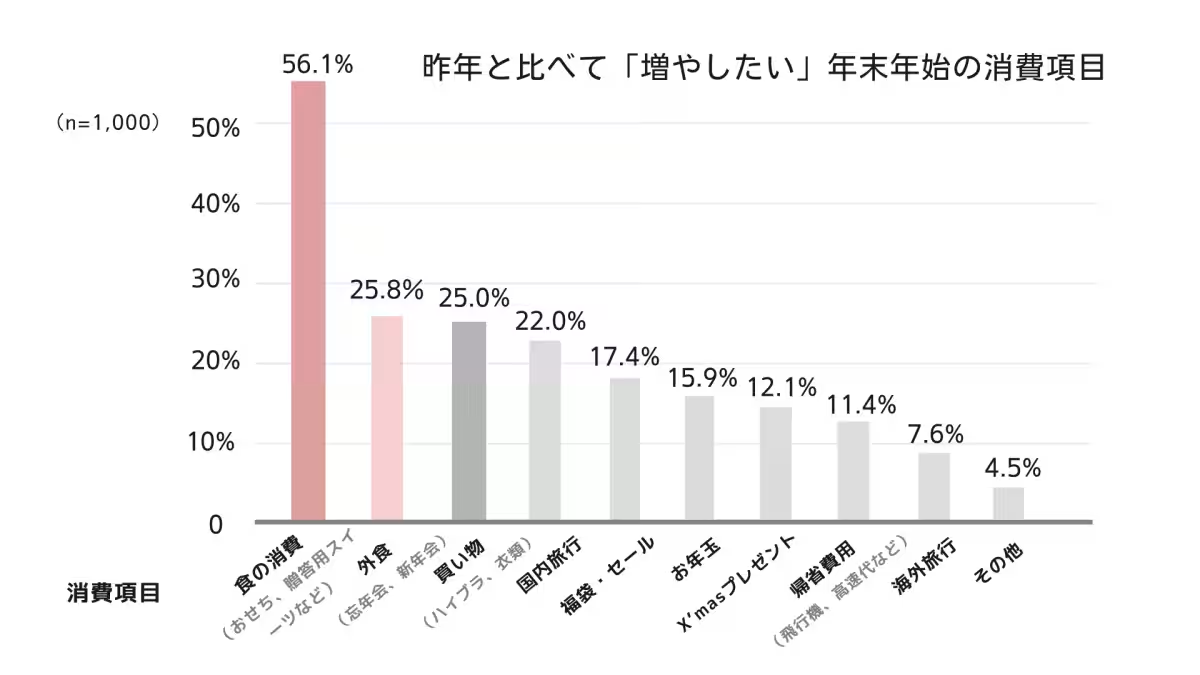
- - 56.1% of participants plan to increase food-related spending this holiday season, indicating a strong desire to enjoy holiday meals despite rising costs.
- - A significant 22% expressed intentions to increase spending on domestic travel, suggesting that even amid financial strains, individuals still seek to enjoy experiences.
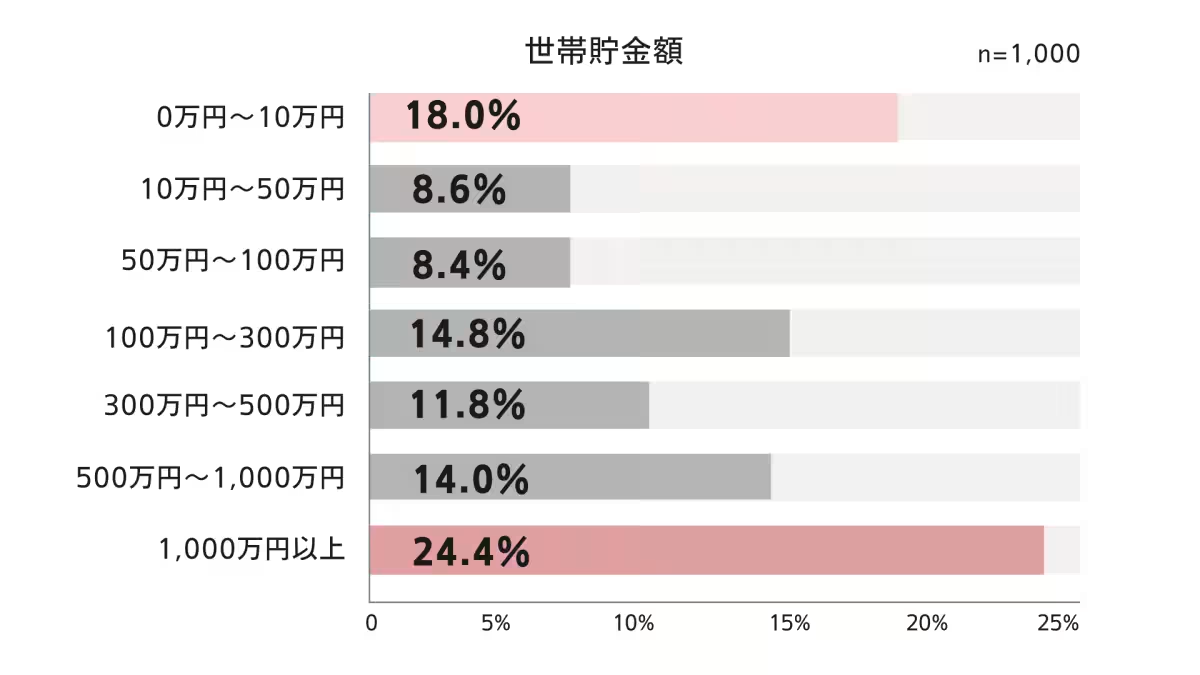
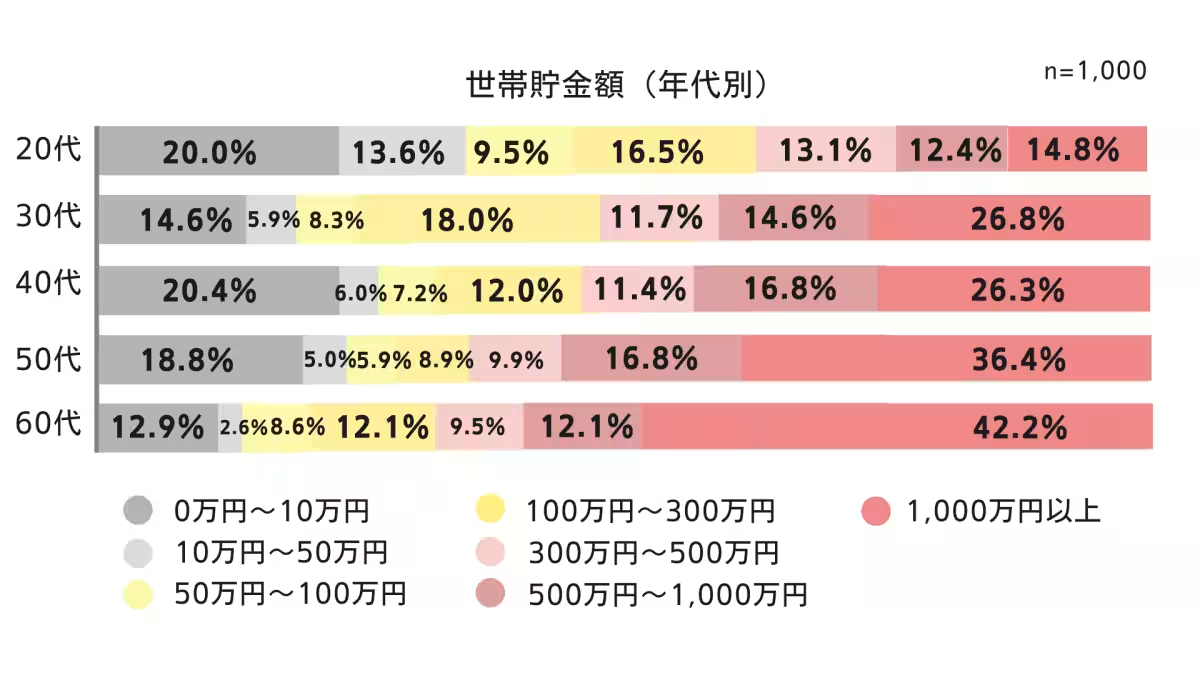
- - There is noticeable polarization in savings among the 40 to 60 age group, with many households either having less than 100,000 yen or over 1 million yen saved.
Trends in Spending During Year-End Holidays
Despite increasing prices, the appetite for holiday-related consumption remains prevalent. Based on our findings:
1. Holiday Food Spending: 56.1% of respondents indicated they plan to spend more on festive foods, such as traditional New Year dishes and seasonal delicacies.
2. Travel Spending: While only 8% intend to allocate their winter bonus to travel, a strong 22% are inclined to spend more on domestic trips, suggesting a shift in travel preferences caused by international travel costs driven higher by the weakened yen.
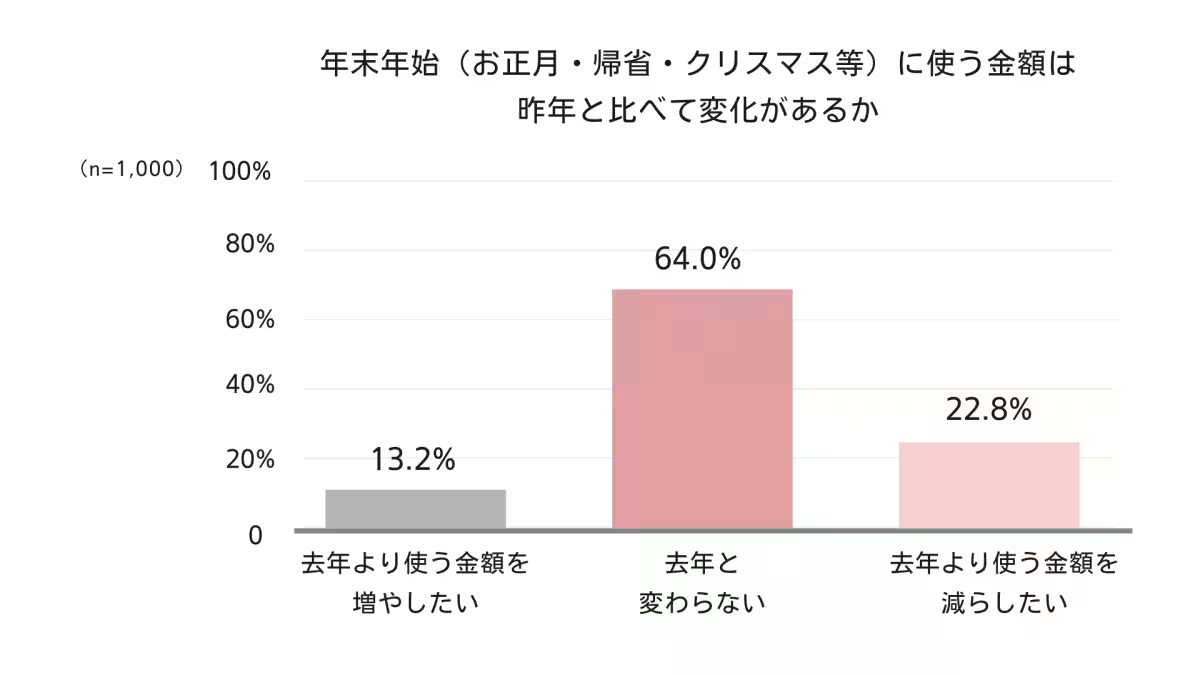
3. Gifts and Traditional Practices: The sentiment surrounding 'otoshidama' is particularly telling, with over 60% aiming to minimize these gifts rather than increase them, reflecting a cautious approach to expenditure.
Savings Behaviors
As households navigate financial pressures, saving practices have evolved. Key insights include:
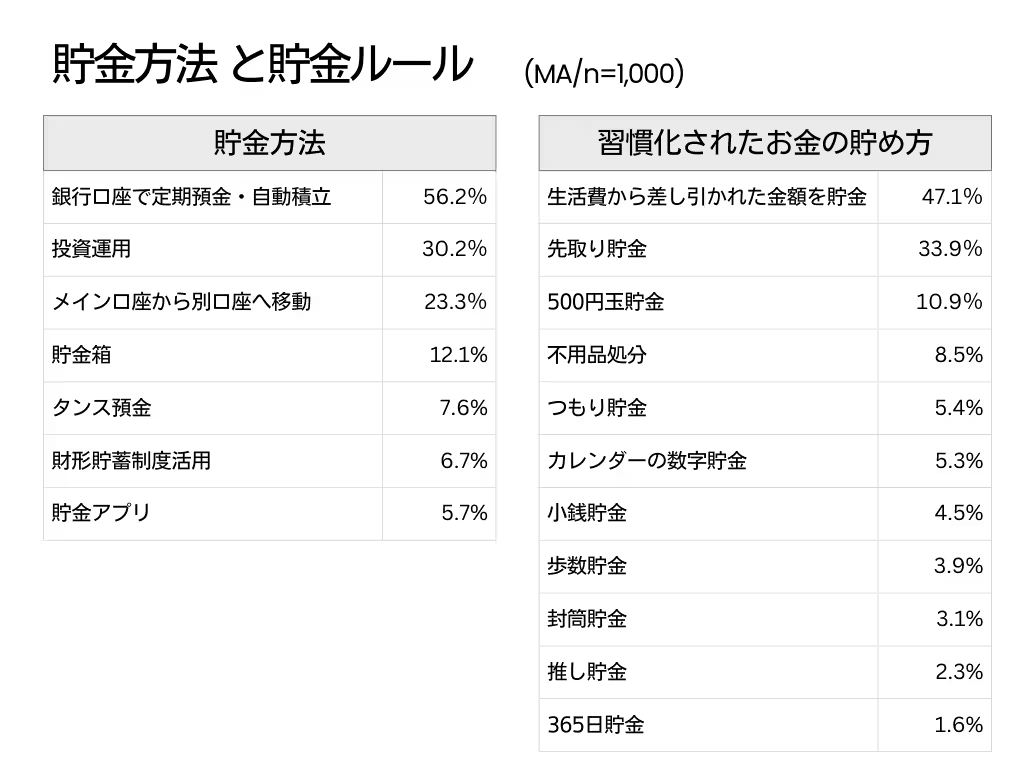
- - Dominance of traditional savings methods, with automatic bank transfers and separate accounts leading the way.
- - Awareness of investment opportunities is increasing, particularly among younger generations emphasizing the importance of financial literacy and growth through investment.
- - Many respondents highlighted the importance of developing savings rules, such as allocating a percentage of their income specifically for savings and strategically using financial tools.
Conclusion
The survey by finbee sheds light on the changing landscape of consumer behavior in the face of economic challenges. With a clear trend towards saving over spending, it remains evident that while individuals may still desire to celebrate the holiday season, their financial decisions reflect a more cautious outlook influenced by rising costs. The findings also reveal a significant division in financial security among different age groups, especially those in their 40s to 60s, highlighting financial disparities that require attention for enhanced economic stability.
For further details about this study and insights on savings applications, visit finbee's official website.

Topics Consumer Products & Retail)





【About Using Articles】
You can freely use the title and article content by linking to the page where the article is posted.
※ Images cannot be used.
【About Links】
Links are free to use.