



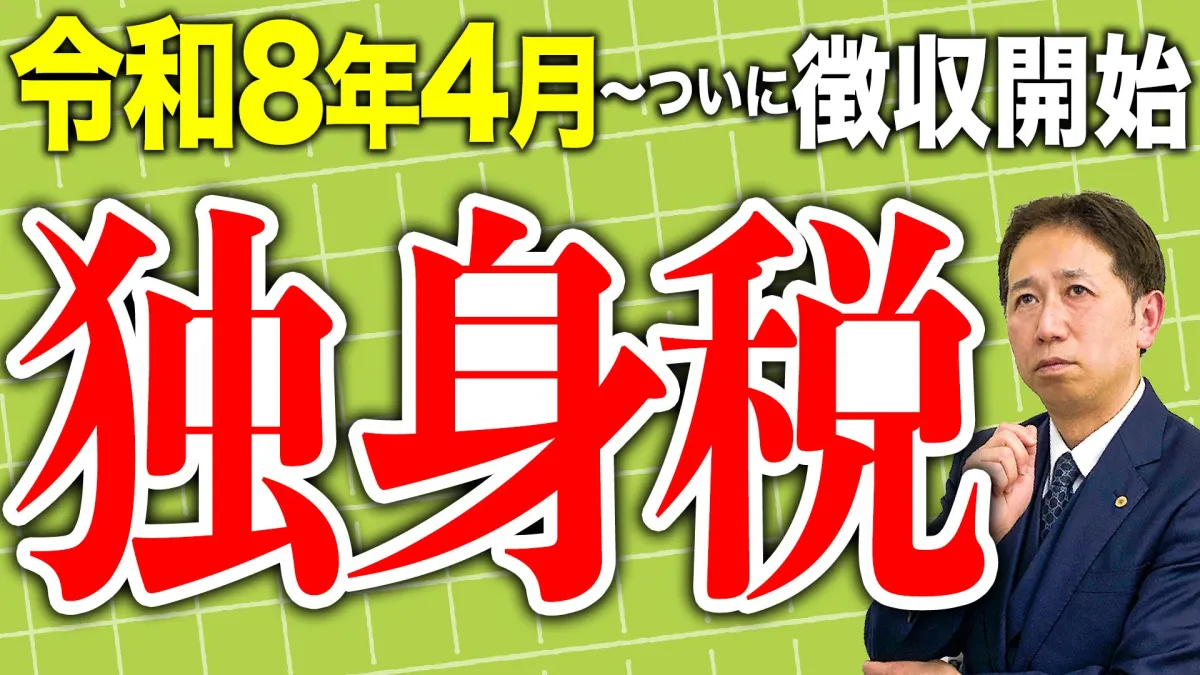
Understanding the Controversy Behind the Proposed 'Single Tax' and Childcare Support Fund
Understanding the Proposed 'Single Tax'
Recently, the term 'single tax' has been making headlines in Japan, sparking conversations about its implications. This notion emerged in relation to the introduction of the 'Childcare Support Fund' starting in April of 2026. However, it’s essential to clarify that this fund is not a tax per se but an additional charge on health insurance premiums aimed at supporting childcare initiatives. The social framework of this program emphasizes a collective effort to address Japan's declining birthrate, rather than targeting specific demographics with taxation.
The Core Concept of the Childcare Support Fund
The Childcare Support Fund, which will be integrated into health insurance contributions, is fundamentally designed to generate financial support for families raising children. By reallocating resources collectively, the aim is to create an environment conducive to child-rearing—a pressing issue in Japan due to its lowering fertility rates. The challenge lies not in the structure of this initiative, but in the societal perception of such proposals, especially the controversial term 'single tax.'
Why the Term 'Single Tax' Caught On
The term 'single tax' has become a focal point of public discourse, provoking various reactions. Understanding why it proliferated requires exploring its implications on societal responsibilities. The concept suggests that those who are single will bear a financial burden to support families—though this notion oversimplifies the intricate socio-economic relationships at play.
Many have raised pertinent questions regarding whether this fund qualifies as a tax or a premium. It is legitimated as an insurance cost, contrasting typical taxation principles, thus creating a necessity to engage with the terminology used around it.
Impacts on Salaries and Contributions
Starting from April 2026, how will this scheme be reflected in salaries? Employees across all generations will notice adjustments in their income statements, reflecting contributions to the Childcare Support Fund through their payroll deductions. This initiative aims for an equitable distribution of the costs associated with raising the next generation of Japanese citizens.
Addressing Common Queries
During discussions about this support fund, various critical questions need addressing:
- - What differentiates this fund from standard tax systems?
- - How will employees’ contributions be adjusted based on their income?
- - What specific changes should individuals expect in their take-home pay?
- - How can organizations communicate effectively about this initiative to their staff?
Mitigating misconceptions surrounding the 'single tax' narrative requires clear communication strategies. Companies must prepare informative sessions that focus on the project's long-term benefits. Engaging in dialogue about how collective responsibility impacts future generations can transform initial misconceptions into support for the initiative.
Lessons from Experts
To navigate through these intricate discussions, the Crea Human Resource Development Association is hosting an upcoming information session on March 4, 2026, tailored for media representatives. Led by Jun Ono, a recognized social insurance and labor consultant with extensive experience in workplace training, this event will delve into various aspects of legal frameworks and practical workforce applications.
With the introduction of over 750 certified Employment Clean Planners across Japan, Crea aims to empower various sectors to navigate the complexities of employment law and social responsibility, thereby paving the way for a comprehensive dialogue around the welfare of children and the future of work in Japan.
Conclusion
Understanding the implications and functionality of the 'Childcare Support Fund' in your organization can build a strong foundation for conversations moving forward. As society faces demographic challenges, ensuring that all workers comprehend and support these initiatives will be key to shaping a more optimistic future for family life in Japan.
Topics Policy & Public Interest)
【About Using Articles】
You can freely use the title and article content by linking to the page where the article is posted.
※ Images cannot be used.
【About Links】
Links are free to use.