


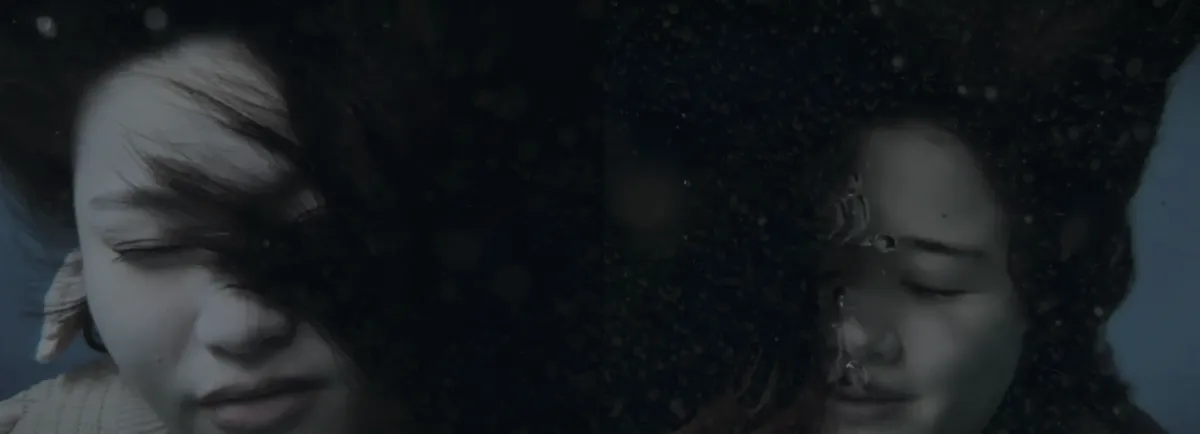
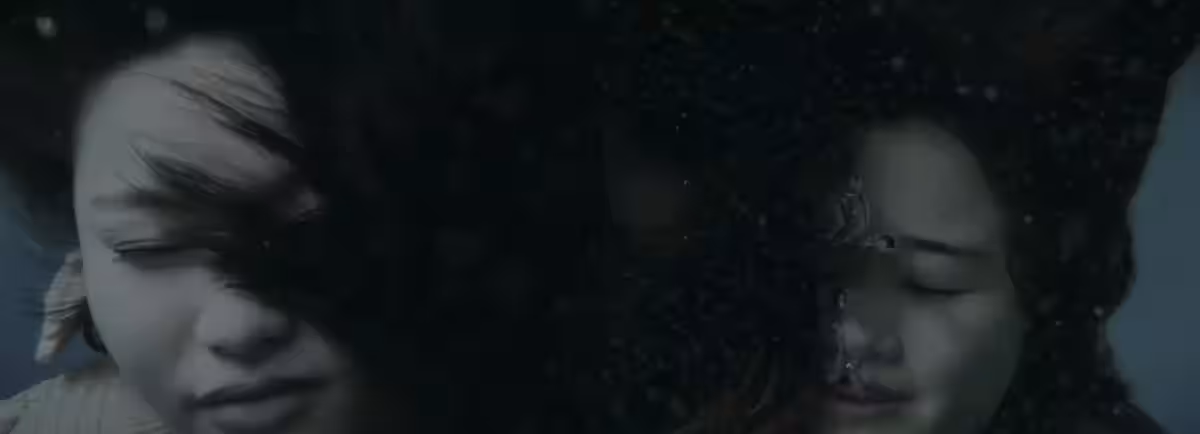
Exploring the Complexities of Family Dynamics in 'The Disease of Family'
'The Disease of Family': A Deep Dive into Family Dynamics
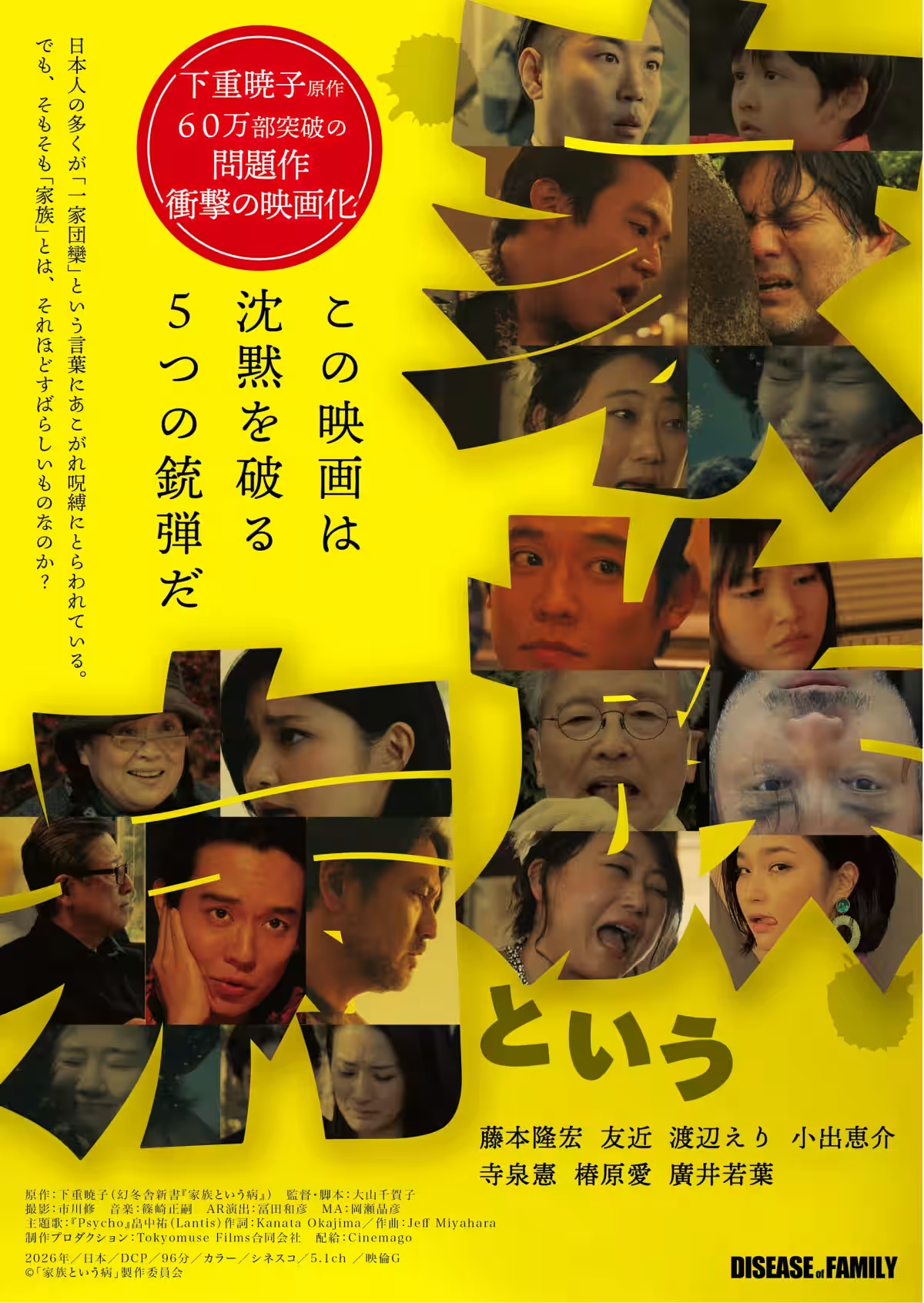
The highly anticipated film 'The Disease of Family', directed by the brilliant Chikako Ooyama, brings the best-selling essay by Akiko Shimajime to life with a striking cinematic portrayal. This adaptation not only addresses the complexities surrounding family relationships but also confronts the pre-existing myths that many hold.
Director's Vision
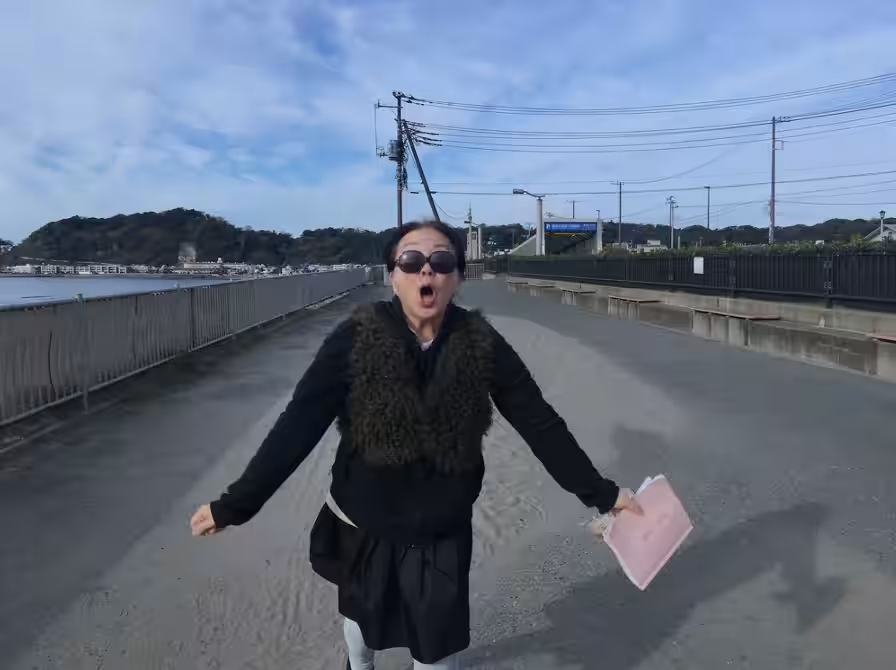
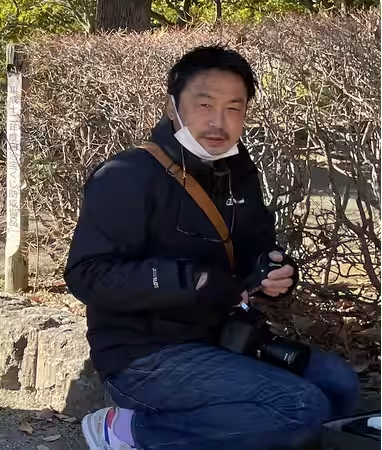
Ooyama has emphatically stated that this film is akin to firing five shots to break the silence. Although there may be potential backlash upon its release, he believes that controversial works are essential in today's society.
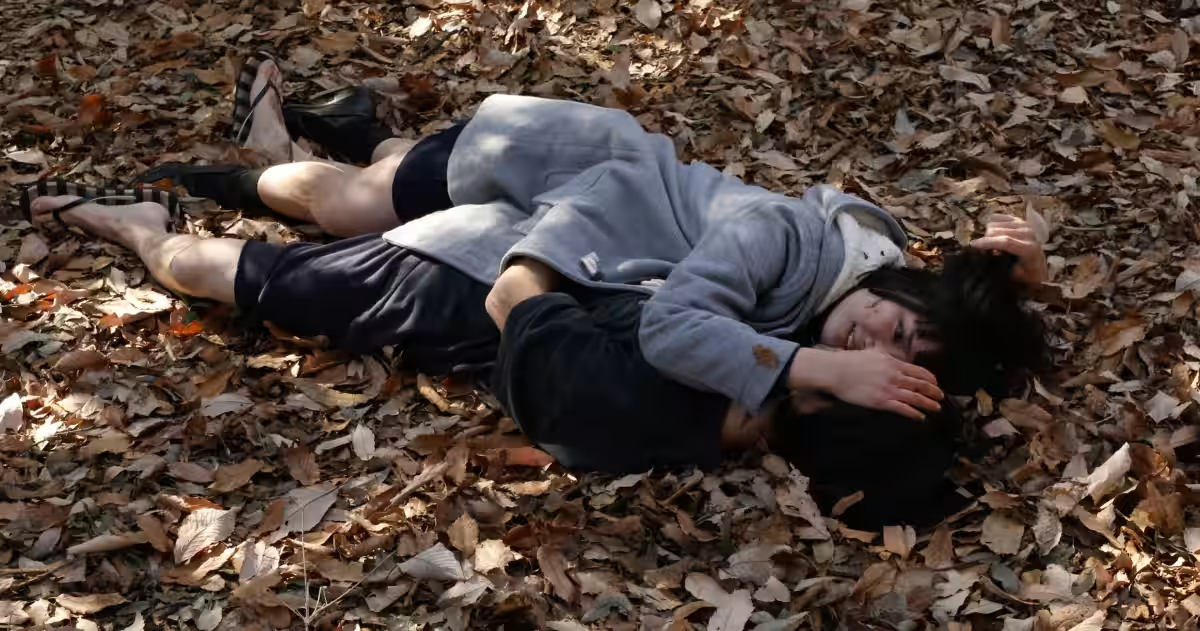
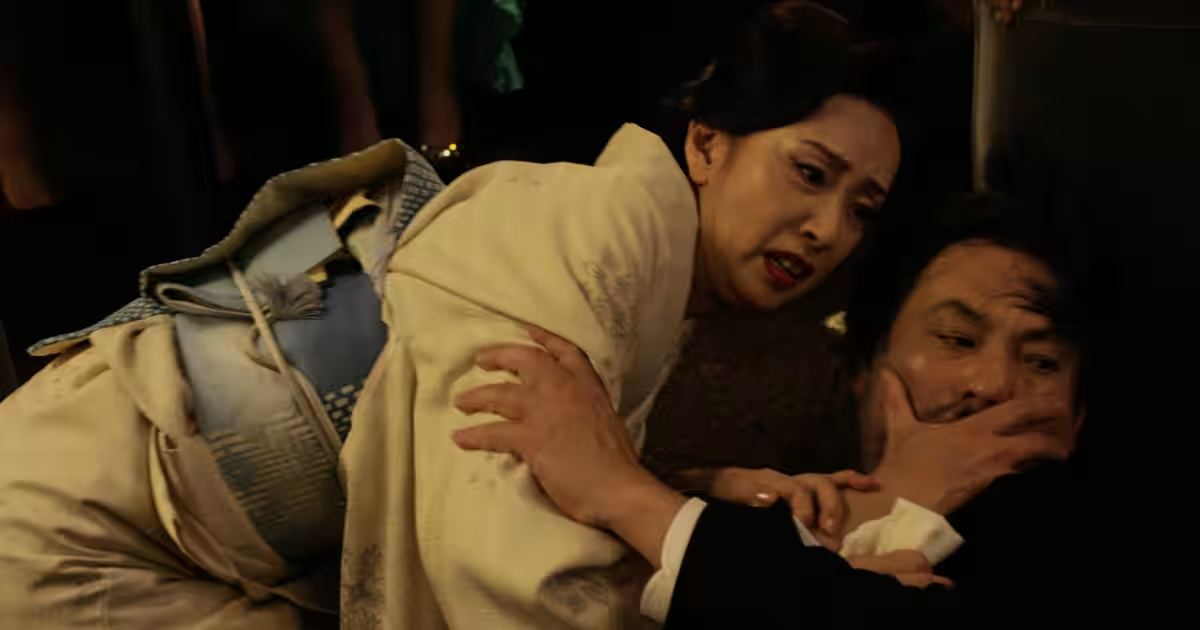
As viewers, we have the opportunity to reflect on our perceptions of family: do we truly understand our closest relatives? This cinematic venture reinterprets Shimajime's original text, providing audiences with new insights into familial ties. Ooyama has selected five independent yet interwoven narratives that ultimately reveal the multifaceted nature of 'family'. With an ironic lens, he captures the absurdities and pressures associated with familial expectations, artfully blending black humor with extreme depictions.
Engaging Storyline
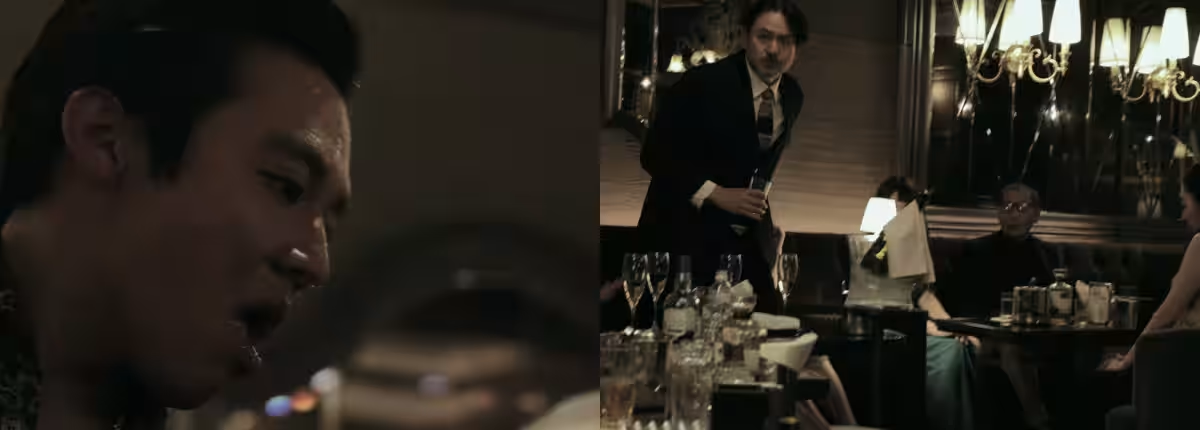
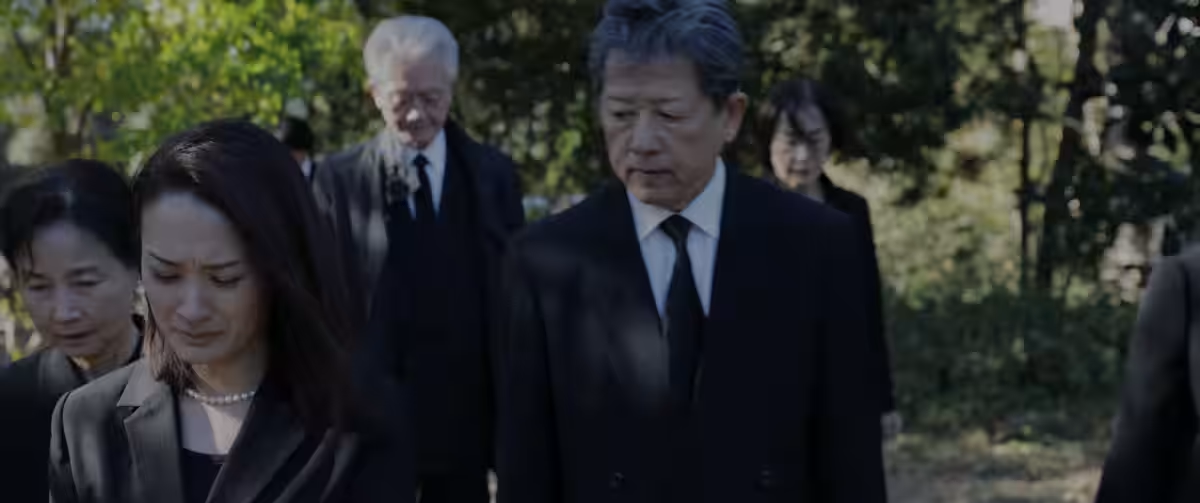
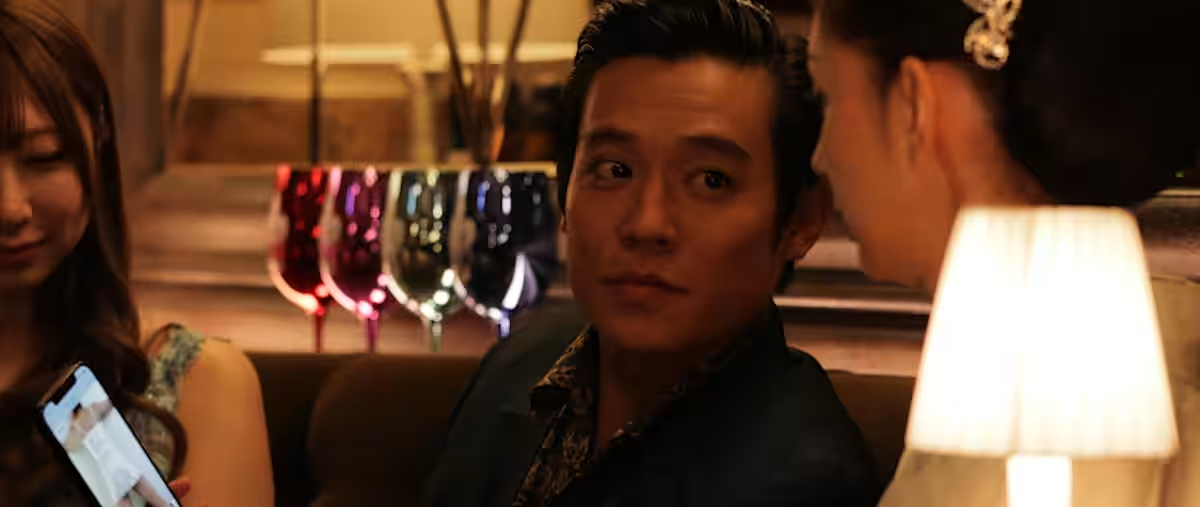
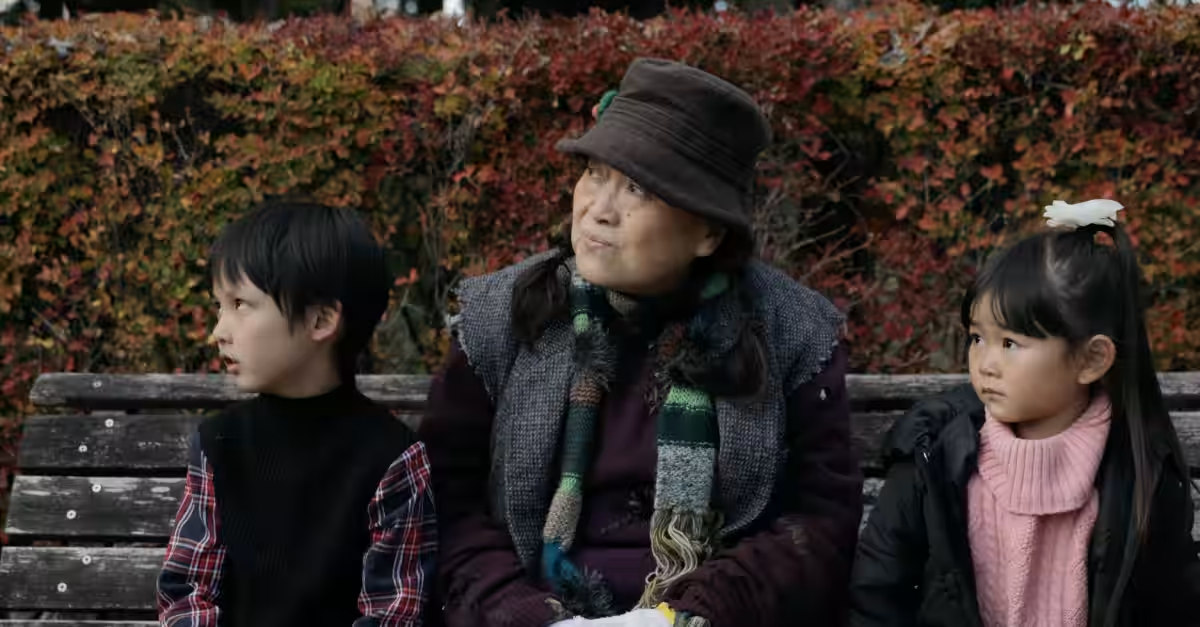
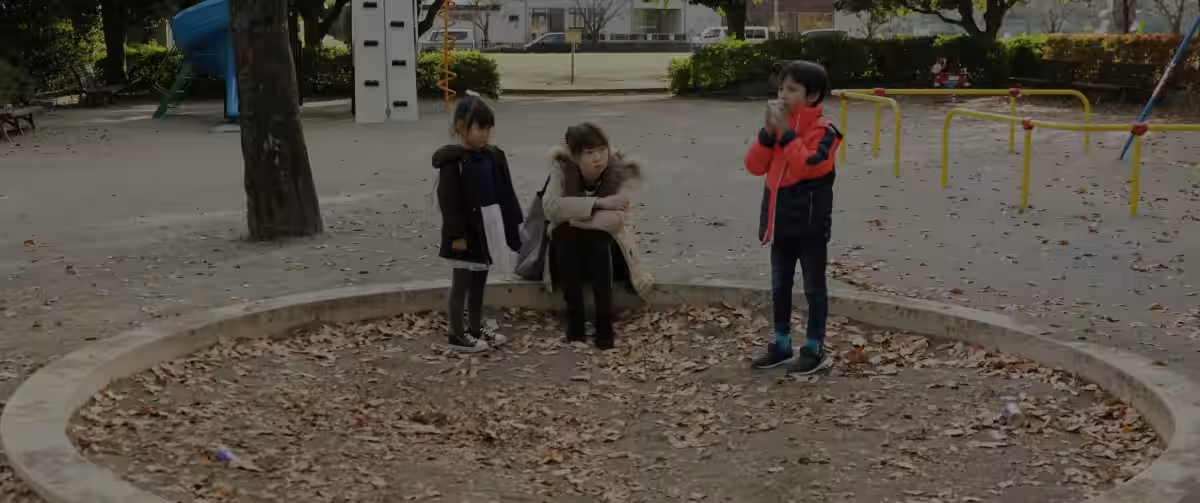
The film revolves around three families struggling with their respective issues amid societal expectations:
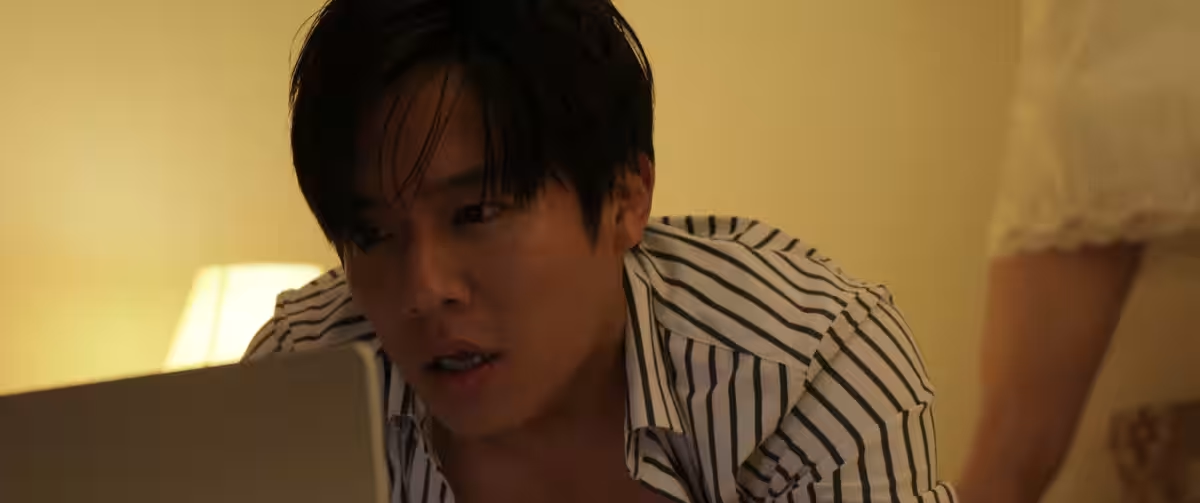
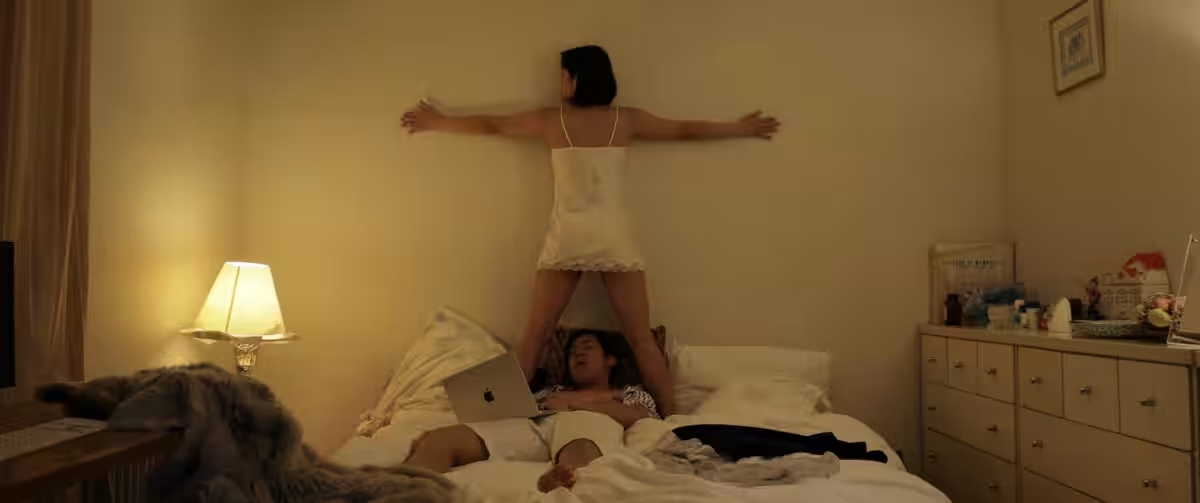
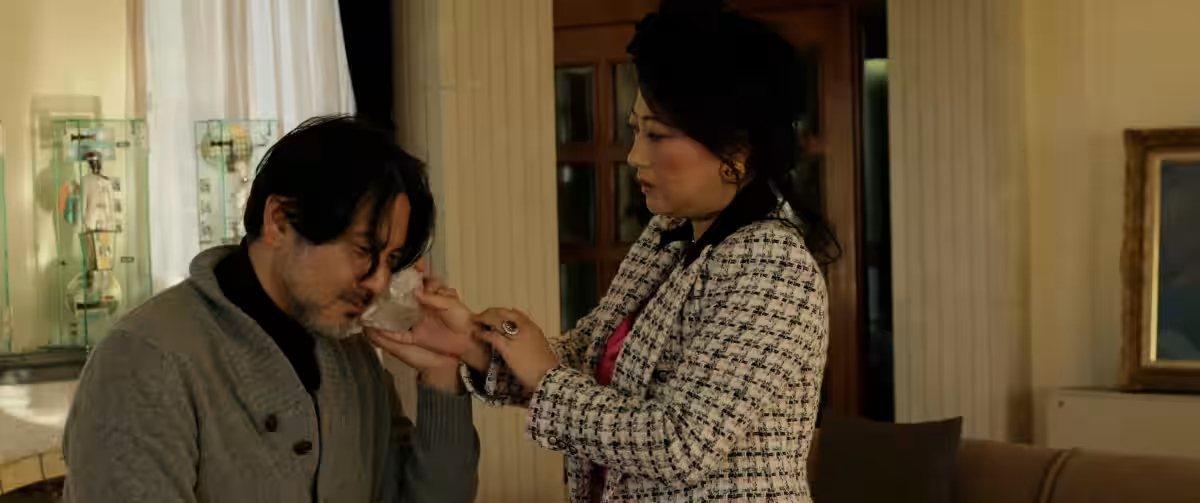
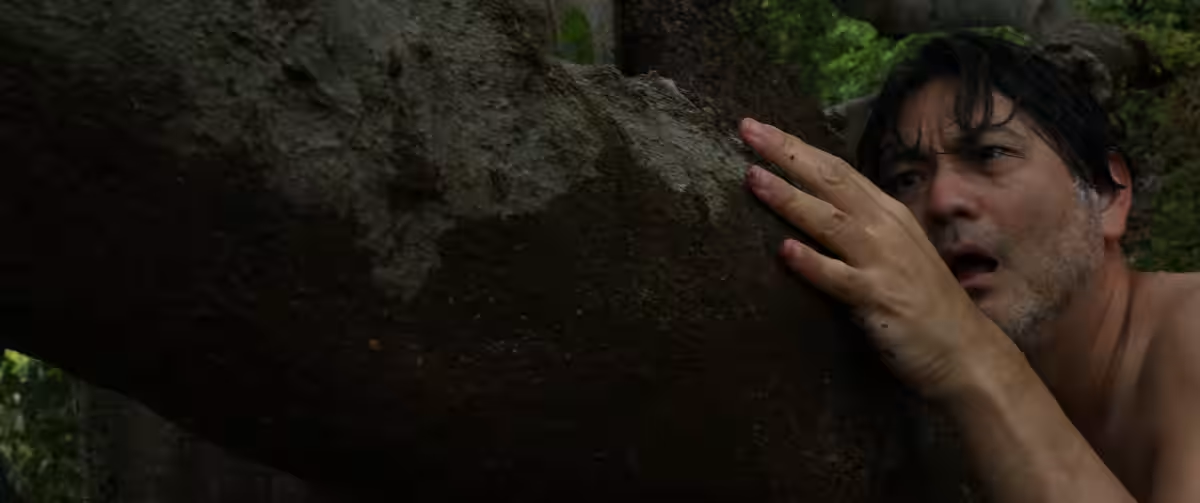
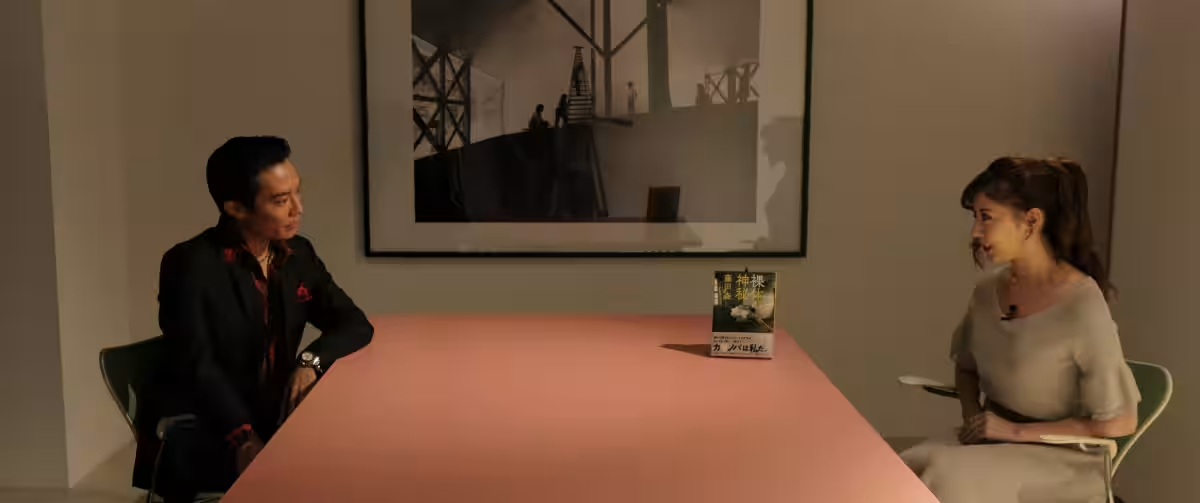
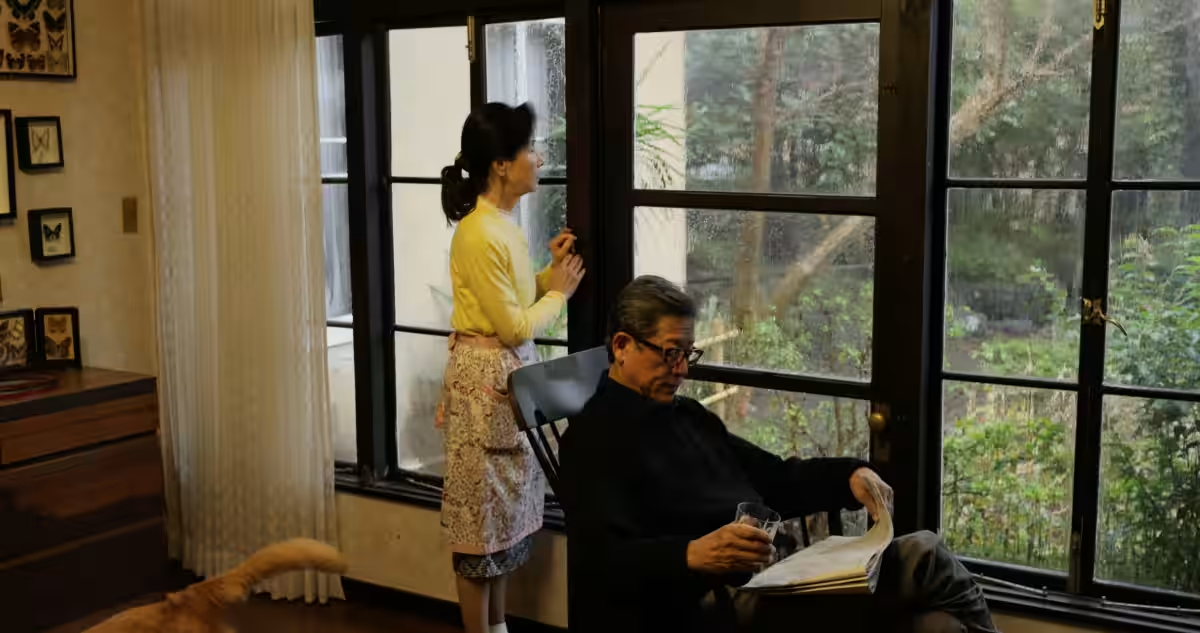
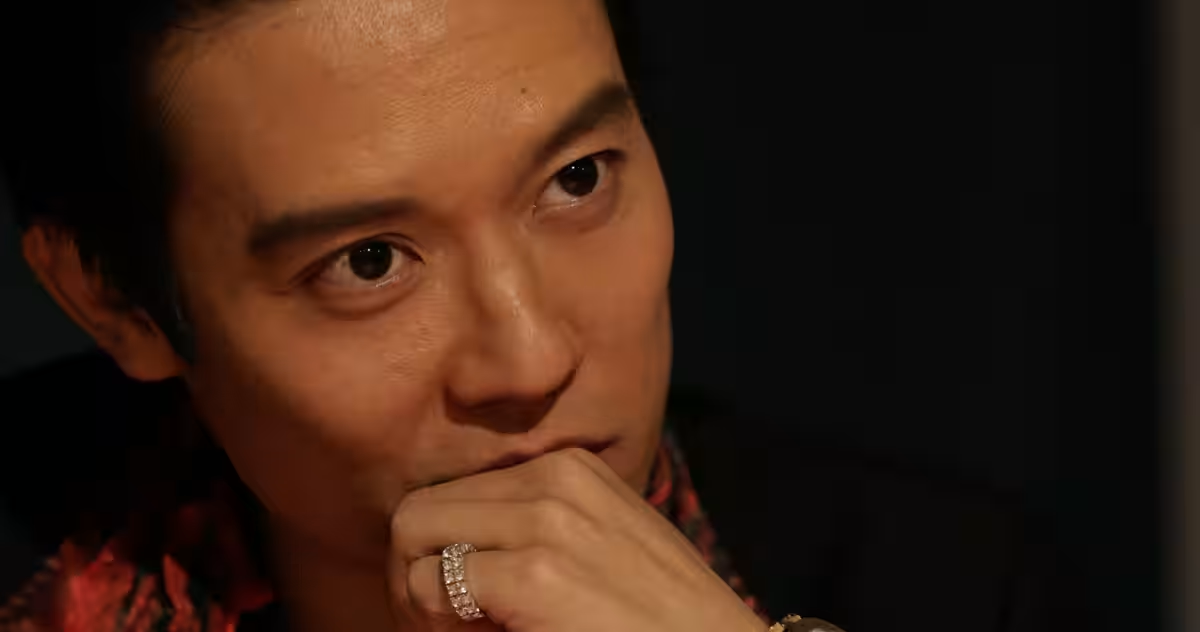
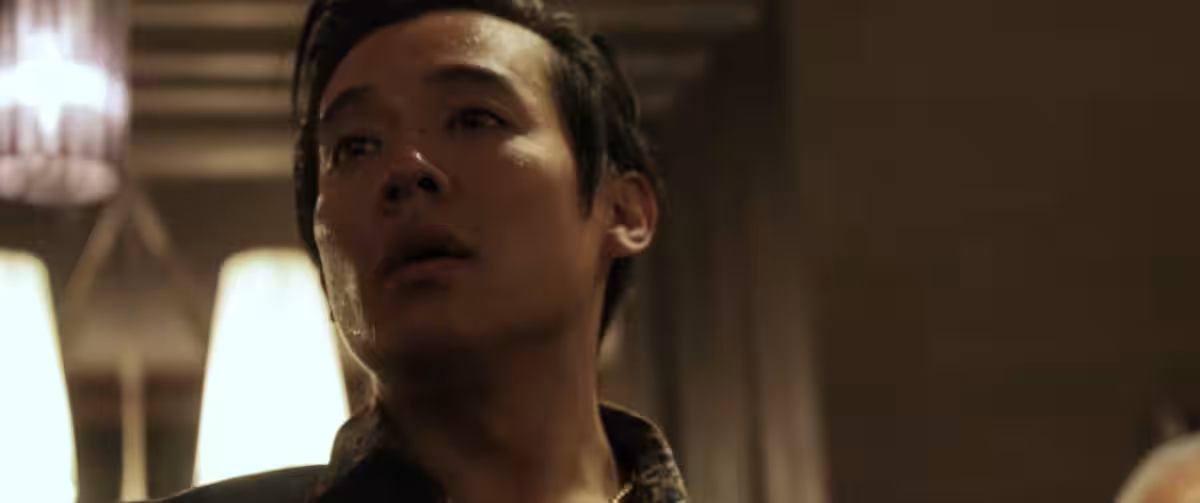
- - Junichiro Tahara (played by Takahiro Fujimoto), a successful mystery writer, is dominated by his fierce wife, Mari (played by Tomochika), and is left to wrestle with his untapped potential.
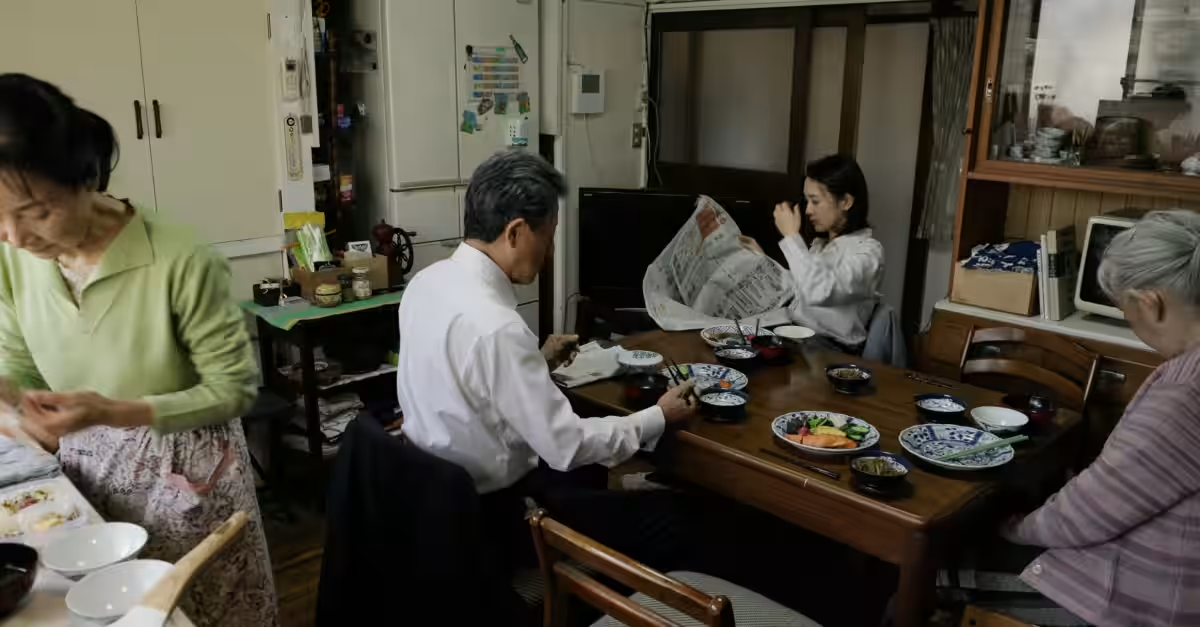
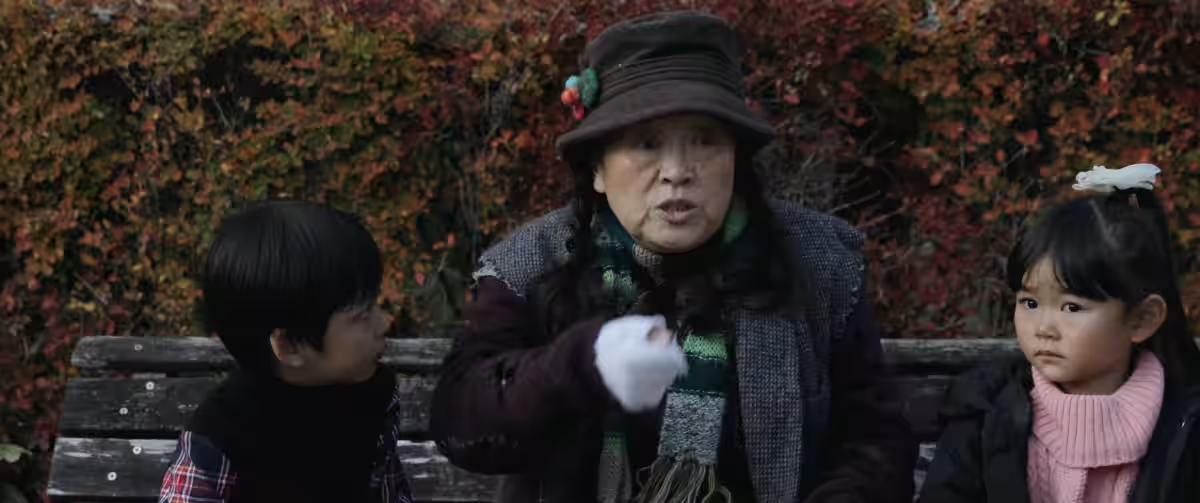
- - Yuji Matsubara (played by Kenichi Terazumi), a former corporate elite, continues to live a facade for his ailing mother while grappling with the repercussions of raising a reclusive son.
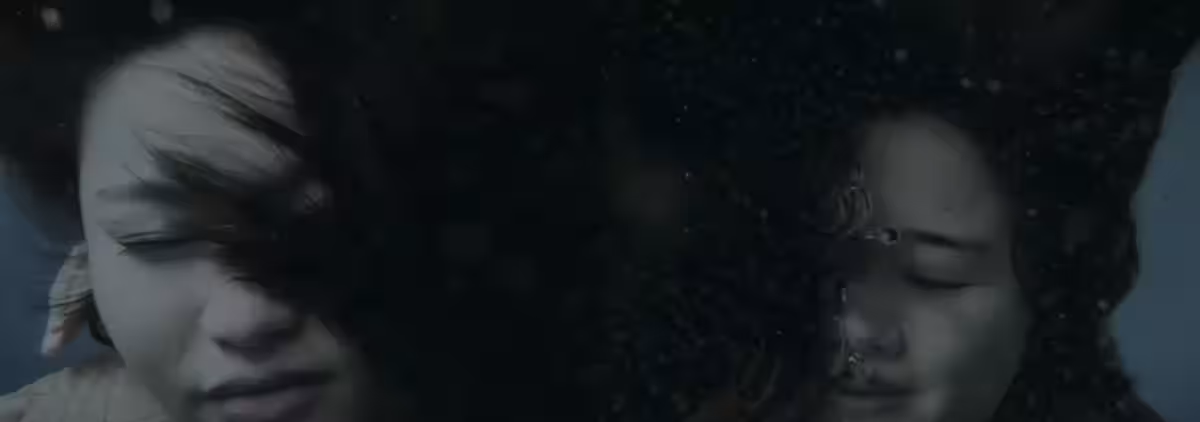
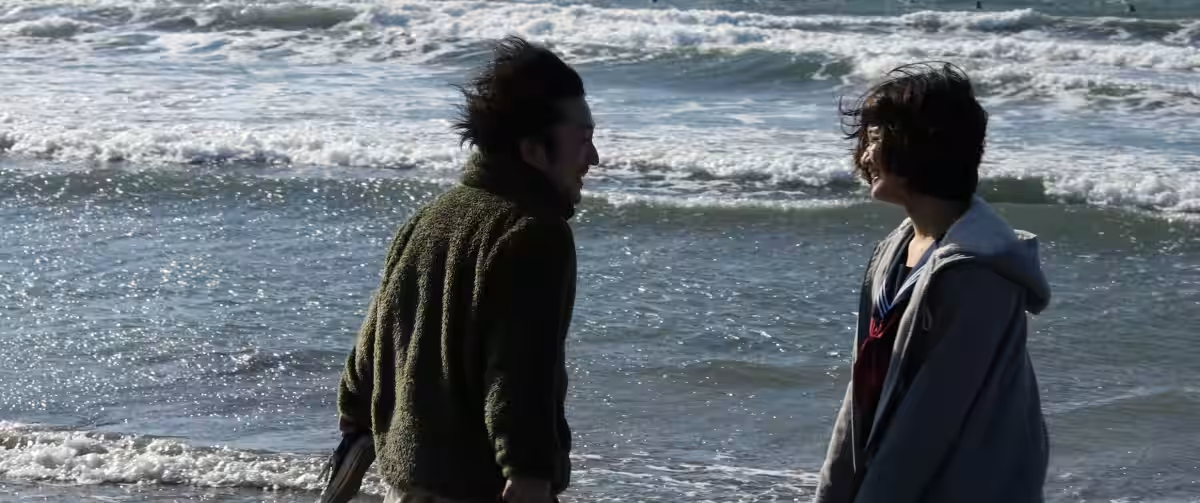
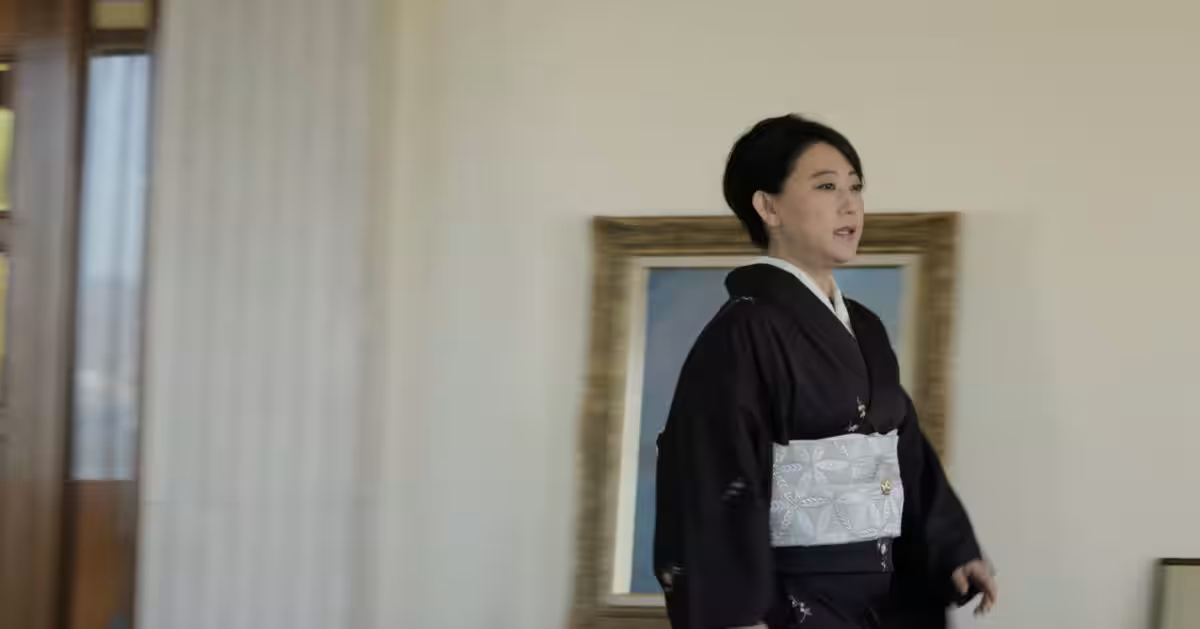
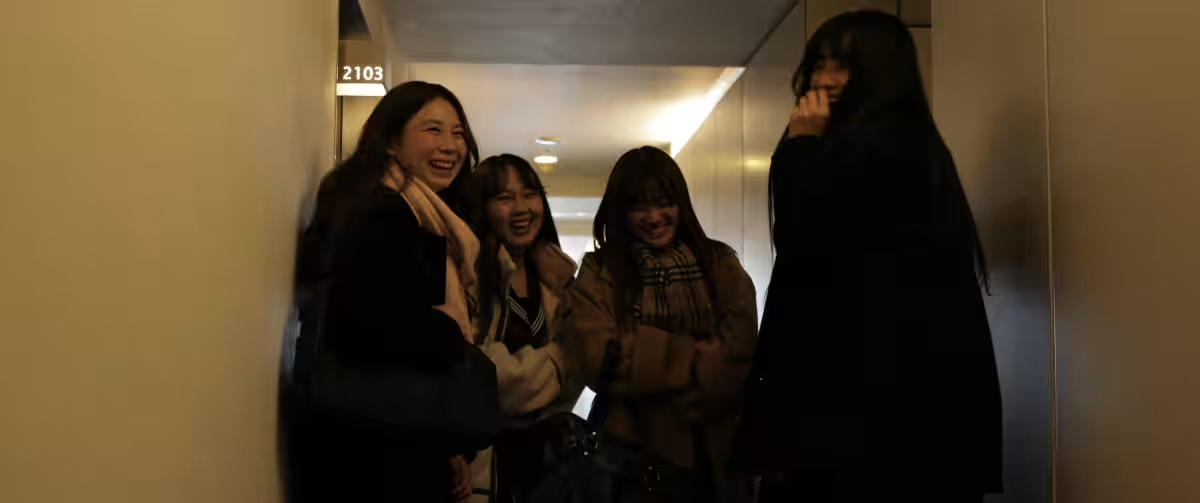
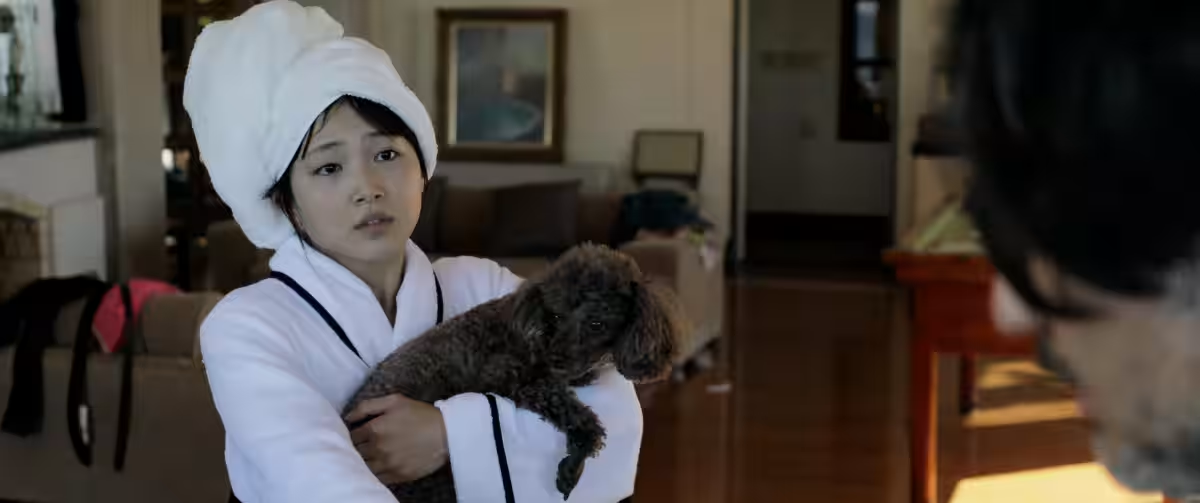
- - Maria Kuroki (played by Wakaba Hirogai), a high school student, faces rumors about her AV actress mother, Reiko (played by Ai Tsubakihara), creating immense pressure on her daily life.
In the backdrop of a tumultuous stormy night, the characters' paths converge. The interplay between freedom and confinement is poignantly explored as they confront their varying degrees of control and despair within their familial roles.
Creative Approach
Ooyama's philosophy is evident in this work, as he consciously avoids opting for either a happy ending or merely revealing dark truths. Instead, he presents a calm yet disturbing exploration of daily life intermixed with raw, exaggerated elements that resonate with Shimajime's rhythms.
His intent is to challenge audiences emotionally, provoking complex feelings rather than offering simplistic emotional responses. The film seeks to leave viewers pondering profound questions about family and existence long after they leave the cinema.
A Cinematic Reflection
Ten years after Shimajime's original work critiqued family illusions, 'The Disease of Family' explores these themes through a bold comedic lens, directly challenging modern Japanese family beliefs. Audiences can expect to engage with the grim realities of familial love and conflict, thoughtfully portrayed through Ooyama's unique point of view, intertwining sharp humor with feelings of unease.
Talent Behind the Lens
With a cast including Takahiro Fujimoto, Tomochika, and Ai Tsubakihara among others, and a crew featuring talented professionals dedicated to pushing the artistic boundaries, the film promises to be a visual treat. Their performances bring depth and authenticity to the characters, enhancing the narrative's emotional impact.
Release Information
The film will be screened at various theaters across Japan, including Uplink Kichijoji and Ikebukuro HUMAX Cinemas, starting June 26. As Ooyama passionately shares his vision, audience members are invited to immerse themselves in this compelling portrayal that is poised to spark important discussions around the nuances of family.
Conclusion
'The Disease of Family' is more than just a movie; it is an invitation to dive deep into the truths about family life that often lie hidden beneath the surface. As viewers sit through the film, they are likely to grapple with their own interpretations of familial emotions and experiences. It is a work that promises both discomfort and a cathartic awakening to the complexities of one of life’s most fundamental institutions.




Topics Entertainment & Media)

【About Using Articles】
You can freely use the title and article content by linking to the page where the article is posted.
※ Images cannot be used.
【About Links】
Links are free to use.