



Exploring Sustainability Through Collaborative Projects: Nagoya University of Commerce and Business
Introduction
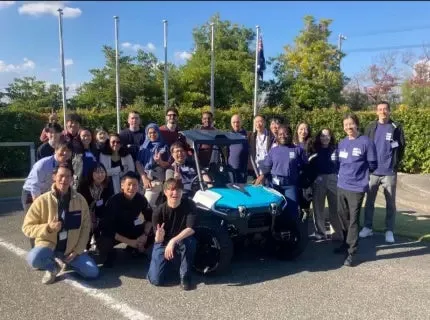
Nagoya University of Commerce and Business has taken significant strides in integrating sustainability concepts into its educational curriculum through a unique collaborative initiative known as the "SDGs Project." This hands-on program, part of the English MBA and MSc offerings since 2020, focuses on bridging academic insights with practical fieldwork. Students benefit from working directly with various stakeholders, including businesses, government entities, and cultural institutions, as part of their learning journey.
Overview of the SDGs Project
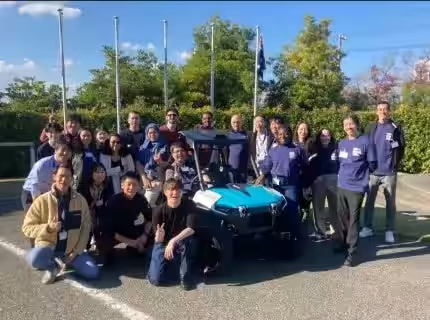
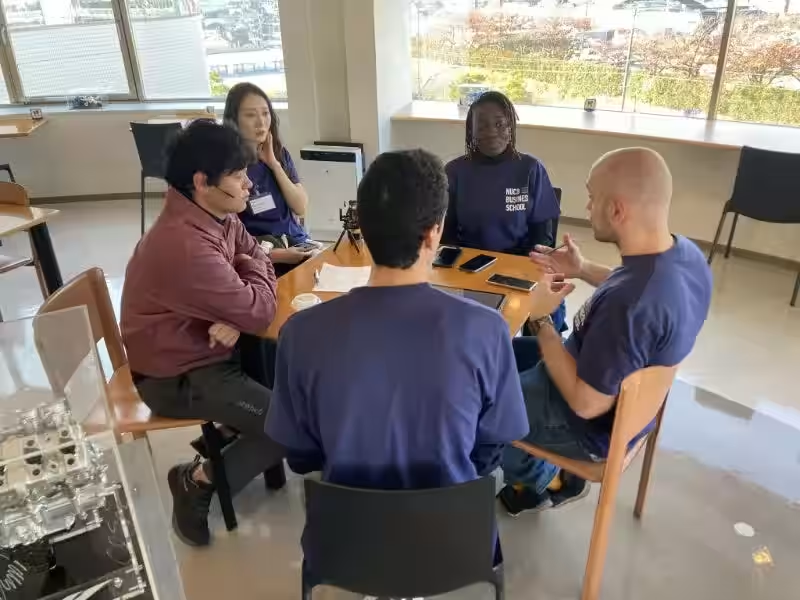
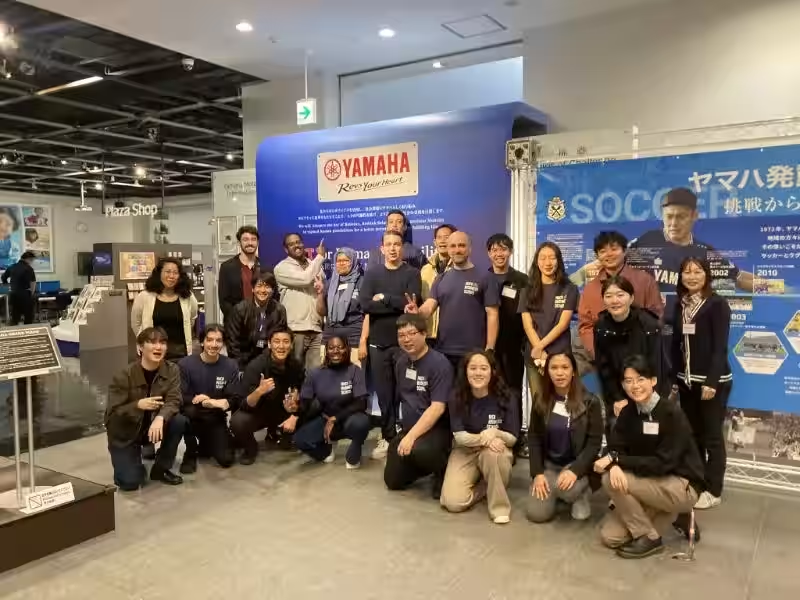
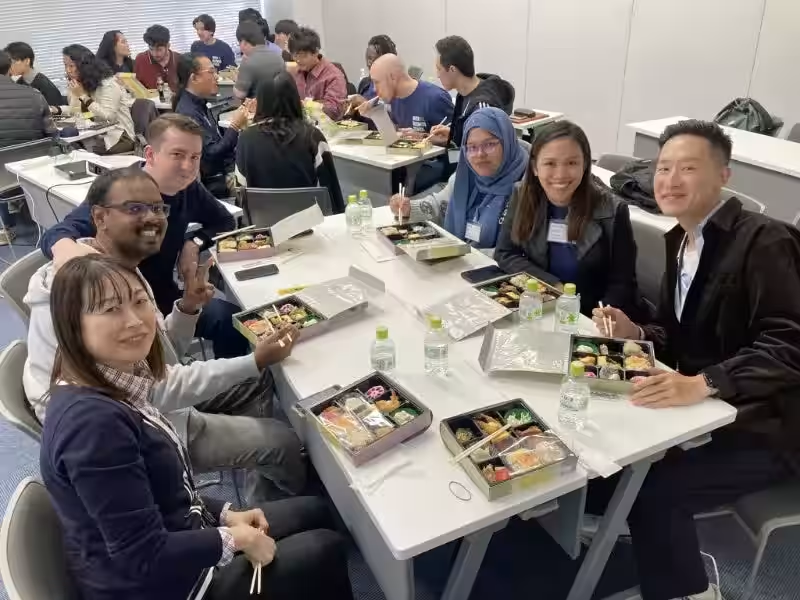
The 2025 cohort of the SDGs Project is particularly noteworthy, as it emphasizes collaboration with global corporations. This year, the program partnered with Yamaha Motor Co., Ltd., a prominent enterprise headquartered in Iwata, Shizuoka. Participants in this initiative include 16 international students from 13 different countries, enriching the learning experience with diverse perspectives. These students have the opportunity to interact directly with Yamaha's senior supervisors and managers, gaining insights into the company's SDGs strategies and sustainable business operations.
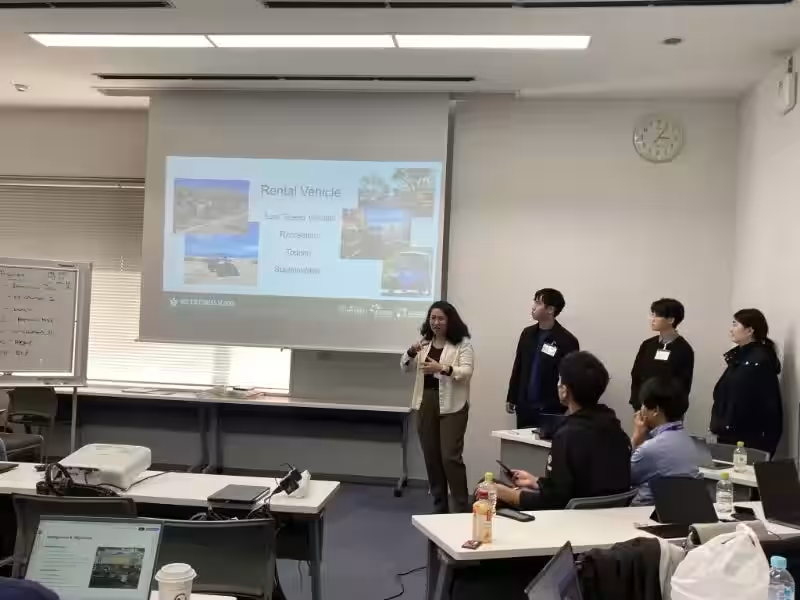
Through these interactions, students analyze Yamaha's international strategies and propose ideas for enhancing the company's global business approach. The discussions that ensue with Yamaha employees enable students to not only learn but also to contribute innovative thoughts shaped by their diverse cultural backgrounds.
Building Leadership Skills
The primary objective of the SDGs Project is to foster a new generation of leaders equipped with strategic thinking, a global mindset, and innovative capabilities. By immersing themselves in real-world corporate environments, participants acquire valuable experience that deepens their understanding of sustainable practices. Concurrently, Yamaha staff members are exposed to novel ideas and perspectives, which can challenge their conventional ways of thinking.
Participants' Nationalities
The international backdrop of the SDGs Project adds a rich dynamic to the learning environment. The participating students hail from:
- - United States (2)
- - Canada (2)
- - Philippines (2)
- - India
- - Egypt
- - Cameroon
- - South Korea
- - Thailand
- - Bangladesh
- - Bosnia and Herzegovina
- - Belgium
- - Mexico
- - Russia
This diversity fosters a collaborative atmosphere where different viewpoints can spark creativity and innovative solutions to sustainability challenges.
Highlights from Past Projects
The SDGs Project has evolved significantly since its inception, with previous projects showcasing a range of engaging activities:
- - 2020-2023: A focus on local sustainability and cultural preservation involving companies like Ricoh and Ena Kawakamiya, where students collaborated to learn about corporate social responsibility and the cultural impact of local institutions.
- - 2024: Collaborations with startups to analyze challenges related to sustainability, including visits to local fish markets and interactions with stakeholders to understand inclusive growth strategies.
- - 2025: Continued partnership with Yamaha, emphasizing the significance of practical experience in strategic thinking and innovative approaches to business challenges.
About Nagoya University of Commerce and Business
The Nagoya University of Commerce and Business stands out as a premier institution, offering practical case-based management education, including weekend MBA programs in both Japanese and English. It is one of only a few universities in Japan to hold the prestigious triple crown accreditation (AACSB, AMBA, EQUIS), reflecting its commitment to world-class education. The school consistently ranks as the top business school in Japan, as recognized by leading global ranking organizations QS and FT.
Through experiences like the SDGs Project, the institution continues to prepare its students to face the complexities of tomorrow’s business world, instilling in them the values of sustainability and social responsibility.
Topics Other)
【About Using Articles】
You can freely use the title and article content by linking to the page where the article is posted.
※ Images cannot be used.
【About Links】
Links are free to use.