



Understanding the Emergency Use of Invoice Card Payments by Businesses
Understanding the Emergency Use of Invoice Card Payments by Businesses
In a recent study conducted by Yūshi Daikō Pro Co., Ltd., based in Minato-ku, Tokyo, it was found that invoice card payments are increasingly recognized as a viable option for managing urgent financial needs. The survey targeted 303 business owners, executives, and self-employed individuals who have previously used invoice card payments. The findings indicate significant insights into how this payment method is utilized and the associated risks.
Survey Findings and Trends
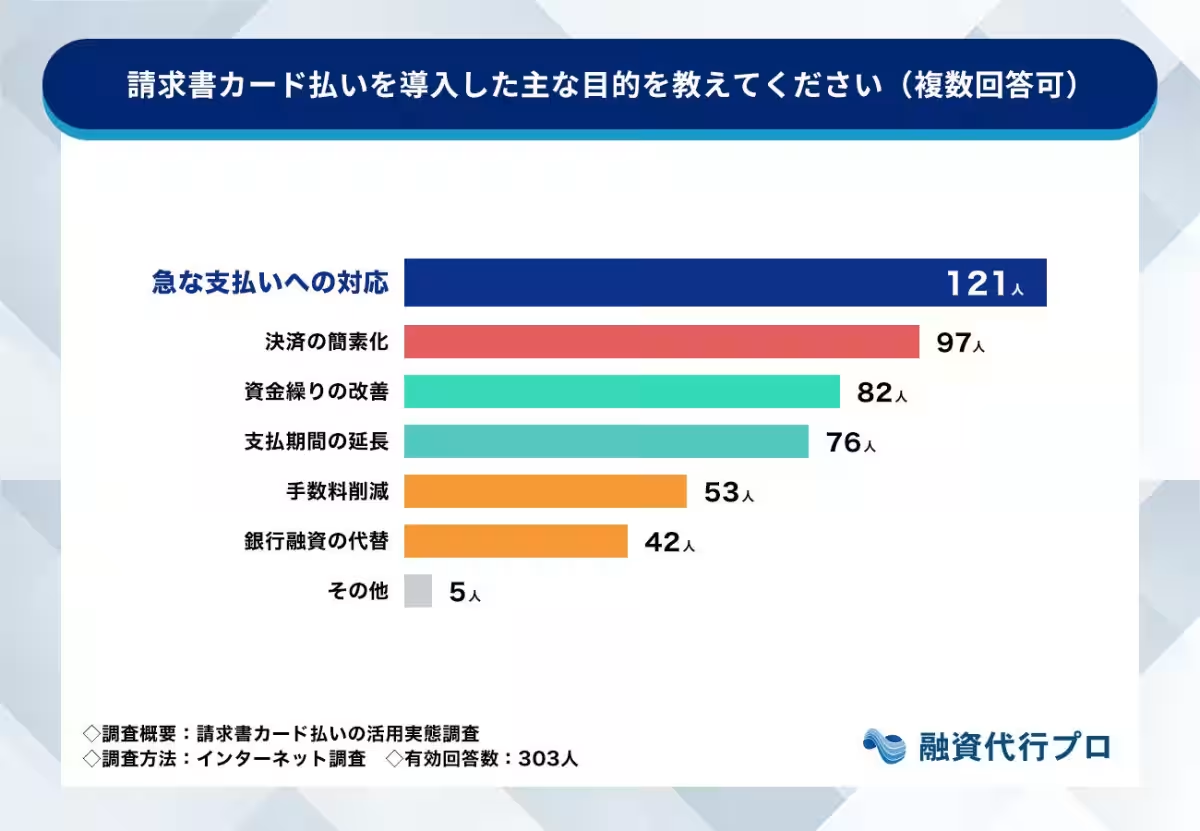
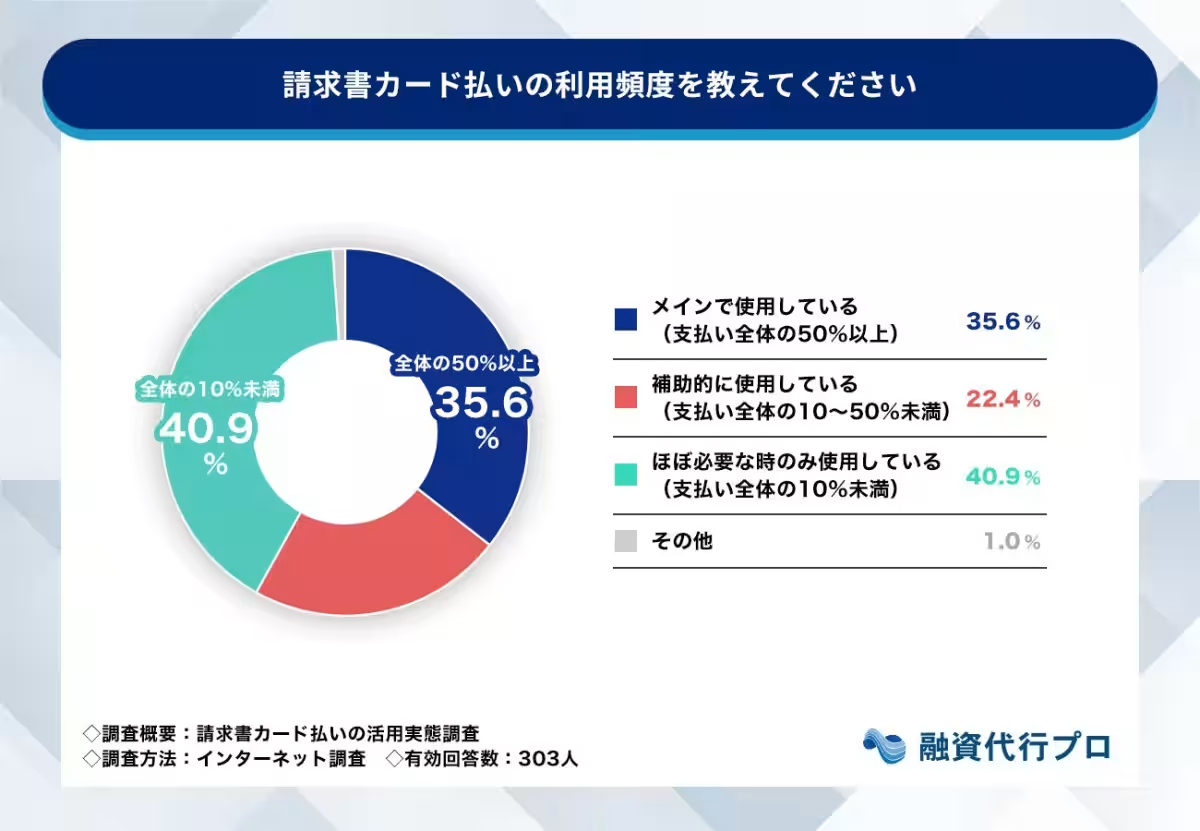
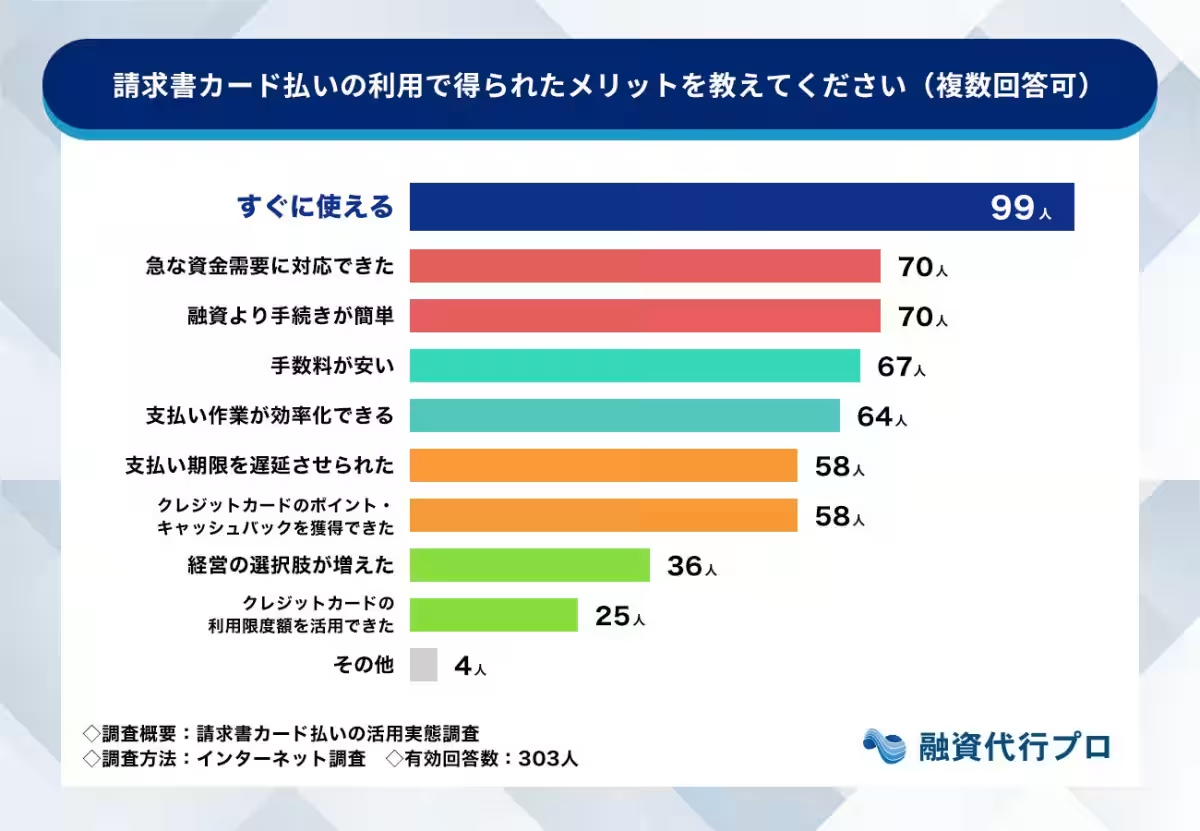
The survey results show that the primary purpose of introducing invoice card payments is to handle sudden payments, with 39.9% of respondents citing this reason. In addition, 40.9% of individuals reported using the service primarily when absolutely necessary, highlighting its application in emergency financial situations. The speed of access to funds was emphasized, with 32.7% noting that being able to use the card immediately is a significant advantage that fosters reliance during urgent needs.
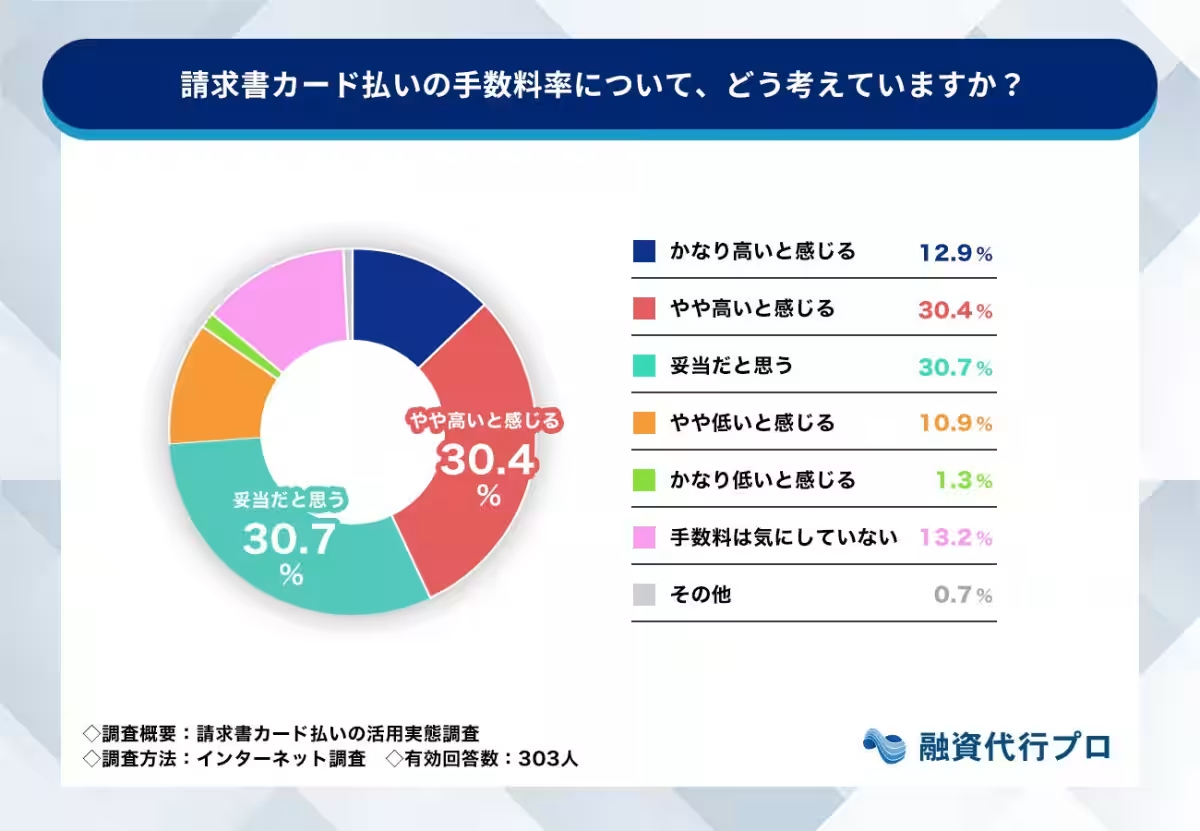
However, while the convenience is evident, the survey also revealed a growing concern regarding costs. About 43% of respondents felt that the fees associated with this service were high, highlighting a need for businesses to balance convenience with affordability. Despite the appeal of invoice card payments, approximately 19.8% of users expressed concerns over low credit limits, which can limit its effectiveness in fulfilling large financial requirements.
Evaluating Convenience Against Risks
The qualitative feedback from users illustrates a mixed perspective. While many appreciate the convenience of invoice card payments, there are also warnings about dependence on this type of financing.
Here are some of the sentiments shared:
- - Positive Feedback: A 40-year-old self-employed respondent stated, "The greatest benefit was that my cash flow became easier to manage during high spending periods."
- - Cautionary Views: A 67-year-old executive mentioned, "While card payments are indeed convenient, excessive reliance can lead to stress due to mounting card bills."
These insights reveal that while invoice card payments can serve as an effective tool, they also carry risks, especially if used as a primary financing solution. This aligns with the notion that businesses should integrate diverse funding options rather than relying solely on one method.
Balancing Profitability and Payment Options
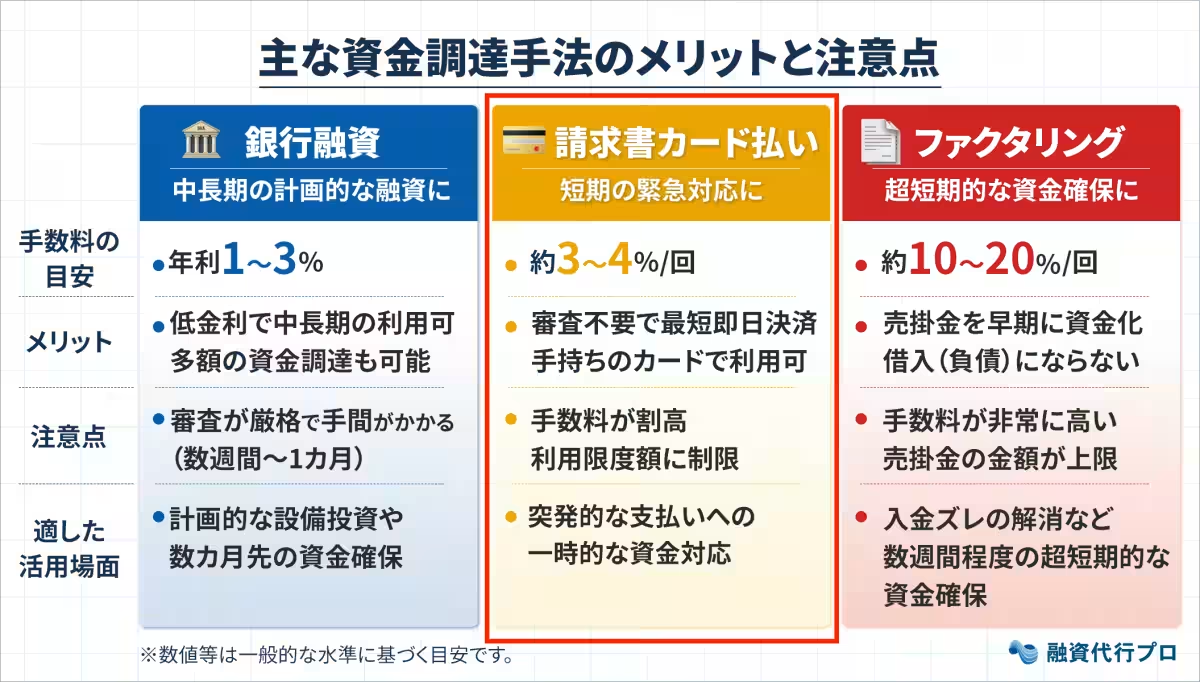
The survey also uncovered that 13.9% of respondents indicated that invoice card payments could be a substitute for bank loans. This raises critical concerns about whether businesses may be compensating for capital needs with a relatively more expensive method in the long run. Over-reliance on high-cost funding sources can create long-term challenges in financial planning and resource allocation.
Considering the variety of financing options available today, it is crucial for businesses to understand the unique characteristics of each funding avenue. Organizations must strategically diversify the methods used to secure necessary funds to safeguard against potential cash flow disruptions.
Conclusion
The investigation into the usage of invoice card payments sheds light on their practicality and the inherent risks. While they provide a temporary solution for immediate financial needs, company owners and decision-makers must tread carefully. Evaluating how to incorporate such tools into a broader financial strategy is essential for maintaining long-term financial health.
"The emergence of invoice card payments showcases a significant shift in how businesses approach urgent financial needs, yet it underscores the importance of comprehensive financial strategies that take both costs and risks into account," said Kotaro Okajima, CEO of Yūshi Daikō Pro. As market dynamics evolve, businesses must remain agile and informed to navigate the complexities of financing effectively, ensuring they avoid falling into dependency on any one service.
For detailed findings and further exploration of this topic, visit the official website of Yūshi Daikō Pro.

Topics Business Technology)
【About Using Articles】
You can freely use the title and article content by linking to the page where the article is posted.
※ Images cannot be used.
【About Links】
Links are free to use.