



Understanding the Impacts of AI-Driven Customer Support in Real Estate Industry
Embracing AI in Customer Service: Challenges and Benefits
In the age of digital transformation, AI technology is increasingly being integrated into various sectors, including real estate. Recently, Ielove Group, a company specializing in digital transformation support for real estate, conducted a comprehensive survey to gauge the perceptions surrounding AI-driven phone support among both real estate professionals and end-users.
Background of the Survey
The landscape of communication has diversified significantly in recent years, yet the quality of service and increased strain on staff have brought about pressing issues. Given the rising demand for operational efficiency and convenience, there is a compelling need to reassess the nature of communication methods employed by companies.
To understand the effectiveness and perceptions of AI-based customer support, Ielove Group performed a survey that included 1,108 valid responses from both stakeholders: real estate companies and end-users.
Key Findings of the Survey
1. Round-the-Clock Service: The main advantage of AI-driven phone support is its ability to operate 24/7. However, it struggles to handle complex inquiries effectively.
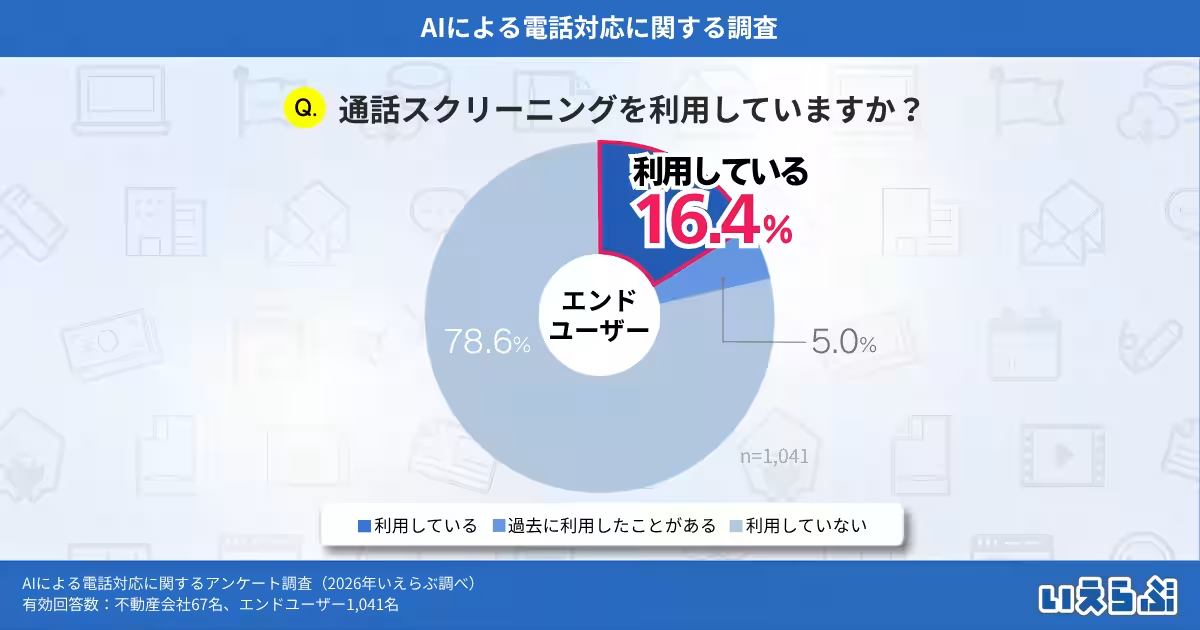
2. Low Utilization of Call Screening: Approximately 80% of respondents are not utilizing call screening services, suggesting that increasing awareness could foster wider adoption.
3. Importance of Balancing Convenience and Reassurance: For AI phone support to thrive, it’s essential to balance its convenience with the need for user reassurance.
Advantages and Challenges of AI Customer Support
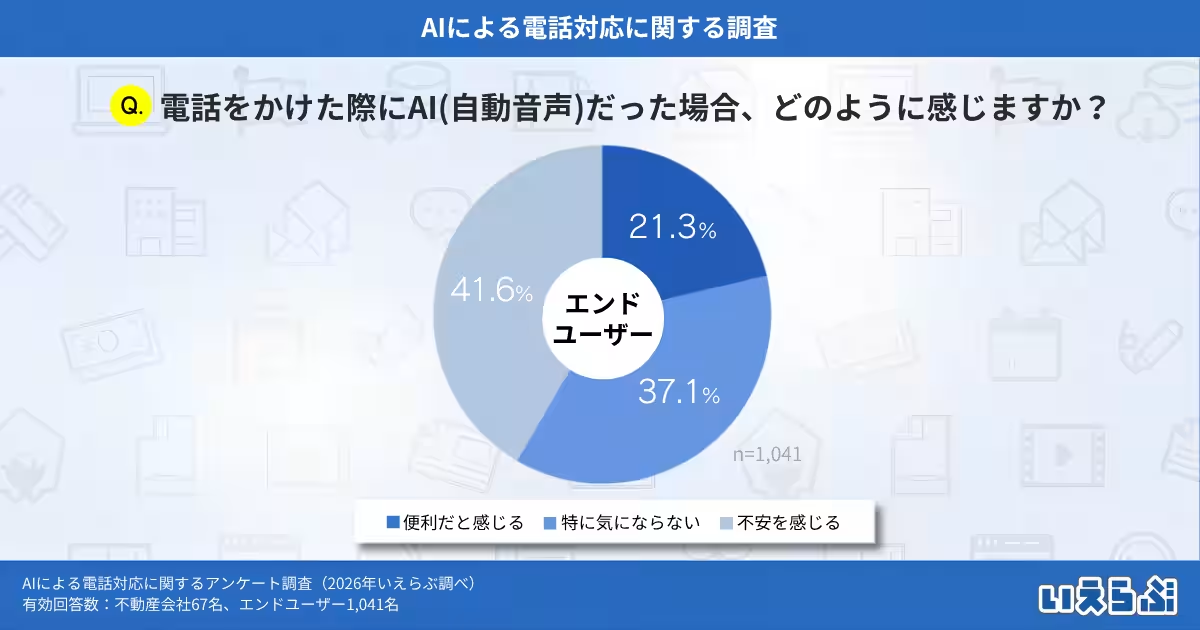
When users were asked how they felt when encountering an AI voice response during a call, the results were mixed:
- - Convenient: 21.3% felt AI support was convenient.
- - No Concern: 37.1% had no particular feelings.
- - Uncertainty: 41.6% expressed feelings of apprehension concerning AI support.
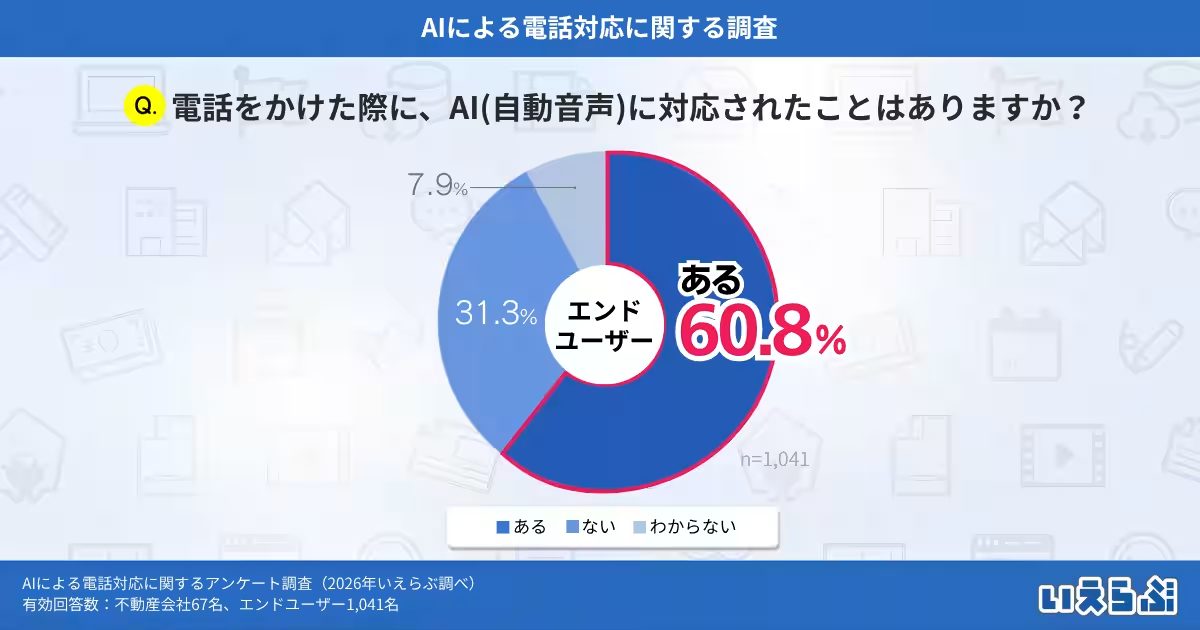
This indicates a split perception among end-users where almost half appreciated the convenience, while the question of reliability lingered among a significant portion. Additionally, when users were asked if they had previously interacted with AI-driven phone support, 60.8% confirmed they had encountered it. However, real estate companies predominately rely on human operators for customer inquiries, with 80.6% stating they handle calls within their teams. This shows a disconnect between user experience and company protocols.
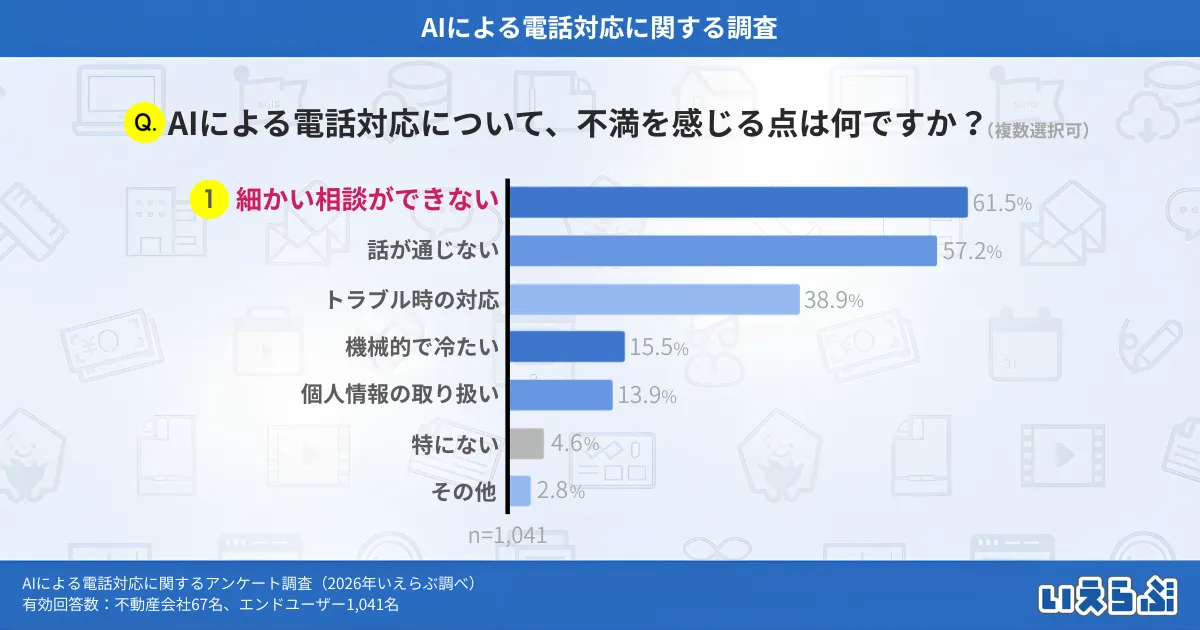
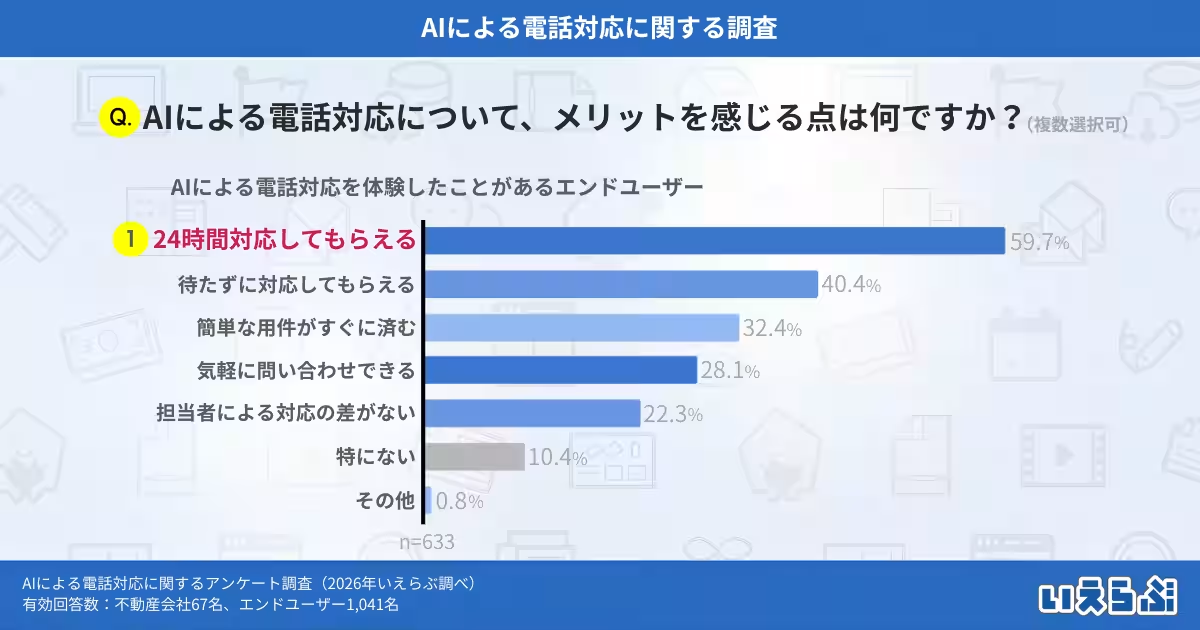
The survey revealed that among those who had used AI support, the overwhelming majority (59.7%) cited its availability 24/7 as the most significant benefit. Others appreciated the lack of wait times (40.4%) and the greater efficiency addressing straightforward inquiries (32.4%). On the flip side, concerns about AI functionality surfaced, with users emphasizing difficulties in addressing specific questions or nuances. Specific complaints included the inability to convey urgent messages and lengthy pre-call guidelines causing frustration.
Essentially, while AI phone systems offer evident convenience and immediacy, they fall short in areas demanding emotional intelligence or in-depth conversations. There exists a gap between efficiency and necessary conversational adaptability, signaling a challenge for developers.
Awareness and Utilization of Call Screening
When respondents were questioned about their familiarity with call screening — a tool that allows an AI to screen calls based on the caller's identity and urgency — nearly 78.6% reported having never used it. Among those aged 20-40 years, the usage rate is over 20%, while fewer older respondents were familiar with the service. This highlights a significant opportunity for educational outreach to propel service acceptance.
Call screening acts as an essential filter for important calls, ensuring urgent matters receive priority. However, if not correctly understood and implemented, it may introduce delays in urgent communications. Conversely, its potential to block spam and unwanted solicitation calls is a distinct advantage that can greatly enhance user experience when adequately utilized.
Forecast of AI Support Adoption in Real Estate
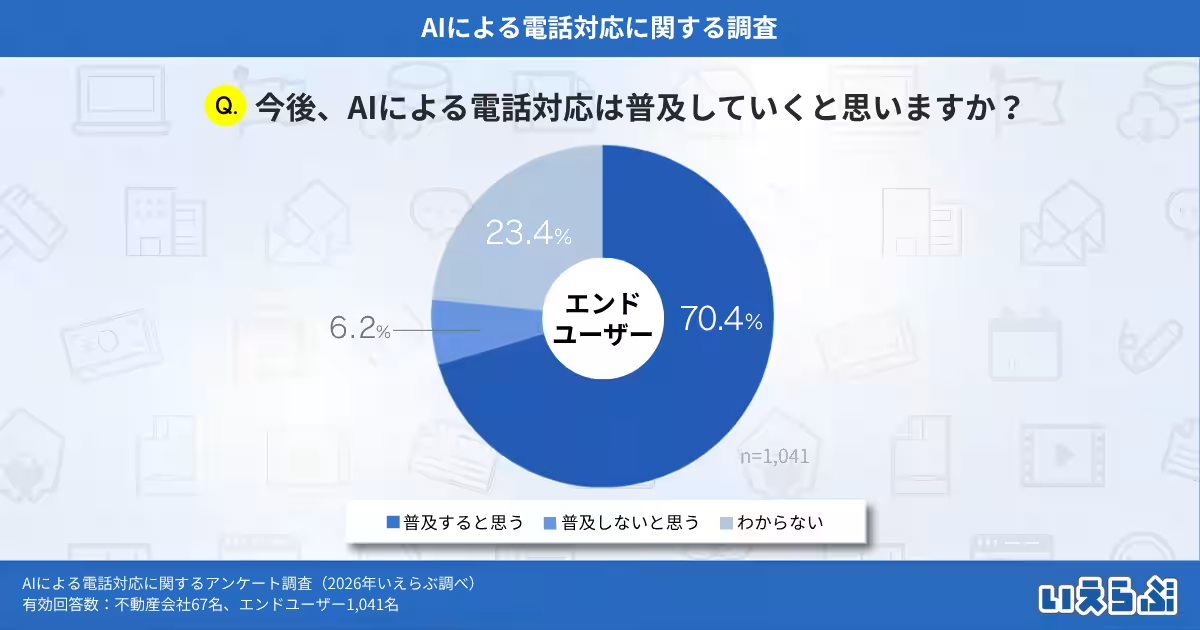
An optimistic outlook emerged when users were asked whether they believe AI phone support will become more prevalent. A substantial 70.4% affirmed it would likely become commonplace, with only a minor fraction expressing doubt. Conversely, the leading challenge expressed by real estate professionals remained the time-consuming nature of addressing inquiries, again emphasizing the need for technology-mediated efficiency.
Despite expressed concerns, the path for AI integration in customer support hinges on improving usability and public consciousness surrounding these technologies. Ensuring that end-users feel secure while utilizing these AI-driven systems is paramount for widespread adoption.
Ielove Group’s Executive Officer, Kenichi Niwa, commented on the survey findings, noting that while consumer interest in AI-backed support is evident, it is vital to address both the convenience expected by users and their anxieties. Enhancements in understanding and utilizing services like call screening will significantly contribute to overall satisfaction.
Conclusion
As real estate companies navigate this technological shift, the dual goals of efficiency through AI and providing customer reassurance will undoubtedly shape the future of service delivery. The integration of AI in this sector, as observed in the survey, has potential—but the industry must diligently address the associated challenges. By aligning technological advancements with user demands, the real estate sector can create stronger, digitally nurtured relationships between businesses and consumers.

Topics Business Technology)
【About Using Articles】
You can freely use the title and article content by linking to the page where the article is posted.
※ Images cannot be used.
【About Links】
Links are free to use.