



Co-op Delivery Union Introduces ShopRun to Enhance Operations and Communication
Co-op Delivery Union Implements ShopRun
The Co-op Delivery Union (Co-op Delivery), one of Japan's largest regional cooperatives, has announced the implementation of the cloud service "ShopRun" by DreamArts, a Tokyo-based company specializing in cloud solutions for large enterprises. With plans to officially launch ShopRun on March 2, 2026, across approximately 270 locations involved in delivery, retail, and mutual aid services, Co-op Delivery aims to improve operational efficiency and enhance service quality.
Background for ShopRun Implementation
Co-op Delivery consists of six member cooperatives spanning the Kanto and Shinetsu regions. It operates under the motto "Nurturing Lives and Futures Together" and provides various services, including delivery, retail, welfare, and energy supply. Looking forward to 2035, the organization has set forth "Vision 2035," emphasizing heightened satisfaction for both members and employees. A critical component of achieving this vision has been the establishment of a smooth and efficient information-sharing infrastructure.
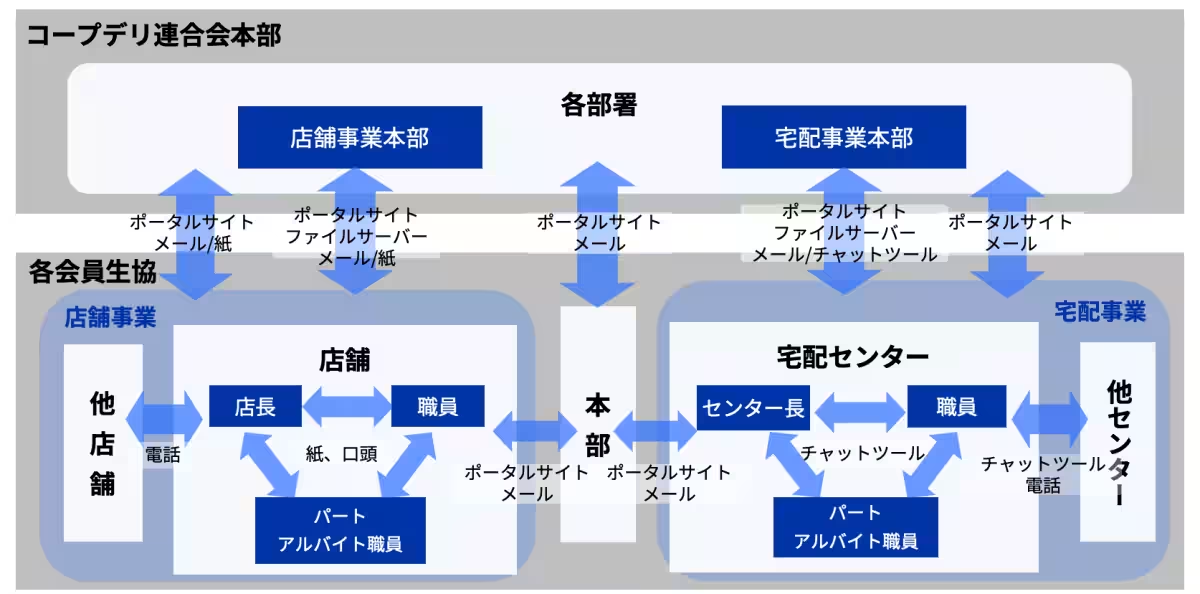
Since 2017, Co-op Delivery has utilized a self-developed on-premises information-sharing portal. However, the complexity of communication channels arising from its multilayered organizational structure posed significant challenges. Communication routes involving member cooperatives and their divisions often included portals, emails, and a disparate array of tools, complicating information dissemination.
Challenges in the Current System
The challenges of ineffective communication were evident. The portal contained mixed information for all locations, complicating the ability for individual sites to filter and locate necessary data. With diverse communication methods—including paper documents, phone calls, fax, file servers, and chat tools—the need for a unified system was apparent.
Recognizing the urgency brought upon by the pending expiration of server maintenance, Co-op Delivery began exploring new information-sharing platforms, ultimately deciding on ShopRun after extensive trials.
Criteria for Selecting ShopRun
Three core reasons motivated Co-op Delivery’s decision to adopt ShopRun, which effectively addresses its communication challenges:
1. Enhanced Searchability and Information Clarity:
ShopRun allows users to customize information access based on their roles and needs. By increasing searchability, frontline staff can pinpoint relevant data swiftly, significantly reducing the risk of overlooked communications.
2. User-Friendly Mobile Functionality:
The platform's mobile-friendly design was crucial, especially for the delivery division, where many employees are frequently on the go. This feature allows them to access vital information anytime and anywhere.
3. Facilitated Interstore Communication:
Features like store notes and comment capabilities foster collaboration not only within departments but also between stores, presenting opportunities for successful practice sharing and communication enhancement across the organization.
Future Prospects
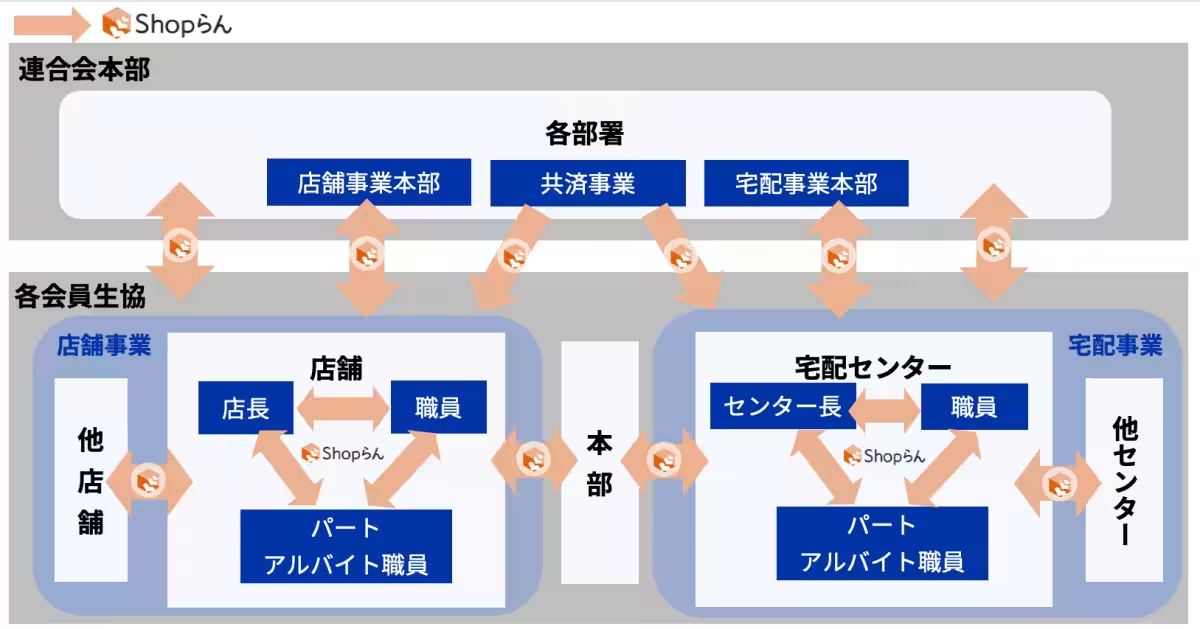
The introduction of ShopRun will centralize both data sharing and operational communications, leading to reduced email reliance and minimizing risks such as cyber threats disguised as legitimate messages. It is expected that this unified platform will improve employees' work efficiency, enhance job satisfaction, and ultimately lead to greater benefits for cooperative members.
Comments from Co-op Delivery
Mr. Yoshida from Co-op Delivery emphasized the pressing need for a streamlined internal communication method, identifying the organization's diverse communication methods as a barrier to effective information sharing. He expressed confidence that ShopRun would significantly alleviate staff workload and enhance the quality of service provided to members.
About DreamArts
DreamArts recognizes the intent to foster collaboration while aiming to simplify complex operational challenges through innovative cloud solutions. With established products such as ShopRun and SmartDB, DreamArts continues to support organizations in improving their operational effectiveness through technological integration.


Topics Consumer Technology)
【About Using Articles】
You can freely use the title and article content by linking to the page where the article is posted.
※ Images cannot be used.
【About Links】
Links are free to use.