



Survey Reveals Over 50% Experience Summer Fatigue This Year!
Summer Fatigue Survey Results: A Critical Look at This Year's Findings
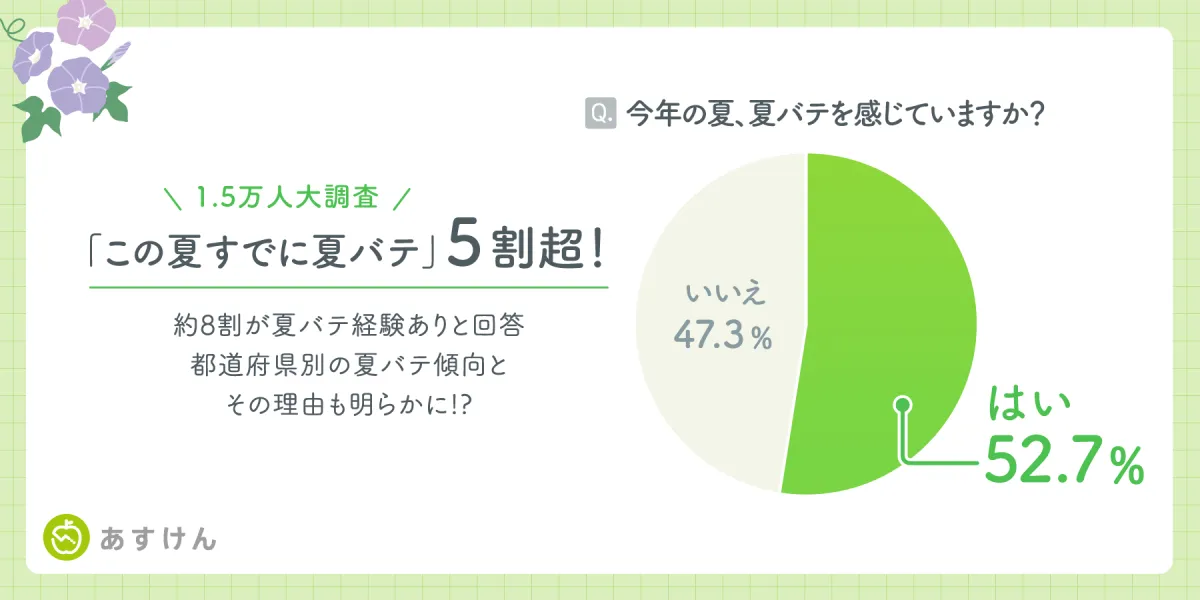
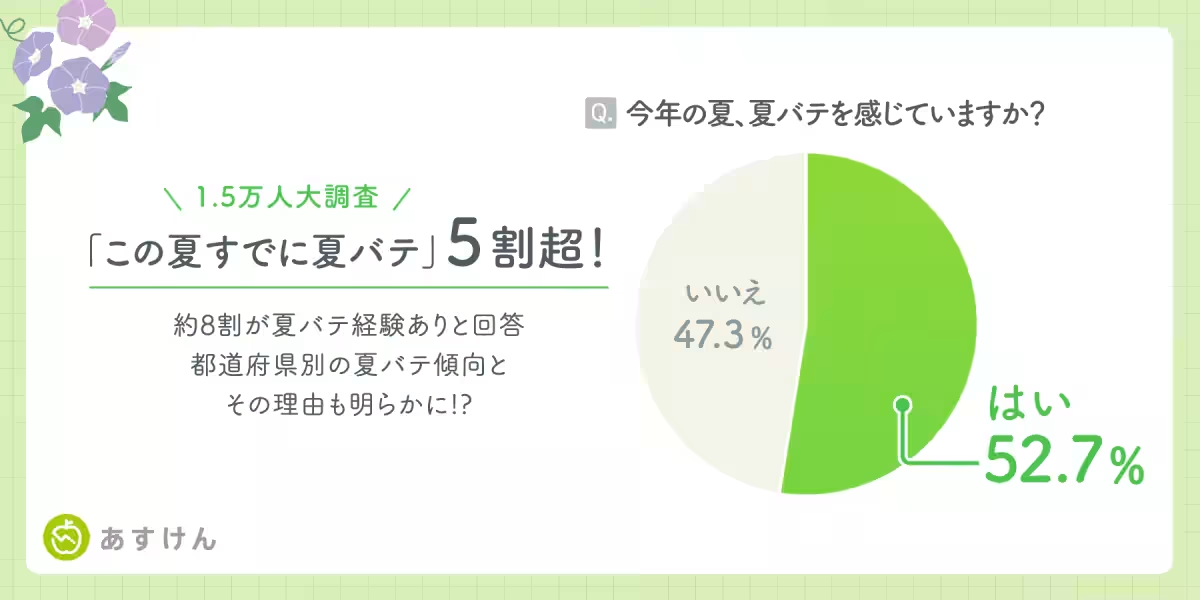
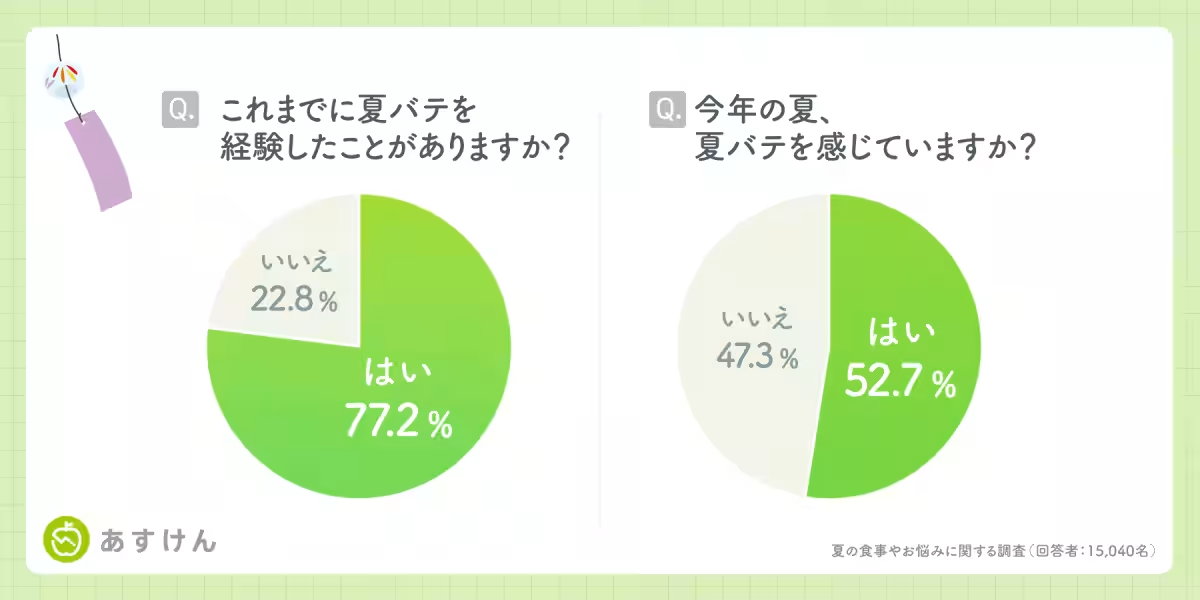
As the temperatures soar this summer, a recent survey conducted by 'Asuken', Japan’s leading AI meal management app with over 12 million users, has revealed alarming insights about summer fatigue among the population. The study, involving 15,040 respondents, highlights that more than fifty percent already feel the effects of summer fatigue this year, with approximately eighty percent having experienced it in the past. This significant finding prompts an examination of dietary habits and regional variations across Japan.
Survey Insights
The survey uncovered some concerning statistics regarding summer fatigue:
- - Over 50% of respondents reported experiencing fatigue this summer.
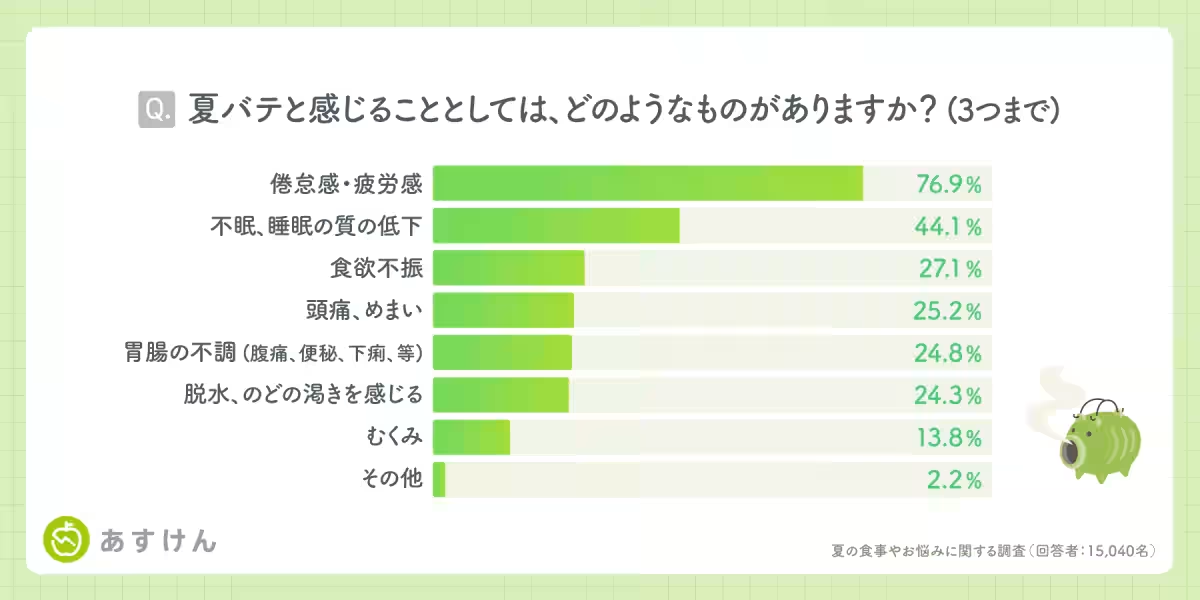
- - The most common symptoms were lack of energy and quality of sleep, with 76.9% feeling fatigued and 44.1% noting poor sleep quality.
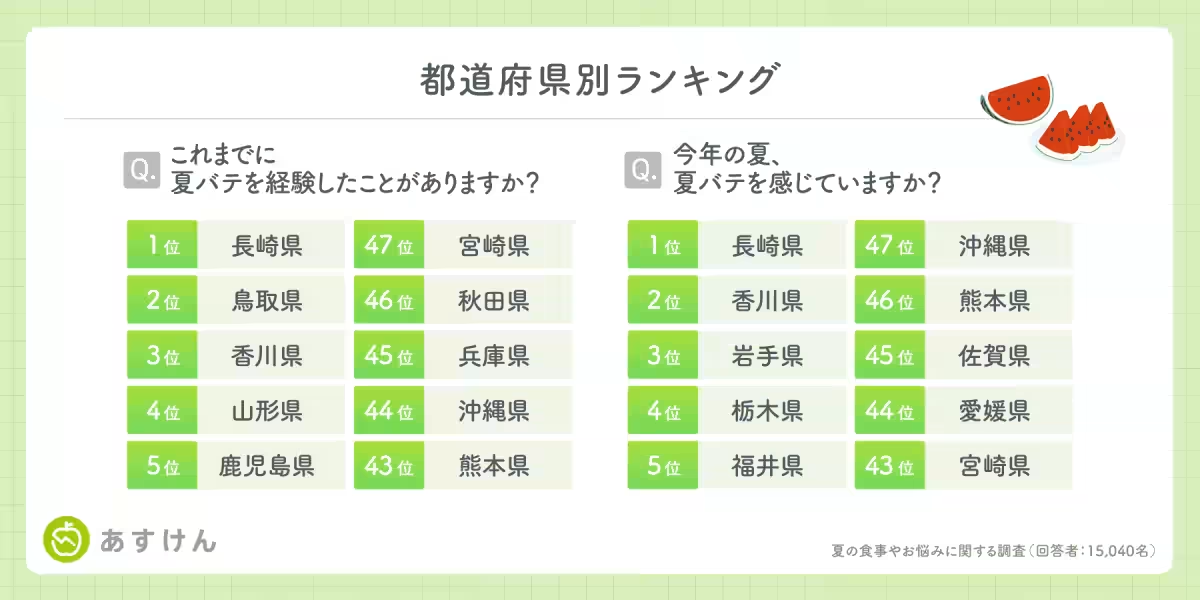
- - A geographical analysis indicated that residents of Nagasaki and Kagawa had the highest reported rates of experiencing summer fatigue, while Okinawa and Miyazaki residents reported the least.
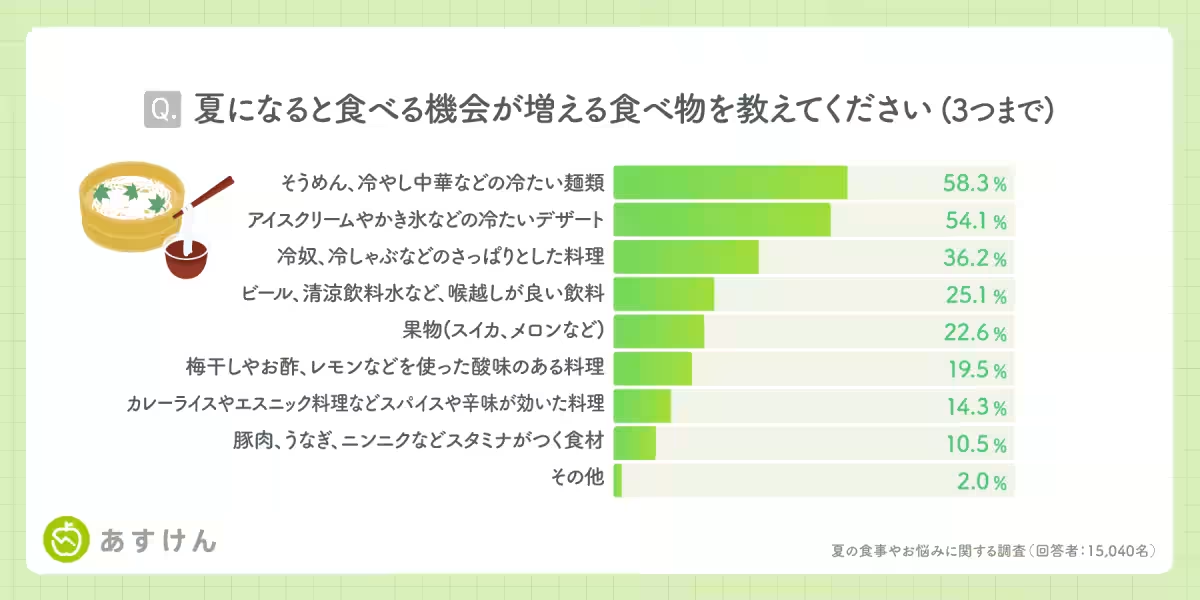
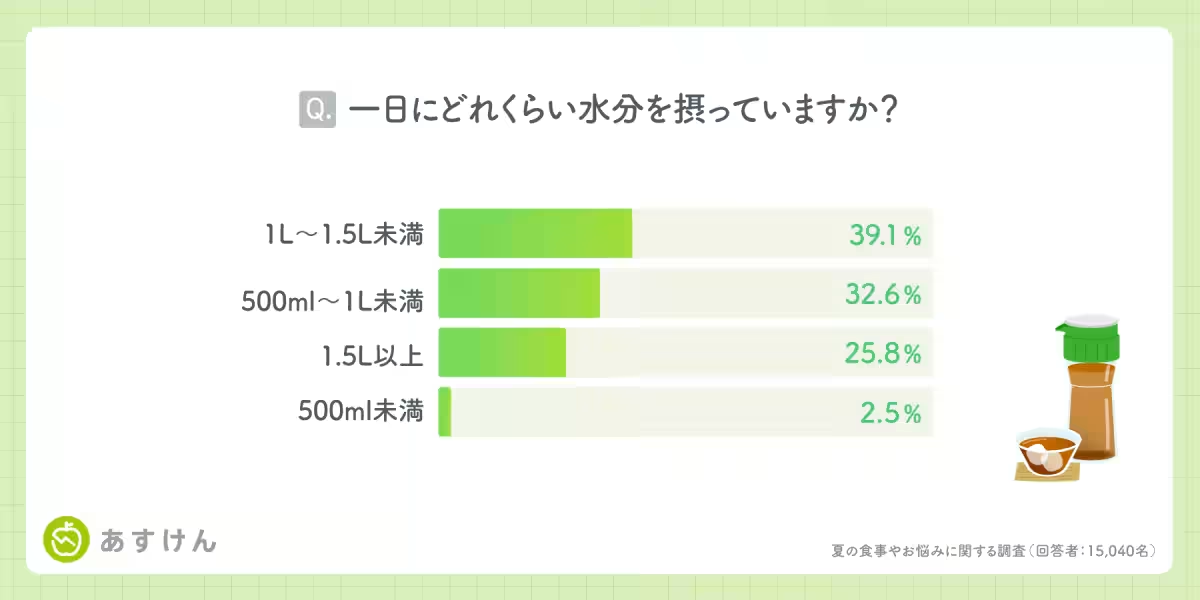
Interestingly, the survey also highlighted dietary preferences during the hot months. Many respondents favored refreshing summertime dishes like chilled noodles (58.3%) and icy desserts such as ice cream (54.1%). However, a concerning trend emerged regarding hydration, with more than thirty percent reporting a daily fluid intake of less than one liter.
Understanding the Summer Heat
This year, Japan is experiencing unprecedented heat levels, with record-high average temperatures reported in June. As we continue into the summer months, the potential for prolonged high temperatures raises concerns about seasonal health issues like dehydration and heat stroke. Summer fatigue, typically characterized by fatigue, poor sleep, and reduced appetite, can significantly affect daily life and increase the risk of malnutrition.
In light of these findings, Asuken aims to promote healthier eating habits among its users, suggesting that proper nutrition can be a vital tool in combating summer fatigue.
Regional Differences
The survey pointed out significant regional variations in summer fatigue experiences. In Nagasaki, 77.2% reported having experienced summer fatigue at some point, with a high percentage feeling it this year as well. In contrast, Okinawa had the lowest reported rates of summer fatigue, indicating a possible link between local dietary habits and overall health. Respondents from Okinawa touted traditional dishes like goya champuru, rich in vitamins and nutritious ingredients, as beneficial for maintaining energy levels during the hot months.
Dietary Recommendations
Given the survey results, nutritionists at Asuken recommend incorporating more Vitamin B1 and B6 into diets to help alleviate summer fatigue symptoms.
- - Vitamin B1, found in ingredients such as pork and brown rice, is essential for energy conversion from carbohydrates.
- - Vitamin B6, associated with the metabolism of fats and the production of serotonin (which regulates sleep), can be beneficial for those experiencing sleep disturbances.
To address these needs, Asuken has created meal ideas and recipes that are not only easy to prepare but also nutritious. For example, they suggest recipes like:
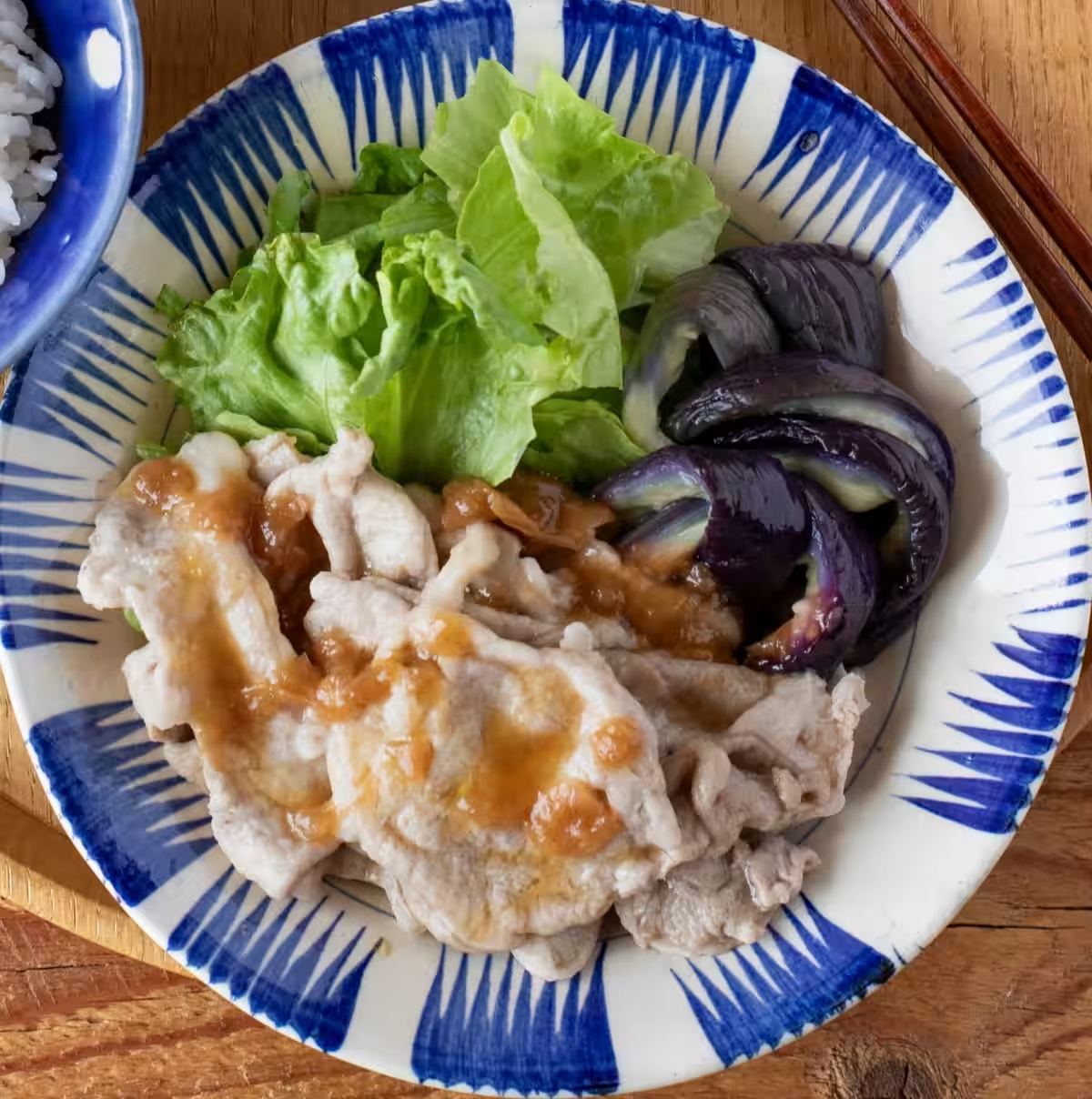
- - Microwave Pork with Steamed Eggplant: This dish utilizes pork for its Vitamin B1 content along with a refreshing touch from the eggplant, ideal for maintaining energy levels without feeling heavy.
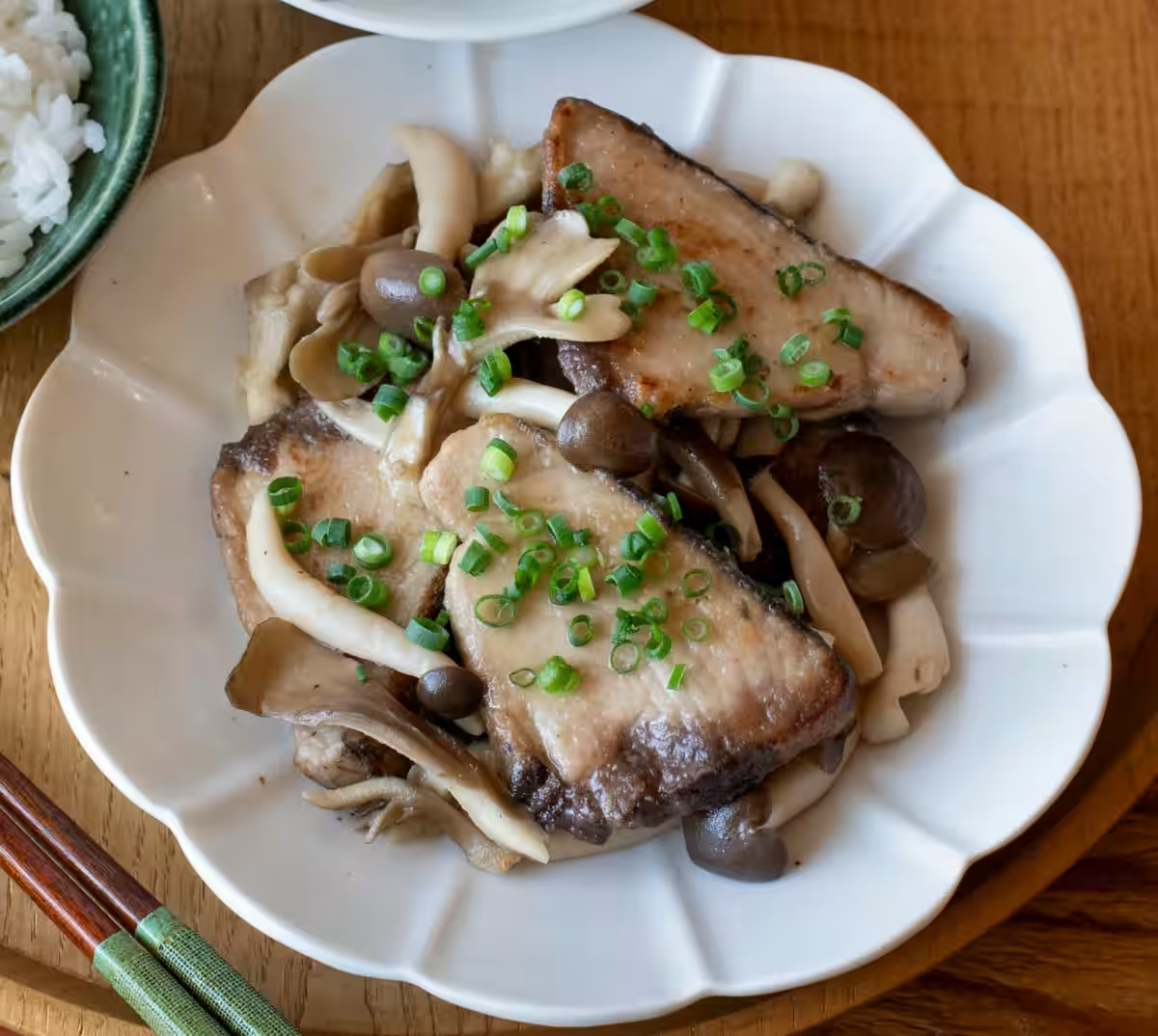
- - Marinated Bonito with Mushrooms: Rich in Vitamin B6 and protein, this quick and delicious recipe highlights the importance of including fish in summer diets.
Hydration Challenges
The survey revealed a striking concern regarding hydration: approximately 30% of participants reported consuming less than one liter of fluid daily. This is particularly troubling as hot weather increases dehydration risk. To combat this issue, nutritionists recommend staying ahead of thirst by drinking water consistently throughout the day. Varying beverage choices based on activities can aid in maintaining hydration effectively, especially when engaging in physical activities.
In conclusion, this year’s survey by Asuken lays bare the pressing issue of summer fatigue affecting a large percentage of individuals. By incorporating better nutritional practices and understanding local dietary preferences, users can combat the effects of summer fatigue more effectively. As the hot months continue, it is crucial for individuals to prioritize health and hydration to ensure a productive and enjoyable summer season.

Topics Health)

【About Using Articles】
You can freely use the title and article content by linking to the page where the article is posted.
※ Images cannot be used.
【About Links】
Links are free to use.