



Why the Shift from Premium Bread to Koppepan is Happening Now
The Shift from Premium Bread to Koppepan: An In-Depth Analysis
As the once-popular trend of premium bread fades, a newfound appreciation for Koppepan is taking center stage in Japan's bread culture. This article delves into the underlying factors that have led consumers to gravitate towards this affordable yet satisfying option amidst broader economic challenges.
1. The Collapse of the Premium Bread Bubble
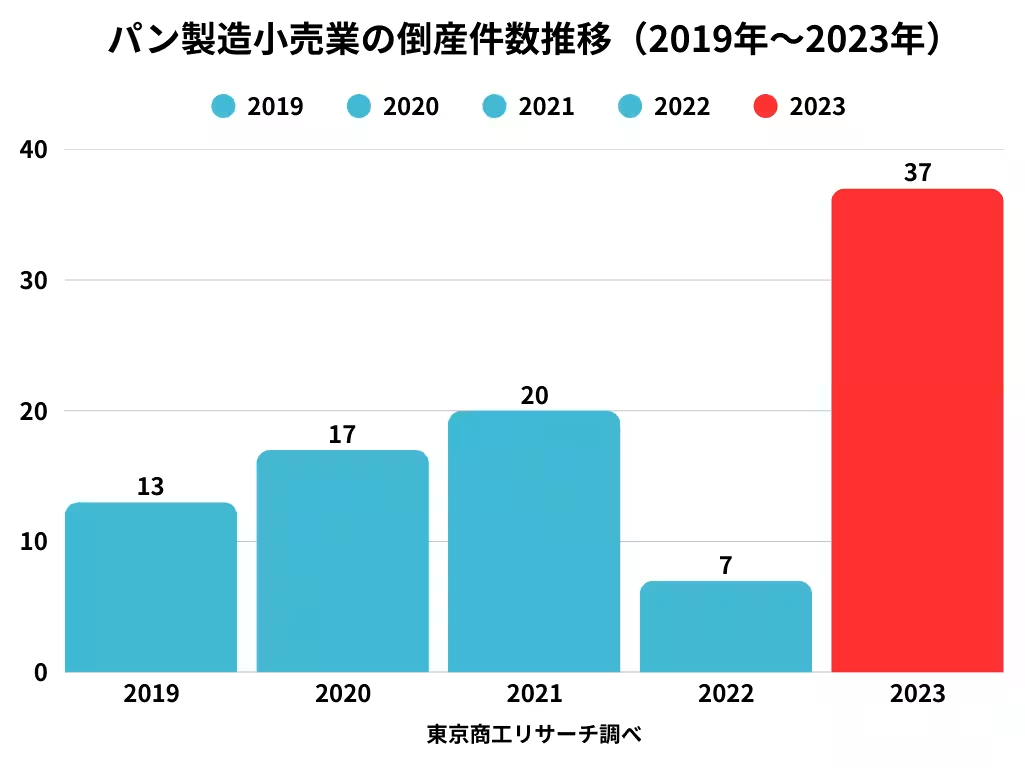
In recent years, Japan has witnessed a massive increase in bankruptcies within the bakery industry, attributed largely to the premium bread phenomenon. A staggering report from Tokyo Shoko Research noted that 2023 saw a record number of bankruptcies in the bread manufacturing retail sector, doubling since the previous year to 37 cases. The downfall can be traced back to the inability of many businesses to pass on the rising costs of raw materials and the decline in foot traffic as the novelty of premium bread wears off.
Before the pandemic, premium bread was the highlight of Japan’s bakery scene, creating long lines and dominating media headlines. However, the public's interest has now shifted, revealing a more profound market adjustment towards sustainable pricing.
2. A Shift in Consumer Preferences
Despite the fading interest in premium artisan breads, overall spending on bread has remained stable. According to data from Japan's Ministry of Internal Affairs and Communications, the critical shift lies in consumer priorities.
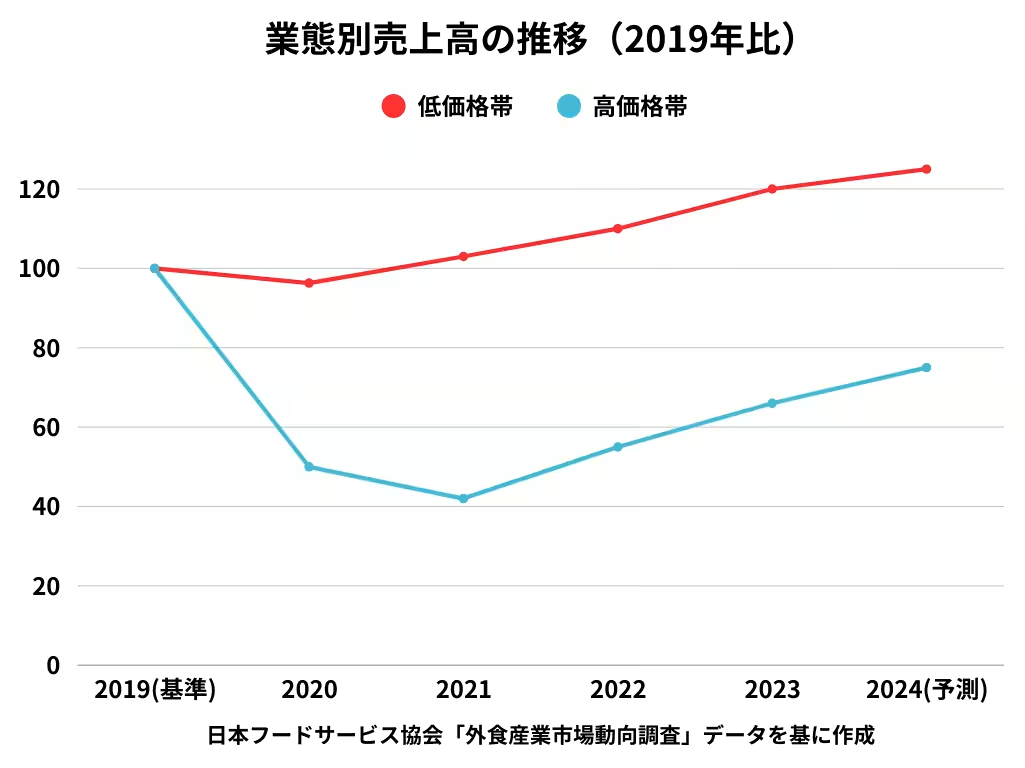
The Japan Food Service Association reports a clear trend toward cost-performance and daily food consumption, as consumers rethink their spending habits. In 2023, fast food and everyday meals saw a formidable growth rate of 120.5% compared to pre-pandemic figures, while premium dining establishments lagged behind at just 66.3%.
This transition indicates that consumers are opting for affordable yet satisfying meals like Koppepan, which cater to everyday needs over occasional splurges on premium products.
3. The Enduring Appeal of Koppepan
As smaller, traditional bakeries assert their presence in a tightly competitive market, the Koppepan franchise model is emerging as a viable business solution. The foundational aspects that contribute to its longevity include:
a. Versatile and Appealing Varieties
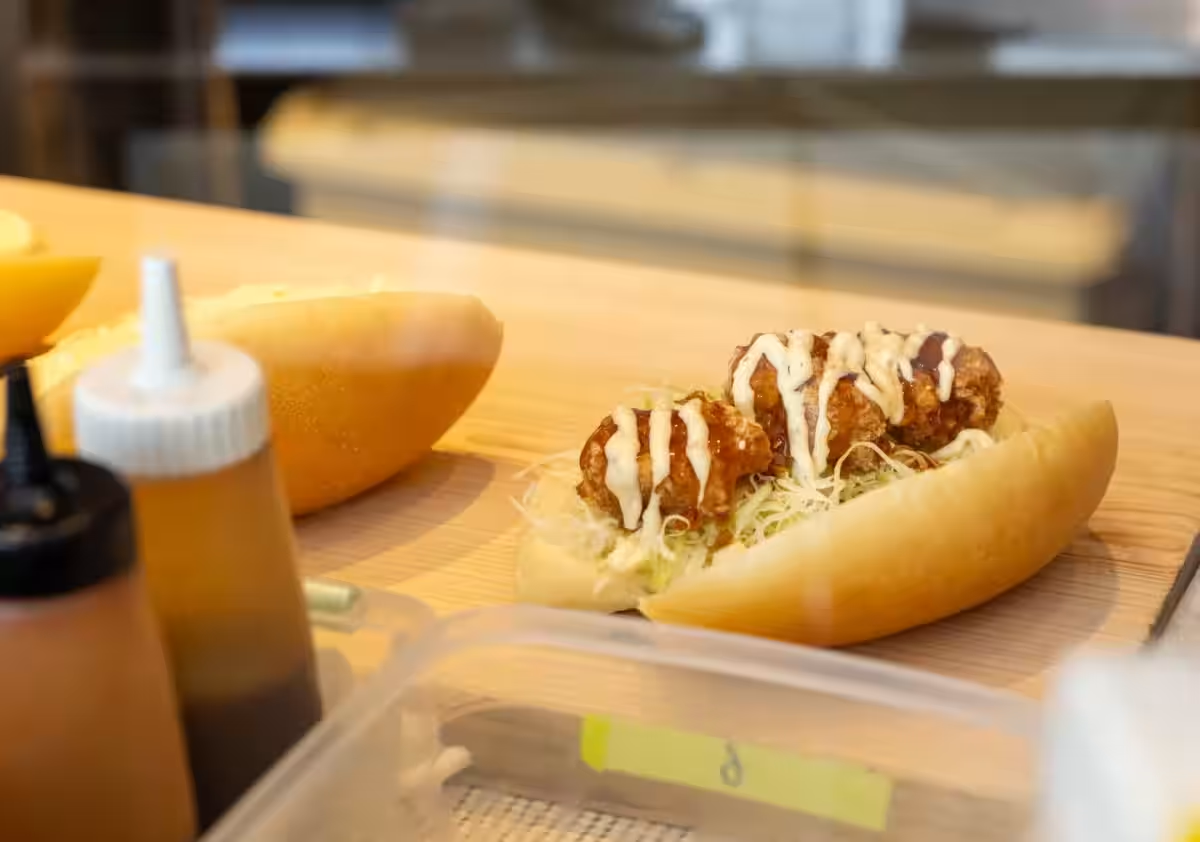
Koppepan's charm lies in its versatility; it serves as a platform for varying fillings and styles, ranging from savory lunch options to nostalgic fried varieties. Its adaptability allows customers to make repeat visits, decreasing the likelihood of market saturation since there are always new flavors to try.
b. A Low-Risk Franchise System
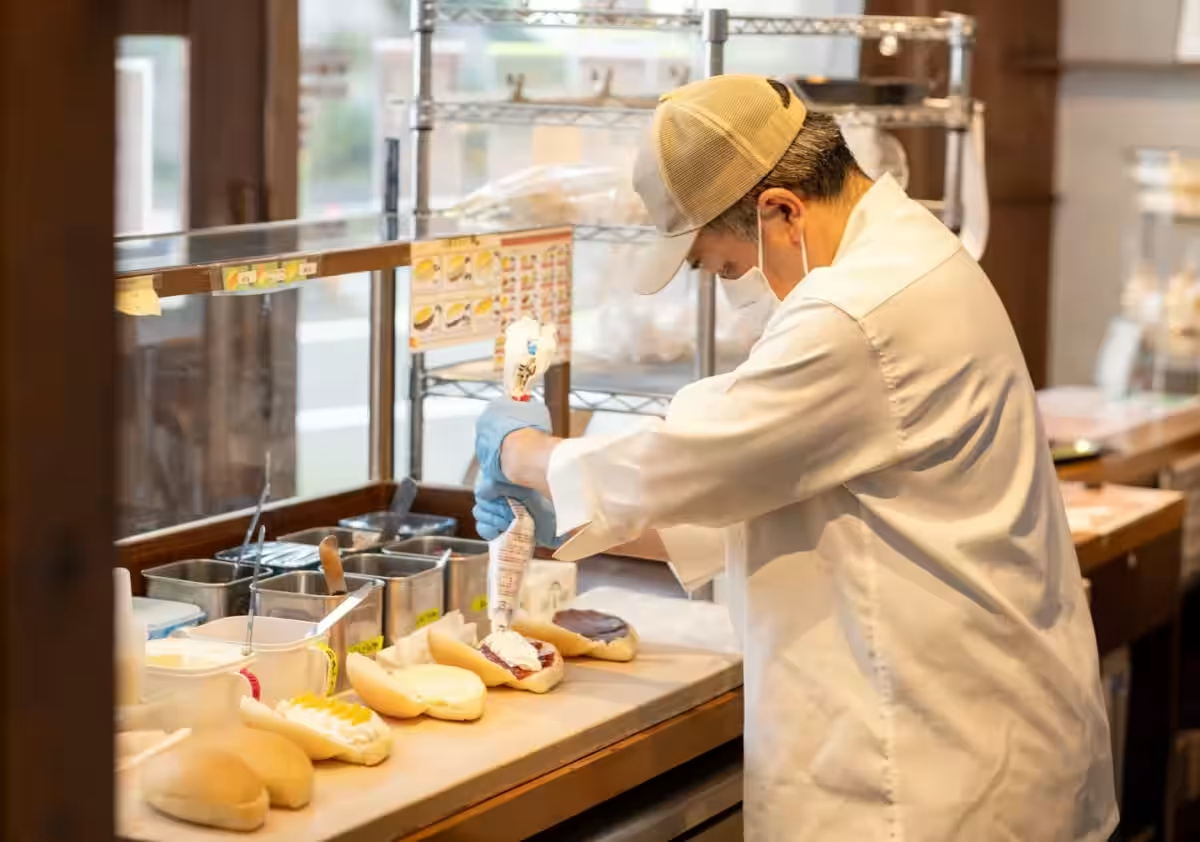
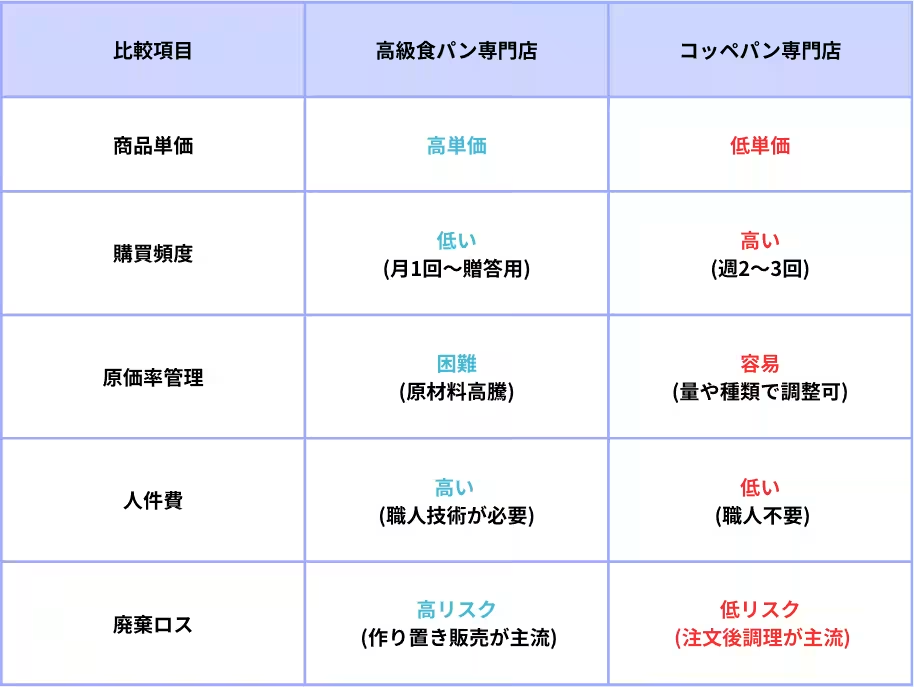
Traditional bakeries face challenges such as finding skilled workers and maintaining enthusiasm in a grueling work environment. In contrast, many Koppepan franchises utilize high-quality frozen dough delivered directly from their headquarters, circumventing the need for extensive baking skills.
These features minimize waste, allowing more profits while eliminating the dependency on highly skilled artisans, a consistent concern for smaller bakeries.
4. The Future of Daily Foods in a Changing Market
In conclusion, the flashy trend of expensive, high-quality loaves is being replaced by the humble yet deeply appreciated Koppepan, which represents stability in difficult times. As inflation persists and workforce shortages become commonplace, the need for sustainable and relatable food options underscores the enduring appeal of everyday alternatives.
As this analysis reveals, the Koppepan franchise embodies a valuable solution that offers both a sustainable business model and meets the pressing consumer demands for practical dining. The movement towards simpler, everyday foods is not only becoming popular but is presenting a potential cultural renaissance in Japanese cuisine, establishing Koppepan not just as a trend but as a staple in the nation's food heritage.
Topics Consumer Products & Retail)
【About Using Articles】
You can freely use the title and article content by linking to the page where the article is posted.
※ Images cannot be used.
【About Links】
Links are free to use.