



Job Research Examines 2025 Population Mobility Trends in Japan
Exploring the Trends of Population Mobility in Japan's Job Market
A recent study conducted by Job Research, a research arm of Persol Career Co., which offers job transition services like doda, indicates significant trends in professional preferences and relocation behaviors among Japanese workers. This analysis surveyed 461 working individuals across various age groups and income brackets about their job satisfaction, geographic preferences, and the impact of salary on their work location decisions.
Key Findings of the Survey
The survey, officially titled "2025 Population Mobility Trends," uncovered striking insights regarding where employees wish to work. Sixty-eight percent of respondents expressed a strong preference for the Tokyo metropolitan area as their ideal workplace, citing high salaries and diverse job opportunities as the main motivators. Here are some significant insights from the study:
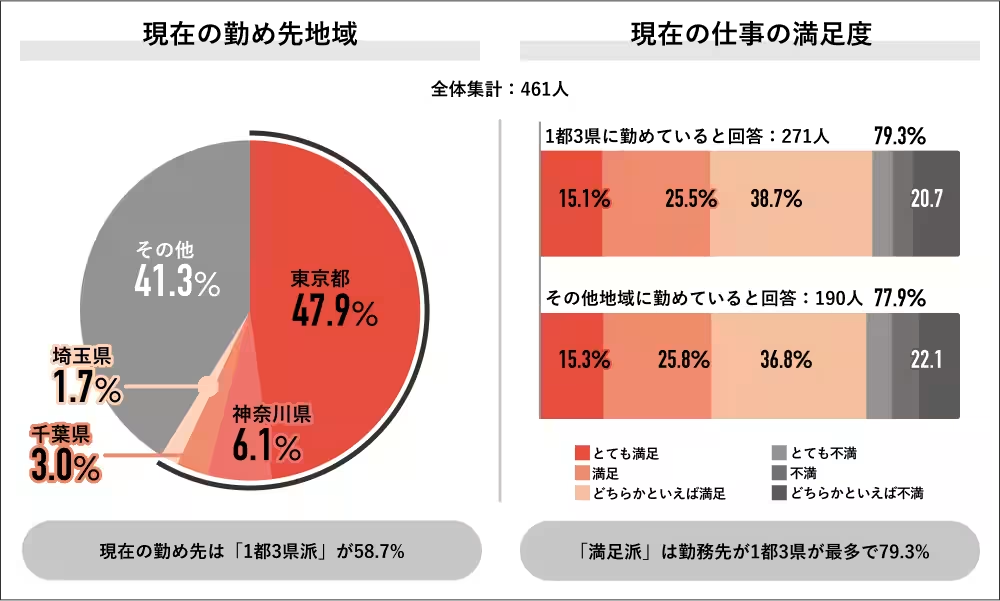
1. Current Employment Locations: Among the participants, over 58% work in the Tokyo metropolitan area, highlighting its dominance in Japanese employment. Specifically, 47.9% work in Tokyo, while 6.1%, 3.0%, and 1.7% work in Kanagawa, Chiba, and Saitama respectively.
2. Job Satisfaction: Despite the high cost of living in these areas, 79.3% of those working in the Tokyo metropolitan region reported satisfaction with their jobs, compared to 77.9% of those employed elsewhere.
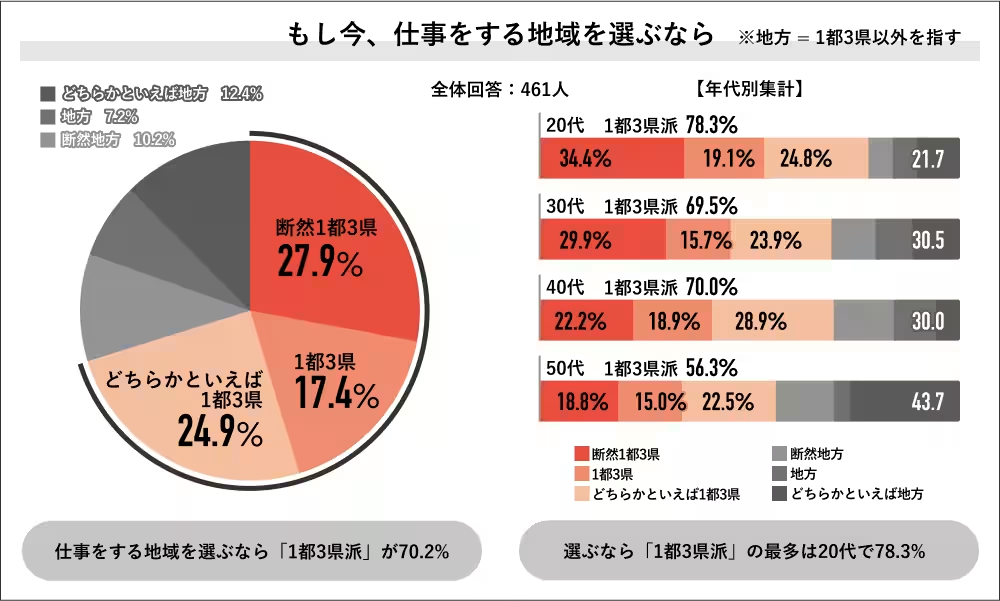
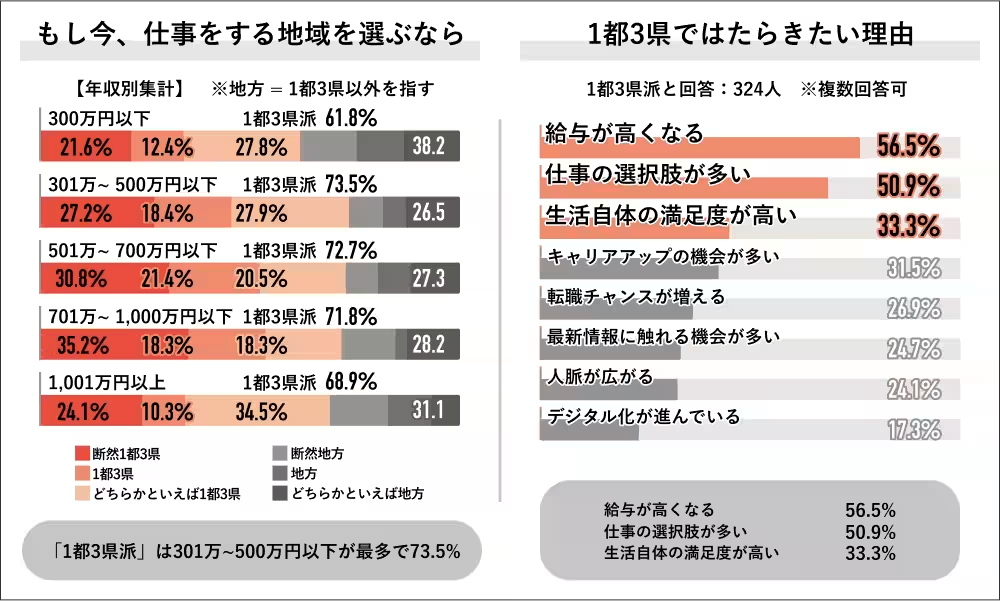
3. Future Preferences in Job Location: When asked about their preferences for future job locations, an impressive 70.2% indicated they would choose the Tokyo area, with the strongest preferences noted among those in their 20s. However, as age increased, a shift toward preferring regional employment options was observed.
4. Influence of Salary on Location Choices: The desire to work in Tokyo is most pronounced among those earning between ¥3 and ¥5 million, with 73.5% of this income group preferring the capital for its higher salaries and numerous job options.
Relocation and Responses to Job Transfers
The survey delved into how employees respond to potential job transfer orders:
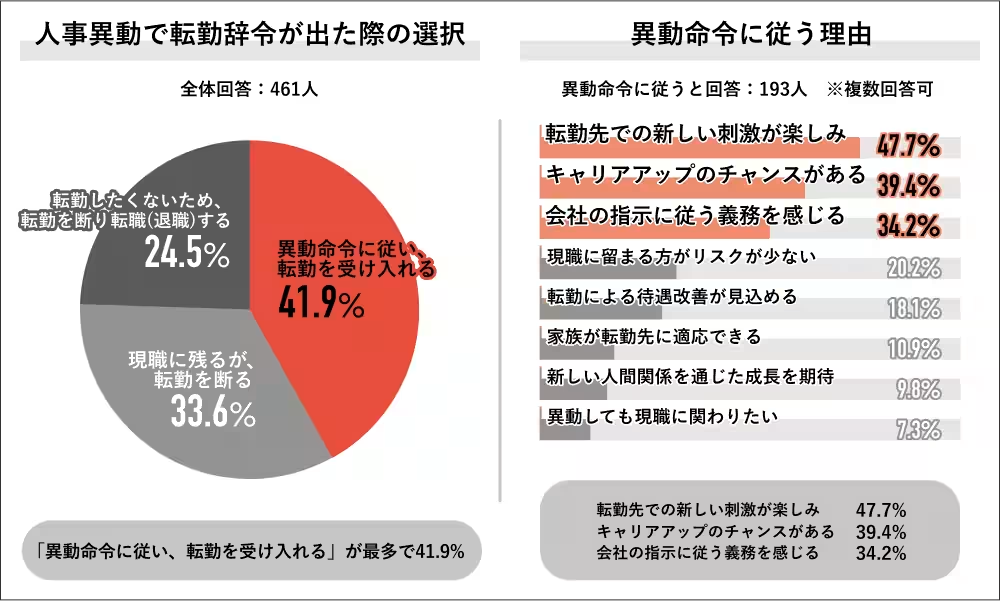
- - Acceptance of Transfers: In the case of being issued a transfer order, 41.9% of respondents stated they would comply, viewing it as an opportunity for new experiences and career advancement.
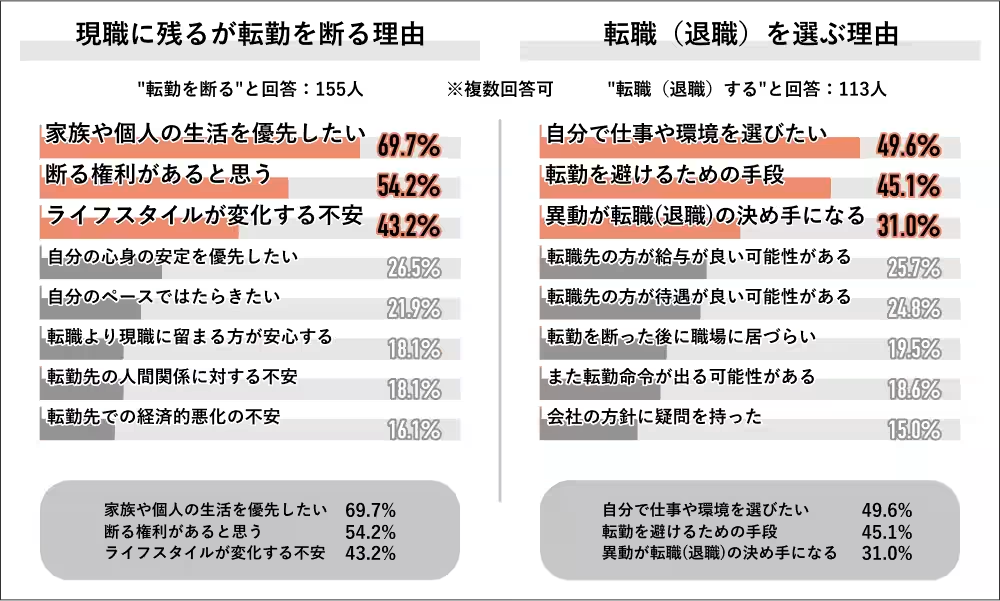
- - Resistance to Transfers: Conversely, 33.6% would refuse the transfer, primarily to prioritize personal or family considerations. Furthermore, around 24.5% indicated they would rather resign than relocate.
Rationale Behind Job Change Decisions
The reasons outlined by those who would refuse transfers largely emphasize family priorities and the desire to maintain a stable lifestyle. Comments from participants indicated a growing awareness of the need to balance work obligations with personal life, especially as costs of living rise in metropolitan areas.
Interest in Relocation with Financial Support
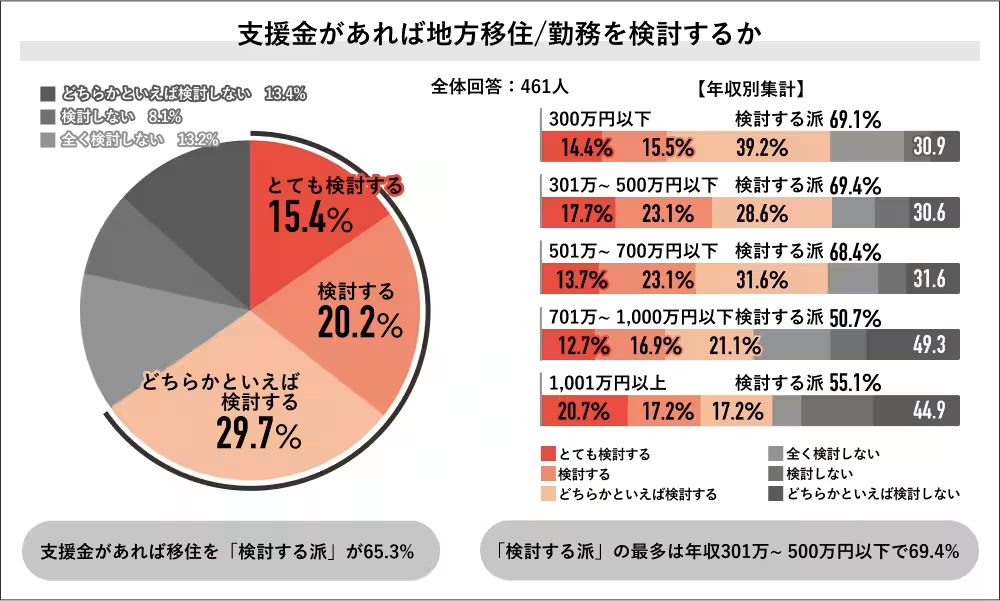
Interestingly, the results show that if financial assistance were available, 65.3% of respondents would consider moving to a regional area. This inclination was particularly prominent among those earning between ¥3 and ¥5 million, with figures indicating that lower-income individuals are more open to relocating for economic benefits.
Conclusion of the Study
In conclusion, this comprehensive survey highlights a significant inclination among Japanese professionals for the Tokyo metropolitan area due to salary potentials and job diversity. However, as pressures from high living costs mount and work-life balance becomes increasingly critical, a growing number of workers are considering the possibility of moving to regional areas, especially if financial incentives are provided. These trends indicate a complex interplay between job satisfaction, economic motivations, and personal priorities that define the present landscape of Japan’s workforce.
With the ongoing monitoring of population mobility patterns, Job Research aims to provide insights that can drive better understanding and improvement of the workforce landscape in Japan. By continuously investigating these dynamics, the organization hopes to support a future where individuals can achieve both career success and personal fulfillment.


Topics Business Technology)
【About Using Articles】
You can freely use the title and article content by linking to the page where the article is posted.
※ Images cannot be used.
【About Links】
Links are free to use.