



Shifting Demographics: The Surge of Foreign Workers in Japan's Auto Industry
Introduction
In a recent study conducted by Apti, the company behind the automotive job site Carwork, significant changes are occurring in Japan's automotive repair industry. With a focus on employment data from 2022 to 2025, the research highlights that approximately 20% of job seekers in the automotive sector are foreign nationals. This shift may have profound implications for an industry facing urgent workforce shortages.
Overview of the Automotive Repair Industry
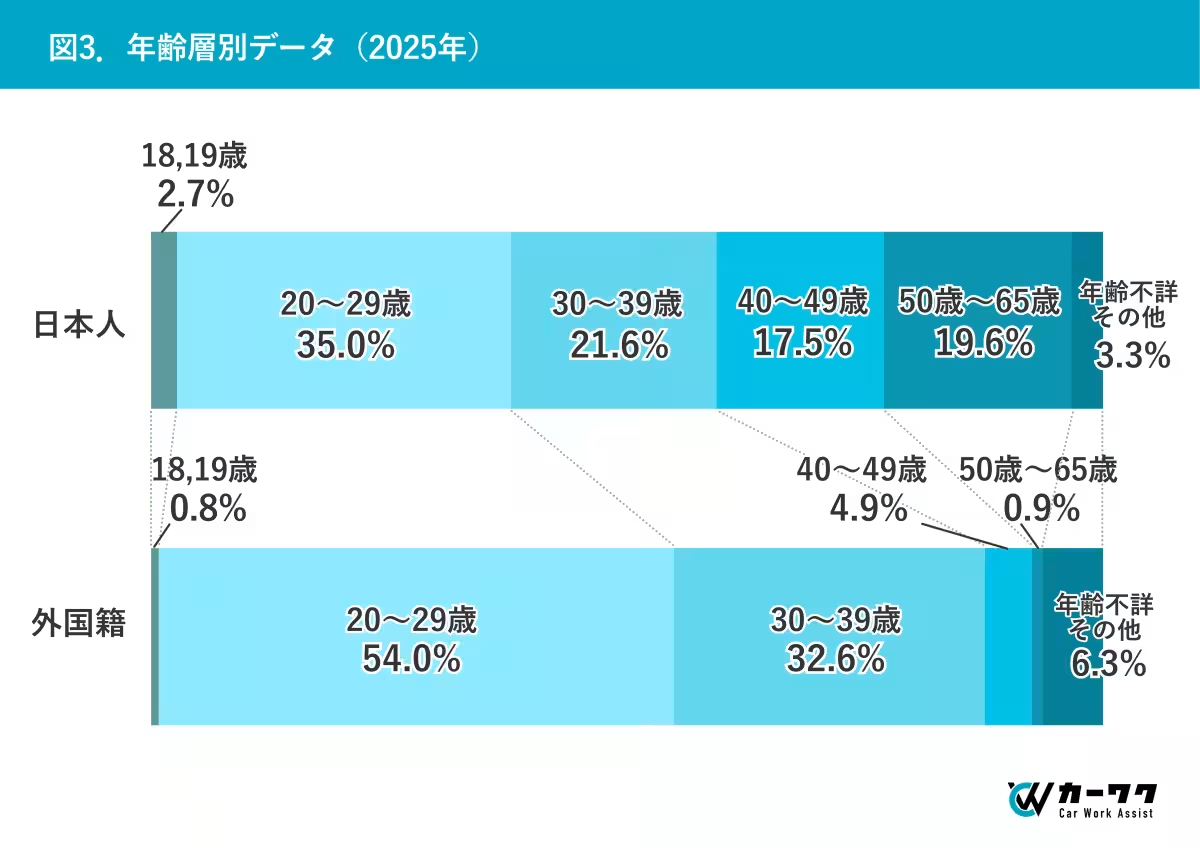
The average age of auto mechanics in Japan exceeds 50, indicating a pressing challenge as the workforce ages. In response to this reality, the recruitment of foreign labor has become a vital solution. The study, based on 11,689 career consultation cases, reveals that the proportion of foreign job seekers has doubled in the past three years. Additionally, 51.5% of these individuals hold national qualifications, and a remarkable 90% are under the age of 39.
Key Findings
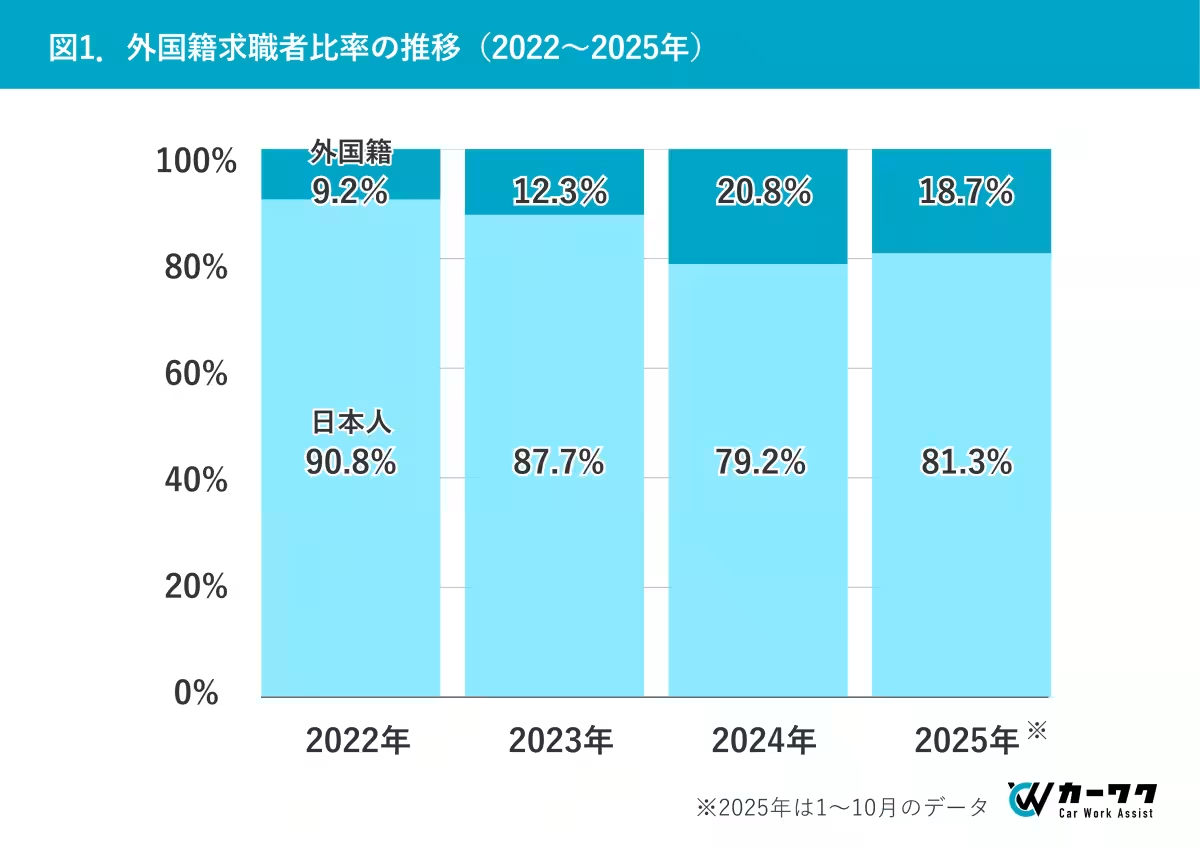
1. Market Trends: Approximately one in five job seekers in the automotive repair field is a foreign national, with their numbers surging by twofold over three years.
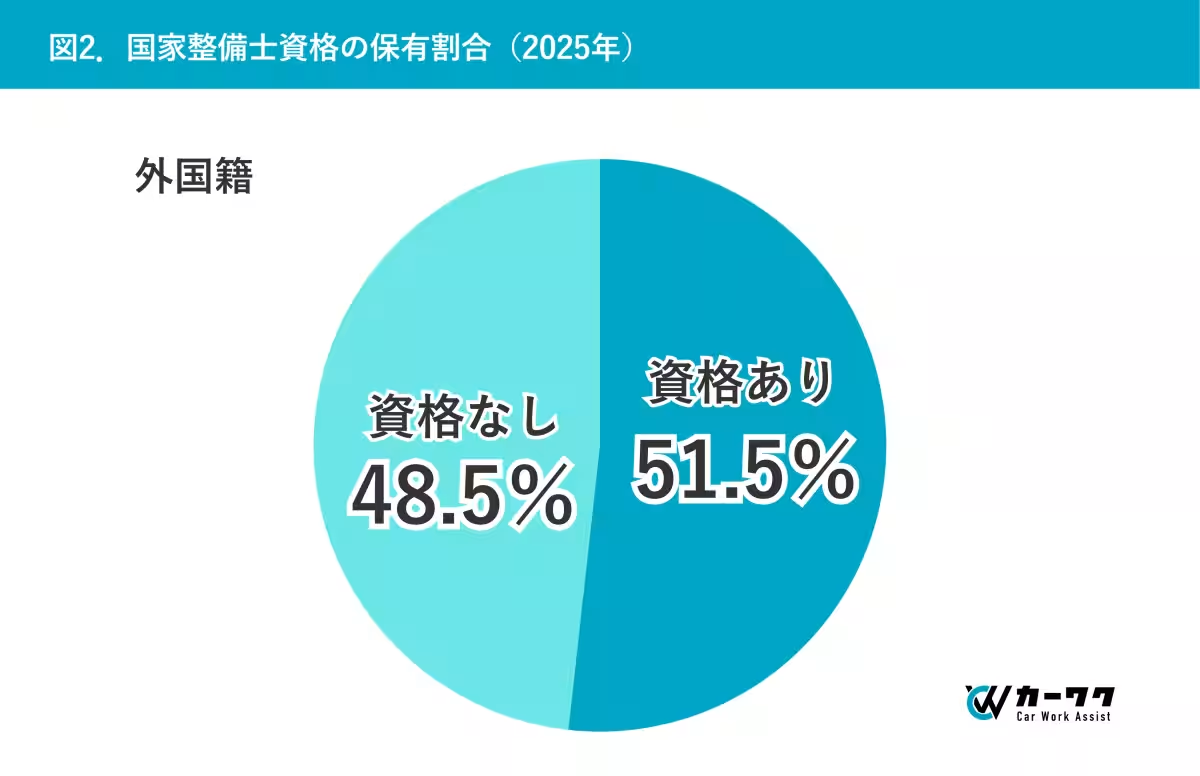
2. Qualifications: More than half of foreign applicants possess national mechanic qualifications.
3. Age Demographics: Around 90% of foreign job seekers are under 39, indicating a potential rejuvenation of an aging workforce.
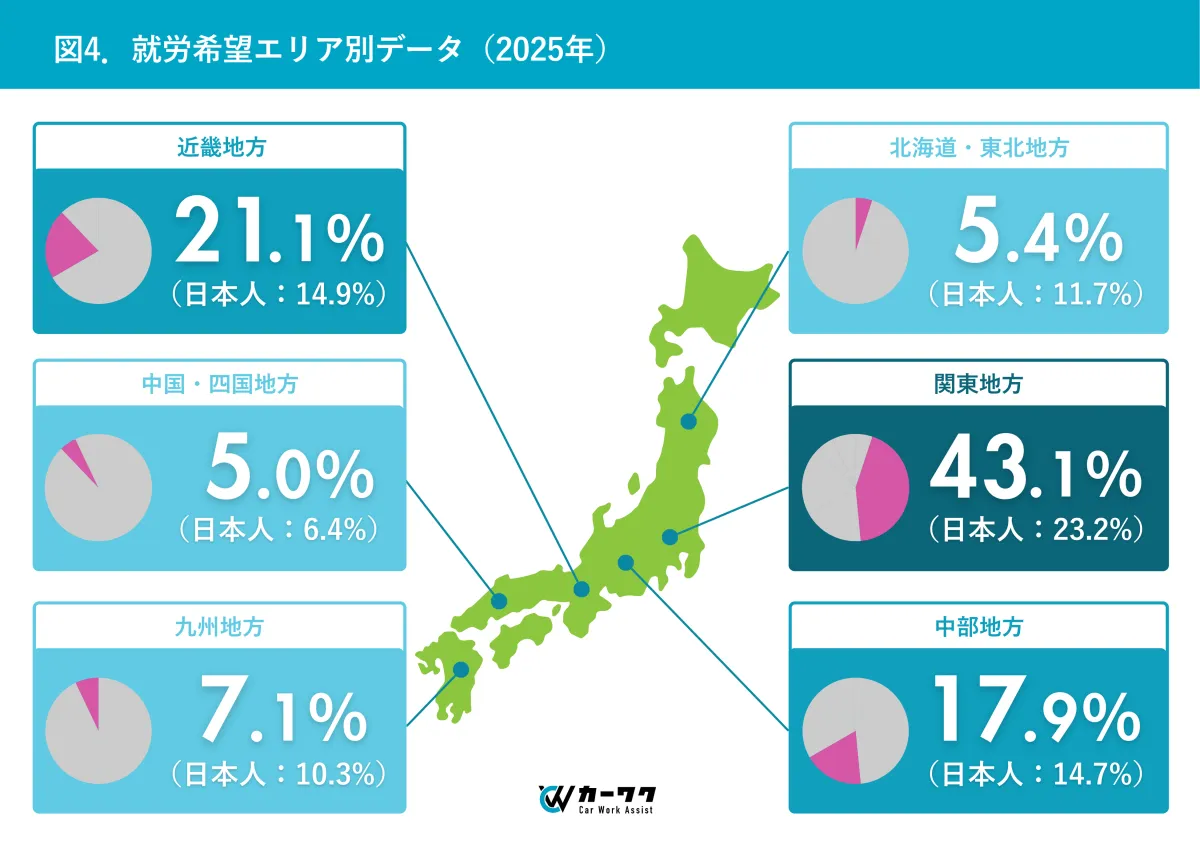
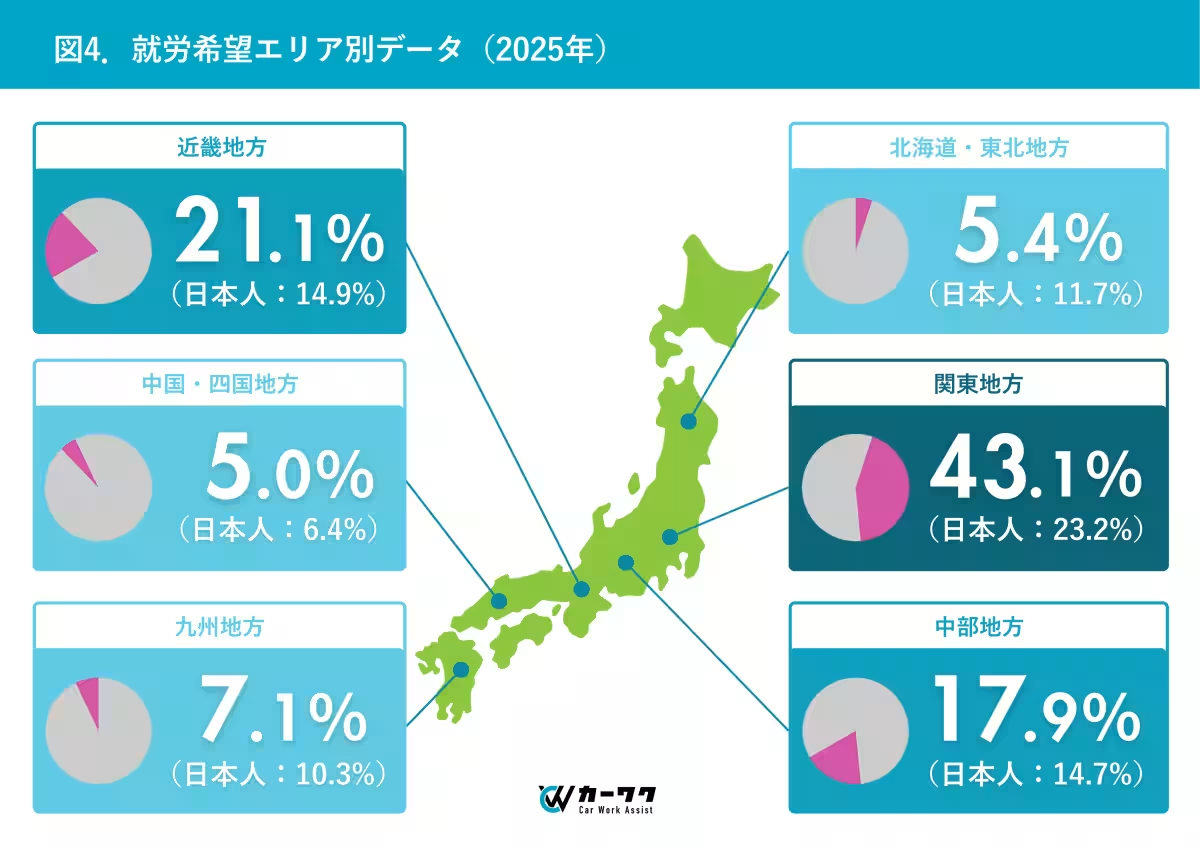
4. Regional Preferences: Most foreign candidates prefer to work in the Kanto region, highlighting challenges in accepting foreign workers in rural areas.
The Rise of Foreign Job Seekers
The data indicates a notable increase in the percentage of foreign job seekers, jumping from 9.2% in 2022 to 20.8% by 2024. While this figure dipped slightly in 2025, it remains significantly high, demonstrating a continuous interest and influx of foreign mechanics.
Holding National Qualifications
A major highlight of the research is that 51.5% of foreign applicants already possess national qualifications, positioning them as immediate assets to prospective employers. This equips them with hands-on experience and necessary skills, providing the auto repair industry with a robust talent pool ready to contribute from day one.
Age Distribution Insights
While the general workforce in Japan consists of a significant number of individuals aged between 50 and 65, foreign mechanics are primarily young, with approximately 55% below 29 years of age. This paves the way for a younger workforce to replace an aging demographic, vital for the industry's sustainability.
Regional Employment Trends
The study reveals that over 40% of foreign mechanics prefer jobs in major urban areas, particularly in Kanto, Kinki, and Chubu regions. Local acceptance hurdles and limited job opportunities in rural areas contribute to this trend, driving many to seek employment in regions where they have established networks or close social ties.
Future Outlook: A Competitive Landscape
With the high qualifications and competencies of foreign mechanics, a competitive hiring landscape is emerging. More than half of the foreign candidates seeking opportunities are already skilled professionals, searching for equitable compensation and a conducive working environment similar to their Japanese counterparts.
Addressing Challenges in the Workplace
As many foreign job seekers hold qualifications, they present less of a challenge in technical proficiency but may face integration hurdles. Post-hire, the focus must shift from skills training to employee retention and workplace satisfaction. Organizations are thus encouraged to foster cultural understanding and offer clear career advancement paths to keep these skilled workers engaged and minimize turnover.
Opportunities for Rural Auto Repair Shops
The trend of urban-centric hiring raises questions for rural businesses. To remain competitive, local firms must enhance their appeal by offering more than just salary incentives. Successful examples include companies providing housing assistance or mentorship programs with fellow nationals, creating a sense of community and stability that attracts foreign workers.
The Role of Apti in Workforce Bridging
Apti, through Carwork, extends its mission beyond simple job placements. Collaborating with Apti Global, the company is dedicated to supporting foreign workers in settling in Japan and ensuring their successful integration into the workforce. The aim is to contribute positively to alleviating the shortage of skilled mechanics across the automotive industry.
About Carwork
Launched in 2017, Carwork aims to solve workforce shortages in the automotive sector, creating a platform that benefits both companies and job seekers. With a commitment to free service from job posting to hiring, it has facilitated many successful placements in automotive positions.
Key Features of Carwork
1. Extensive Job Listings: Carwork offers a wide array of job opportunities, from mechanics to various roles within the automotive after-market.
2. Cost-Free Services: All services, including job posting and hiring processes, come at no cost to users, making it accessible for businesses and job seekers alike.
3. Industry-Specific Design: The platform is tailored to meet the unique requirements of the automotive sector, enhancing the match between job seekers and employers.
Conclusion
The increasing presence of foreign talent in Japan's automotive repair industry heralds a pivotal transformation. By adapting to these changing dynamics, companies can both address their staffing challenges and enhance the quality of service in the automotive sector, ultimately contributing to a more vibrant and sustainable industry.

Topics Consumer Products & Retail)
【About Using Articles】
You can freely use the title and article content by linking to the page where the article is posted.
※ Images cannot be used.
【About Links】
Links are free to use.