



Survey Reveals Budget Management Risks Associated with Excel Use in Companies
The Challenges of Budget Management with Excel: Risks and Inefficiencies
In a recent survey carried out by SmartCamp, which operates the SaaS comparison site BOXIL, the limitations of using Excel for budget management have come to light. The study involved 646 individuals employed in budget management roles who rely primarily on Excel for their reporting and analysis tasks.
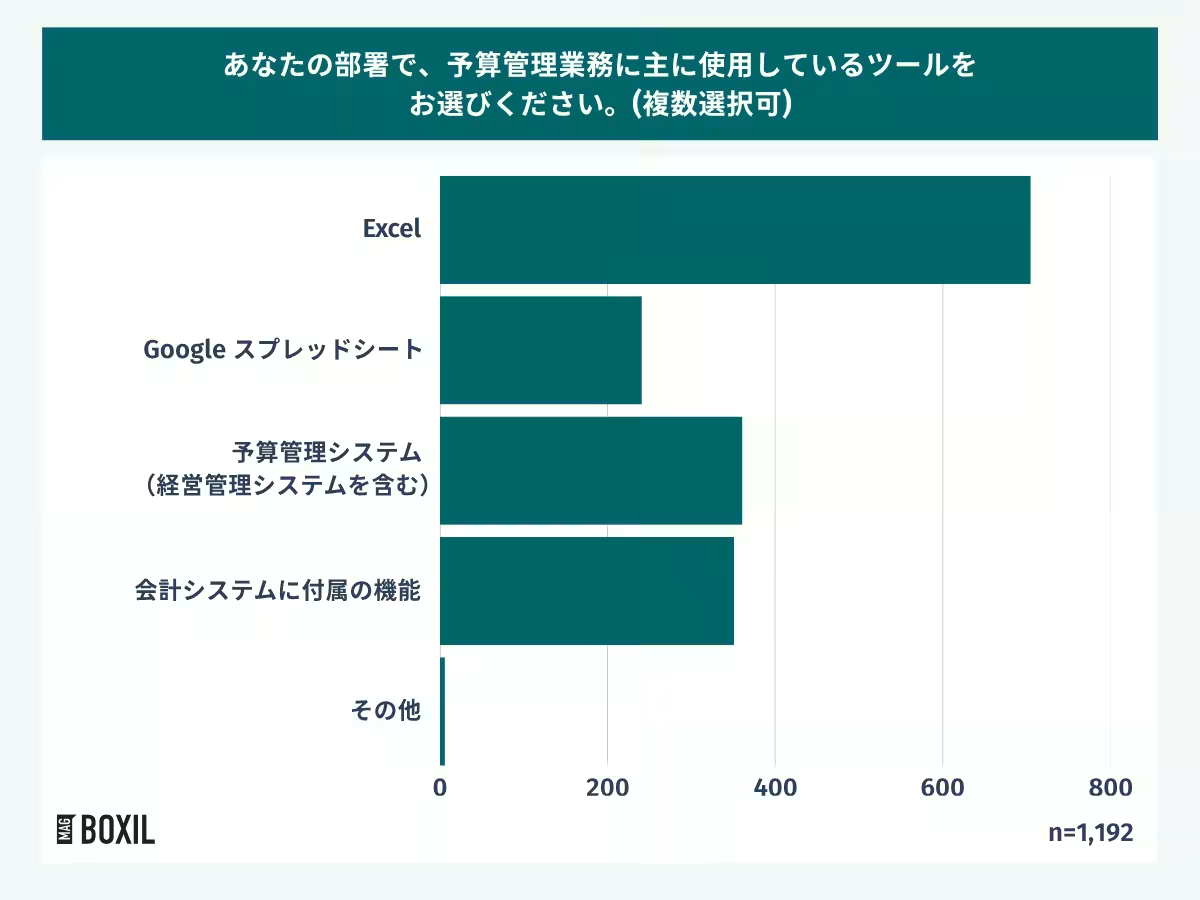
The survey found that a significant percentage of companies, specifically 59.1%, utilize Excel as their main tool for budget management, with 36.7% relying exclusively on Excel without any additional software support. This highlights a reliance on a tool originally designed for data processing rather than comprehensive budget management.
Time-Consuming Data Processes
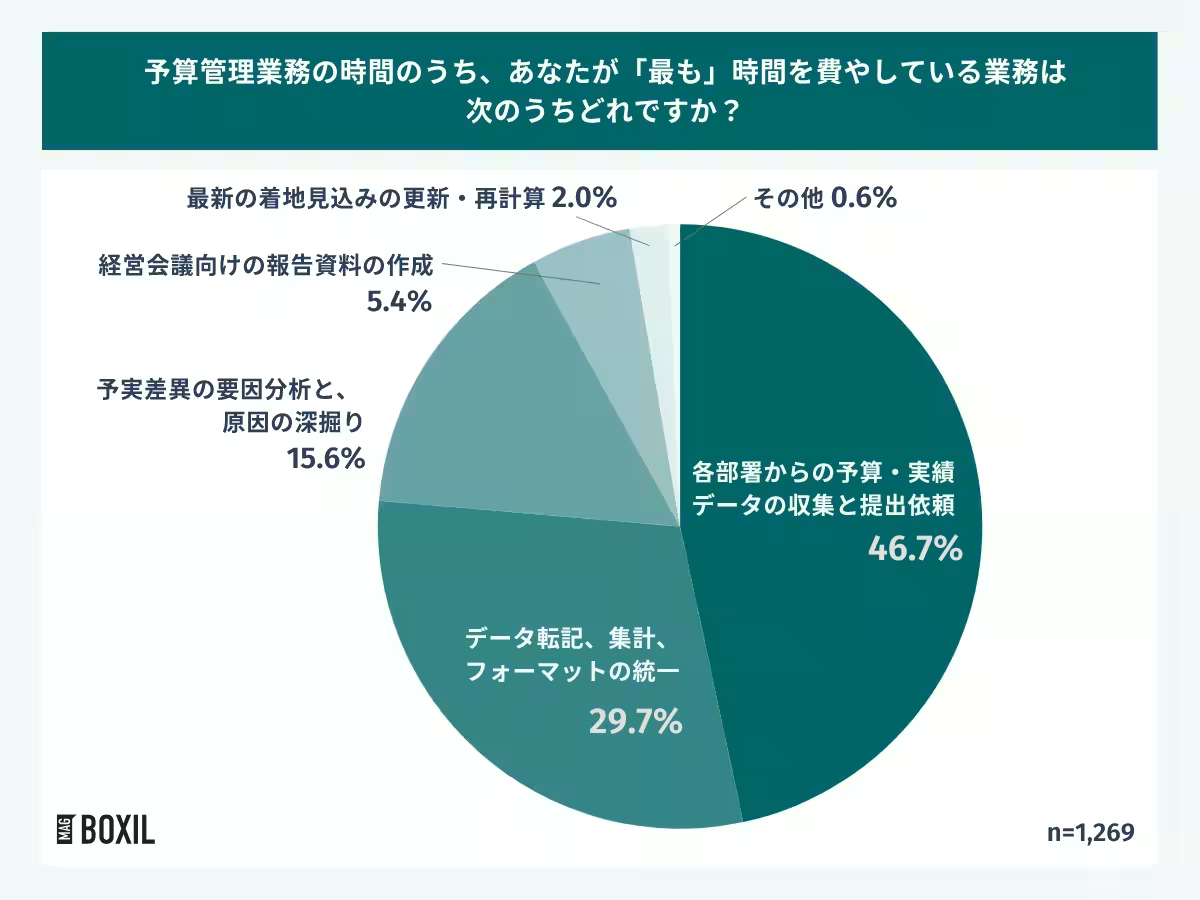
The study also showed that 76.4% of professionals using Excel spend excessive amounts of time on basic data tasks such as collecting information and preparing reports. The frontline challenges are evident: 46.7% reported that the most time-consuming part of their job involves gathering data from various departments, while another 29.7% cited the lengthy process of data entry, summarization, and standardization of formats. _This leads to only 15.5% of managers having the time to analyze deviations from expected financial outcomes._
Concerns Over Accuracy and Management Decisions
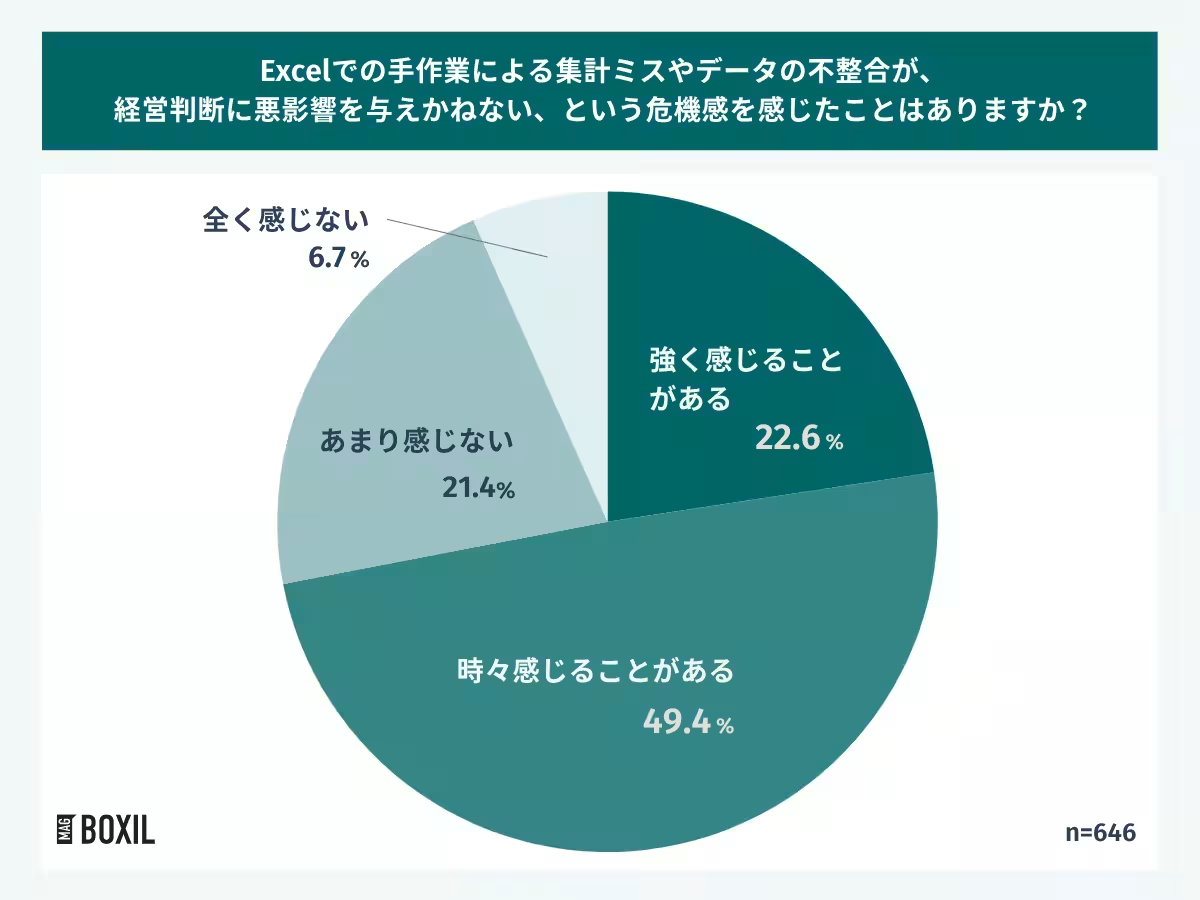
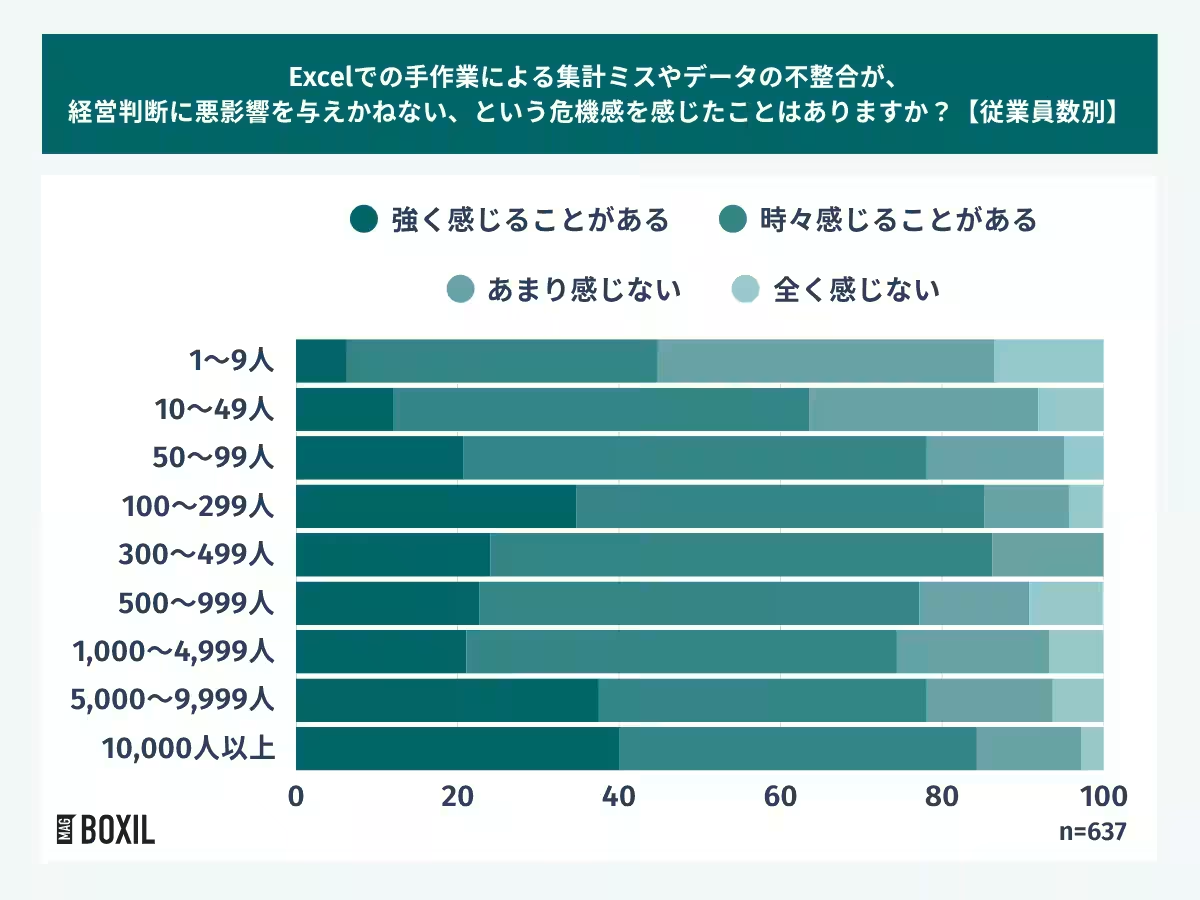
A staggering 72.0% of budget managers expressed concerns that inaccuracies resulting from manual Excel operations could negatively impact management decisions. This apprehension grows stronger in larger organizations, where 80% of budget professionals at companies with more than 50 employees reported feeling this caution, underscoring the critical nature of this issue. Negative outcomes include serious operational mishaps like inconsistent revenue reporting due to calculation errors, which have been recurrent experiences among users of Excel for budget management.
Real-Life Examples of Excel Failures
Participants shared alarming anecdotes where failures in Excel directly affected business decisions. Instances such as erroneously reporting figures for an extended period or miscalculating aggregated data demonstrate the tangible risks associated with relying solely on spreadsheets for such crucial tasks. One individual recounted submitting flawed data for months due to unnoticed discrepancies in formulas, underscoring the potential for detrimental impacts on financial forecasts and company strategy.
Complexities Leading to Increased Risks
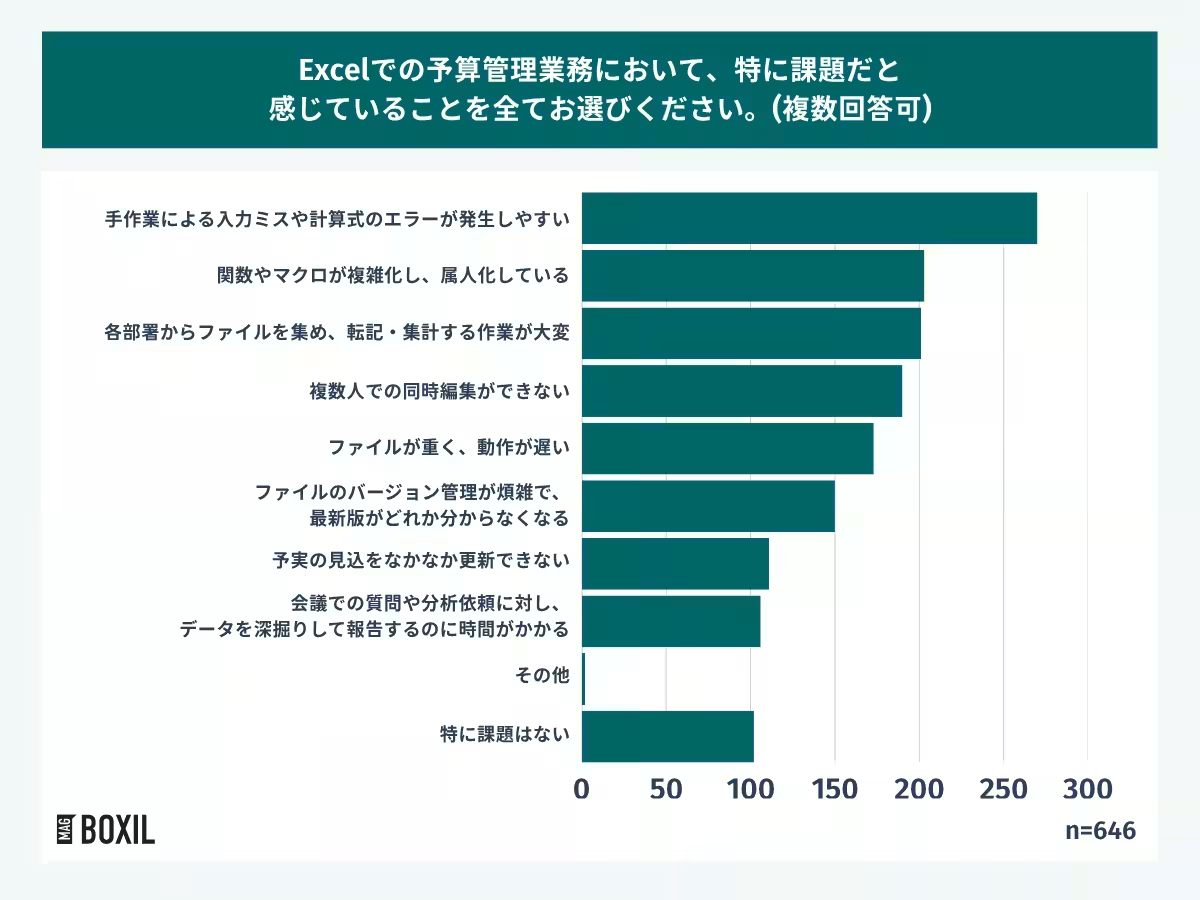
The survey's results indicated that the main hurdles associated with using Excel for budget management are linked to manual input errors, complexity in formulas and macros, and difficulties in collating data from multiple departments. These issues collectively lead to excessive workload on budget professionals, reducing their capacity to engage in strategic analysis.
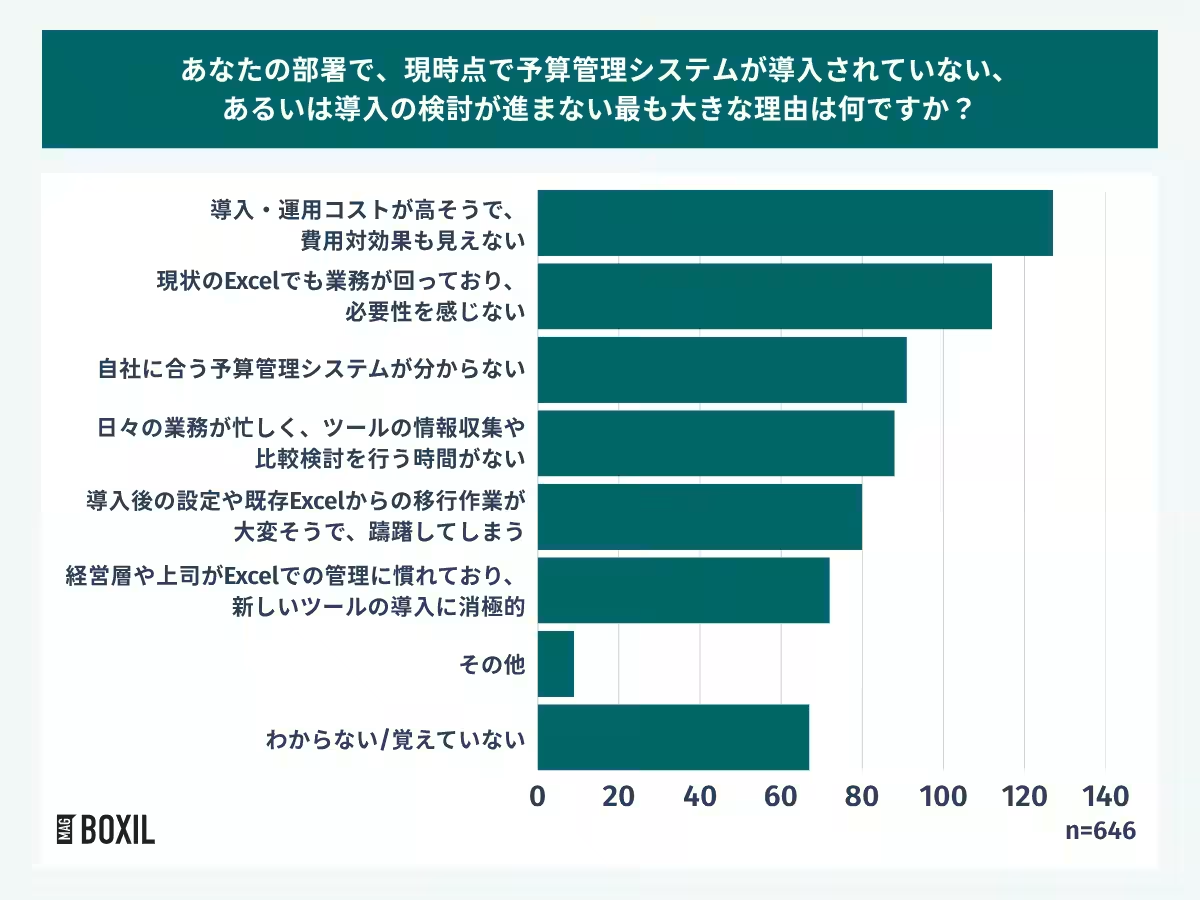
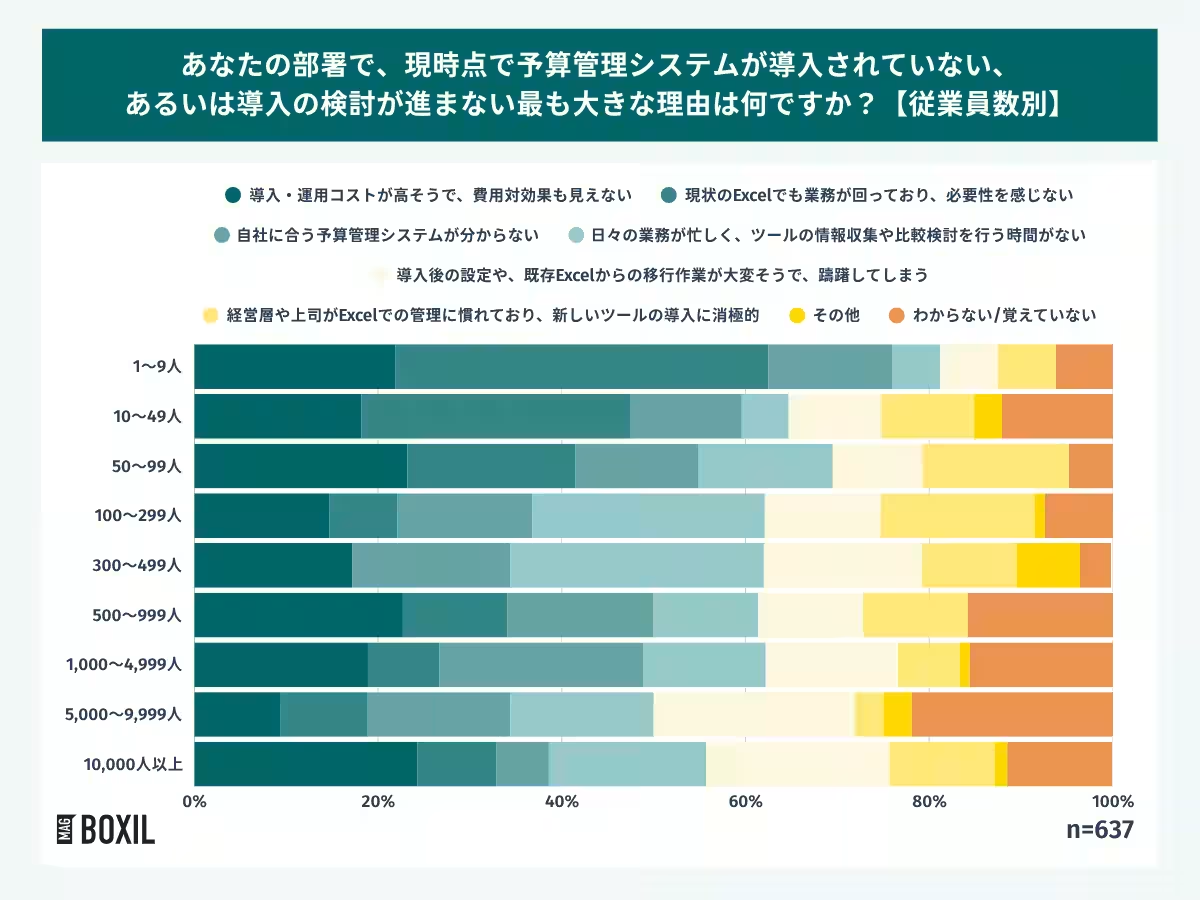
Furthermore, when queried about the reluctance to shift to dedicated budget management systems, over 20% noted concerns over high implementation costs versus perceived benefits as the main deterrent. Other factors included the comfort of existing processes using Excel, and a lack of available time to explore new systems, particularly among larger firms.
The Need for Systematic Change
The results of this survey reveal a pressing need for organizations to reconsider their approach to budget management tools and systems. The increasing complexity and dependency on Excel illustrate broader risks that could threaten financial decision-making integrity.
SmartCamp emphasizes the importance of assessing and selecting the right tools for financial management and encourages companies to explore systemic changes that could lead to better outcomes. With BOXIL’s resources, organizations can benefit from comparative reviews, ensuring informed decisions aligned with their business needs.
To read more about this comprehensive study and find useful tools for efficient budget management, visit BOXIL.
Topics Business Technology)
【About Using Articles】
You can freely use the title and article content by linking to the page where the article is posted.
※ Images cannot be used.
【About Links】
Links are free to use.