



New Skills Acquired Through 'Oshi Katsu': A Study of Gen Z
New Skills Acquired Through 'Oshi Katsu': A Study of Gen Z
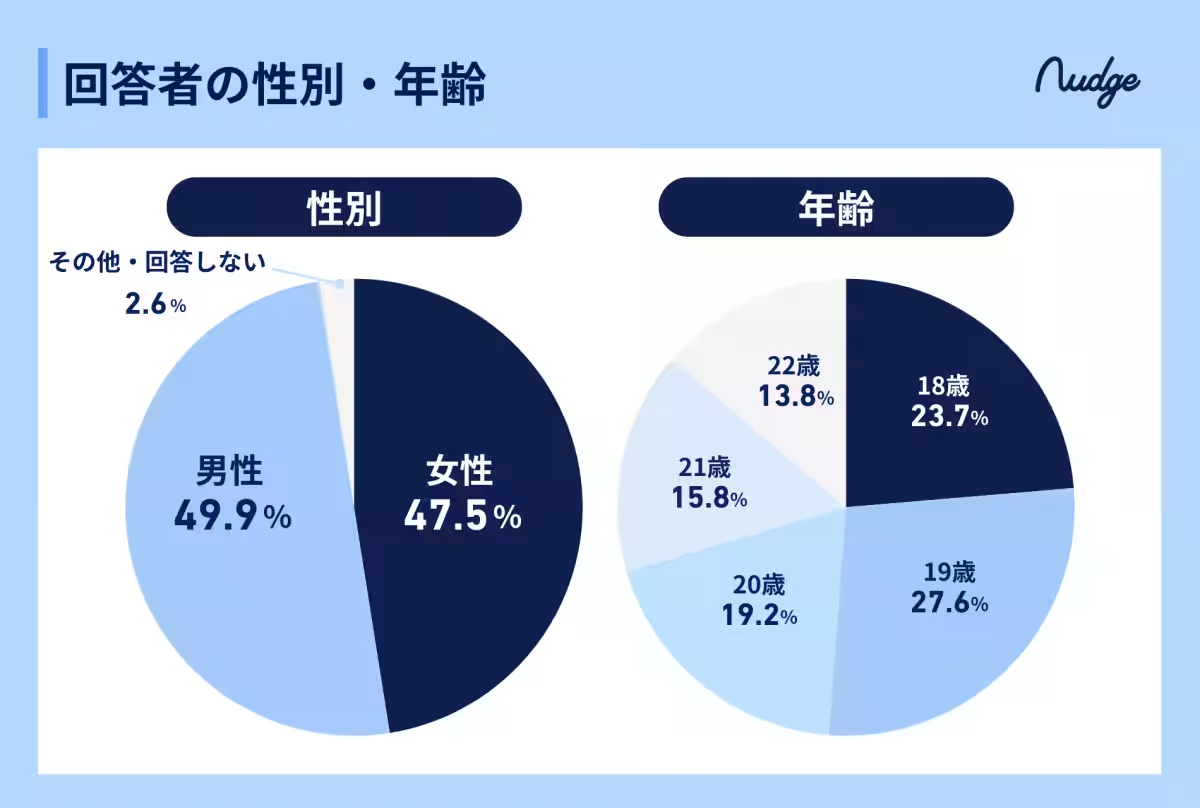
In the realm of Gen Z, a striking 86% of respondents involved in 'Oshi Katsu'—the act of passionately supporting an idol or favorite brand—claim that they have developed new skills through these activities. This insight emerges from a recent survey conducted by Nudge, a company based in Chiyoda, Tokyo, which gathered 1,200 members aged 18 to 22 from its next-generation credit card service, Nudge Card. This survey reveals how engagement in 'Oshi Katsu' extends far beyond mere consumption and fosters essential skills like information gathering and planning, positively impacting their real-life and job-hunting endeavors.
Understanding 'Oshi Katsu'
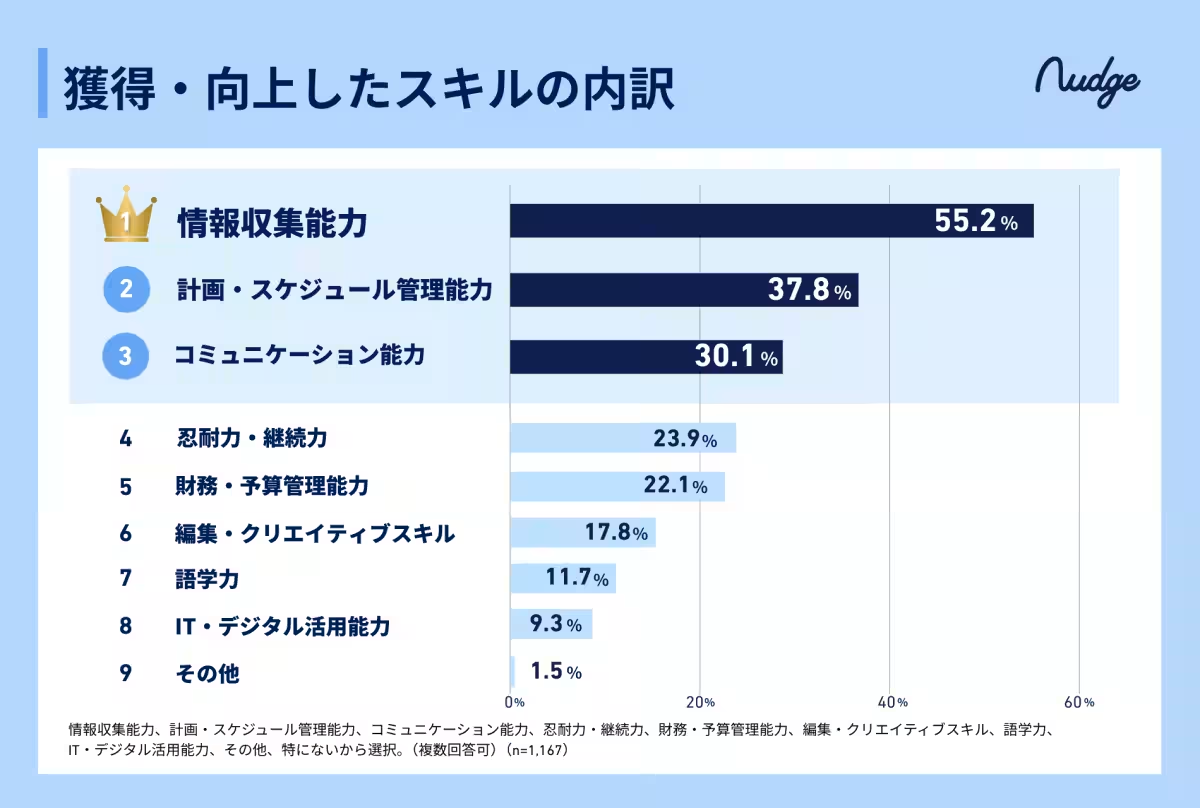
'Oshi Katsu' is not just a hobby but has become a cultural phenomenon among the youth. With the aid of Nudge, researchers were able to investigate how these activities translate into skill development that could benefit participants in various aspects of their professional lives. Over 85.8% of young participants reported acquiring at least one new skill, with information-gathering and planning skills ranking high among the reported abilities.
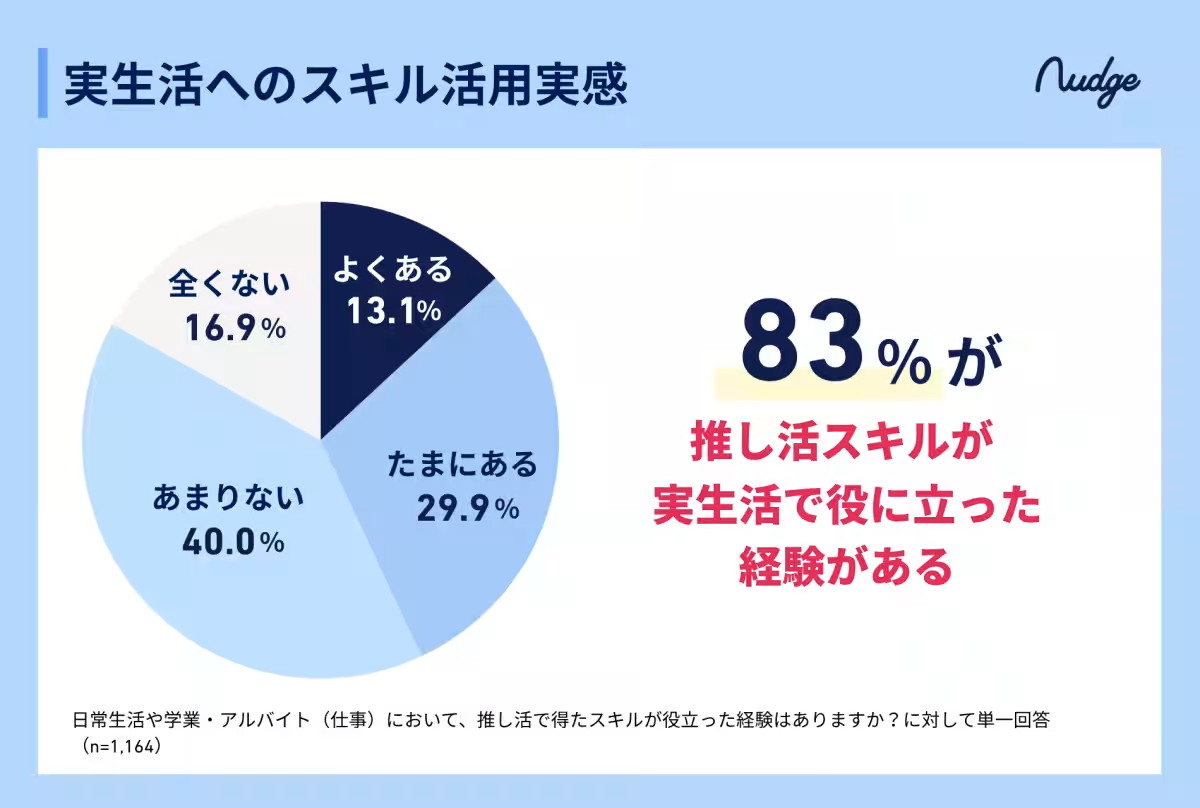
The survey also noted that while 40% of respondents utilize these skills infrequently, young professionals who engage in 'Oshi Katsu' seem to use their acquired skills more actively in work scenarios. The results hint at a fundamental shift where personal interests can enhance professional capabilities, preparing the upcoming generation for the workforce in an innovative way.
Impact on Education and Motivation
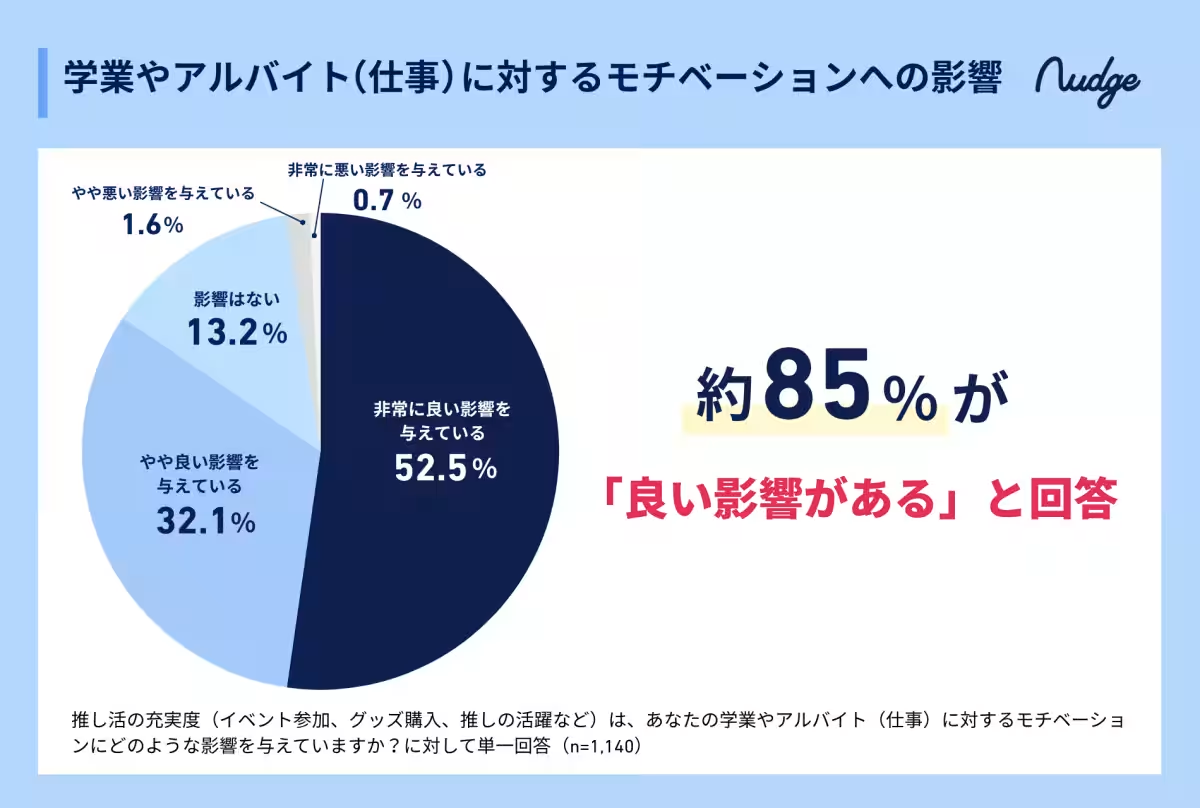
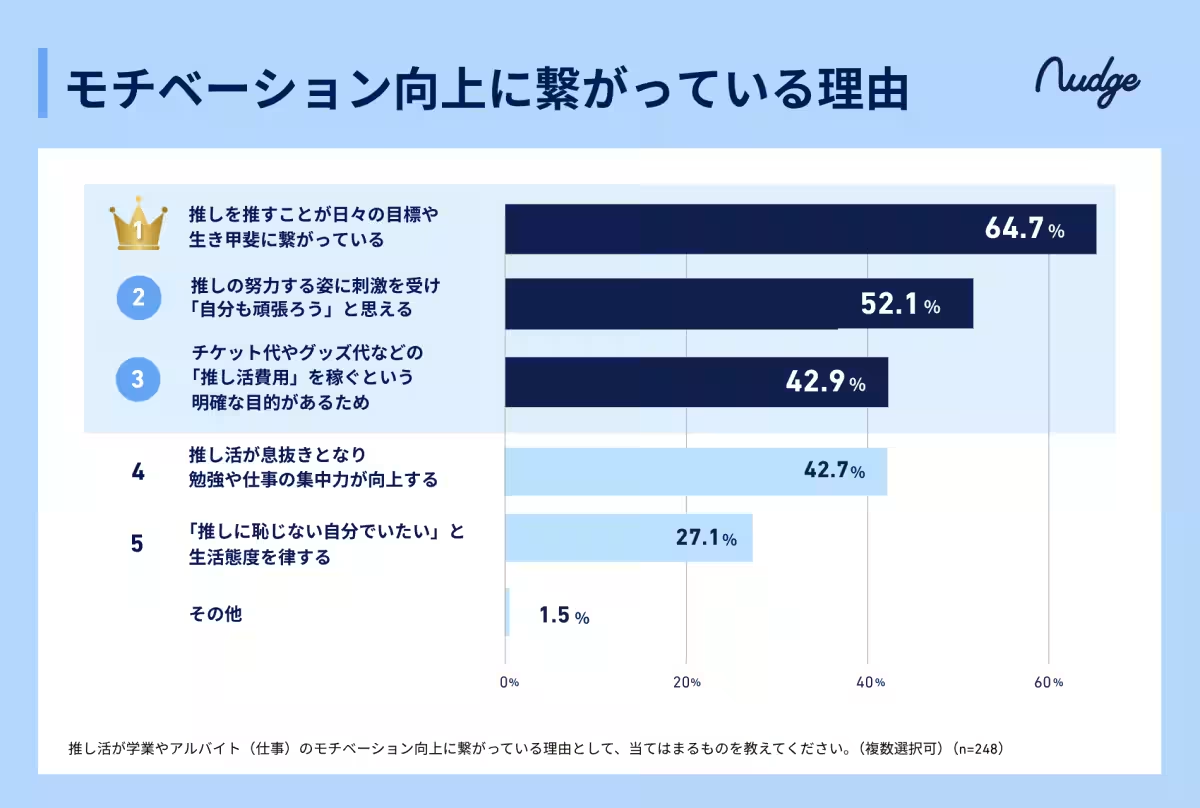
An impressive 84.6% of youth reported that their 'Oshi Katsu' involvement had directly benefited their motivation towards school or part-time jobs. Notably, this trend reflected a shared trait among both Gen Z and working adults, pointing to how pursuing a passion serves as a motivational anchor. Many see the hard work and dedication of their idols as role models, which they draw inspiration from, ultimately driving their personal growth.
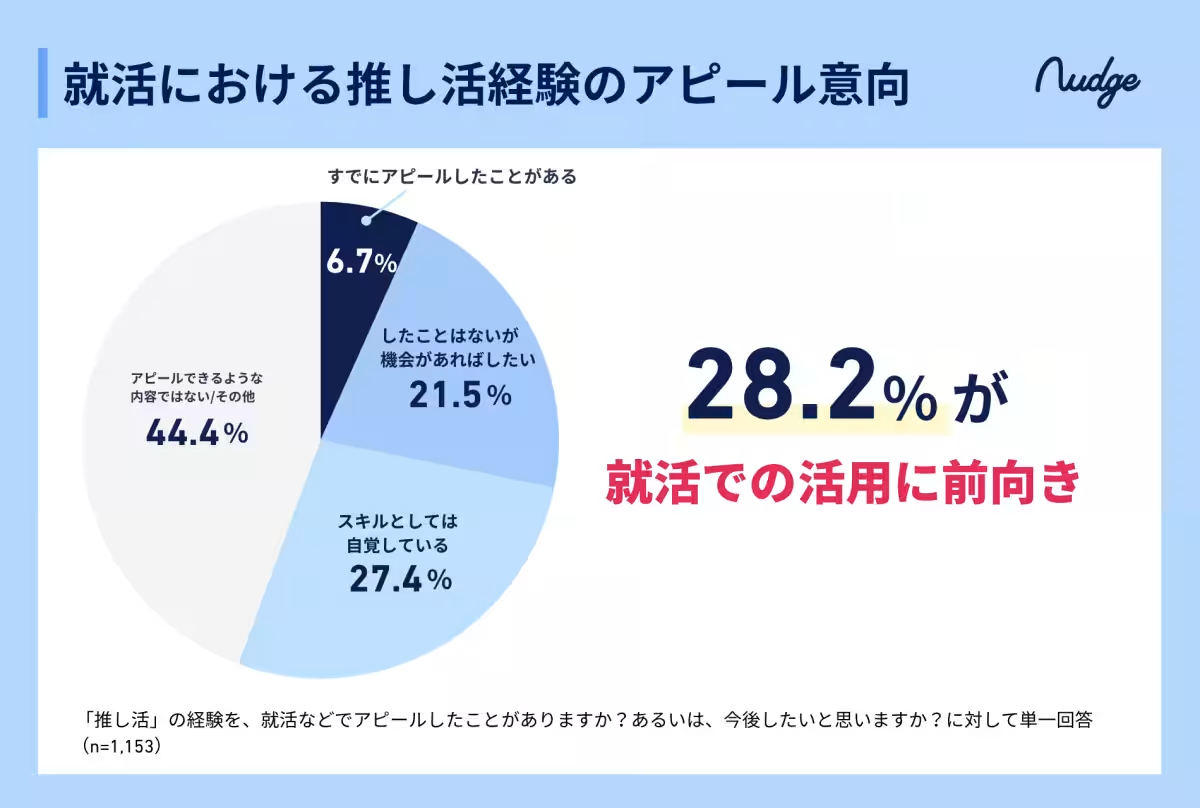
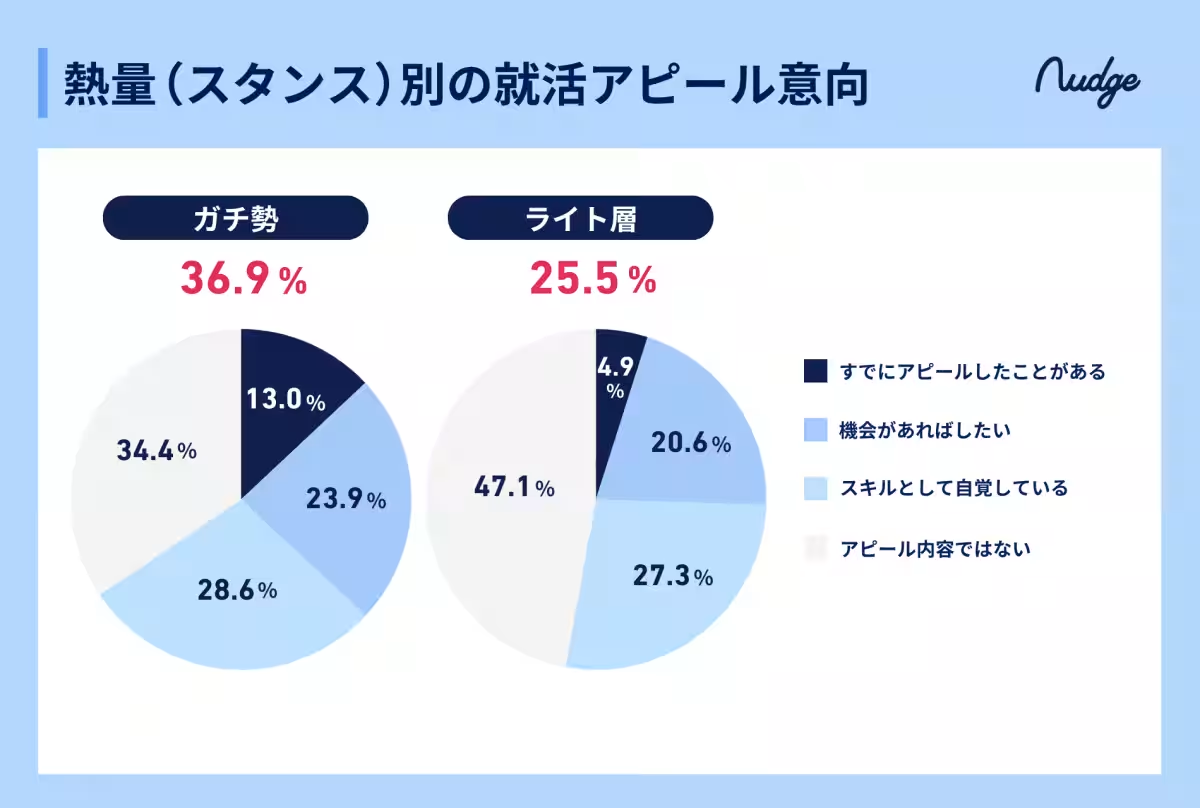
As this cultural engagement grows, an interesting phenomenon has emerged: about 30% of early-career individuals consider reporting 'Oshi Katsu' skills as valuable on their resumes. Companies and educational institutions are beginning to recognize these experiences as indicative of personal attributes and skills—a clear sign of changing values in both the workforce and educational sectors.
A Dichotomy of Engagement Levels
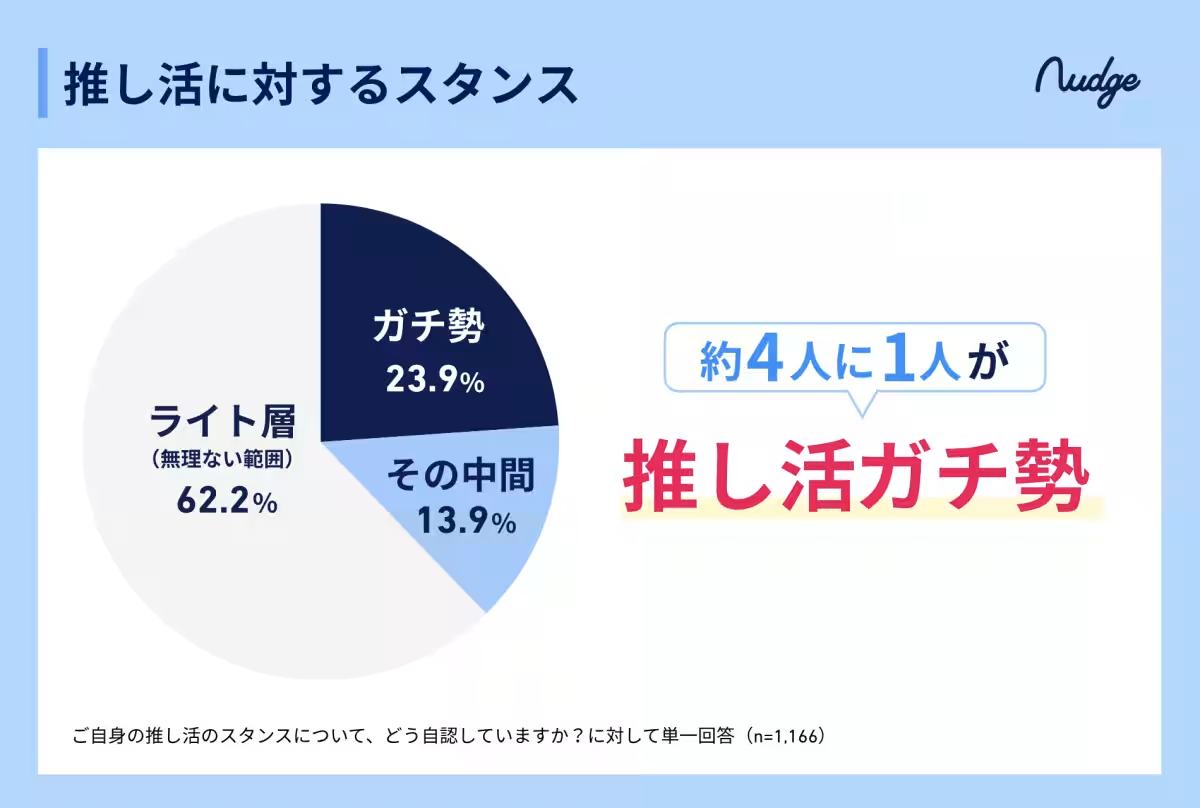
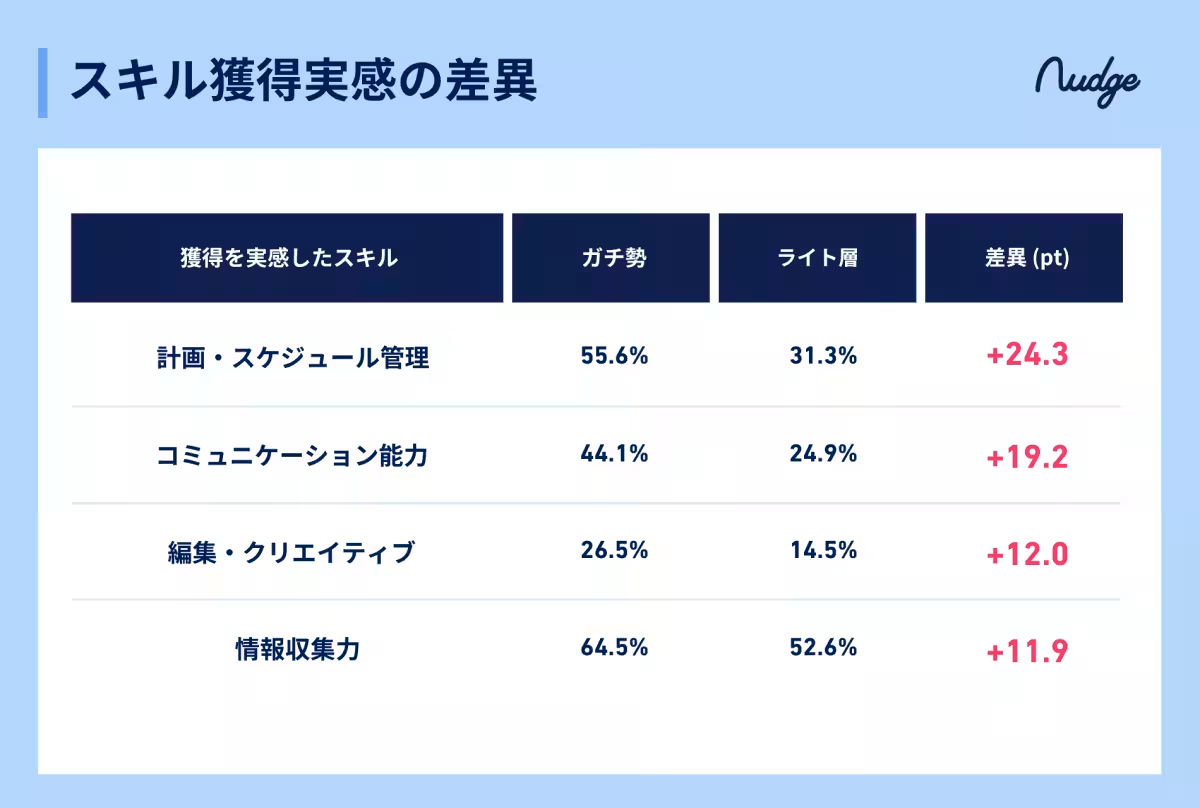
The study distinguished between two groups in the 'Oshi Katsu' domain: the 'Gachi' (dedicated) enthusiasts who fully commit their time and resources into these activities versus the 'Light' (casual) participants who engage at manageable levels. The results indicated that 'Gachi' members had a much stronger perception of the skills they acquired, particularly in areas like planning, scheduling, and communication, highlighted by a noticeable 20-point difference compared to the 'Light' participants. This disparity not only showcases the deeper engagement of passionate supporters but also correlates to their increased readiness to promote these experiences in their career journeys.
Personal Growth Through Passion
The fervor for 'Oshi Katsu' encourages self-development in a myriad of ways. For instance, both Nudge and Oshicoco, another collaborative survey company, emphasized that individuals often do not realize the breadth of skills they acquire until they find themselves applying them in real-world situations. Activities that involve meticulously planning logistics for attending events, engaging with diverse individuals, and even learning new languages to fully immerse in their interests have been identified as common paths to skill acquisition.
Forward-Looking Perspectives
Nudge's representative, Takashi Okita, remarked that the findings from this study lay a foundation for understanding how hobbies can evolve into significant life skills. As more organizations begin to acknowledge this shifting paradigm, the potential for utilizing one's passion as a professional commodity will only expand, fostering a creative and driven workforce.
In conclusion, the opportunities presented by 'Oshi Katsu' illustrate a progressive trend within Generation Z, where interests fuse with life skills, enhancing their academic and career trajectories. As these behaviors normalize, one can only expect this cultural momentum to influence a broader conversation about the relevance of personal passions in professional settings.
Topics People & Culture)




【About Using Articles】
You can freely use the title and article content by linking to the page where the article is posted.
※ Images cannot be used.
【About Links】
Links are free to use.