



How a Prolonged Summer is Changing Consumer Behavior and Preferences in 2026
Unanticipated Changes in Summer Consumer Behavior
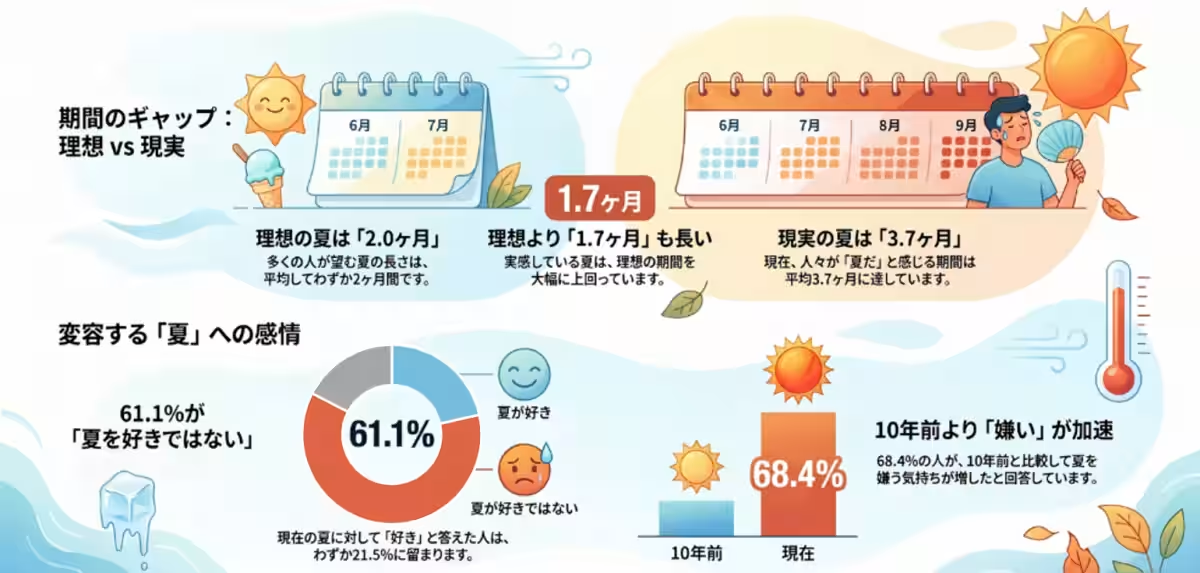
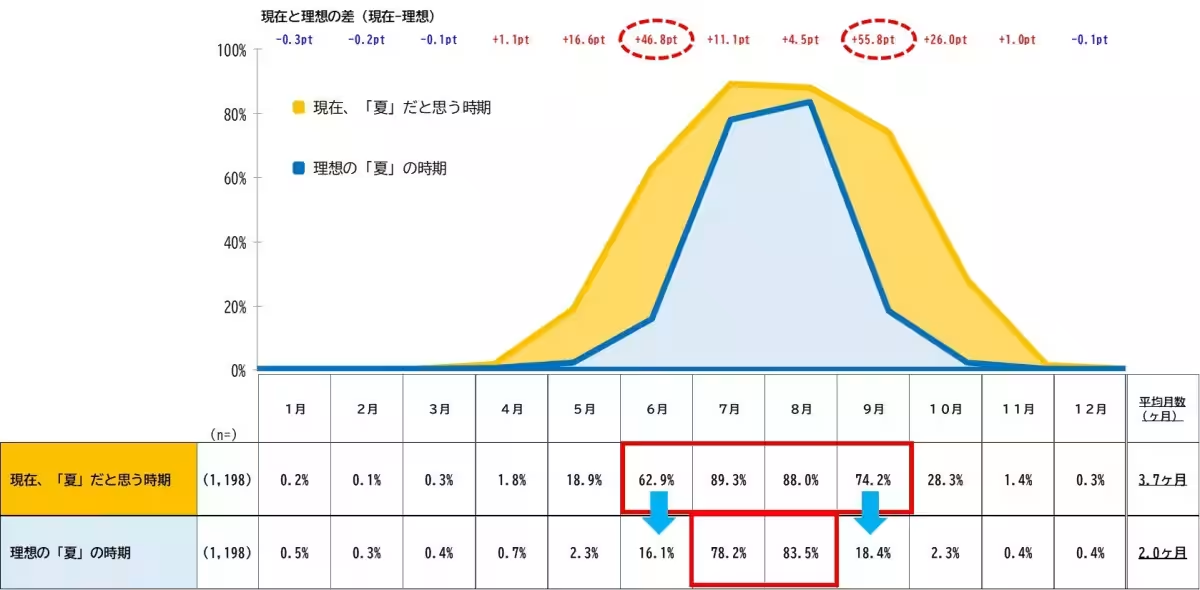
In a recent survey conducted by Japan Information Inc., it was revealed that the current perception of summer stretches an astonishing 3.7 months, significantly longer than the ideal duration of just 2.0 months imagined by consumers. This shift has sparked a wave of observations regarding how people's lifestyles and consumption patterns are modifying under this extended period of warmth.
Survey Details
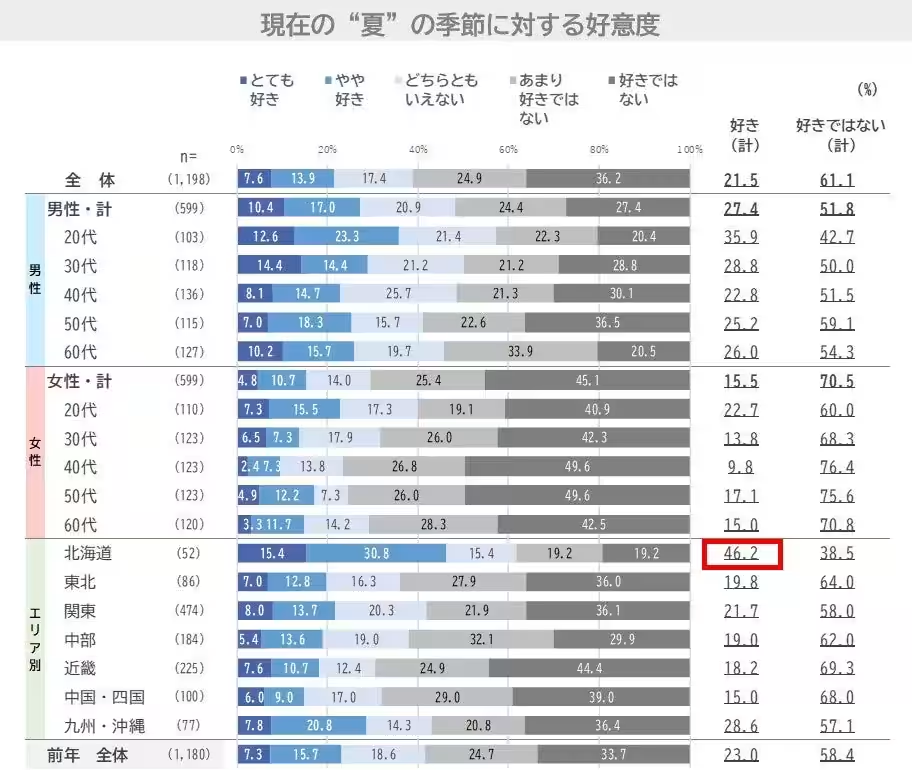
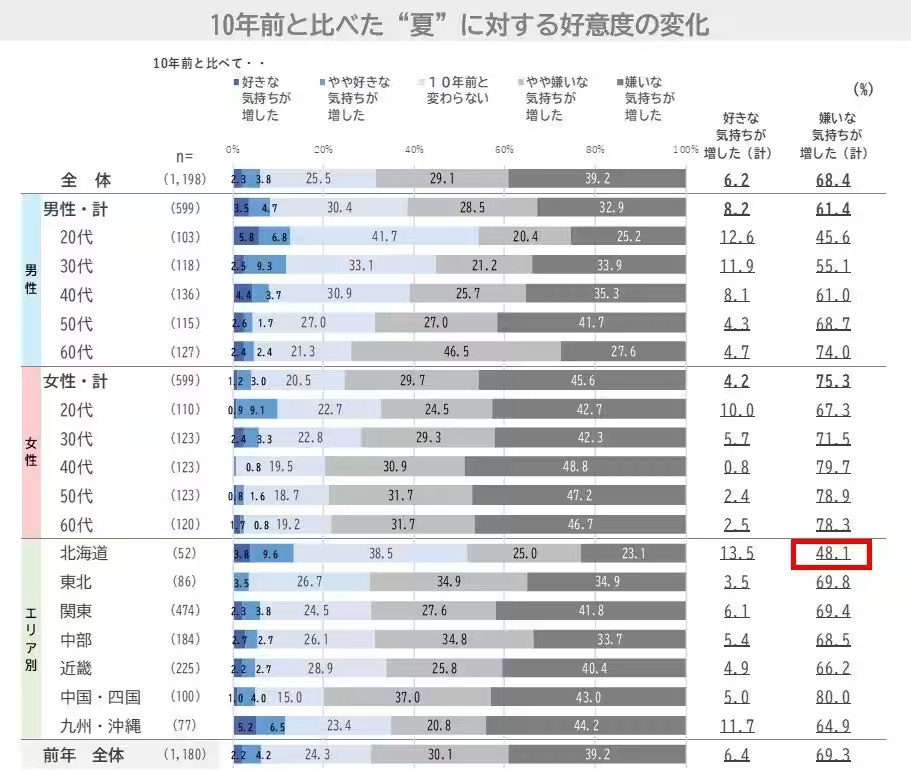
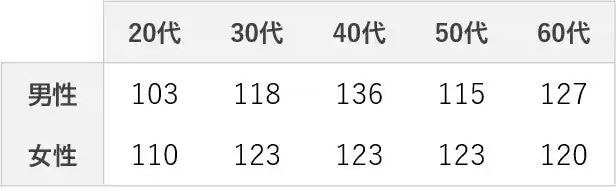
The study took place between July 22 and July 23, 2026, with a sample size of 1,180 individuals aged 20 to 69 across Japan. A record 61.1% of respondents expressed a dislike for the longer summer, dominating over the mere 21.5% who claimed to enjoy it. Notably, a striking 68.4% reported that their negative feelings toward summer have increased compared to a decade ago.
Positive Responses to Health and Safety Measures
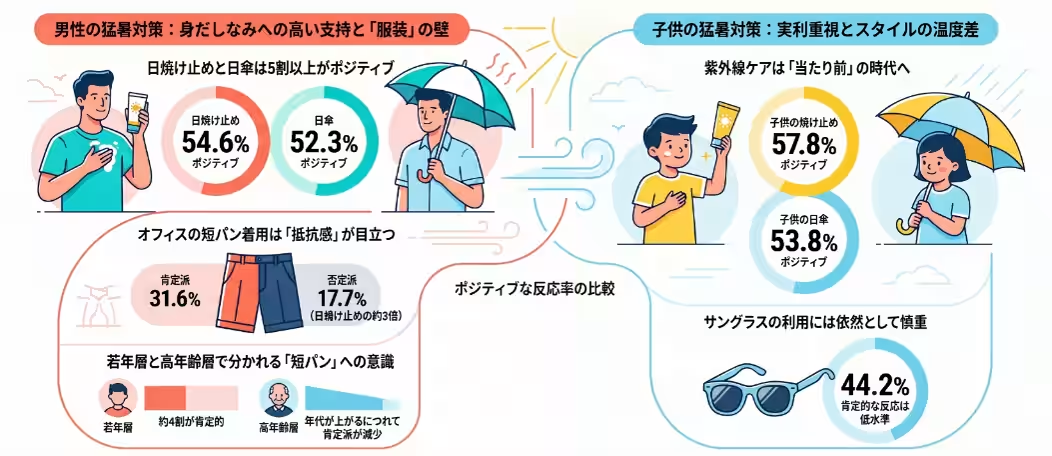
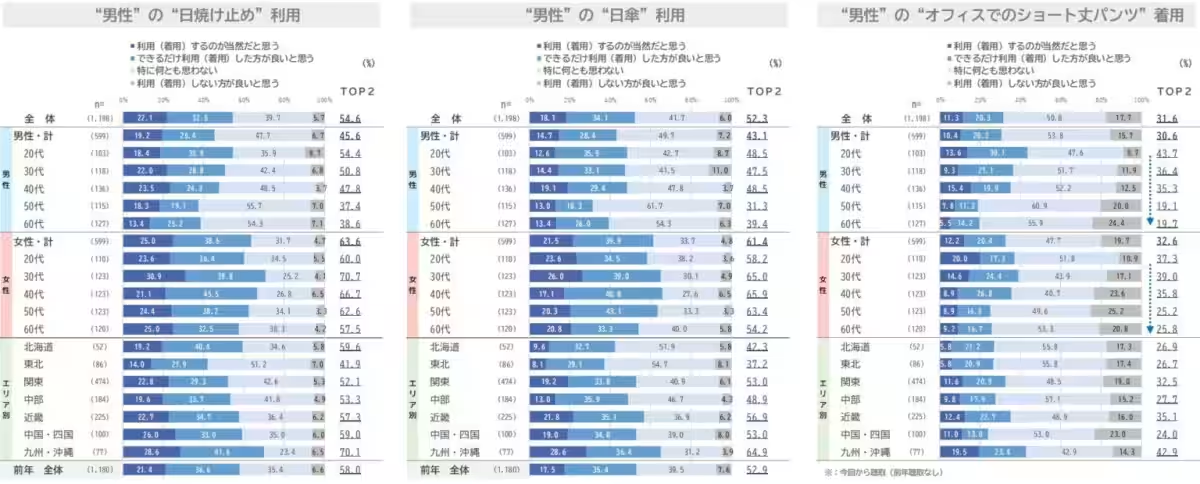
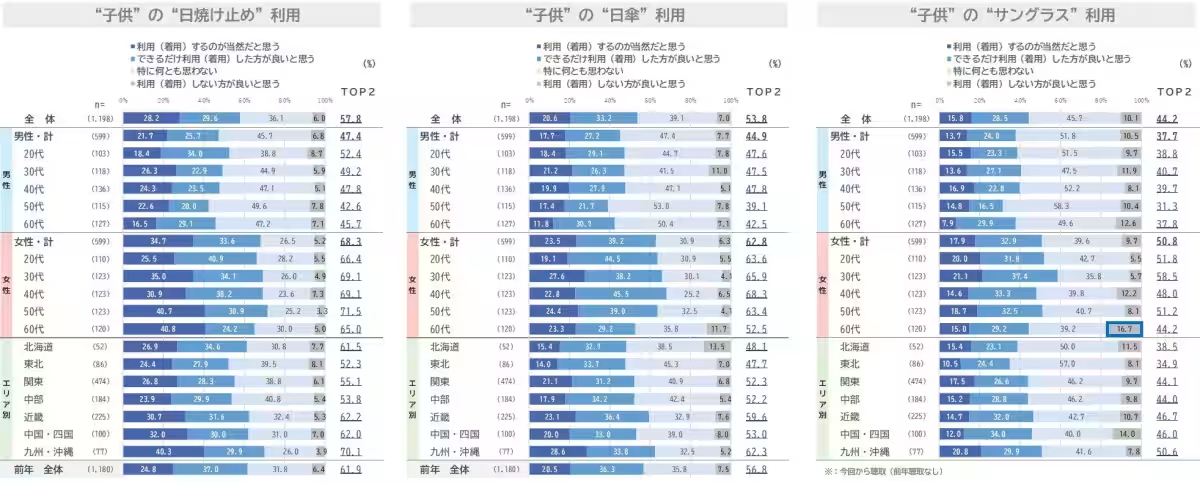
Interestingly, when it comes to coping with the heat, more than half of the participants acknowledge the use of sun protection strategies such as sunscreen and parasols, particularly among men and children. However, the appeal for children wearing sunglasses stands lower, at around 40%, indicating some apprehension among parents. Meanwhile, men's acceptance of office shorts received mixed responses, with only about 30% supporting their wear in a professional setting.
Spending Challenges During the Summer
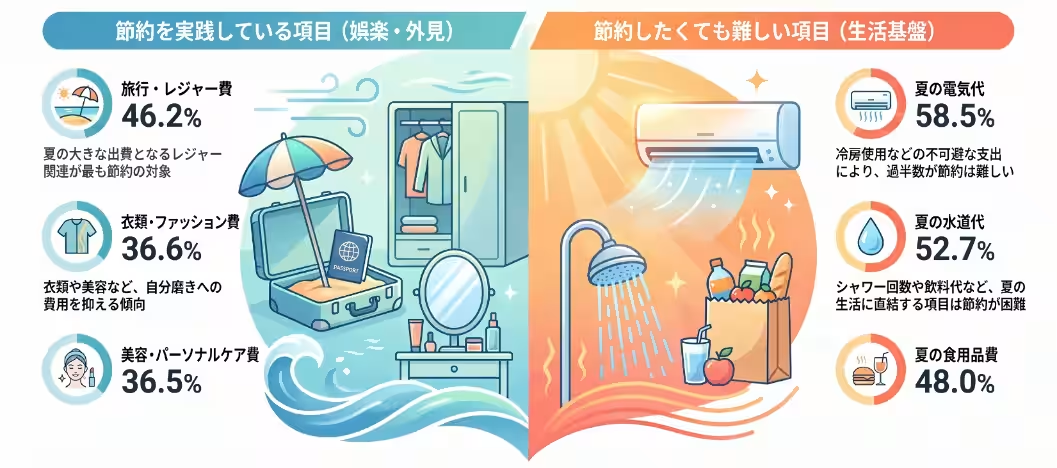
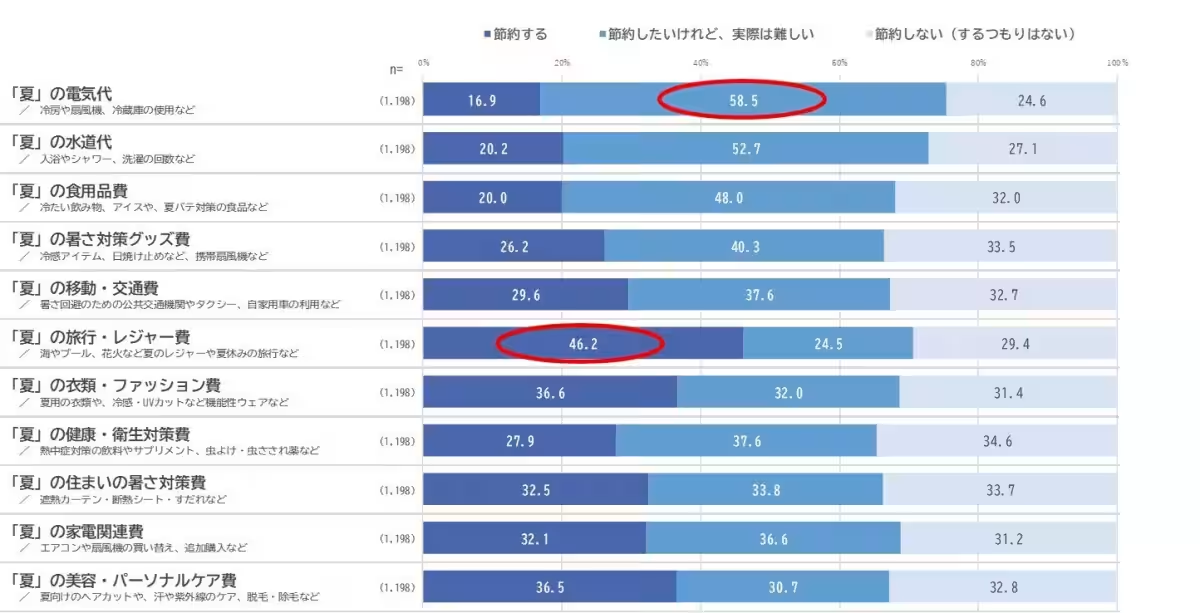
The survey also highlighted shifting priorities in consumer spending. While areas such as travel, leisure, clothing, and personal care are earmarked for cuts, many participants indicated significant difficulty in reducing expenses in utilities such as electricity and water. More revealing is that the struggle to save in necessities often outweighs the easier cuts in discretionary spending, suggesting a broader financial strain due to rising costs.
Changes in Purchasing Preferences and Habitual Adjustments
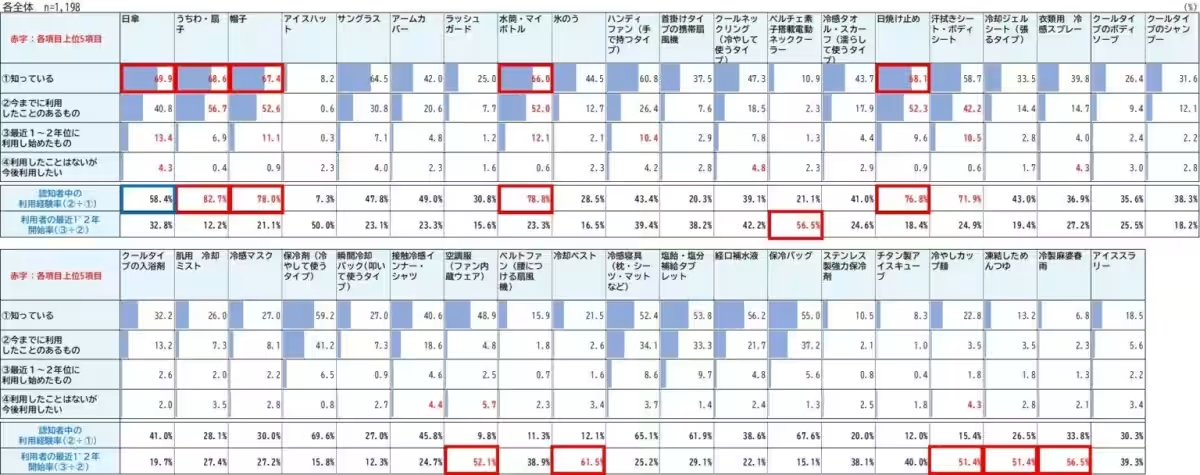
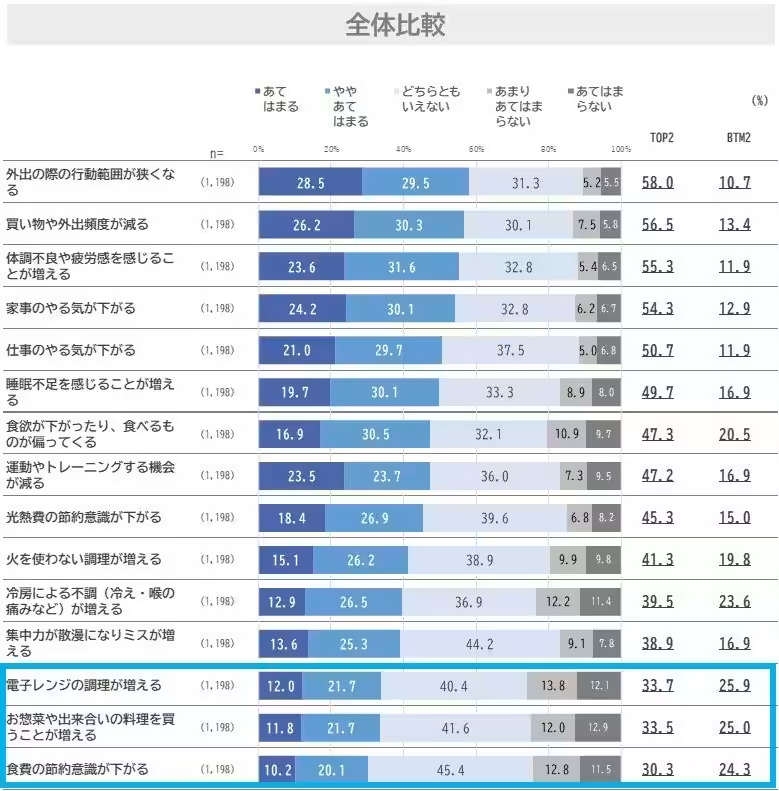
The findings underline a notable shift in purchasing behavior as well. Participants showed a propensity to purchase summer-specific items like cooling vests, electric neck coolers, and even summer-brewed foods such as chilled noodles and prepared meals. Despite the lesser adoption rate of some new summer gear, the growing awareness and positive sentiment towards these products indicate a potential for change in market demands.
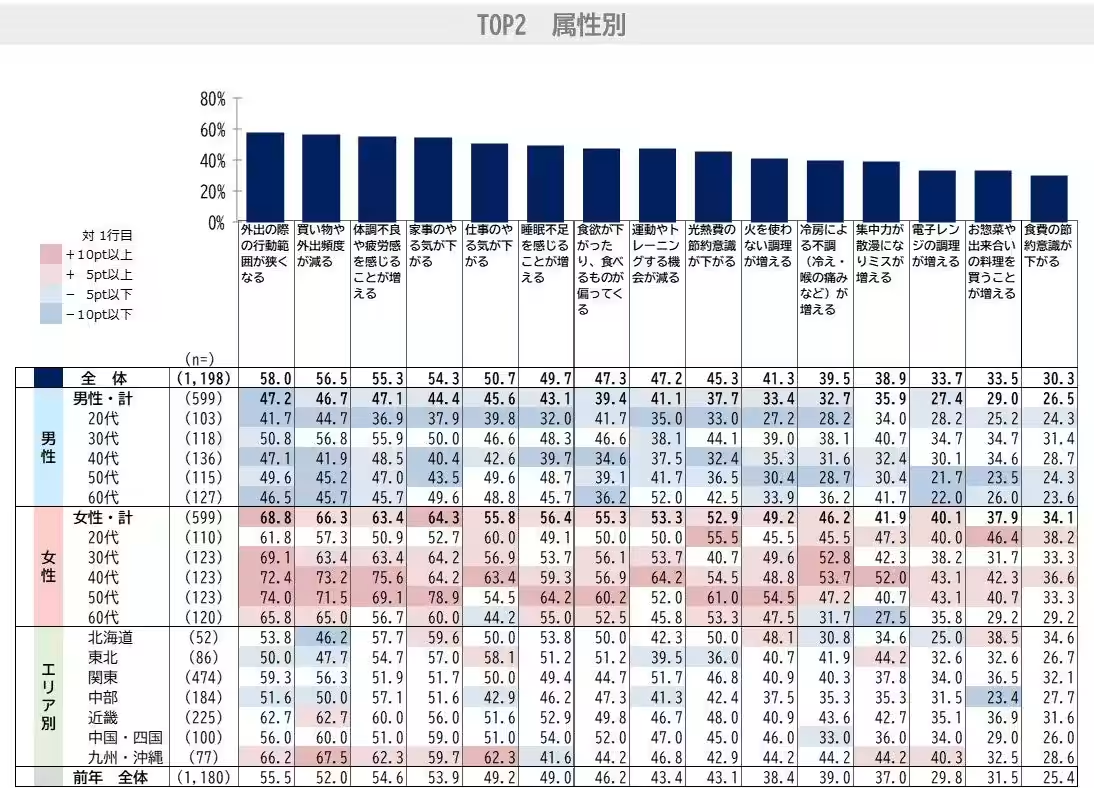
Furthermore, the notion of outdoor activities and shopping has also been restricted, with many reporting a decreased likelihood of frequency in such pursuits. A staggering 58% noted reduced activity ranges during outings, emphasizing how the summer heat is reshaping lifestyles in more than just economic terms.
The Regional Response Variations
There are also striking differences in summer perceptions between various regions. Specifically, the Hokkaido area reported a more favorable view of summer, where 46.2% enjoyed the season in contrast to only 38.5% expressing dislike. In contrast, regions such as Kyushu and Okinawa revealed heightened negative responses, underscoring the geographical influence on consumer sentiments.
Conclusion: The Impact of an Extended Summer
The survey presents clear evidence that an extended summer significantly impacts people's lives, reflecting not only in their preferences but also in essential spending habits. This phenomenon poses various challenges and opportunities for businesses aiming to cater to consumer needs during prolonged summer months. The comprehensive report made available by Japan Information Inc. offers a deeper insight into these dynamics and serves as a valuable guide for future planning and marketing strategies amidst changing seasonal consumption patterns.
To access the detailed survey results and additional insights, please download the full report from this link.
Topics Consumer Products & Retail)
【About Using Articles】
You can freely use the title and article content by linking to the page where the article is posted.
※ Images cannot be used.
【About Links】
Links are free to use.