



Understanding the Lessons from AI Missteps: A Survey on Business Use
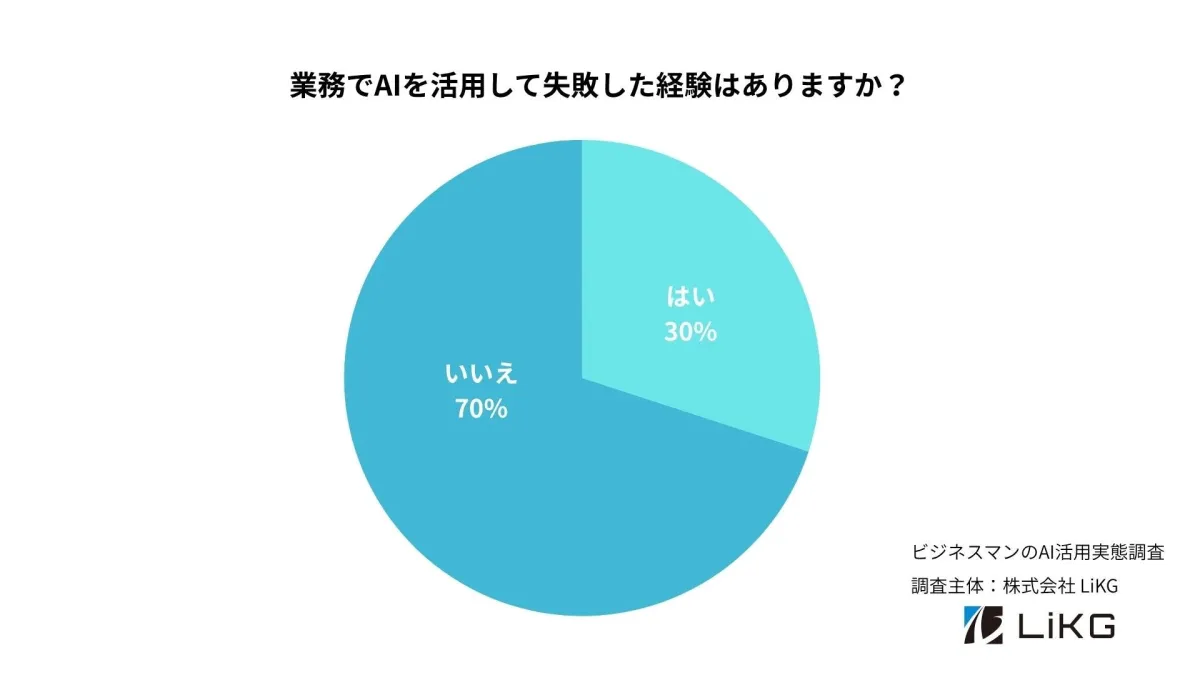
In the current landscape of business, the adoption of artificial intelligence (AI) has accelerated, bringing both promise and pitfalls. A recent survey conducted by LiKG, an organization based in Tokyo, reveals that a significant number of professionals, specifically 200 businesspersons across Japan, have encountered failures while utilizing generative AI in their workflows. The finding, which indicates that one out of every three participants reported such missteps, underscores the growing necessity for understanding and improving AI literacy in corporate environments.
The survey aimed to explore not only the current utilization of generative AI in workplace settings but also to shed light on the lessons learned from those misadventures. Despite the challenges, the results suggest a resilient enthusiasm towards future AI use, with over 90% of respondents expressing a desire to continue leveraging AI technologies.
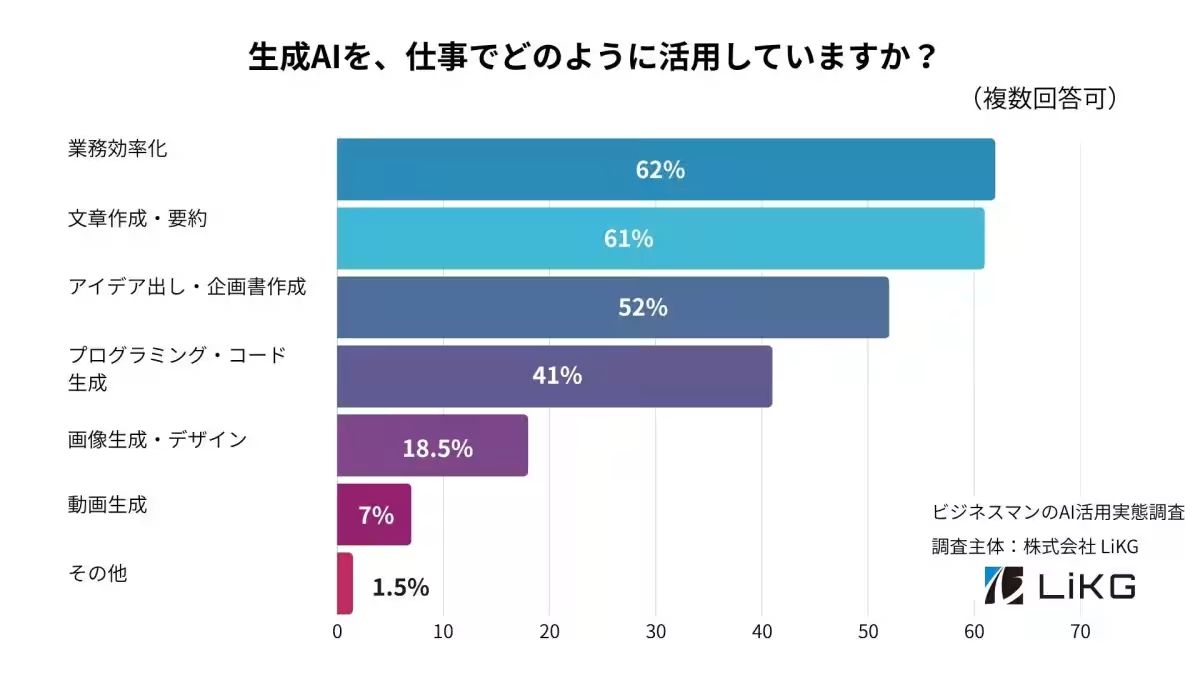
According to the survey data, the primary motivation for using generative AI was operational efficiency, with 62% of respondents indicating that they utilized AI tools to reduce time spent on tasks. Other prevalent use cases included writing and summarizing texts (61%), and generating ideas or proposals (52%). Notably, programming and code generation were also reported by 41% of professionals, highlighting that the AI's influence is not limited to creative or administrative roles but spans a wide array of functions in organizations.
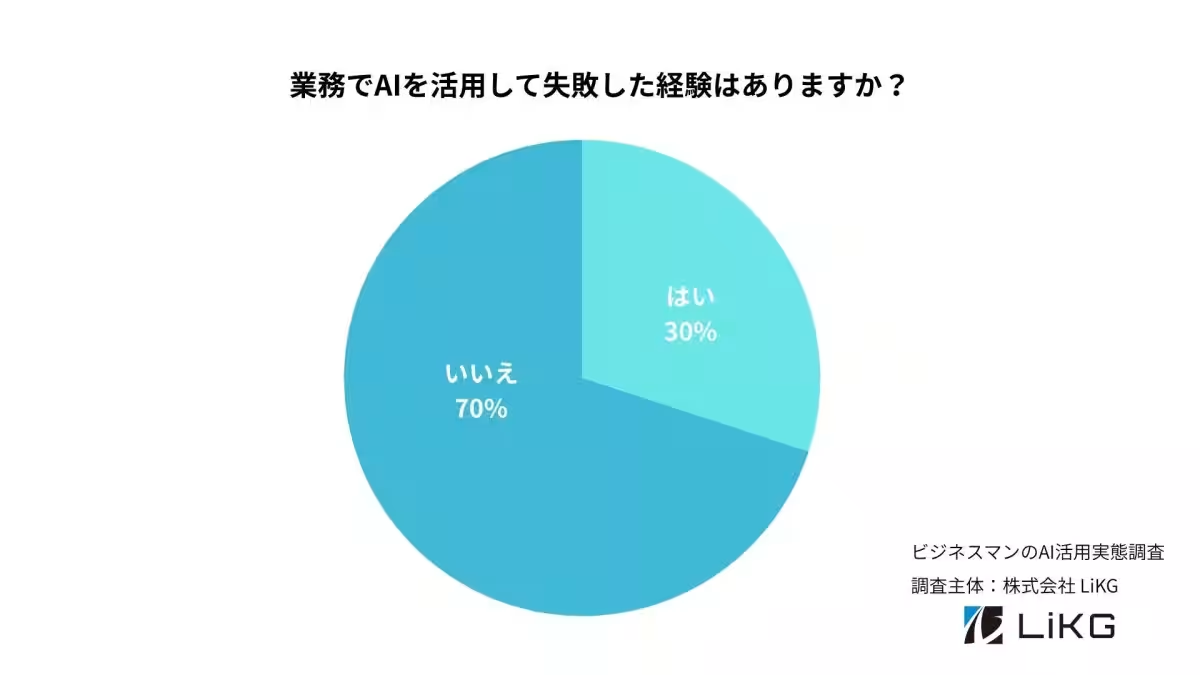
However, not all experiences have been positive. An alarming 30% of participants acknowledged that they had made significant mistakes when utilizing these technologies. The nature of these mistakes varied widely, from misinterpreting AI-generated information to encountering inefficiencies stemming from an over-reliance on AI outputs.
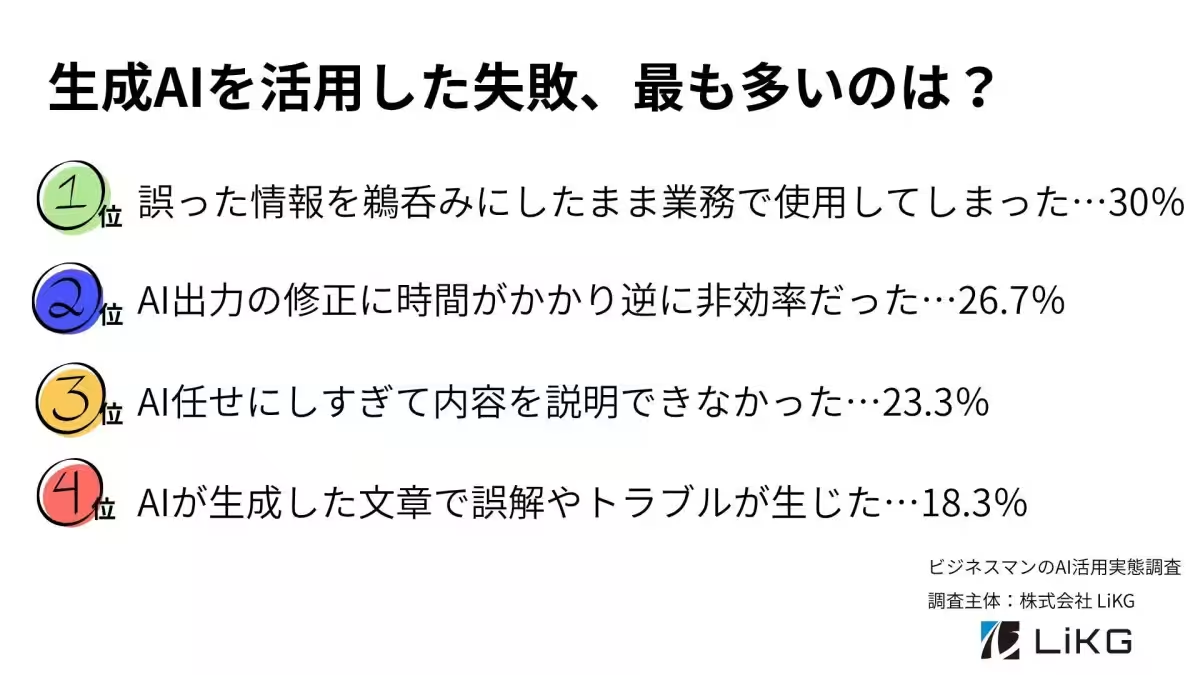
The survey categorized the types of failures into four main themes:
1. Misinformation Reliance: A major concern was the tendency to accept incorrect information produced by AI. Approximately 30% of respondents noted they had incorporated false data into their work, which led to flawed documents or erroneous programming.
- Examples include: "Utilized data with dubious sources," and "Materials generated contained inaccuracies that took extensive time to correct."
2. Excessive Verification Work: Surprisingly, many participants found that they spent more time verifying and correcting AI outputs than they would have taken to complete the tasks themselves manually. This counterproductive result indicated a misunderstanding of the efficiency AI could provide.
- Examples include: "Had to thoroughly review outputs for errors that consumed significant time," and "Felt the anticipated time savings turned into an increase due to validation tasks."
3. Prompt Miscommunication: Several users reported failures stemming from poorly constructed prompts that led to irrelevant or incorrect outputs from AI systems. This emphasizes the importance of clear communication when working with AI technology.
- Examples include: "After multiple attempts, received responses that didn’t align with my queries," and "Provided insufficient details that resulted in programming errors."
4. Over-Reliance on AI Outputs: Some professionals admitted that they had become too dependent on AI-generated ideas, which ultimately hindered their ability to explain or understand the concepts presented. This lack of personal engagement with the material can undermine knowledge retention and effective presentation.
- Example: "Relying on AI for a new business idea led to insufficient personal insight during my pitch."
The enthusiasm for AI tools appears largely unshaken despite these setbacks. Nearly 92% of surveyed professionals expressed proactive intent toward AI usage, underscoring a belief that with enhanced understanding and applications, the technology could become a powerful ally in their workflows.
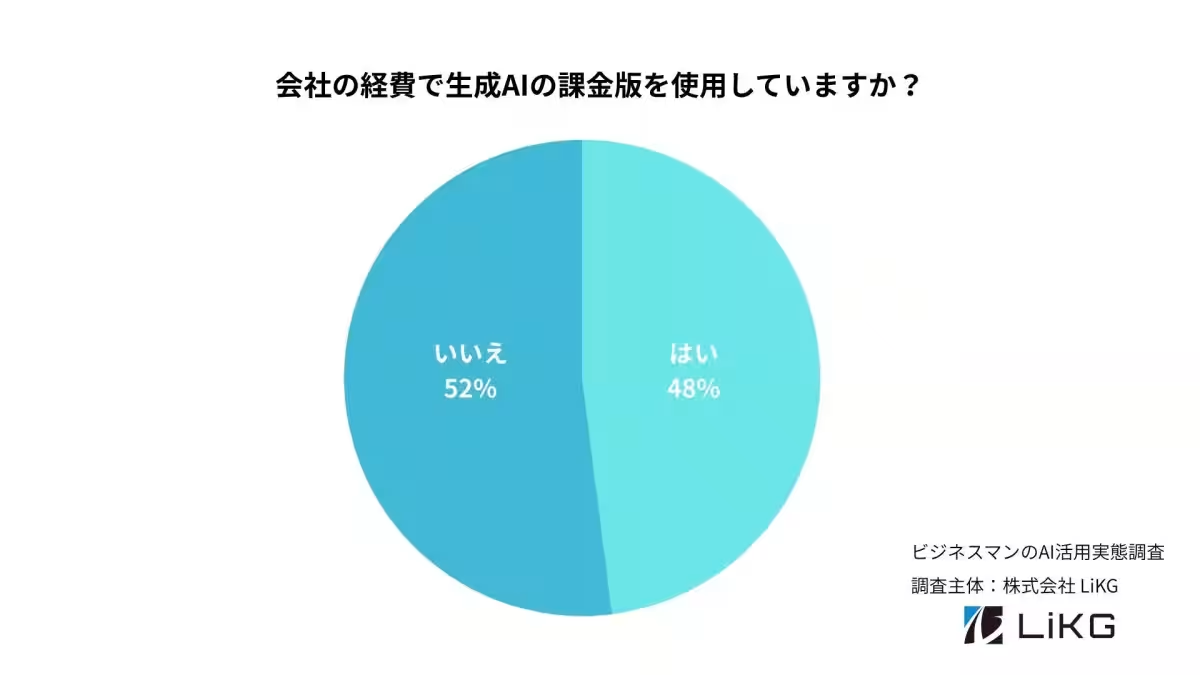
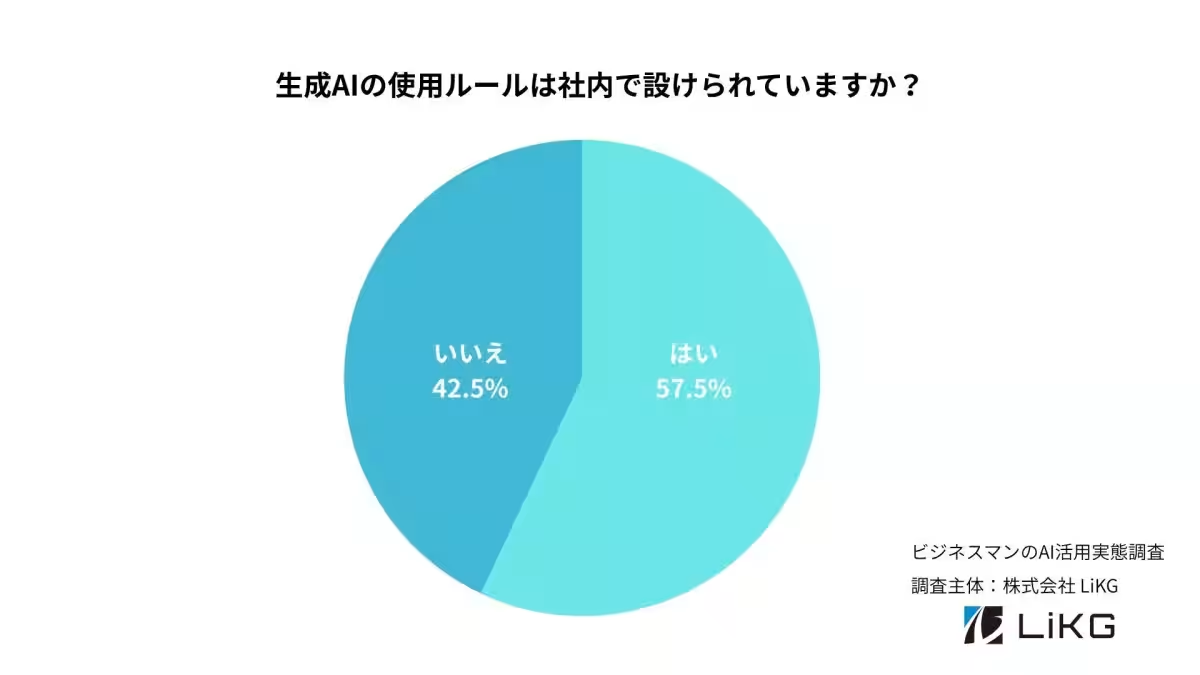
Interestingly, about 48% of respondents noted they were using paid versions of AI services, indicating an investment into enhancing their operational capabilities. However, the survey also revealed disparities in organizational structures, with over 40% of companies still lacking explicit guidelines or rules for AI use, indicating a need for clearer policies surrounding this emerging technology.
This survey highlights the intricate dance between harnessing the power of generative AI and navigating its challenges in a business context. As we stand on the cusp of what has been dubbed the 'era of generative AI,' the importance of continuous education on AI literacy and the establishment of operational guidelines cannot be overstated. This will pave the way for AI to solidify its role as a collaborative partner in the workplace, enriching productivity while minimizing the risk of missteps. As companies look forward to integrating AI more deeply into their operations, lessons learned from these experiences will be key to fostering a more effective and safe application of AI technologies.




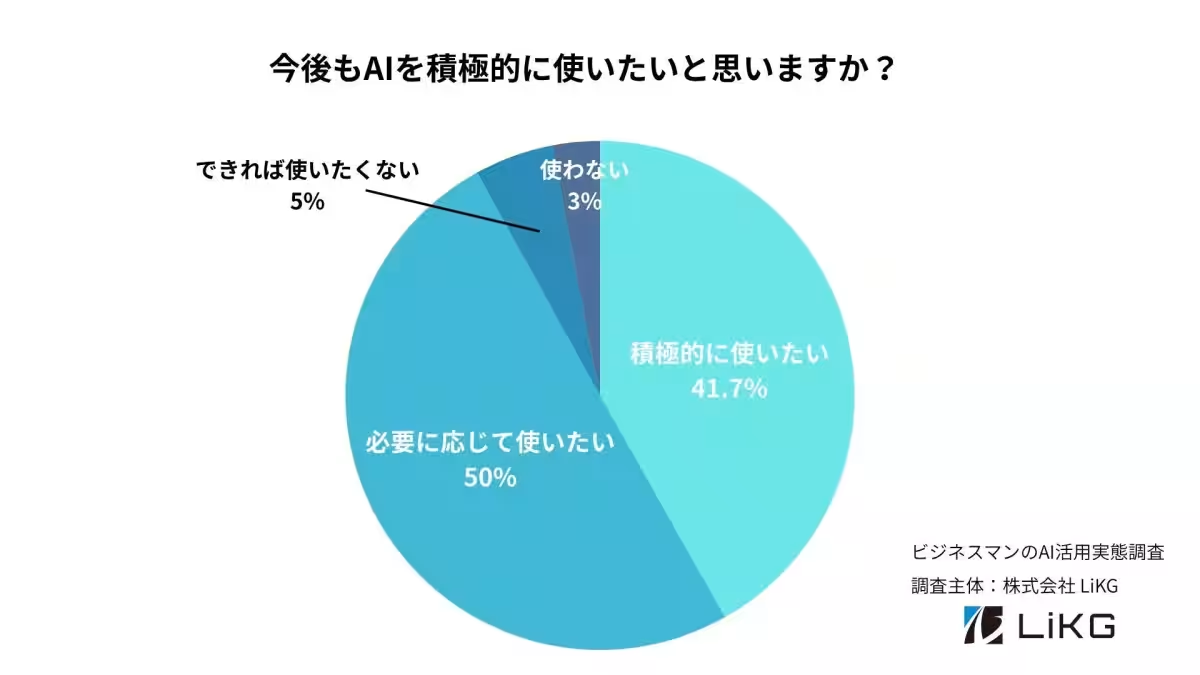
The survey aimed to explore not only the current utilization of generative AI in workplace settings but also to shed light on the lessons learned from those misadventures. Despite the challenges, the results suggest a resilient enthusiasm towards future AI use, with over 90% of respondents expressing a desire to continue leveraging AI technologies.
Key Findings on AI Utilization
According to the survey data, the primary motivation for using generative AI was operational efficiency, with 62% of respondents indicating that they utilized AI tools to reduce time spent on tasks. Other prevalent use cases included writing and summarizing texts (61%), and generating ideas or proposals (52%). Notably, programming and code generation were also reported by 41% of professionals, highlighting that the AI's influence is not limited to creative or administrative roles but spans a wide array of functions in organizations.
However, not all experiences have been positive. An alarming 30% of participants acknowledged that they had made significant mistakes when utilizing these technologies. The nature of these mistakes varied widely, from misinterpreting AI-generated information to encountering inefficiencies stemming from an over-reliance on AI outputs.
Categories of AI Missteps
The survey categorized the types of failures into four main themes:
1. Misinformation Reliance: A major concern was the tendency to accept incorrect information produced by AI. Approximately 30% of respondents noted they had incorporated false data into their work, which led to flawed documents or erroneous programming.
- Examples include: "Utilized data with dubious sources," and "Materials generated contained inaccuracies that took extensive time to correct."
2. Excessive Verification Work: Surprisingly, many participants found that they spent more time verifying and correcting AI outputs than they would have taken to complete the tasks themselves manually. This counterproductive result indicated a misunderstanding of the efficiency AI could provide.
- Examples include: "Had to thoroughly review outputs for errors that consumed significant time," and "Felt the anticipated time savings turned into an increase due to validation tasks."
3. Prompt Miscommunication: Several users reported failures stemming from poorly constructed prompts that led to irrelevant or incorrect outputs from AI systems. This emphasizes the importance of clear communication when working with AI technology.
- Examples include: "After multiple attempts, received responses that didn’t align with my queries," and "Provided insufficient details that resulted in programming errors."
4. Over-Reliance on AI Outputs: Some professionals admitted that they had become too dependent on AI-generated ideas, which ultimately hindered their ability to explain or understand the concepts presented. This lack of personal engagement with the material can undermine knowledge retention and effective presentation.
- Example: "Relying on AI for a new business idea led to insufficient personal insight during my pitch."
The Road Ahead for AI in Business
The enthusiasm for AI tools appears largely unshaken despite these setbacks. Nearly 92% of surveyed professionals expressed proactive intent toward AI usage, underscoring a belief that with enhanced understanding and applications, the technology could become a powerful ally in their workflows.
Interestingly, about 48% of respondents noted they were using paid versions of AI services, indicating an investment into enhancing their operational capabilities. However, the survey also revealed disparities in organizational structures, with over 40% of companies still lacking explicit guidelines or rules for AI use, indicating a need for clearer policies surrounding this emerging technology.
Conclusion
This survey highlights the intricate dance between harnessing the power of generative AI and navigating its challenges in a business context. As we stand on the cusp of what has been dubbed the 'era of generative AI,' the importance of continuous education on AI literacy and the establishment of operational guidelines cannot be overstated. This will pave the way for AI to solidify its role as a collaborative partner in the workplace, enriching productivity while minimizing the risk of missteps. As companies look forward to integrating AI more deeply into their operations, lessons learned from these experiences will be key to fostering a more effective and safe application of AI technologies.
Topics Business Technology)
【About Using Articles】
You can freely use the title and article content by linking to the page where the article is posted.
※ Images cannot be used.
【About Links】
Links are free to use.