



Essential Safety Tips to Prevent Snowblower Accidents This Winter
Essential Safety Tips to Prevent Snowblower Accidents This Winter
As the summer heat fades away and winter approaches, it's important to prepare for the snowy season ahead. According to the Japan Meteorological Agency's forecast, we can expect average temperatures and either normal or above-average snowfall this winter. Snowblowers, essential for clearing snow, can become hazardous if not used properly, potentially leading to fatalities. The National Institute of Technology and Evaluation (NITE) is issuing a critical reminder to ensure safe usage of snowblowers before the peak of snowfall hits.
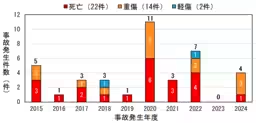
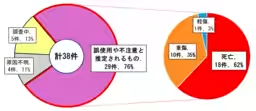
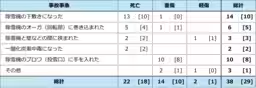
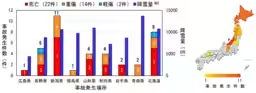
Over the past decade, there have been 38 reported accidents involving snowblowers that resulted in personal injury. A remarkable trend is noted: in 2023, when snowfall was lower than average, there were no reported accidents, while the following year, with typical snowfall, saw a resurgence in incidents. Alarmingly, around 80% of these accidents (29 out of 38) stemmed from misuse or negligence by the operators, and predominantly, 36 of these resulted in severe injuries or death.
Especially concerning are instances of accidents occurring during pre-season testing of devices, often associated with overconfidence. Operators might think, 'I've never had an accident before’ or ‘I know how to operate it’, leading them to overlook potential hazards. It is essential to confirm the correct procedure before starting and to emphasize safe snowblower usage as both a personal responsibility and a community concern.
Key Safety Precautions for Using Snowblowers
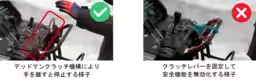
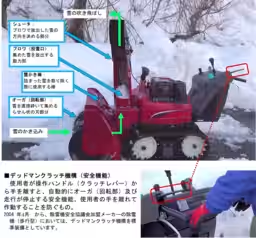
1. Never Disable Safety Features: Ensure that all safety mechanisms on the snowblower are intact and functional. Disabling features can lead to serious injuries or fatalities if the operator falls or is otherwise incapacitated during use.
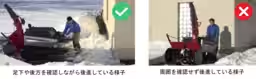
2. Be Aware During Reversing: While operating the snowblower, pay close attention to your surroundings to avoid slipping or being caught in obstacles.
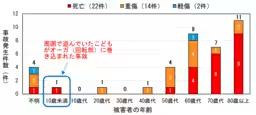
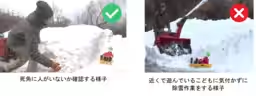
3. Avoid Using Around People: Ensure the area is clear of individuals, especially children who are often in blind spots. Always turn off the engine when stepping away from the machine.
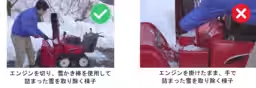
4. Turn Off the Engine When Unclogging: When dealing with snow jams, always switch off the engine before attempting to clear obstructions with a snow shovel or other tool.
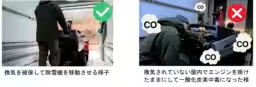
5. Do Not Operate Indoors or in Poor Ventilation: Since snowblowers emit carbon monoxide, operating them in enclosed spaces can lead to poisoning without warning. It’s best to use them outdoors and ensure ample airflow.
Each year, NITE collects extensive accident reports related to consumer products, including snowblowers. A review of these incidents between fiscal years 2015 and 2024 reveals vital insights into patterns and locations of accidents. Most incidents were recorded in December as operations ramp up. The data indicates that winter accidents can spike corresponding to snowfall levels, emphasizing the need for vigilance as usage rises.
Analyzing Accident Trends
1. Monthly Trends: Most accidents were recorded in December, aligning with the start of heavy snowfall.
2. Annual Reports: The year with the most significant snowfall correlates with increased accidents, highlighting the risks associated with increased snowblower use.
3. Causes of Accidents: Misuse accounts for about 80% of all incidents, stressing the importance of adhering to safety practices.
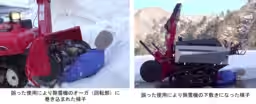
4. Descriptive Analyses: Many fatalities occurred due to operators being caught under the snowblower or entangled in its rotating mechanisms.
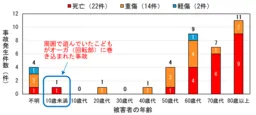
5. Demographic Insights: Elderly individuals represent a large portion of those affected by accidents, often attributed to the aging workforce in heavy snowfall areas. Community awareness and support are crucial in preventing these accidents.
To help raise awareness, NITE offers tools and resources to share information about snowblower incidents. Their platform “NITE SAFE-Lite” allows users to access detailed records of past accidents associated with specific products, fostering safer practices and informed decision-making.
Conclusion
As winter draws near, understanding proper snowblower safety is imperative for all users to mitigate risks. By adhering to safety precautions and remaining aware of one’s surroundings, users can prevent accidents and ensure a safe winter season. For comprehensive information and helpful resources, visit NITE’s official website and stay safe this winter.


Topics Consumer Products & Retail)
【About Using Articles】
You can freely use the title and article content by linking to the page where the article is posted.
※ Images cannot be used.
【About Links】
Links are free to use.