



Impact of Response Time on Online Obstetric Consultations: New Insights
Insights into Asynchronous Obstetric Online Consultations
In recent years, the growth of telehealth services has transformed how patients interact with healthcare professionals. Companies like Kids Public have pioneered platforms that allow for asynchronous consultations, where patients can send messages and receive replies at a later time. A recent study conducted by a research group from Nippon Medical School aimed to explore the effects of response time on patient behavior and satisfaction in obstetric consultations. The findings provide valuable insights that could shape the future of online consultation services.
Study Overview
The study analyzed a substantial dataset of 7,394 consultation requests made through the 'Obstetrics Online' service from July 2021 to June 2023. This asynchronous model allows patients the convenience of seeking advice without being tied to specific times for communication.
Research Objectives
The primary objective was to understand the relationship between the time taken for a healthcare professional to respond and the patient's likelihood of seeking in-person medical care before receiving a reply. Moreover, the study sought to measure any correlation between response times and overall satisfaction with the service.
Key Findings
Minimal Impact of Response Time on Patient Behavior
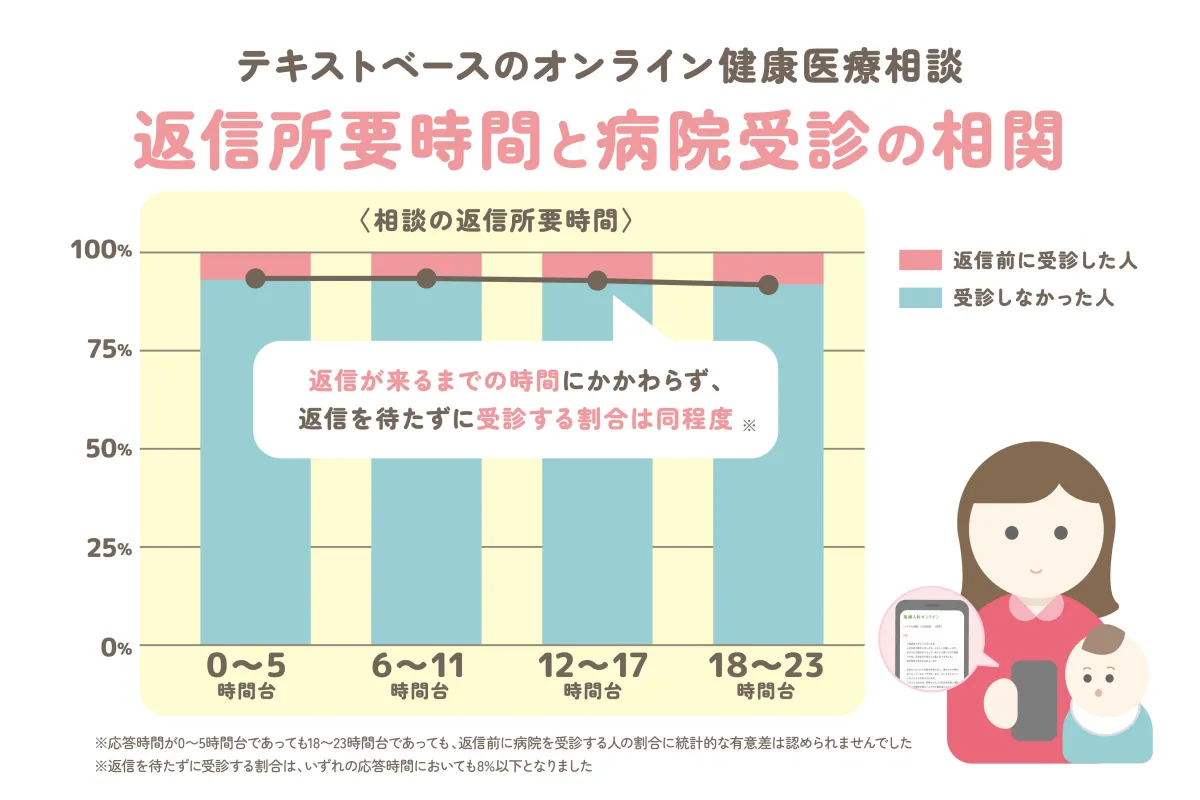
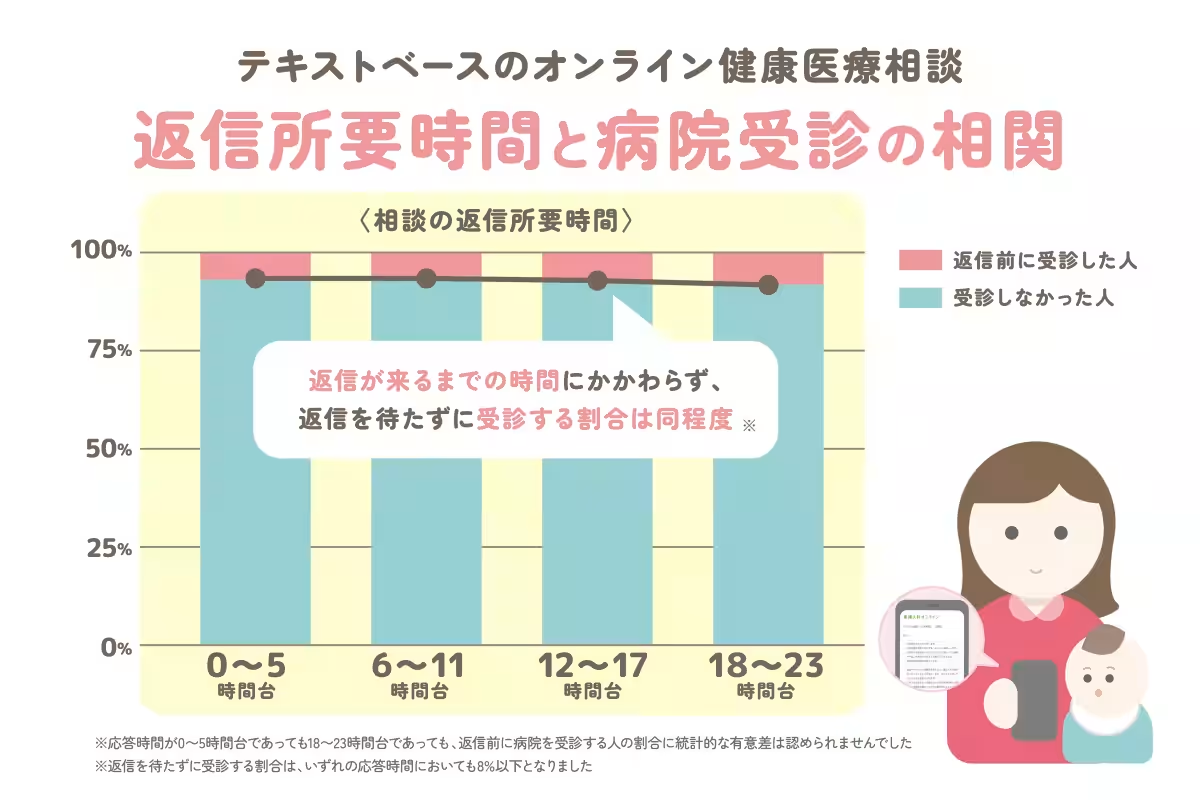
The results revealed that as long as the response time remained under 24 hours, there was no statistically significant correlation between the response time and the decision to visit a healthcare facility before receiving a reply. It was observed that approximately 70% of consultations received responses within 12 hours, and the waiting time did not contribute to an increase in in-person visits.
High Satisfaction Rates
Another vital finding was the overall satisfaction rate, which stood impressively at 99.5%. Surprisingly, even those patients who opted to visit a clinic before receiving a response did not demonstrate a lower satisfaction level with the online consultation service. This suggests that users find substantial value in the asynchronous model, regardless of the timing of replies.
Implications for Asynchronous Online Services
The implications of these findings are profound. They suggest that providers of asynchronous online consultation services need not overly concern themselves with the exact timing of responses, as long as patients are made aware of the possibility of a wait. Engaging users with clear communication about wait times can foster a sense of trust and may reduce unnecessary clinic visits, promoting effective use of healthcare resources.
Future Directions
Looking ahead, further research is planned to delve into what factors might influence user satisfaction beyond response times. For example, the quality of the responses provided could be examined to see how it may impact the user's experience and likelihood of returning for future consultations. By enhancing the quality of service provided, it is envisioned that online consultations can become an even more essential tool for women seeking care during pregnancy and postpartum.
The Research Team & Publication
This pivotal study was authored by Daisuke Shigemi, Rena Toriumi, Ai Ohta, Saki Nakamura, and Shunji Suzuki, and it is set to be published in DIGITAL HEALTH in April 2025. Asynchronous telehealth could significantly alleviate many of the anxieties surrounding women's healthcare by making it more accessible and adapting to modern needs.
For more information on this study and its implications, you can refer to the publication here.
About Kids Public
Founded in 2015, Kids Public is at the forefront of providing accessible healthcare solutions for parents and families. The company, based in Chiyoda, Tokyo, operates with a mission to improve health outcomes for women and children.
To learn more, visit Kids Public.
Conclusion
This research represents a significant step in understanding online healthcare communication, indicating that timely responses may be less critical than previously thought, thereby helping to craft a more user-friendly experience in obstetrics and gynecology.
Topics Health)
【About Using Articles】
You can freely use the title and article content by linking to the page where the article is posted.
※ Images cannot be used.
【About Links】
Links are free to use.