



The Transformation of Global Talent Development Emphasizing Cross-Cultural Adaptability
Overview of Global Talent Development
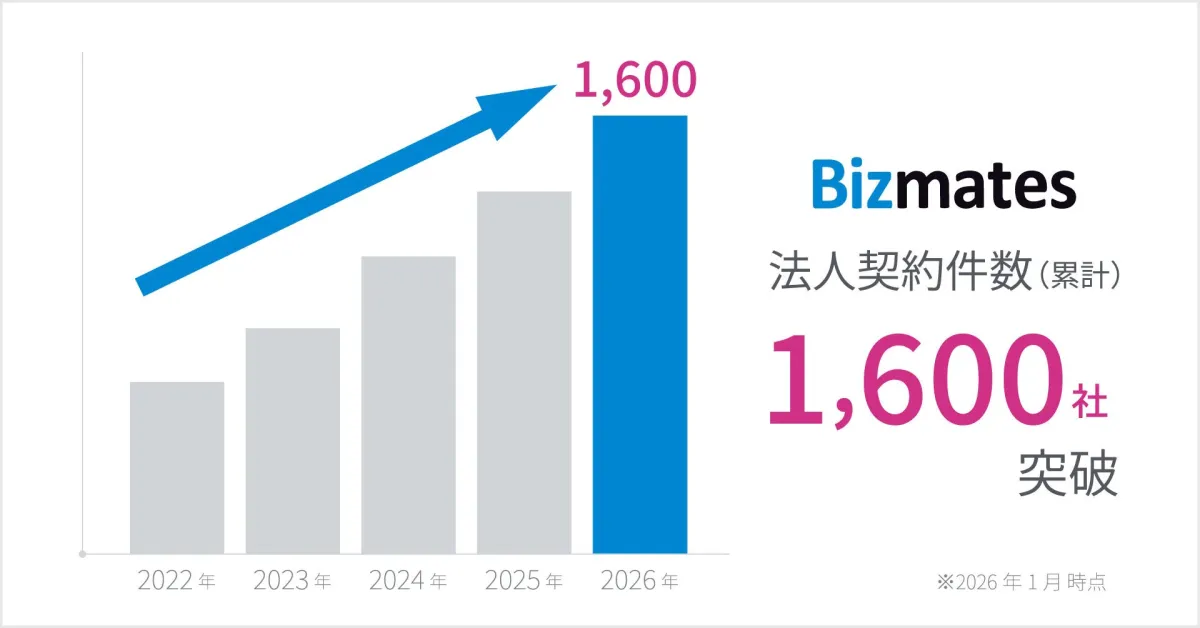
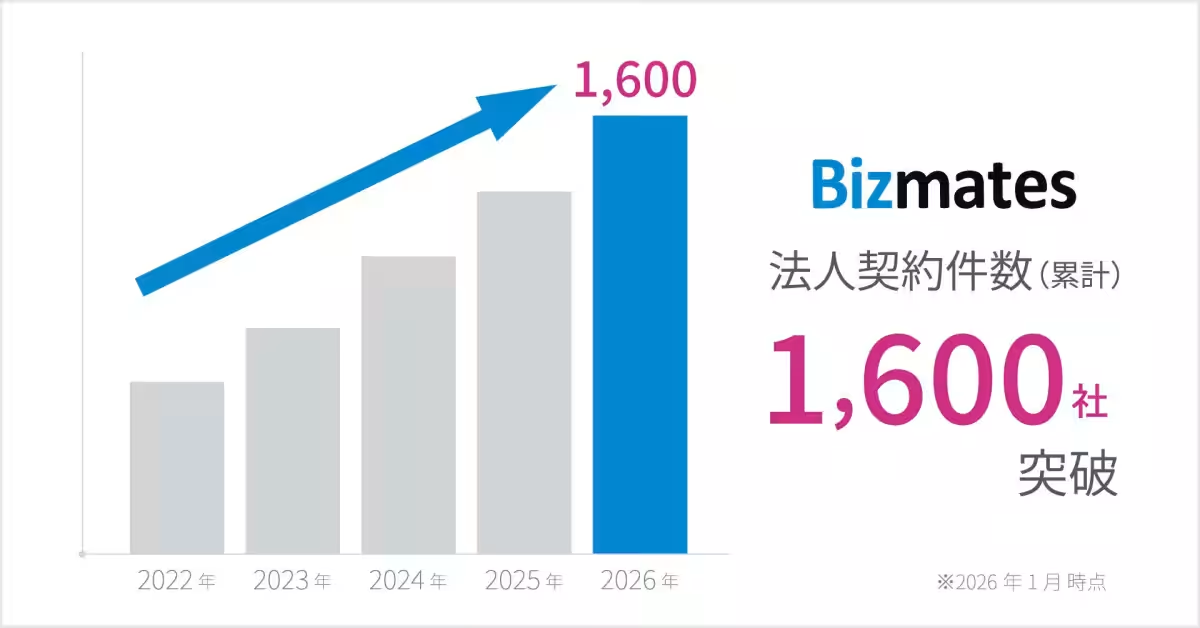
Bizmates Corporation, headquartered in Chiyoda-ku, Tokyo, has recently announced that its corporate contracts for its business-oriented online English conversation service, Bizmates, have exceeded 1,600 as of January 2026. Founded with the mission to help more business professionals excel globally, the company has been supporting the development of global talent within corporations. In recent years, there has been a noticeable shift in corporate training strategies from merely acquiring English language skills to fostering cross-cultural adaptability, including understanding different cultures, dialogue skills, and agreement formation abilities.
Growing Shift to Cross-Cultural Skills
Major changes in human capital management and deepening collaboration with overseas offices have prompted companies to recognize the necessity of developing competencies that can thrive in diverse cultural environments. Research conducted by Bizmates has revealed that even individuals proficient in English may struggle with dialogue and agreement formation when faced with cultural and value differences, leading to operational stagnation in international business settings. The lack of mandatory pre-departure training for expatriates has been identified as a significant concern.
In addition, government mandates now recognize the importance of cross-cultural understanding and soft skills alongside language proficiency as essential traits for global talent. Consequently, companies are restructuring their training programs to focus on developing skills that allow employees to excel in diverse cultural landscapes rather than just language training.
Addressing Corporate Challenges
Bizmates has been proactive in addressing these evolving challenges by enhancing communication competencies necessary for real-world business applications. A wide variety of industries, including manufacturing, services, and retail, have begun to adopt the company’s programs, tailoring training to meet specific local needs. For instance, Samsonite Japan recognized the necessity to boost English-speaking abilities and cross-cultural communication skills in their shops in Tokyo and Osaka, catering to the growing inbound demand.
Similarly, Yokohama Okadaya, responding to increased international clientele in their commercial facilities, needed their management to enhance their ability to engage in conversations in English. They focused on upskilling young talents to acquire timely information necessary for achieving their roles, signifying a substantial shift in recruitment and training strategies.
Sanoyasu Ride faced issues concerning the limited availability of personnel capable of handling export operations related to gaming machines. There was a growing need to refine the skill sets of installation and maintenance staff to not only communicate in English but also navigate the complexities of cultural differences.
Corporate Needs Highlighted
Across all these companies, a common thread emerges: the need for development focused on the ability to deliver results in environments with diverse stakeholders. Rather than simply assessing whether candidates can speak English, they are asking if individuals can engage effectively and achieve success in cross-cultural dialogues. The increase in environments demanding nuanced understanding, agreement formation, and decision-making has heightened the importance of adaptability beyond mere language skills.
Continued Growth and Infrastructure
Bizmates prioritizes building cycles for training, measurement, and improvement. Tools like GCAS (an assessment for speaking skills), CEST Business (which evaluates reading, listening, writing, and speaking skills), and the globally recognized Versant speaking test, help businesses objectively measure the efficacy of their English training programs.
With a commitment to fostering a rich and diverse societal structure where people and enterprises can grow together, Bizmates continues to enhance its support for global talent development. This includes incorporating cross-cultural training and overseas programs aimed at refining the capabilities of individuals in international environments.
As of March 2023, Bizmates was officially listed on the Tokyo Stock Exchange Growth Market, further signaling its credible role in the evolving landscape of global business education and human capital management. Through innovative tech solutions and a multifaceted approach to language and talent development, the company tackles the emerging challenges in the corporate sector, contributing significantly to enhancing the quality of global talent in Japan.
Topics Consumer Products & Retail)
【About Using Articles】
You can freely use the title and article content by linking to the page where the article is posted.
※ Images cannot be used.
【About Links】
Links are free to use.