



Essential Safety Tips for Using Electric and Oil Heaters This Winter
Essential Safety Tips for Using Electric and Oil Heaters This Winter
As the long, hot season comes to an end, it’s time to prepare for the winter heating season. Each year, numerous fire incidents occur due to the use of heating appliances. To enjoy a safe winter, regular checks before and during the heating season are essential.
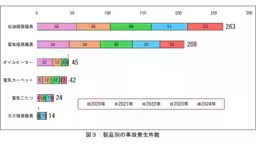
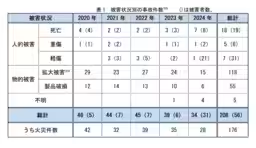
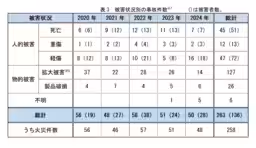
The National Institute of Technology and Evaluation (NITE), led by Chairman Fumihiko Hasegawa and located in Shibuya, Tokyo, has provided key points to help prevent heating appliance accidents, including checking methods and usage reminders. Between 2020 and 2024, NITE reported 596 incidents involving primary heating appliances, predominantly electric and oil heaters, accounting for approximately 80% of these accidents.
To ensure a safer winter, let’s explore the four inspection points for electric heaters and oil heaters, along with an essential usage caution to help mitigate the risks of accidents.
Four Safety Checks for Electric Heaters
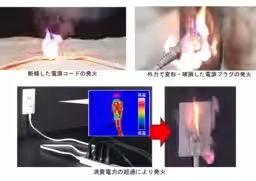
1. Inspect Power Cords and Plugs: Check for deformities or damage to the power cord and plug. Ensure that the outlet isn't overloaded with multiple devices.
2. Examine the Appliance for Abnormalities: Look for discoloration or deformation on the heater's body. Unusual sounds or smells should be noted.
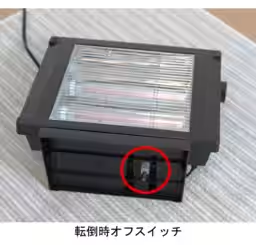
3. Verify Tips for Safety Features: Test the tilt-over shut-off feature to confirm it operates correctly. This is crucial for preventing overheating during accidental falls.
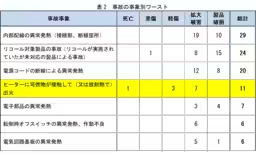
4. Confirm Recall Status: Make sure your appliance is not subject to any recalls, as many accidents involve recalled products.
Four Safety Checks for Oil Heaters
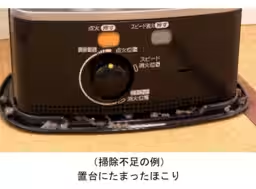
1. Dust Removal: Start the heating season with a clean appliance by removing any accumulated dust, particularly around the burning areas.
2. Check Earthquake Automatic Shut-off Feature: Test that the shut-off mechanism works properly when the heater is jolted.
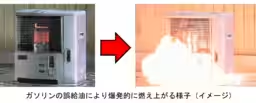
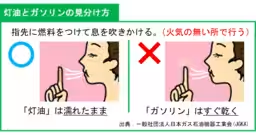
3. Use Fresh Oil: Always use new kerosene and never recycle last season's fuel. Store fuels separately to prevent incorrect refueling.
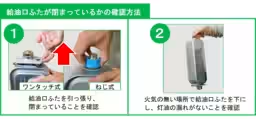
4. Inspect Fuel Tanks: Ensure the fuel tank cap is tightly secured and verify there are no leaks.
One Critical Usage Tip
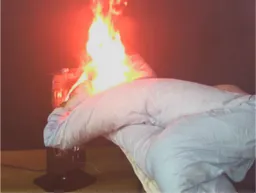
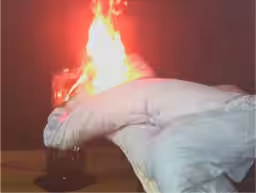
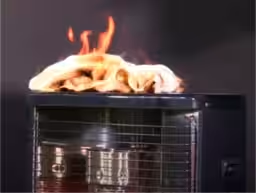
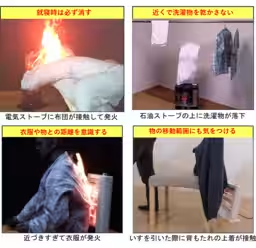
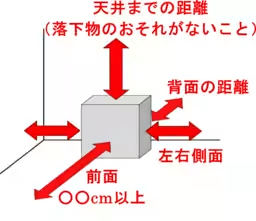
- - Maintain Safe Distances: Ensure that the heater is placed a safe distance away from walls and flammable materials. Never dry clothes directly on or near your heater.
Understanding the Risk
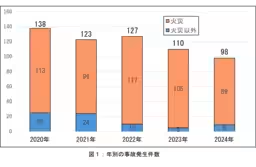
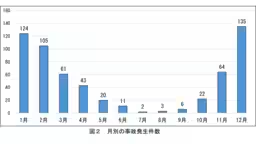
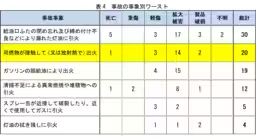
Between 2020 and 2024, NITE recorded a concerning trend: fire-related incidents made up over 80% of reported heating appliance accidents, averaging around 100 incidents annually. Notably, the peak time for these incidents is from November through December, highlighting the importance of vigilance as the cold weather sets in.
Electric Heater Incidences
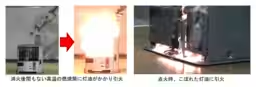
The majority of electric heater incidents in recent years involved significant fire accidents that extended beyond the heater itself, causing damage to surrounding properties. These alarming statistics underline the importance of adhering to safety protocols when using such appliances.
Oil Heater Incidences
Similarly, oil heaters have also reported fatal accidents. Many incidents stemmed from issues such as oil leaks while refueling or incorrect fuel types being used, which led to serious fire risks.
To avoid such devastating outcomes, it’s crucial to educate users, ensuring that they are aware of and adhere to the safety points outlined. This season, check your heating equipment meticulously and stay informed about any potential recalls.
Conclusion
Before lifting the first festive spirit of winter, take a moment to ensure your heating appliances are safe. Following NITE’s guidelines doesn’t just protect your home; it safeguards the lives within it. Remember to regularly check appliances, stay informed on recalls, and use equipment responsibly. A safe winter starts with precautions today.


Topics Consumer Products & Retail)
【About Using Articles】
You can freely use the title and article content by linking to the page where the article is posted.
※ Images cannot be used.
【About Links】
Links are free to use.