



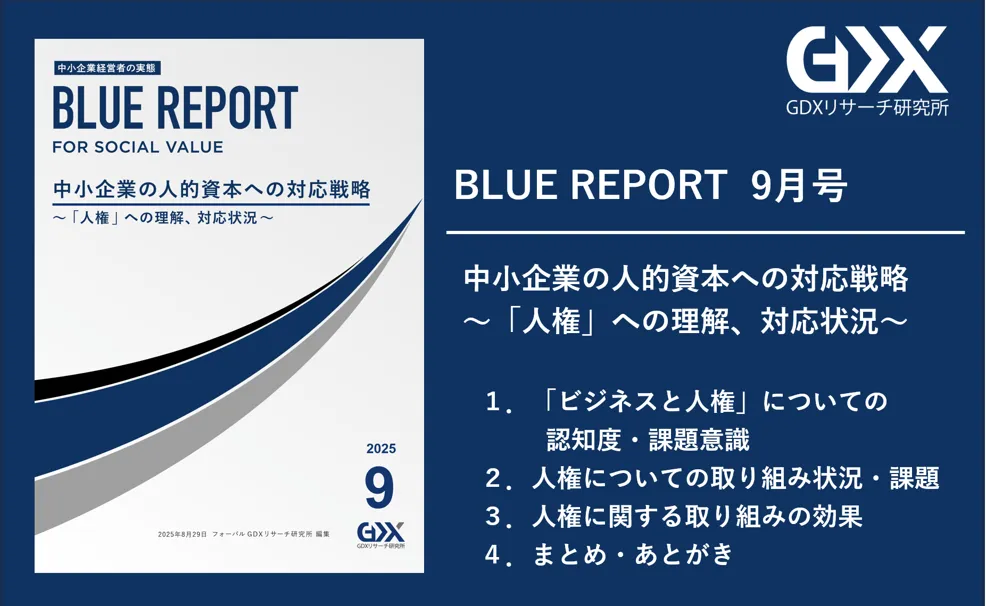
Strategies for Capitalizing on Human Resources in SMEs: A Report on Business and Human Rights
Strategies for Capitalizing on Human Resources in SMEs
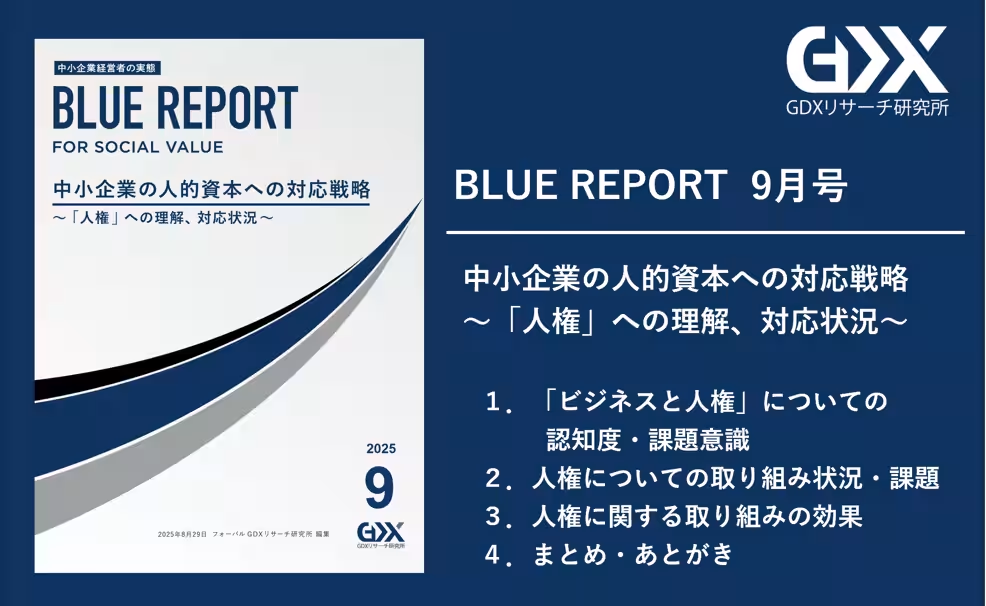
In recent years, the focus on human capital management has significantly intensified, particularly concerning the concept of 'business and human rights'. A recent report titled 'BLUE REPORT September Edition', published by Forval Corporation's GDX Research Institute, offers insightful findings on how small and medium-sized enterprises (SMEs) in Japan are addressing these concerns.
Understanding Business and Human Rights
The report reveals that only 27.3% of SMEs are aware of the term 'business and human rights'. Among this group, a mere 4.8% can explain it in detail, while 22.5% have a basic understanding but cannot elaborate further. Alarmingly, 42.2% of surveyed companies admitted to having no knowledge of the concept.
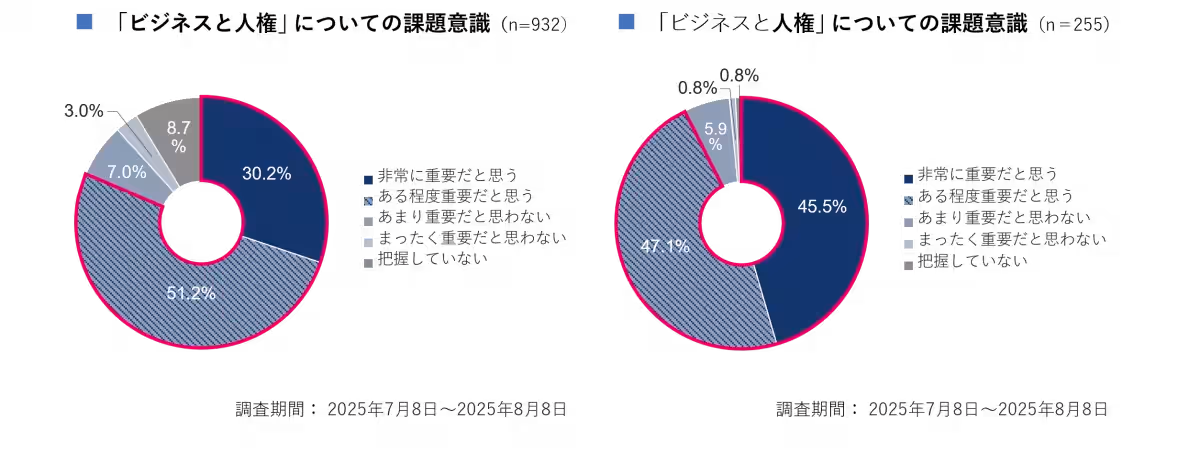
This low level of awareness raises critical questions about the adoption of human rights policies within SMEs. Despite acknowledging the importance of integrating human rights into business practices, many companies lag behind in formulating concrete policies.
Current Strategies and Practices
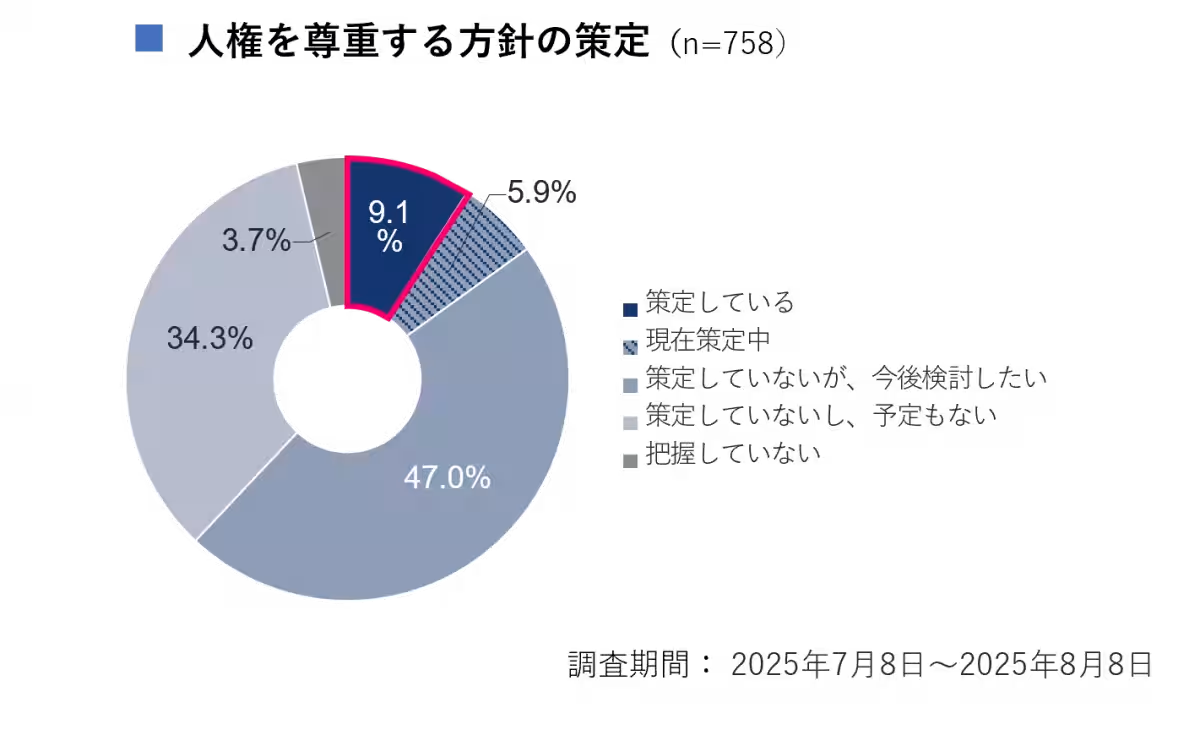
According to the findings, only 9.1% of SMEs have established a formal human rights policy. An additional 5.9% are in the process of developing one, which indicates that only 15% of SMEs are actively pursuing human rights-related strategies. This stark statistic underscores a significant gap between recognition of the importance of human rights in business operations and taking actionable steps toward implementation.
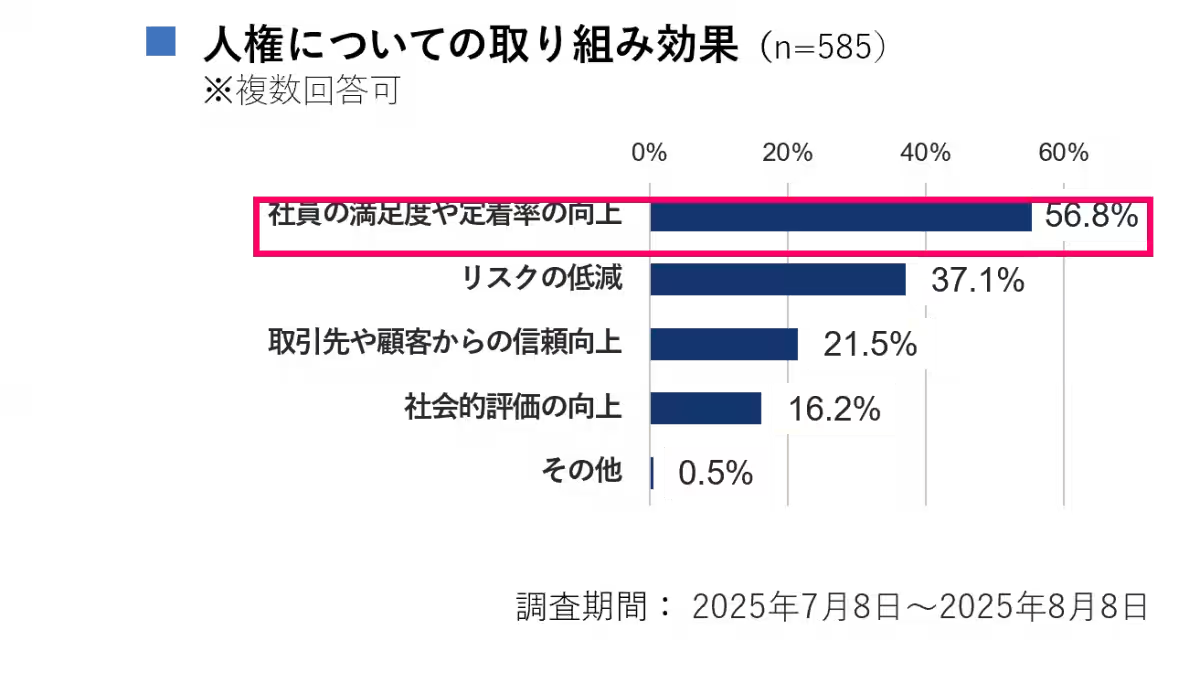
Interestingly, 56.8% of the SMEs that have initiated initiatives concerning employee rights reported positive effects such as enhanced employee satisfaction and retention rates. Other perceived benefits include risk reduction (37.1%), increased trust from clients and partners (21.5%), and improved social reputation (16.2%).
The Importance of Human Capital Management
The report emphasizes the growing significance of human capital management, where employees are not merely viewed as resources but as vital assets that contribute to a company’s long-term growth. Forval's research reflects an increasing recognition among SMEs that effectively managing human capital can lead to reduced risks associated with discrimination and harassment, ultimately enhancing the overall corporate value.
Despite the challenges, the persuasive evidence shows that establishing policies for human rights not only aligns with ethical business practices but also offers tangible advantages, such as improved employee engagement and reduced turnover rates. Given that about 60% of respondents indicated some level of initiative toward protecting human rights, it is evident that there is potential for growth and improvement in this area.
Conclusion
The findings presented in the BLUE REPORT provide a comprehensive view of how SMEs are grappling with the concept of business and human rights. As issues related to long working hours, harassment, and poor working conditions come more into the public eye, understanding and respecting human rights within the business context will be paramount. The research conducted by Forval calls for increased awareness and action from SMEs to adopt human rights practices, thereby enhancing the value they can provide to their employees and the broader community.
For more in-depth insights, companies and stakeholders are encouraged to review the full report available on the GDX Research website at this link. Additionally, businesses seeking assistance in formulating effective strategies for human rights management can refer to the resources offered by Forval GDX Research Institute.


Topics Business Technology)
【About Using Articles】
You can freely use the title and article content by linking to the page where the article is posted.
※ Images cannot be used.
【About Links】
Links are free to use.