



Majority of High School Teachers Support Revising Category-Based Assessment in Japan
Revising Category-Based Assessment: Insights from Kawai Juku's Survey
Introduction
In a recent survey conducted by Kawai Juku, a prominent educational institution in Japan, the responses of high school teachers regarding category-based learning assessment methods have been revealed. The survey, aimed at understanding the effectiveness of these evaluation methods, gathered insights from 158 educators. The findings highlight significant challenges and perceptions about the current evaluation mechanisms and propose a shift in the way students' learning attitudes are assessed in line with upcoming curriculum guidelines.
Background
As we move towards a new learning guideline set by the Central Council for Educational Research, discussions have intensified regarding the ideal methods for learning assessment. The council's recent session focused on evaluating how learning assessments can enhance educational engagement. A primary item on the agenda was to reconsider whether the attitudes of students towards learning should be quantitatively evaluated. Following these discussions, Kawai Juku conducted a survey among high school and secondary school instructors to reflect on the three years of implementing category-based assessments since their introduction in 2022 and to gather opinions on these proposed guidelines.
Key Findings
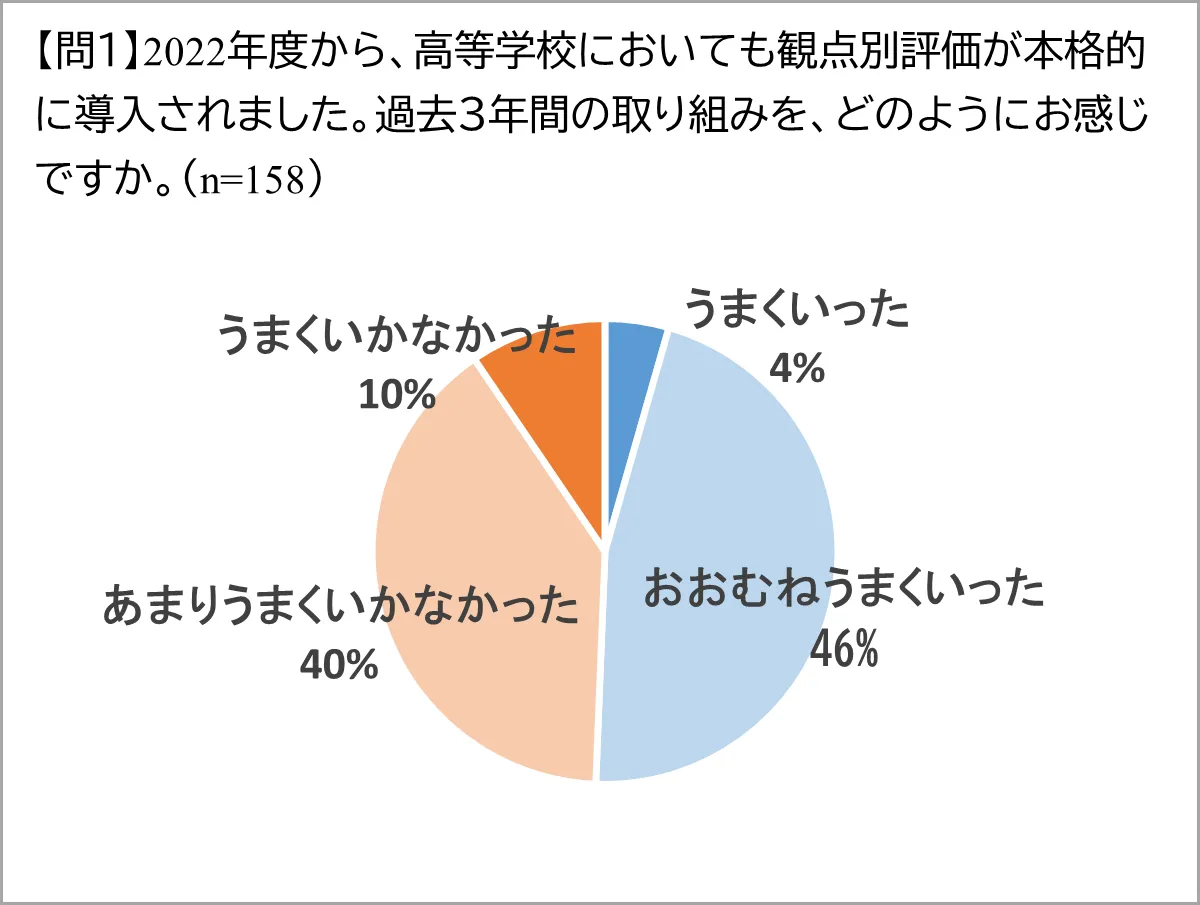
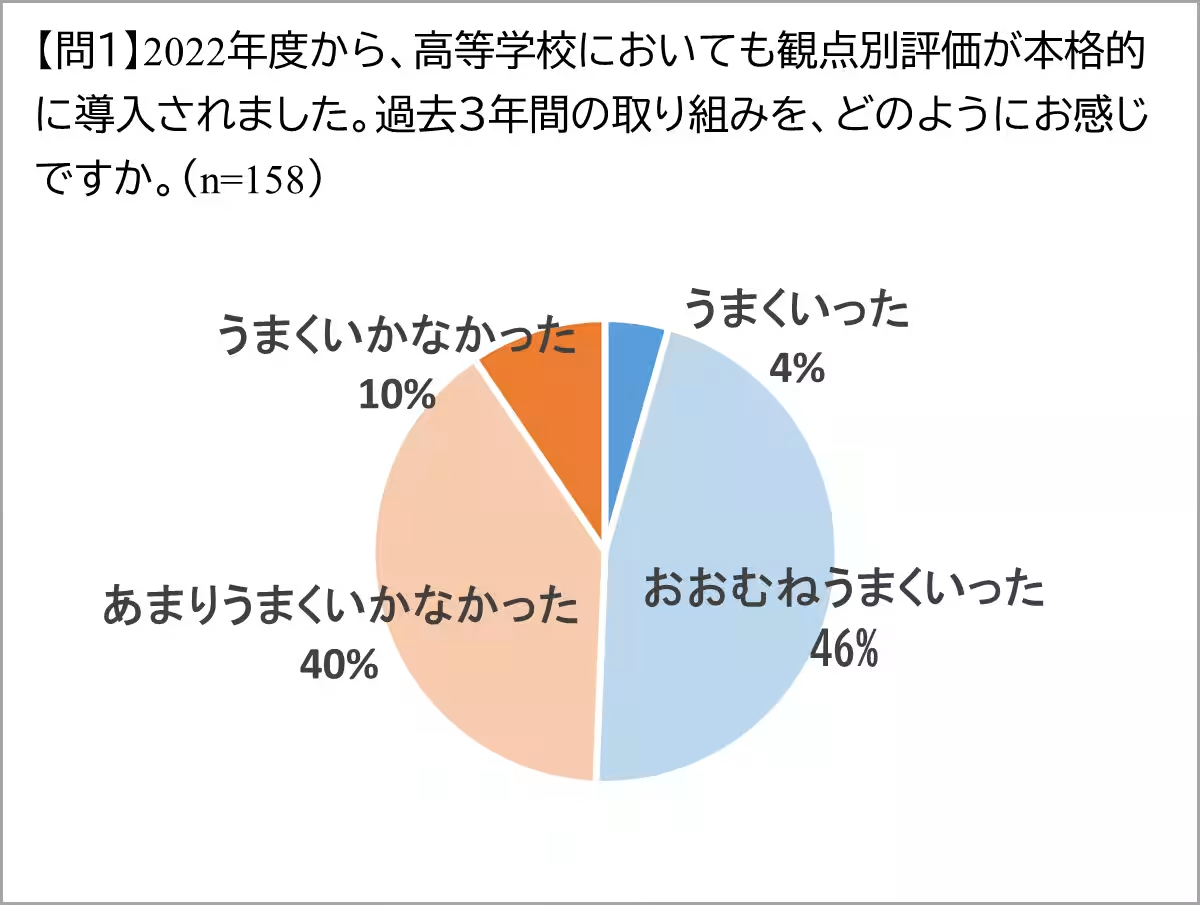
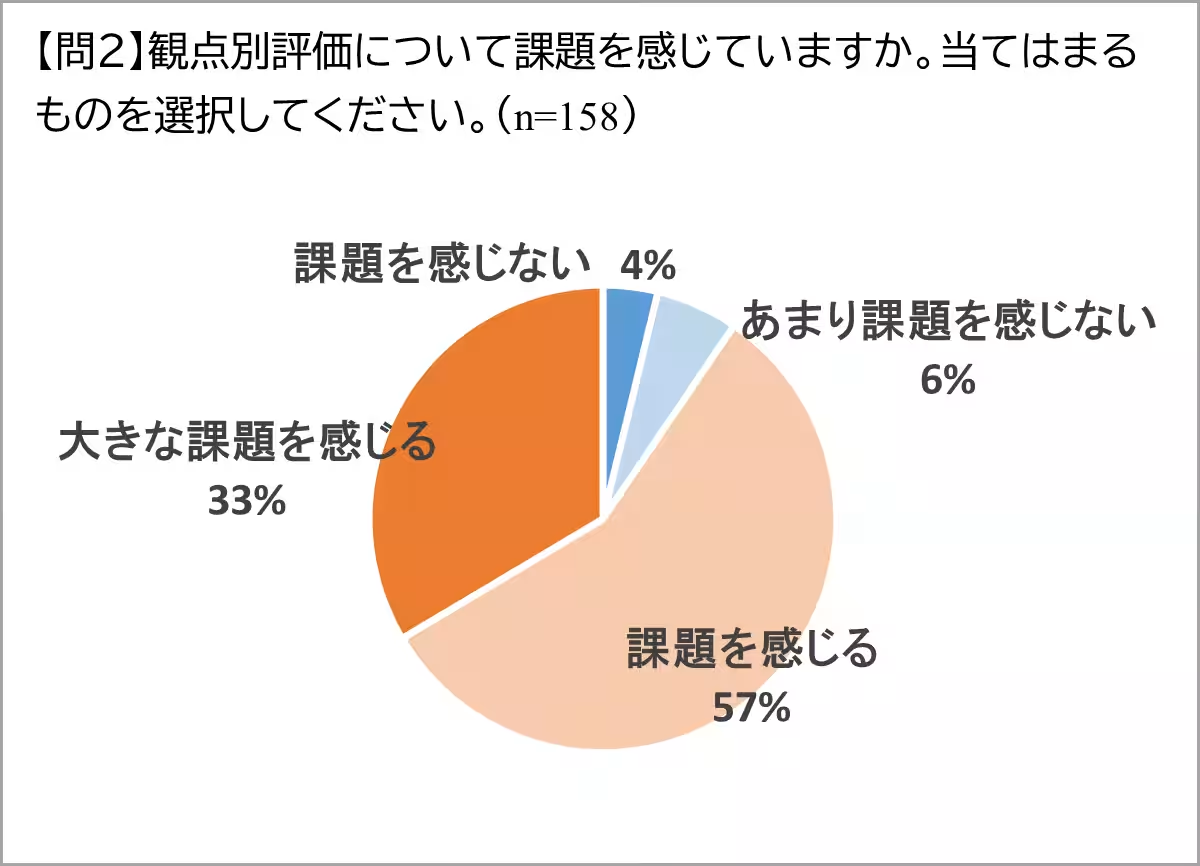
1. Challenges with Category-Based Assessment: 90% of the teachers surveyed expressed that they have encountered issues with category-based assessments within their schools. When reflecting on the last three years, around 50% stated that they felt the process was successful, mirroring findings from earlier studies. However, despite acknowledging some successes, over 80% of those who felt it was effective also noted significant challenges remaining. Concerns were raised regarding the subjective nature of evaluations and the inconsistencies across different schools in evaluating student performance.
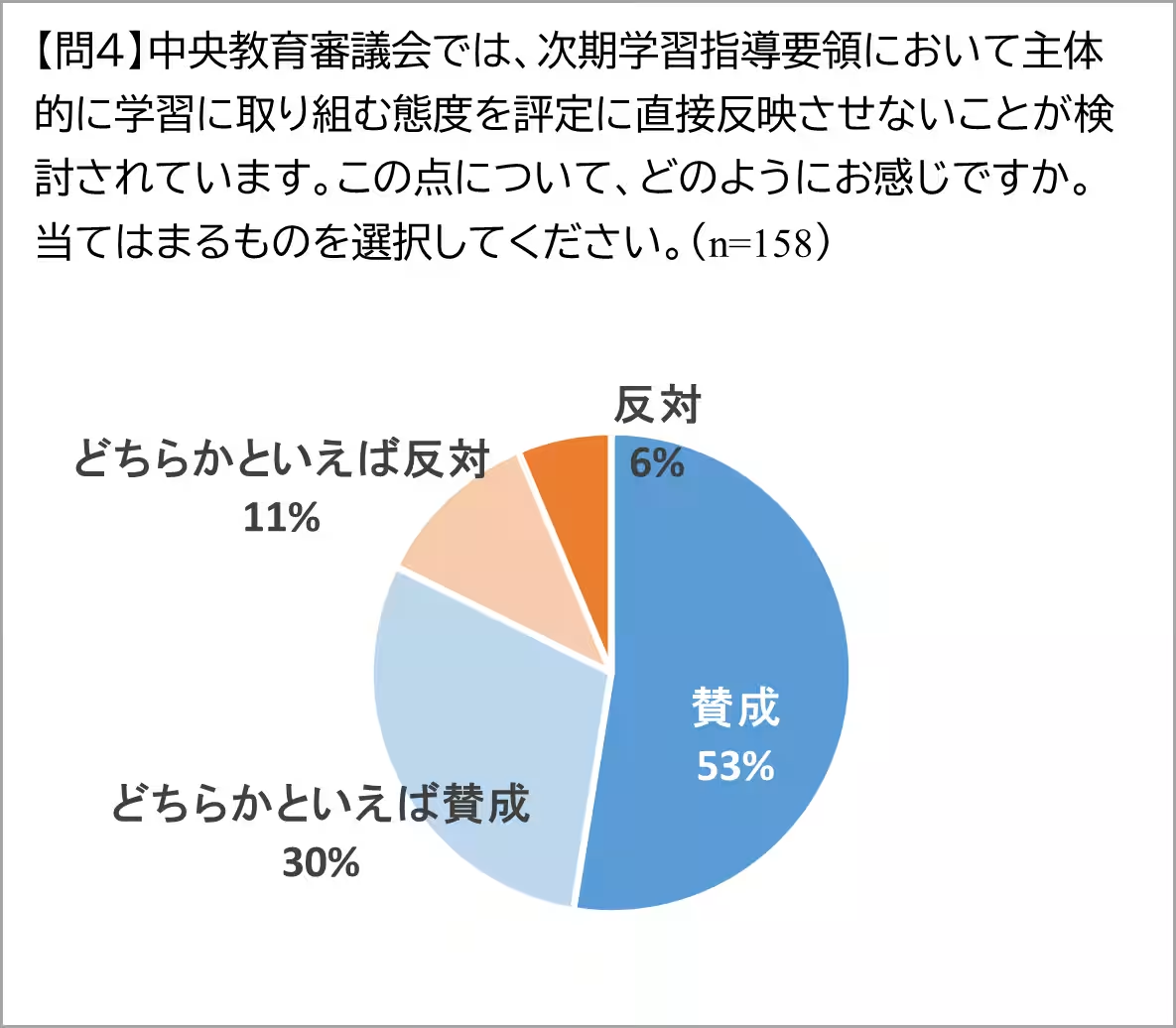
2. Support for Revision: An impressive 83% of educators supported the proposal to exclude the direct evaluation of students' attitudes towards learning from assessments. Many teachers pointed out the complexities involved in quantifying student autonomy and the difficulty in establishing fair and consistent evaluation standards. There was a shared sentiment that teachers should first have their workloads reduced before additional evaluation measures are introduced.
3. Voices of Dissent: While the majority supported the revisions, some educators voiced concerns about losing focus on fostering student autonomy and the negative implications for students who might struggle under a new evaluation system. They argued that changes should not be made impulsively without exploring creative solutions for measurable outcomes.
Conclusion
The challenges associated with category-based assessment are well-documented, and the substantial support for potential revisions indicates a response rooted in the realities of educational practice. However, the importance of cultivating students' abilities to learn independently and their character remains paramount. Future discussions should focus on clarifying what it means to build these essential skills while also innovating assessment methods that are manageable for educators and beneficial for students' growth. As this discourse continues, there is hope to successfully marry knowledge, skills, and the evaluation of students’ cognitive abilities without overwhelming teachers or detracting from students' educational journeys.
For more detailed insights into the survey conducted in 2025 on category-based evaluation, please visit Kawai Juku's official results page.
Topics Other)
【About Using Articles】
You can freely use the title and article content by linking to the page where the article is posted.
※ Images cannot be used.
【About Links】
Links are free to use.