



Graduating Students' Positive Attitudes Towards Manufacturing Industry in 2026
Exploring Graduating Students' Insights on the Future of Manufacturing
Introduction
In a recent survey conducted by Caddi Inc., a startup focused on utilizing data and AI in manufacturing, significant insights were gathered regarding the expectations of graduating university and graduate students entering the manufacturing industry in 2026. With 81 respondents, this survey aimed to capture their perceptions and aspirations toward a sector that continues to face challenges such as workforce shortages and the complexity of skill transfers.
Survey Summary
Positive Impressions Before Employment
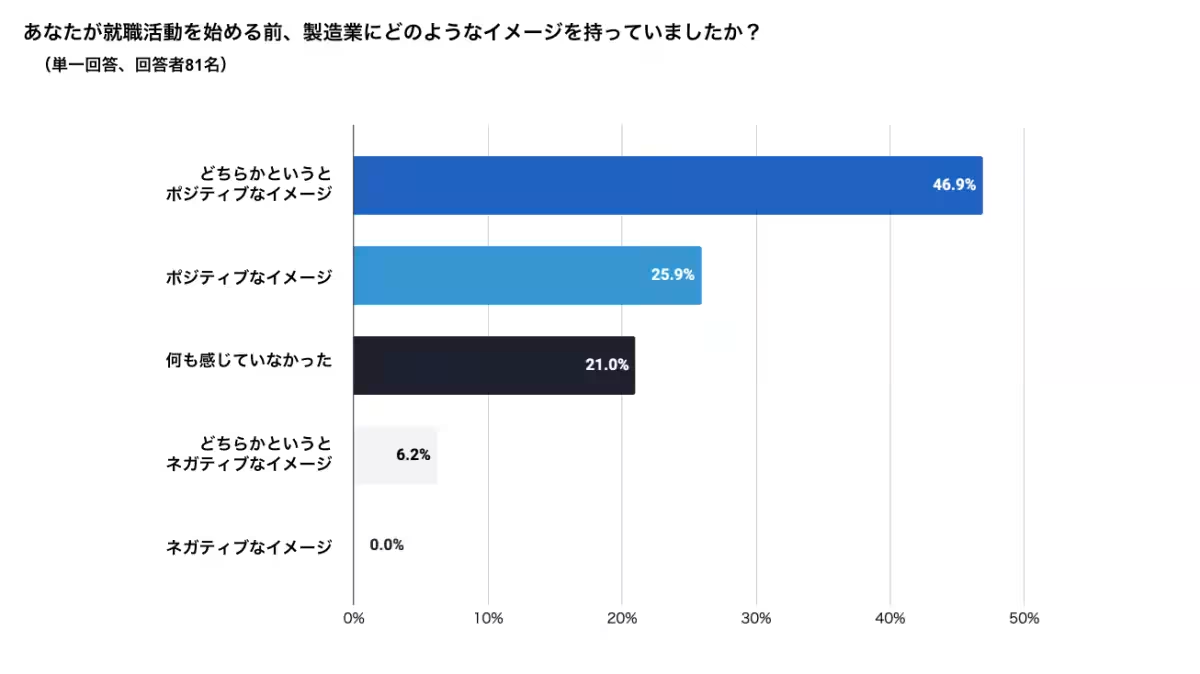
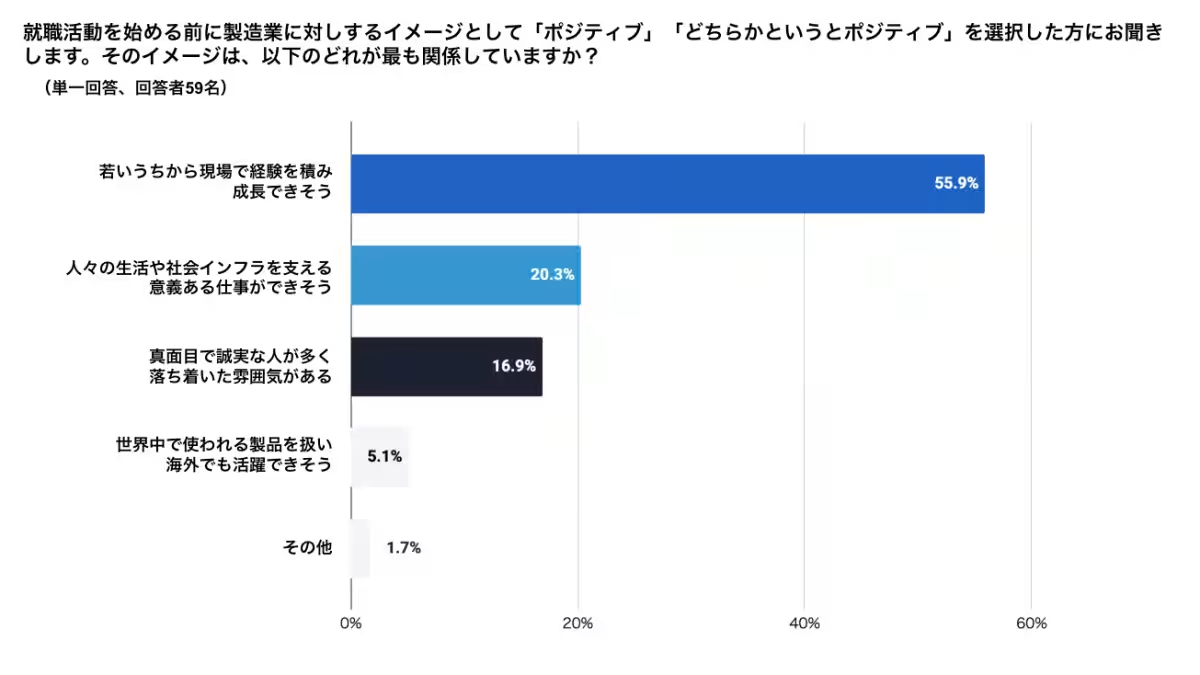
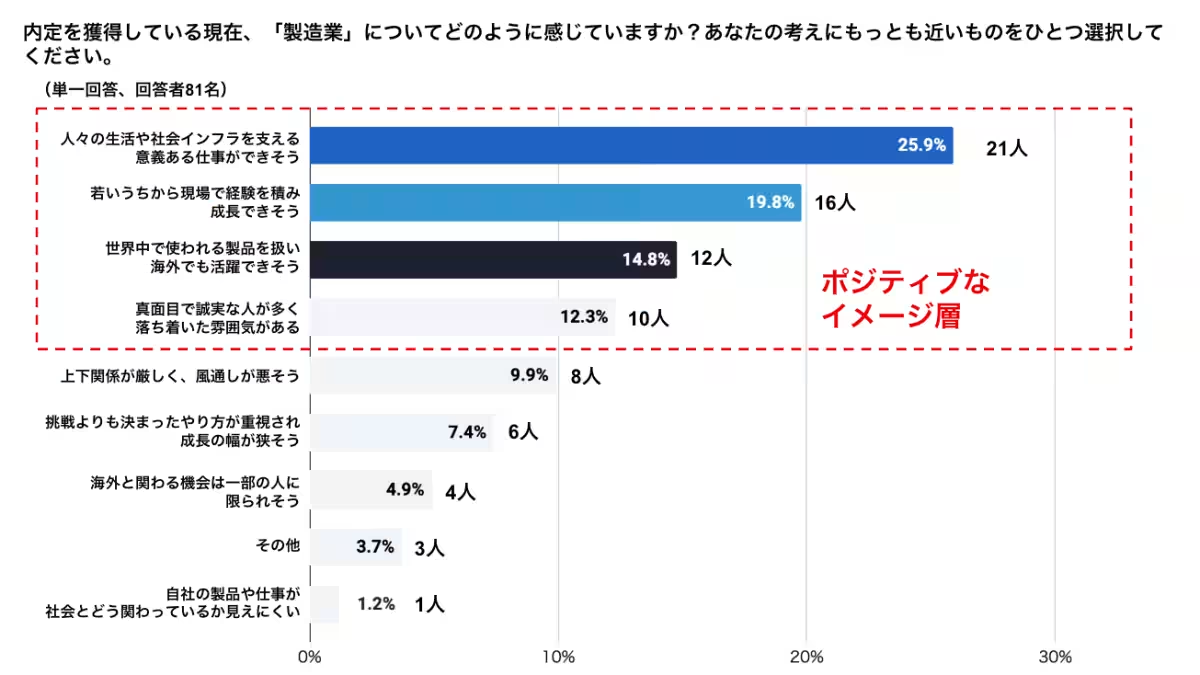
Interestingly, it was found that approximately 72.8% of students had a positive view of the manufacturing industry prior to their job search. Of those, 46.9% described their feelings as 'somewhat positive' and 25.9% as 'positive.' This promising statistic indicates that students who perceive a positive image of the industry are more likely to seek employment within it. Of these students, a majority, 55.9%, expressed a strong anticipation for personal growth through hands-on experiences early in their careers.
Changes in Industry Perception
Post-employment offers, the impression of the manufacturing sector remained notably positive among respondents, although some concerns were voiced regarding workplace culture. For instance, 9.9% of students expressed anxiety over strict hierarchical structures, and a further 7.4% feared that routine practices could limit personal development. This reveals a complex response where positives are tempered with concerns about the real working environment.
Influences on Perception
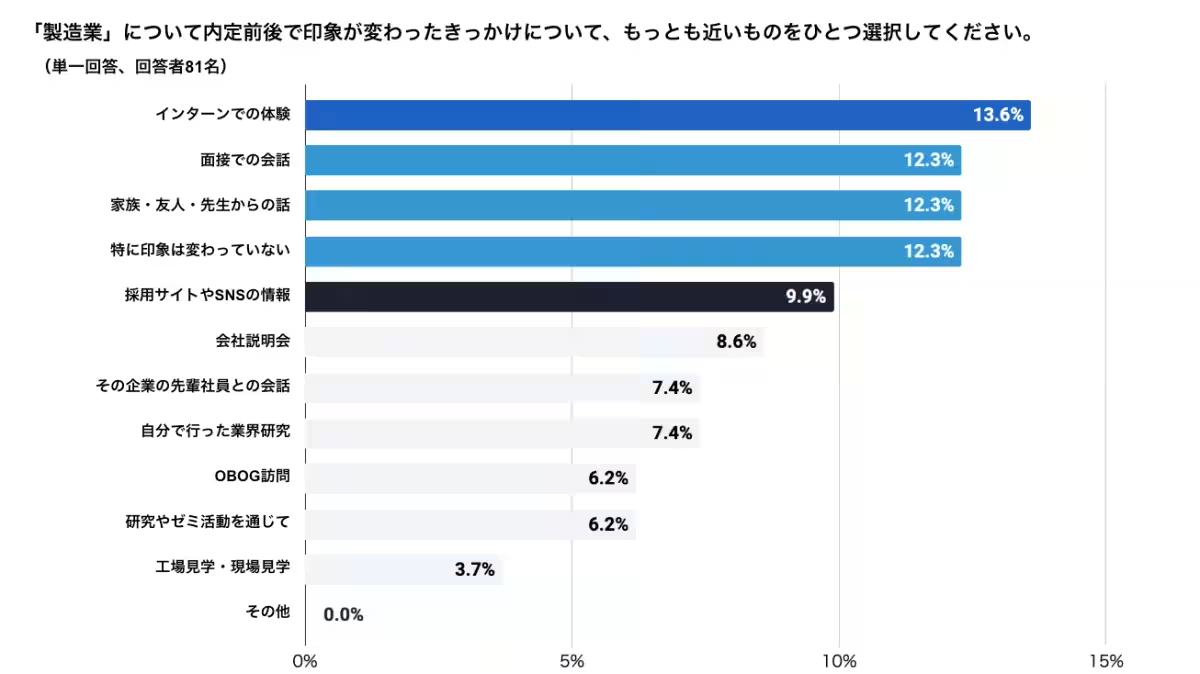
The survey highlighted that the shifts in perception before and after job offers were often influenced by direct interactions. Internships were cited by 13.6% of participants as pivotal in shaping their views, followed closely by insights gained from interviews and discussions with family and friends.
Motivations for Choosing Manufacturing
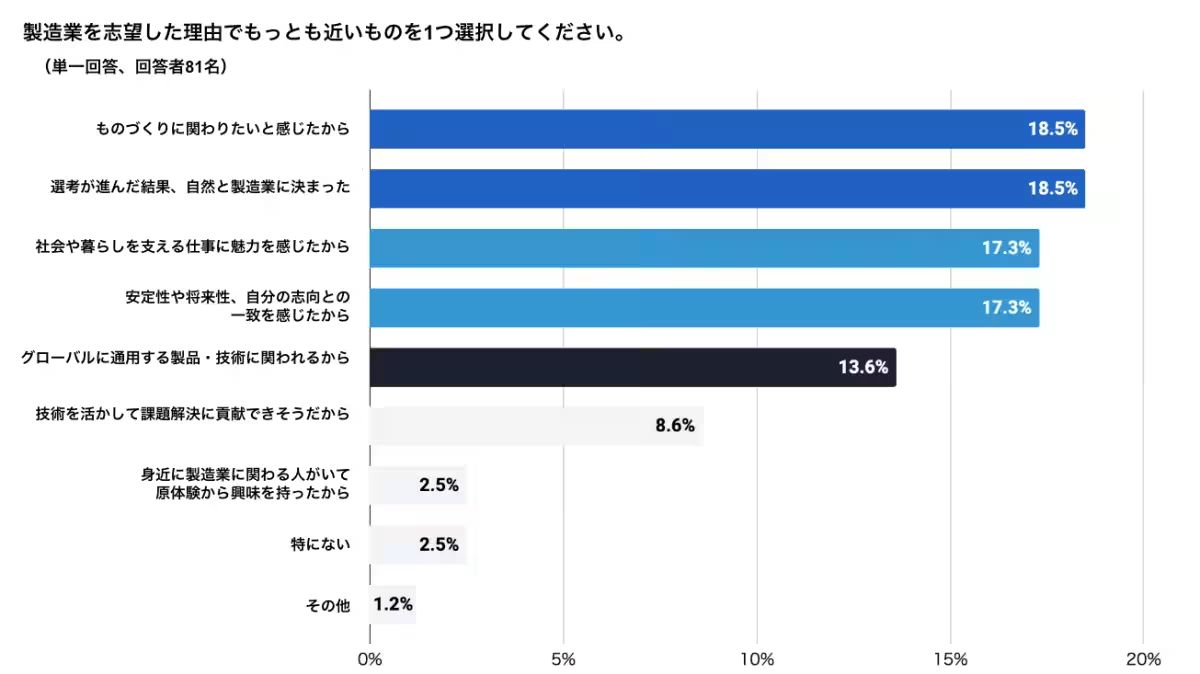
When asked about their motivations for choosing a career in manufacturing, responses were equally split between those wanting to engage in 'manufacturing processes' and those whose choices were guided by the natural progression of the selection process, both standing at 18.5%. Additional considerations included aspirations to support society and lifestyle stability, each attracting 17.3% of responses. This indicates that candidates are inspired by both intrinsic and extrinsic factors.
The Role of AI and Robotics
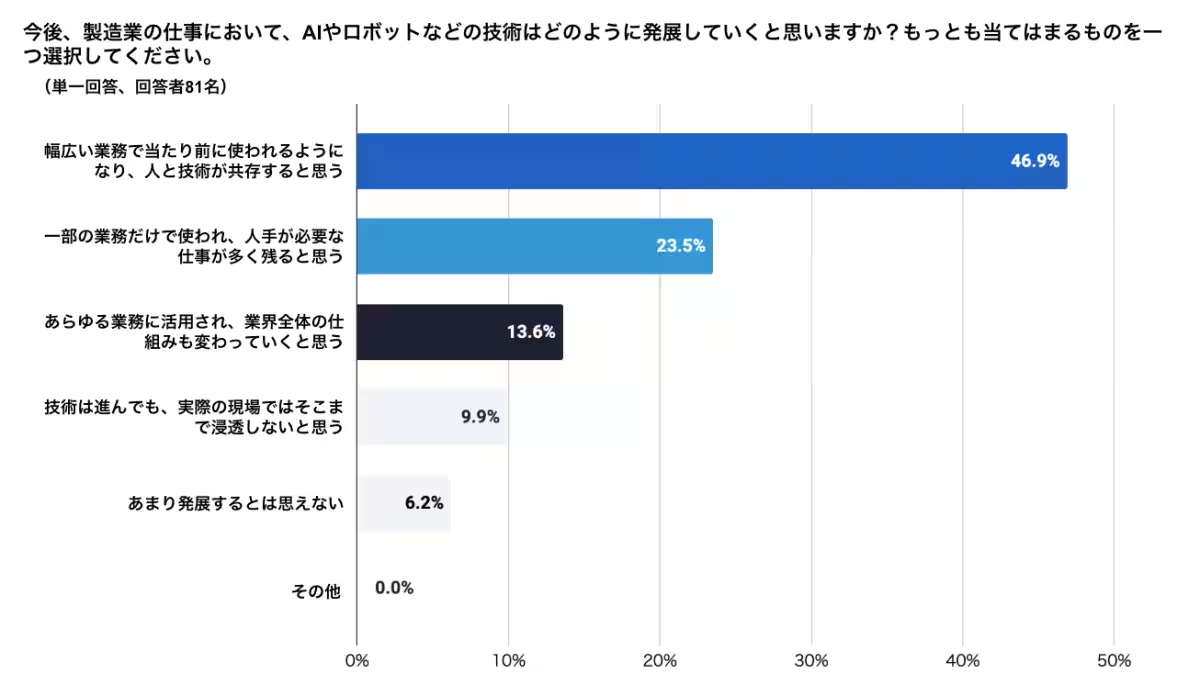
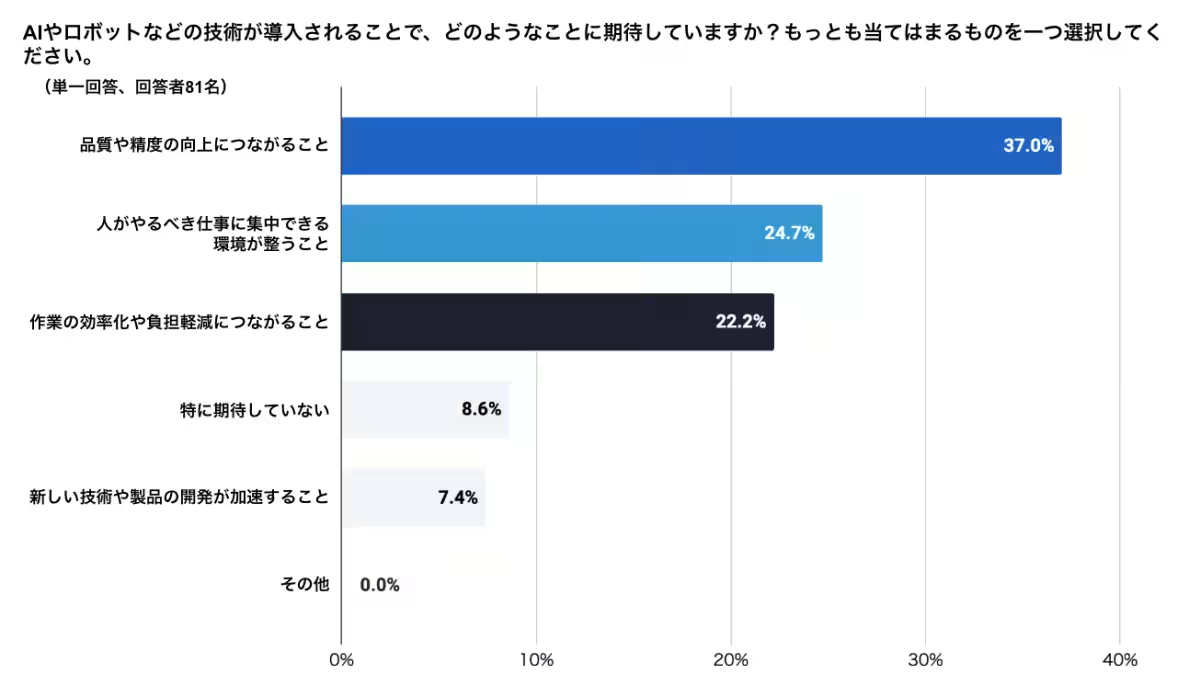
Remarkably, over 60% of respondents predicted that AI and robotic technologies would play pivotal roles across diverse functions within the industry. Their outlook supports a vision where humans and technology coexist, with only 16.1% suspecting minimal future development in tech integration. Students expect significant contributions from AI, particularly in enhancing quality and precision, and enabling workers to focus on essential tasks.
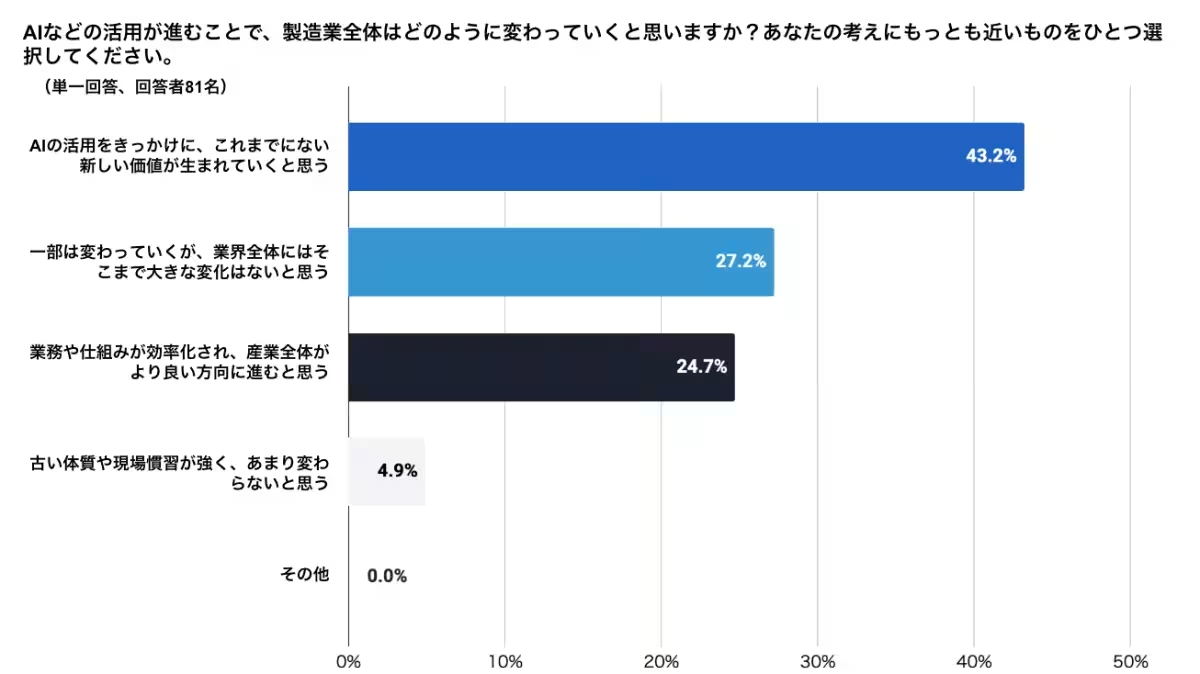
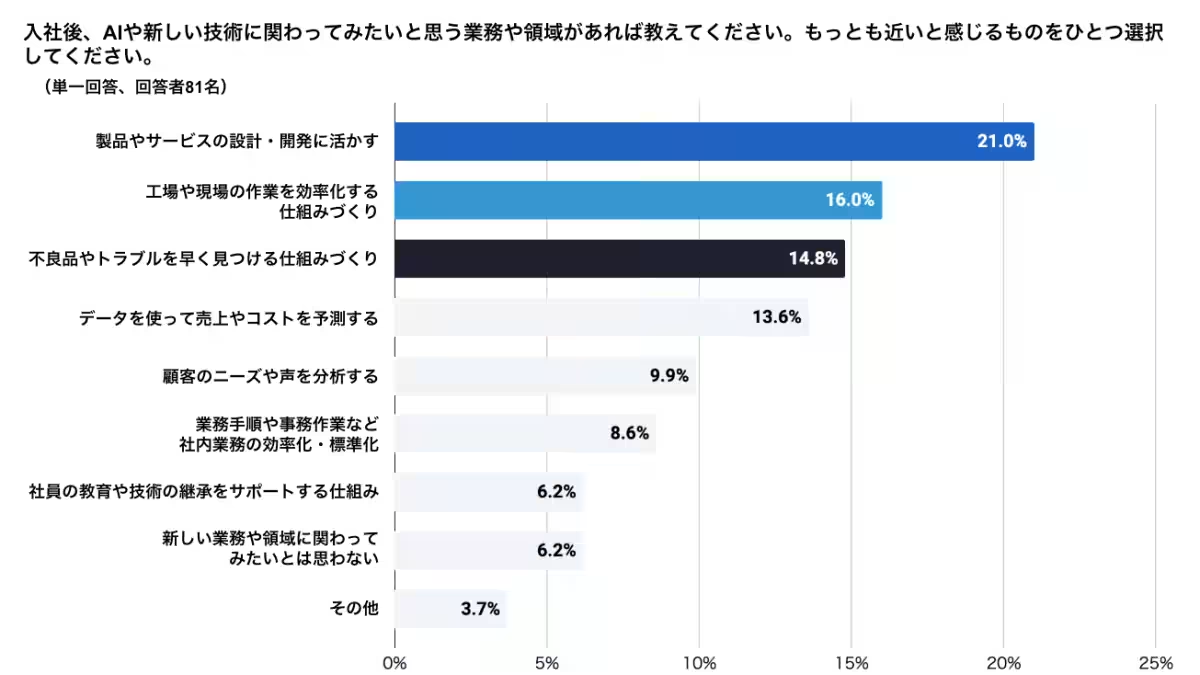
Additionally, nearly 43.2% believe that integrating AI will yield entirely new industry values, while 24.7% foresee improvements directing the industry towards a more advantageous state. The notion of being actively involved with AI and new technologies resonated with about 90% of respondents, showcasing widespread enthusiasm for contributing to advancements in areas such as product design and production efficiency.
Expectations for Manufacturing’s Future
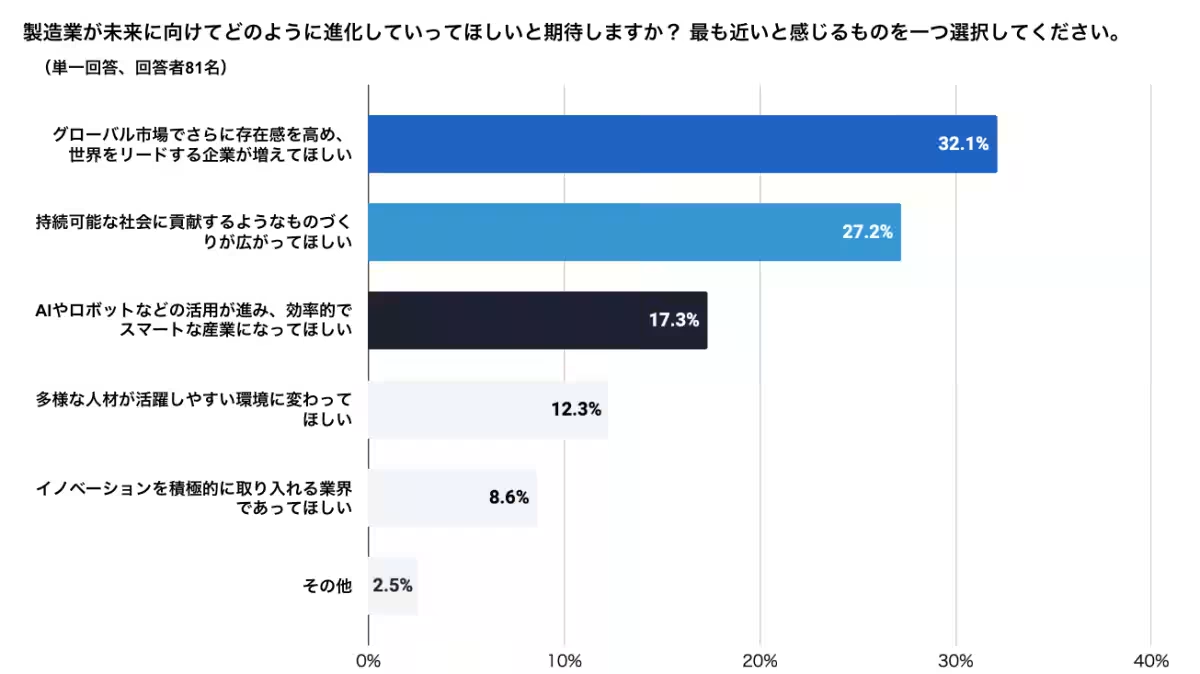
When contemplating the future of manufacturing, students expressed substantial hope for the sector to emerge as a leader in the global market, with 32.1% wishing to see the industry become a guiding force. Furthermore, the aspiration to contribute to a more sustainable society garnered significant attention (27.2%).
This sentiment underscores not only the desire to reinforce manufacturing's competitive edge internationally but also a shared commitment to making a meaningful impact on contemporary issues such as sustainability.
Conclusion
The findings of the survey reveal an eager generation entering the manufacturing workforce, equipped with a desire for personal growth and underpinned by a positive perception of the industry’s evolving landscape. With a clear vision for the future, characterized by technological integration and global responsibility, these young professionals might very well play a pivotal role in redefining the industry's narrative. Their forward-thinking attitudes towards AI as a catalyst for change position them as innovators in an industry urged to transform and adapt to the demands of the modern world.
As the industry navigates its challenges, the optimism and ambition of today’s graduates signal a positive trajectory, as they are prepared to embrace the potential of technology and contribute constructively towards a sustainable future.

Topics Business Technology)
【About Using Articles】
You can freely use the title and article content by linking to the page where the article is posted.
※ Images cannot be used.
【About Links】
Links are free to use.