



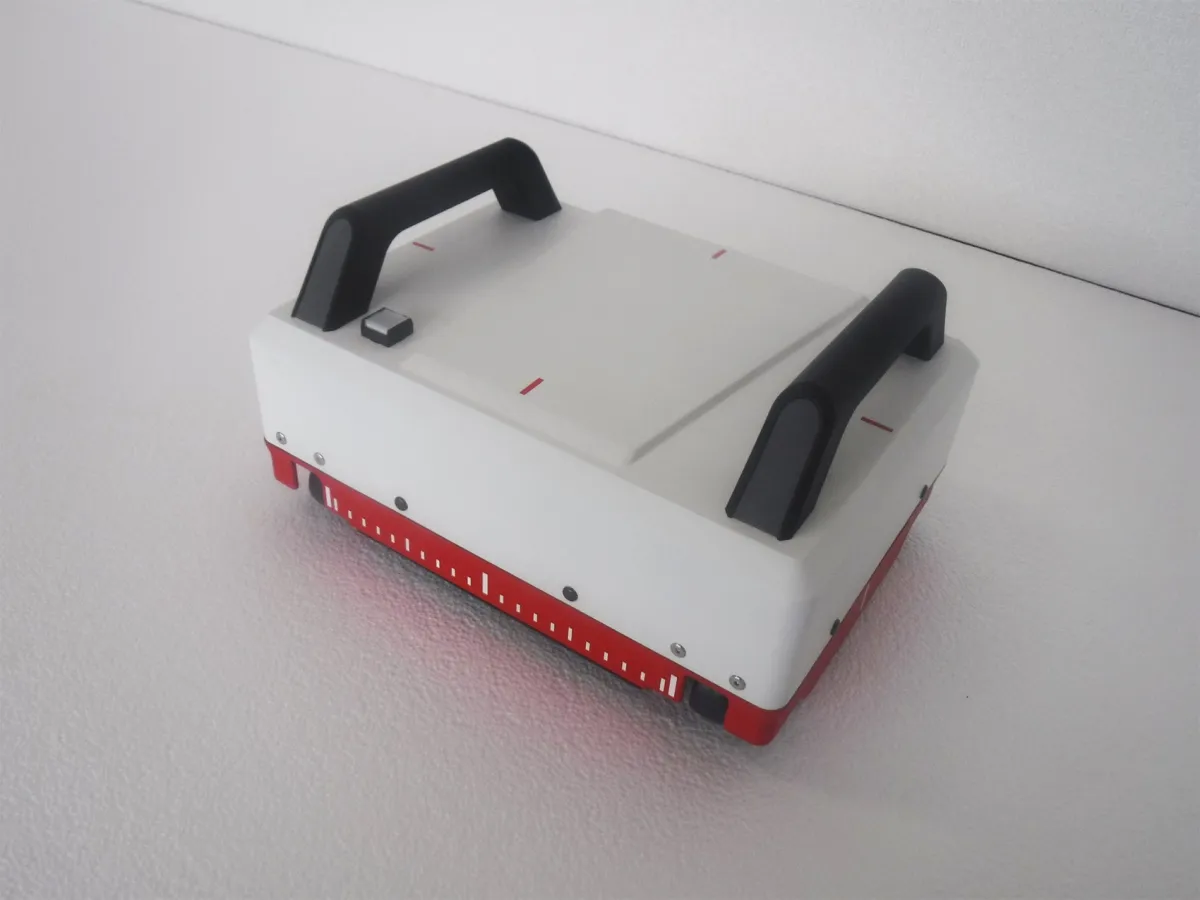
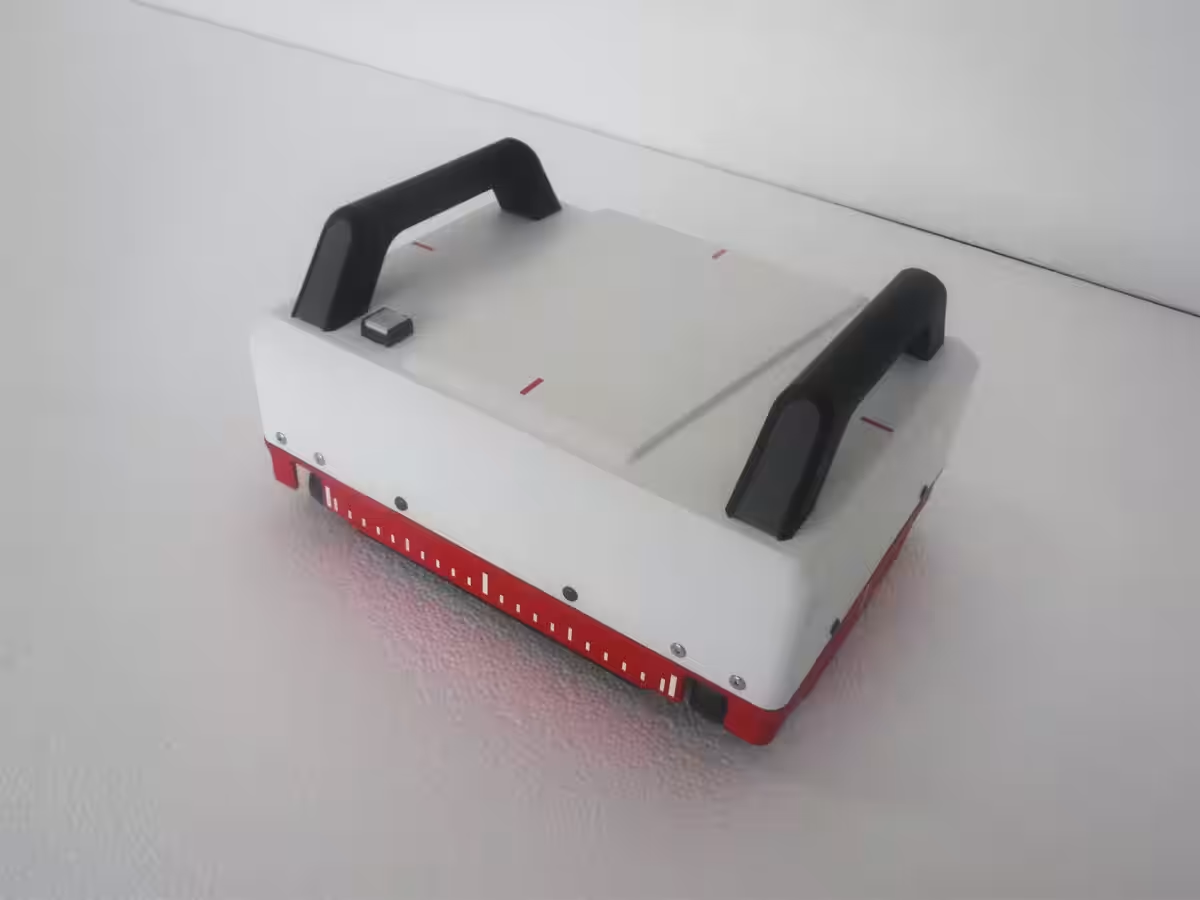
Introduction of Advanced Moisture Detection Device for Residential Walls by Daiwa House Industry
Innovating Moisture Detection in Residential Walls
In a significant advancement for the housing industry, Daiwa House Industry, in collaboration with Mitsui E&S Technical Research, has launched a state-of-the-art moisture detection device tailored for residential walls. This innovation is the culmination of integrating Daiwa's proprietary moisture detection technology with Mitsui E&S's groundbreaking Multi-Pass Radar (MPLA) technology, designed for the non-destructive inspection of building materials.
The Importance of Monitoring Moisture Levels
Moisture levels play a crucial role in determining the lifespan and durability of building materials. Over time, excessive moisture can lead to deterioration, affecting the structural integrity of homes. Recognizing this, the newly developed moisture detection device serves to identify high-moisture areas within walls, providing insights that allow for timely intervention and remediation.
Key Features of the Device
One of the most remarkable features of this new device is its ability to highlight areas with elevated moisture content in red, making it easy for technicians to identify potential problem spots swiftly. Unlike traditional methods that may be cumbersome and time-consuming, this innovation promises to streamline the inspection process.
Furthermore, the device has been optimized for detecting moisture within the outer walls of residences, utilizing modifications made to the MPLA-1645A concrete structure inspection device provided by Mitsui E&S Technical Research. These enhancements ensure that the device is highly effective for residential applications.
Collaborative Development for Practicality
The Mitsui E&S Group, alongside Mitsui E&S Technical Research, is dedicated to exploring new applications for MPLA radar technology. Their collaboration extends to the practical testing and validation of the moisture detection device among various companies within the Daiwa House Group. The aim is to prove the device's reliability and effectiveness, ensuring that it meets industry standards and customer needs.
Expanded Applications
The introduction of this moisture detection device marks a shift in the usage of MPLA radar technology, which has primarily been applied in the inspection of concrete structures such as roads, tracks, and tunnels. By venturing into the residential sector, the technology can assist in a broader range of inspections, ensuring that homes are built to last and remain safe for inhabitants.
Conclusion
With the launch of this innovative moisture detection device, Daiwa House Industry and Mitsui E&S Technical Research are setting a new standard for building maintenance and safety. By combining advanced technology with practical applications, they are not only enhancing the durability of residential buildings but also contributing to overall better living conditions for homeowners.
As the housing industry continues to evolve, this collaboration between two powerhouses illustrates the importance of embracing technology to solve real-world challenges. The moisture detection device shows promise not just for immediate needs but also for a future where proactive maintenance becomes the norm in residential construction.

Topics Consumer Products & Retail)
【About Using Articles】
You can freely use the title and article content by linking to the page where the article is posted.
※ Images cannot be used.
【About Links】
Links are free to use.