



The Shift from Male-Centric to Female-Initiated Marriage Approaches in Japan
A New Era in the Marriage Scene in Japan
In Japan, the traditional notion where men took the lead during courtship is experiencing a significant shift. A recent study by the Institute of Marriage Future Studies, run by IBJ, based in Shinjuku, Tokyo, has revealed that women who achieve marriage are now exhibiting nearly double the proactive behavior compared to their male counterparts. This groundbreaking research delves into the marriage process of 33,925 women who have either successfully married or navigated through marriage consulting services.
Increased Proactivity Among Women
The data from IBJ indicates a major transformation in marital pursuits, showing that married women are engaging in self-initiated approaches much more than those who remain single. This study sheds light on the robust correlation between the number of proactive actions (or approaches initiated) by women and their likelihood of finding a partner. In contrast to older views suggesting that men prefer to chase women, this evidence strongly supports the idea that an active pursuit by women results in higher marriage success rates.
The Speed of Marriage and Gender Differences
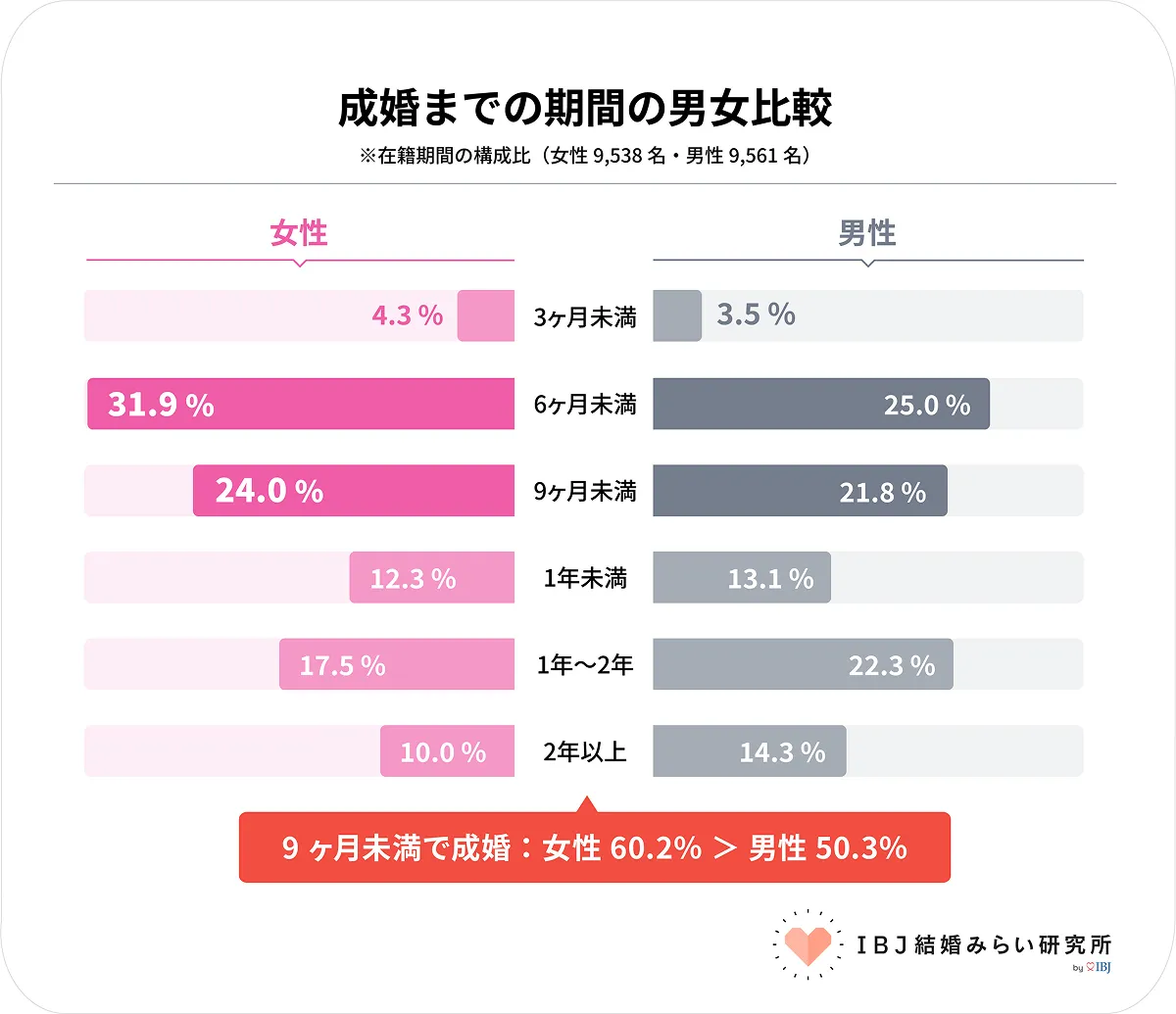
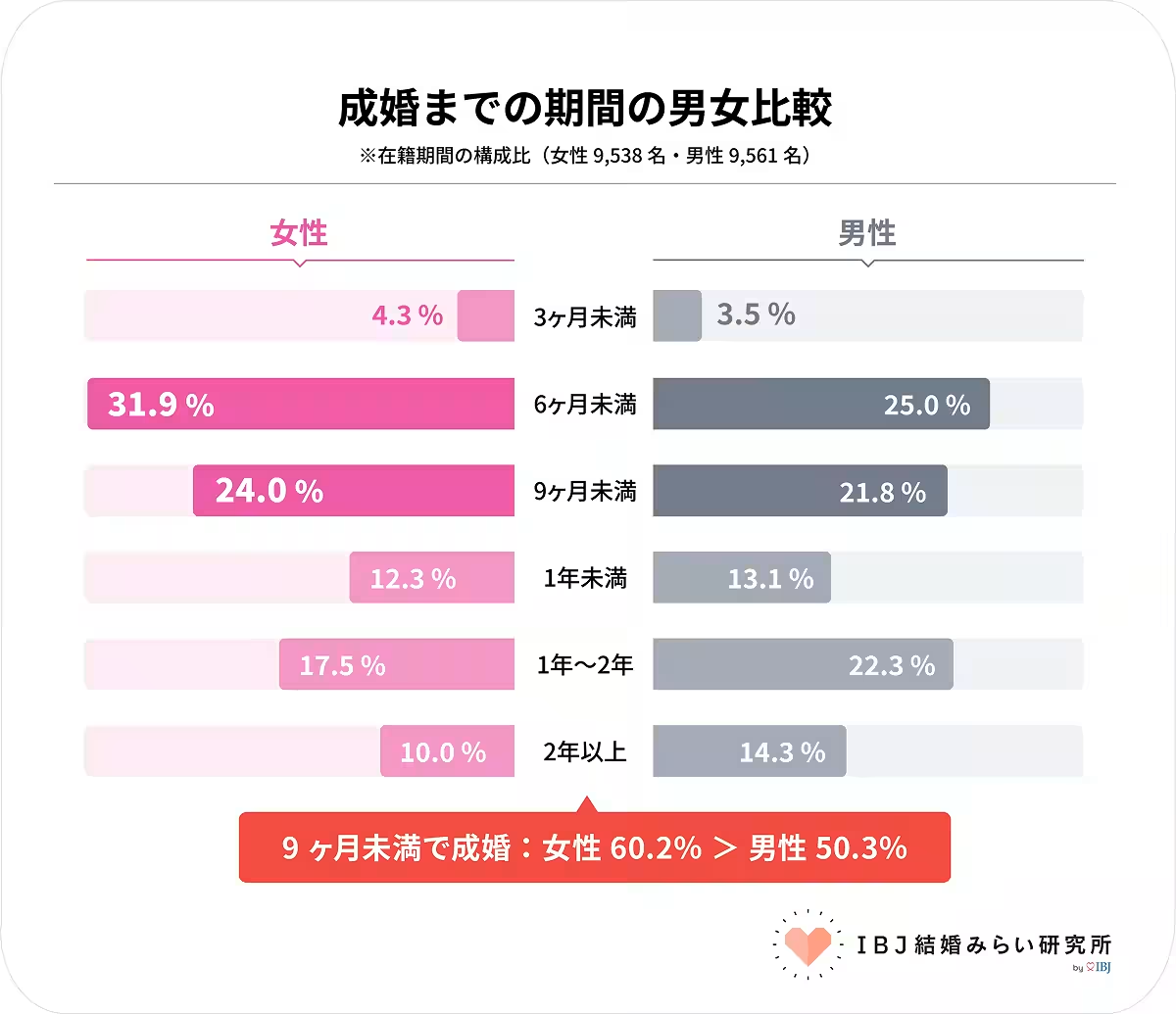
Analyzing the duration it took men and women to achieve marriage through consulting services reveals interesting findings. Approximately 60.2% of women reached their marriage goals within nine months, outpacing men by nearly 10 percentage points, where only 50.3% achieved marriage in the same timeframe. Notably, 31.9% of women accomplished this in under six months, while more than half spent less than a year actively searching for and finding partners. This trend highlights that women today approach marriage with clarity in their timelines and an increasingly efficient and assertive mindset, known as time-efficient marriage searching.
The Volume of Marriage Proposals by Age Group
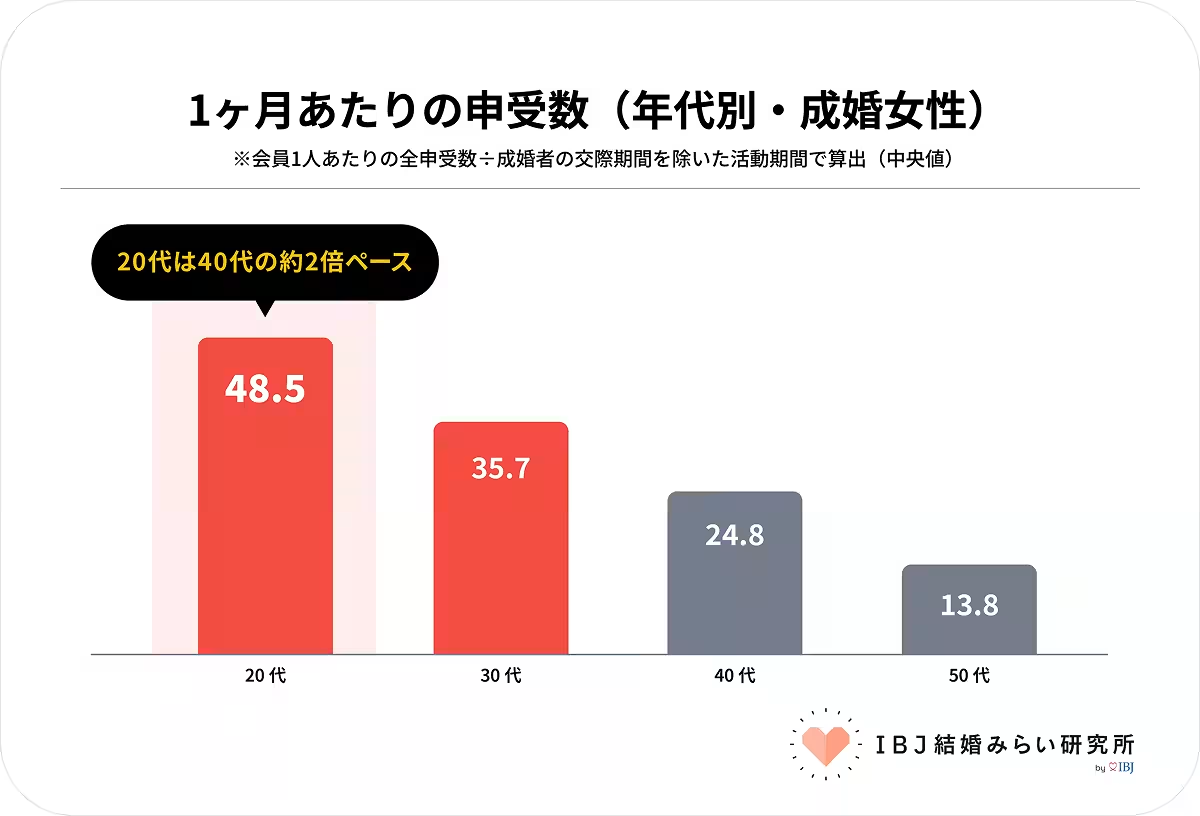
The study also examined the average number of proposals women receive based on their age. The findings revealed that women in their 20s receive a remarkable average of 48.5 marriage proposals monthly, specifically surpassing the 40-something demographic, who receive about 24.8 proposals. Even as women age into their 40s and 50s, the data shows a stable inflow of proposals, with women in their 50s receiving approximately 13.8 proposals, illustrating a consistent demand for marriage opportunities across various age groups.
Action Correlates with Success
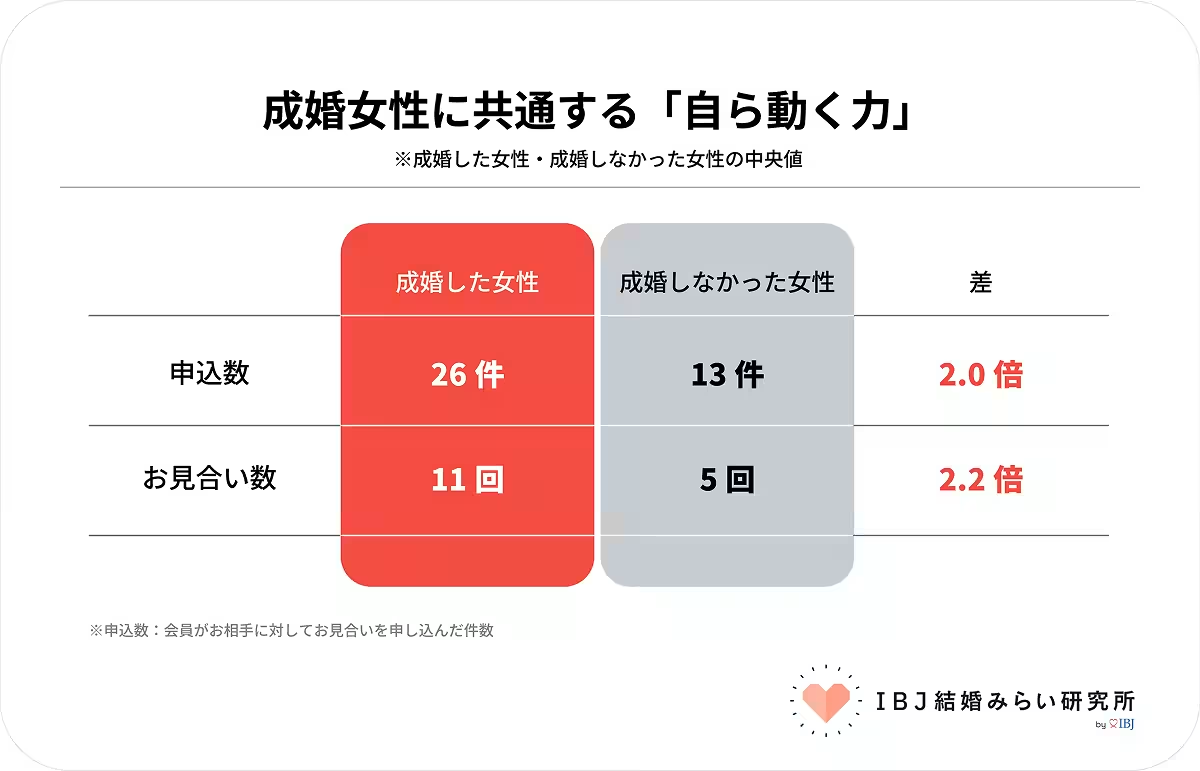
Interestingly, the analysis pointed out that women who successfully married actively engaged much more than those who did not. Women who married submitted 26 proposals each (about twice as many as non-married women) and engaged in 11 meetings on average, reflecting their capability to create opportunities for themselves. The proactive initiative in seeking these encounters is undoubtedly pivotal for enhancing marriage success rates, turning the narrative towards women's flourishing roles in the marital landscape.
Future Insights from IBJ
IBJ plans to continue releasing new and insightful data, including trends on marriage demographics, such as the frequency at which older women marry and patterns showing that alcohol consumption might correlate with higher marriage success. Each week, they will unveil fresh findings that contribute to a deeper understanding of contemporary marriage dynamics.
For those interested in more on the Institute of Marriage Future Studies, you can explore additional insights via their website here.
Conclusion
The changing landscape of marriage in Japan emphasizes a growing empowerment among women, showcasing their assertive steps towards finding love. This shift not only enriches the personal experiences but also cultivates a healthier culture surrounding relationships, marriage, and emotional bonding.
For media inquiries regarding this data or to request an interview, please contact IBJ Public Relations at [email protected].

Topics People & Culture)


【About Using Articles】
You can freely use the title and article content by linking to the page where the article is posted.
※ Images cannot be used.
【About Links】
Links are free to use.