




Changing Perspectives on Bonus vs. Monthly Salary Among Japanese Employees
Changing Perspectives on Bonus vs. Monthly Salary
As summer approaches, many employees in Japan look forward to receiving their annual bonuses, an expected financial boost during the season. However, an emerging trend suggests a shift in attitudes toward bonuses and salaries. Led by Yuichi Sugawara, a tax advisor known for his popular YouTube channel '脱・税理士スガワラくん', a recent survey reveals that an increasing number of employees prefer receiving a higher monthly salary over receiving bonuses. This article delves into the details of Sugawara's survey and provides clarity on the changing salary structures in contemporary workplaces.
Survey Overview
Conducted between June 11 and July 30, 2026, the survey encompassed 400 full-time employees aged between 20 and 60. The research utilized an online platform and was executed by the agency Freeasy. The primary aim was to measure the attitude of employees toward bonus systems and their preferences regarding salary structures, especially in light of recent corporate shifts to consolidate bonuses into monthly pay.
Key Findings
- - Over 60% of respondents still receive bonuses, with the highest acceptance rate among employees in their 40s.
- - More than 90% of companies that offer bonuses did actually distribute them in the previous year.
- - Bonus spending has shifted from being a reward to a necessity, with over 70% opting for saving, indicating a performance-based cultural shift.
- - The preference for higher monthly salaries over bonuses is prominent, particularly among young workers.
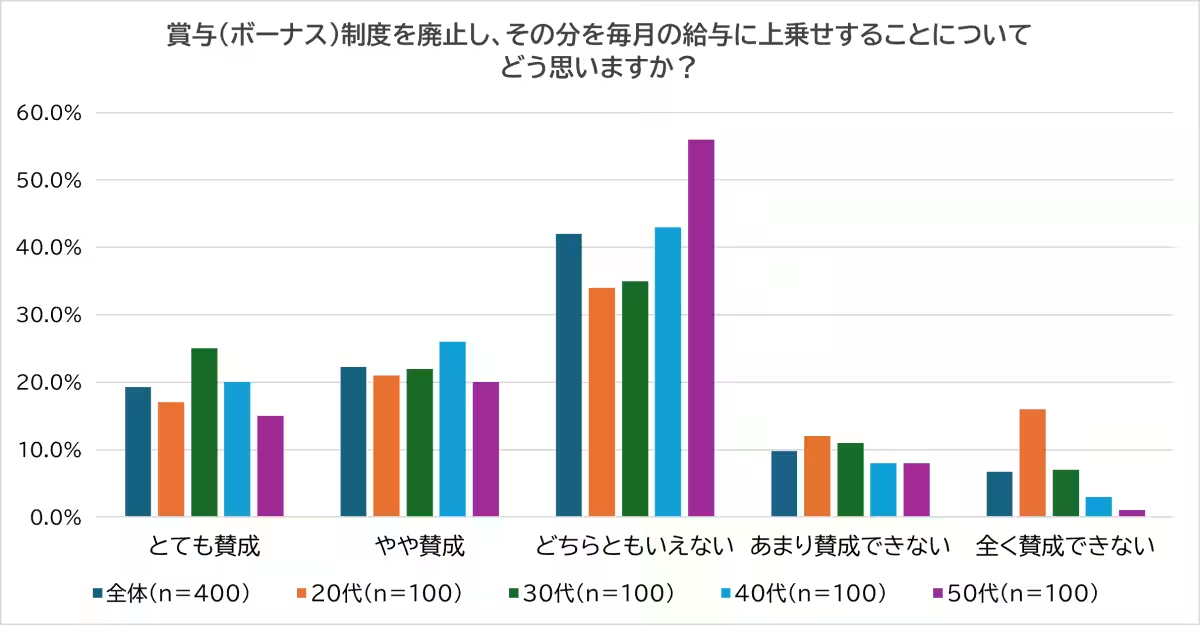
- - The survey revealed that support for transitioning bonuses into salary is approximately 41.6%, with a substantial number remaining undecided.
Detailed Results
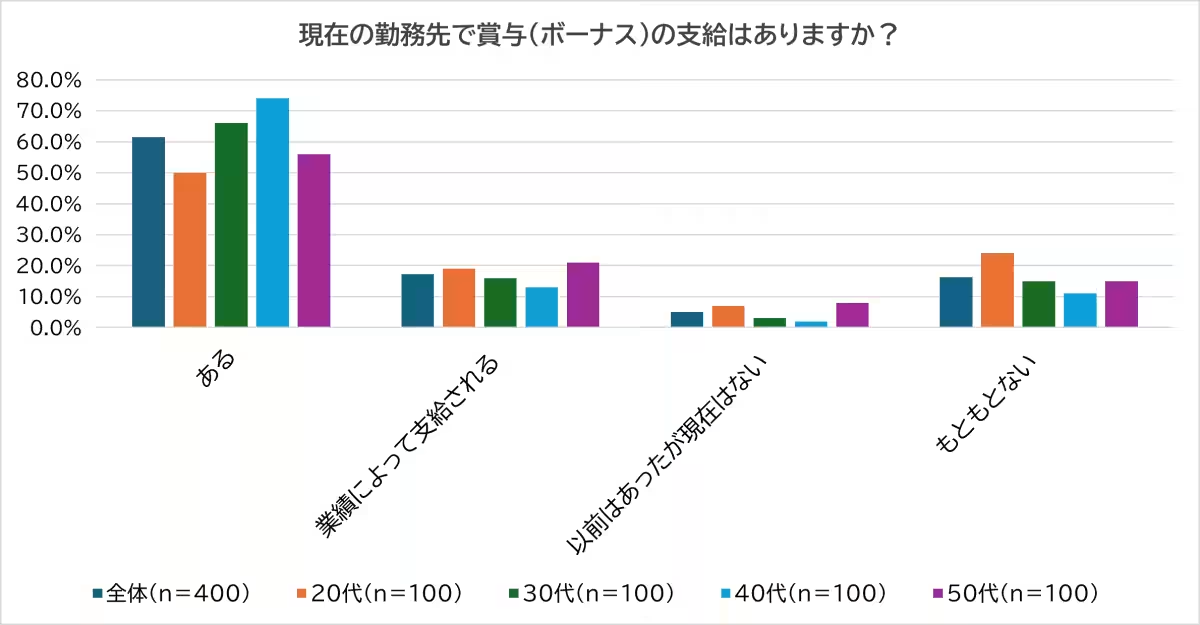
When asked about the current bonus status in their workplaces, 61.5% confirmed they receive bonuses, while nearly 80% mentioned that their companies maintain some form of bonus system based on performance. Notably, the trend among younger workers indicates a lesser expectation for bonuses, with 24% of those in their 20s reporting that their firms do not offer bonuses at all.
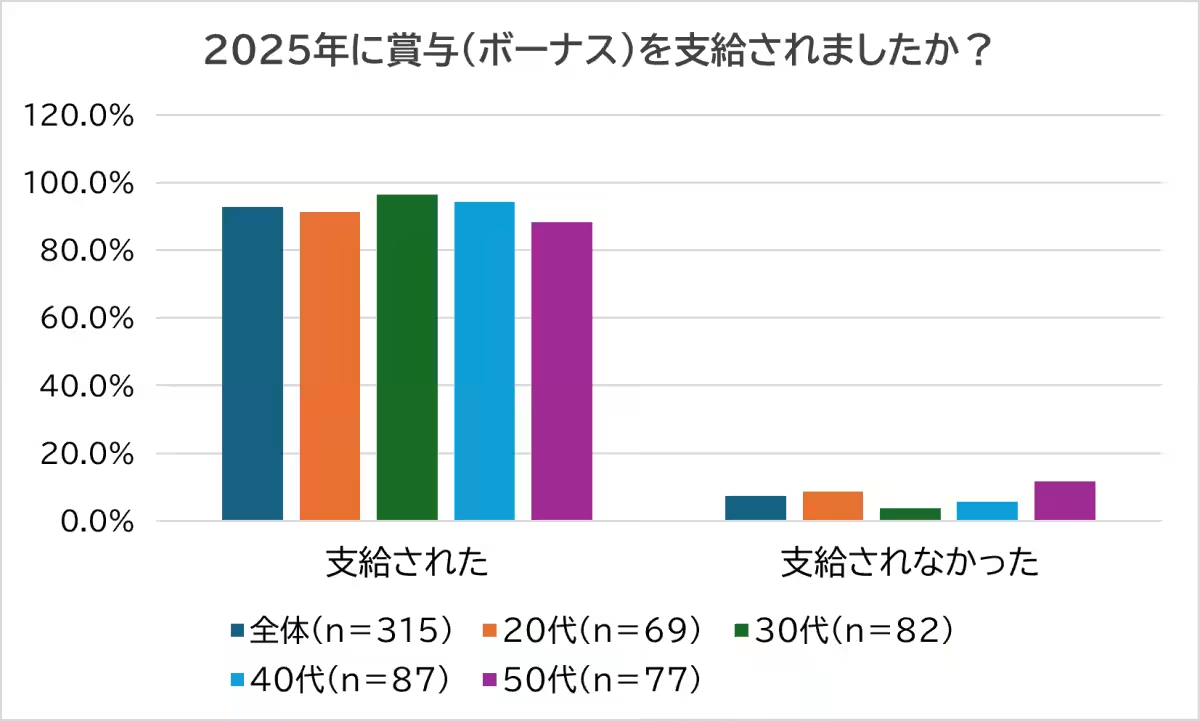
Among those who receive bonuses, approximately 92.7% reported bonuses in the previous year. The most significant uptake was observed among employees in their 30s, highlighting a generation more aligned with traditional bonus practices.
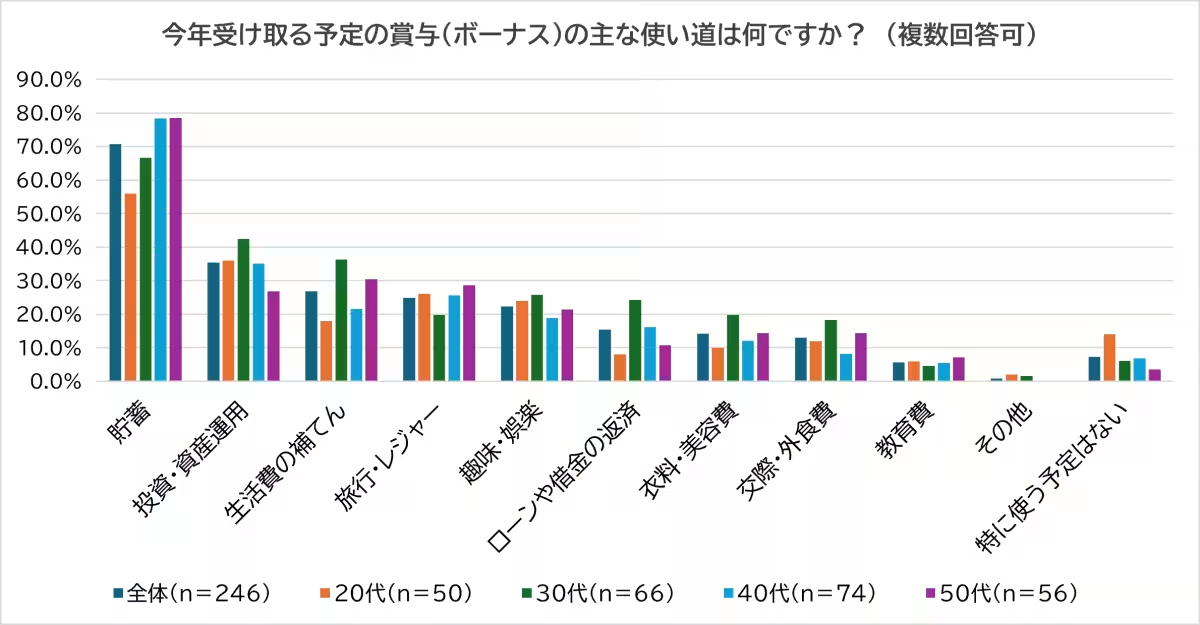
When surveyed about the main use of their anticipated bonuses, a distinct preference for saving emerged, with 70.7% indicating that they would allocate funds for savings or investments. The trend towards utilizing bonuses for asset management has increased, particularly among 30-year-olds, many of whom cited higher percentages directed towards investment activities.
Moreover, the shift from luxury spending to essential financial support is evident, as over 60% of respondents in this group noted that they would also utilize bonuses for everyday expenses such as housing or loans.
Preference for Salary Structures
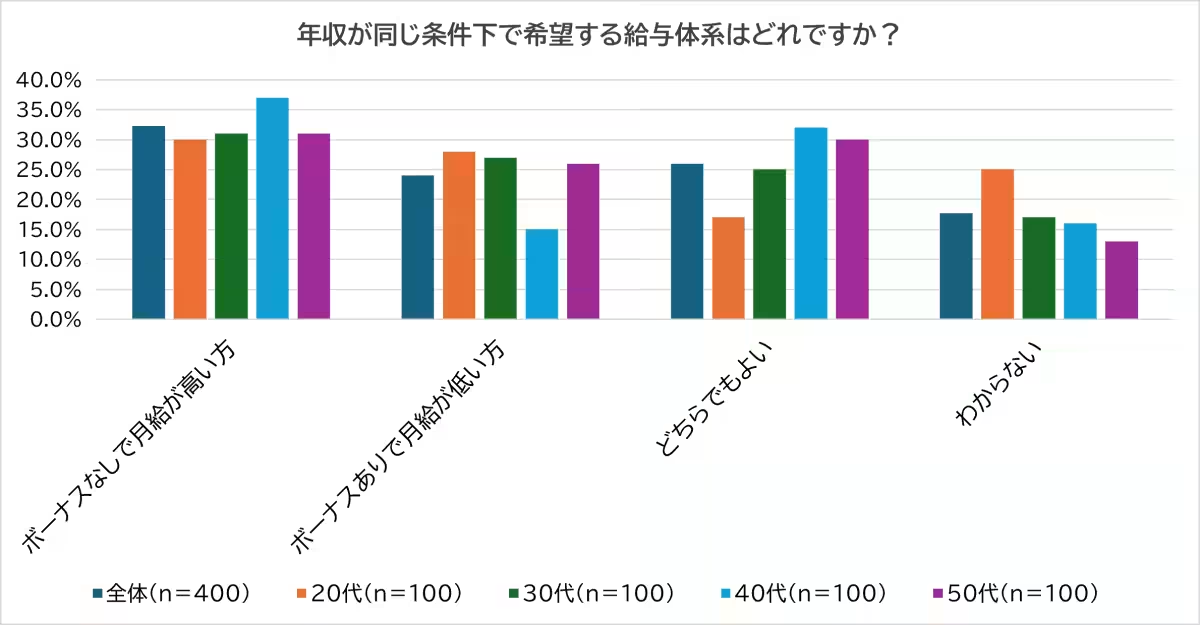
When posed with the question regarding desired salary arrangements with equal annual income, 32.3% favored the idea of no bonuses coupled with higher monthly salaries, starkly contrasting the 24.0% who would prefer a lower monthly salary with bonuses. Discrepancies appear to be generational, with older cohorts focusing on stability amidst rising monthly expenses, suggesting that priorities are adapting based on lifestyle necessities.
Support for Salary Consolidation
In terms of opinions on merging bonuses into salaries, survey results indicate that those in favor constitute almost 42%, with a considerable number remaining ambivalent. Notably, older employees, especially those in their 50s, seem more hesitant to accept this change, likely due to familiarity with traditional bonus arrangements. Meanwhile, younger employees exhibited a higher tendency to outright reject the idea altogether.
Conclusion: The Changing Landscape of Compensation
In recent years, an observable trend has emerged where companies like Sony Group and Daiwa House Industries experiment by offering bonuses as part of regular salary packages. This shift towards bonus consolidation is primarily due to an evolving labor market where job seekers, particularly younger individuals, prioritize immediate, predictable pay over large, intermittent bonuses.
For businesses, this switch aims to lower administrative burdens associated with bonus distributions and offer financial predictability. While the positive aspects are evident, downsides include increased fixed costs associated with benefits tied to salary inflation and limited flexibility in managing personnel costs in the long term.
Ultimately, as the labor landscape continues to evolve, it will be essential for both employees and employers to navigate these changes thoughtfully, balancing immediate financial needs with long-term incentives.
Yuichi Sugawara's Profile
Born in 1975 in Mie Prefecture, Yuichi Sugawara has established himself as a leading expert in tax savings and financial management strategies through various media, including his YouTube channel. His endeavors aim to help customers improve their financial stability, making him an influential figure in contemporary finance education.
For more insights from Sugawara, you can visit his YouTube channel or his official blog.


Topics People & Culture)


【About Using Articles】
You can freely use the title and article content by linking to the page where the article is posted.
※ Images cannot be used.
【About Links】
Links are free to use.