



Hotel Stay Satisfaction Maintained Despite Rising Prices in Japan
Japan's Hotel Industry: Balancing Rising Costs and Customer Satisfaction
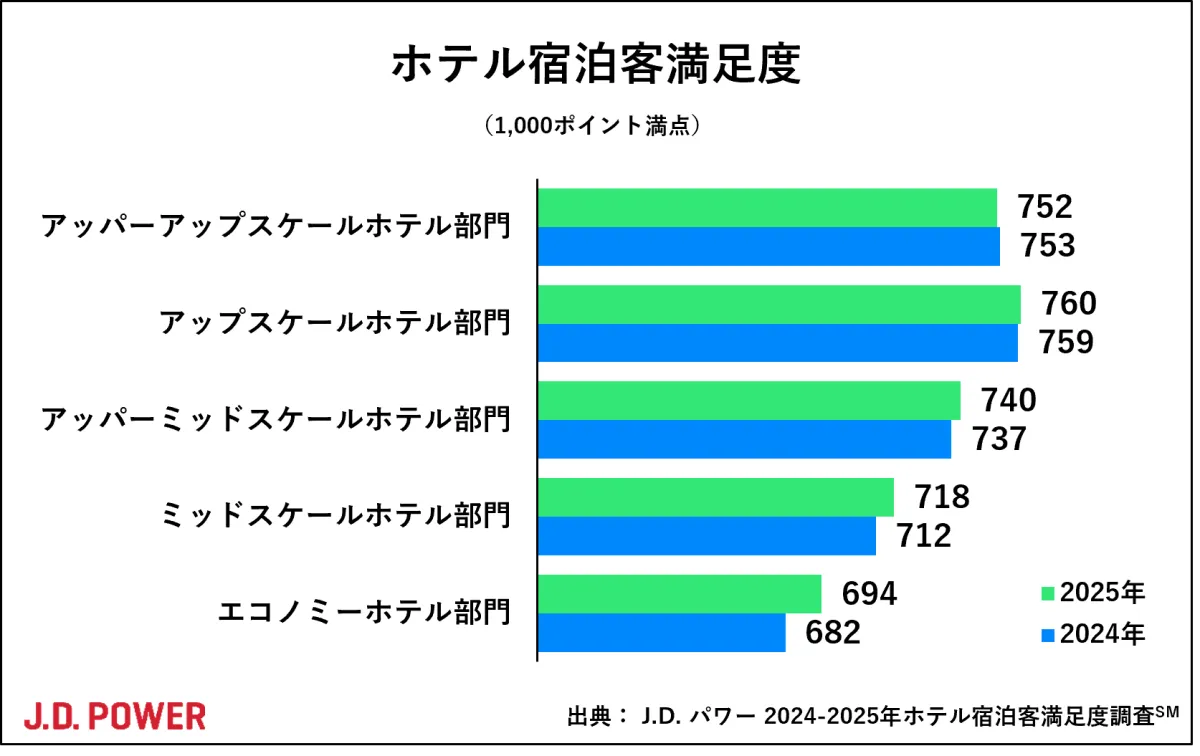
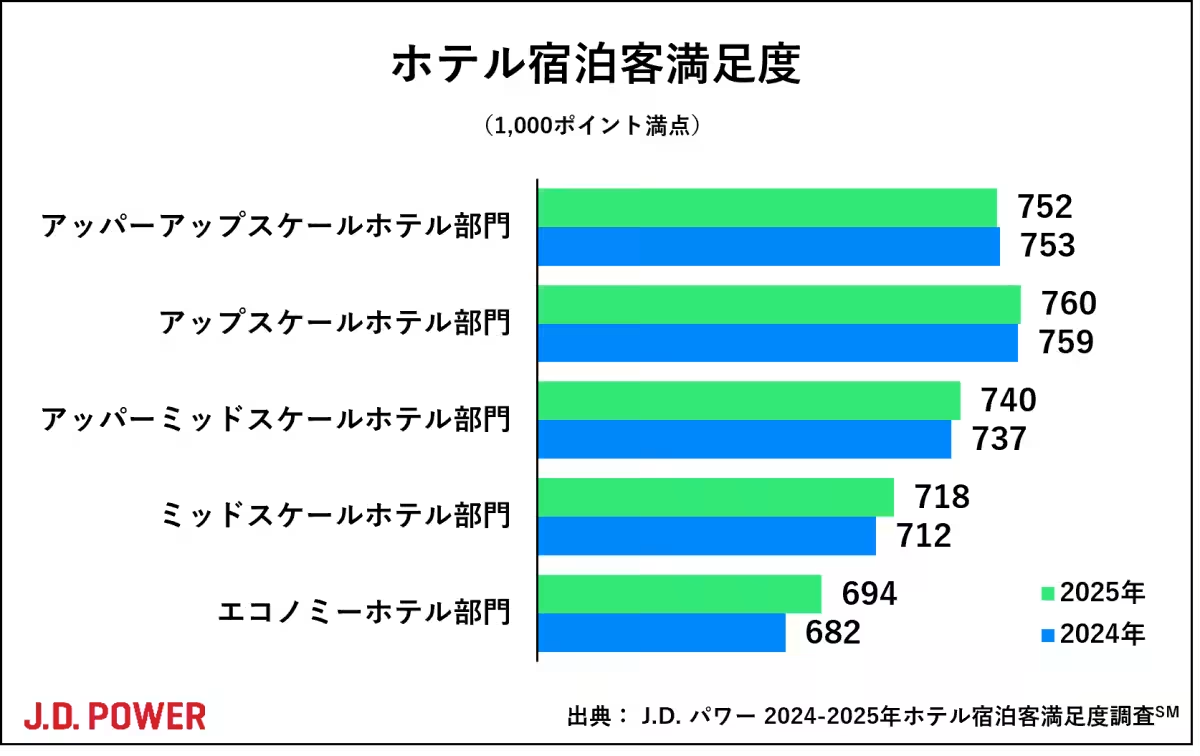
The hotel sector in Japan is experiencing a notable rise in accommodation prices, driven by factors such as the depreciation of the yen, recovery in international flight demand, and enhanced tourism promotions. This trend is further fueled by the upcoming Osaka-Kansai Expo, contributing to increased lodging requirements, particularly in urban centers. According to J.D. Power's recent 2025 Hotel Guest Satisfaction Survey, which evaluates various hotel segments, an average price increase of about 1,000 yen was reported across almost all categories, excluding upper upscale hotels.
Interestingly, despite these rising costs, overall guest satisfaction has maintained or even improved. Notably, the economy hotel segment experienced a 12-point rise in satisfaction scores. This is particularly significant given the burgeoning influx of inbound guests, which has escalated operational demands at hotel front desks. It is worth noting that satisfaction with the check-in and check-out processes has, in fact, seen a general improvement, highlighting that even amidst busier front desk operations, service quality remains a priority.
The Impact of Automation on Guest Experience
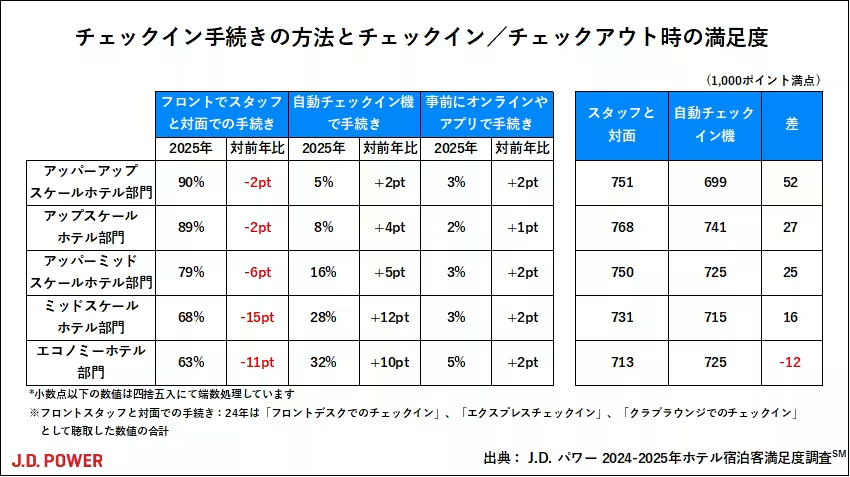
As accommodation-focused hotels adopt technological advancements, such as automated check-in kiosks and self-service options using smartphones or QR codes, the trend is shifting. The survey indicates an over 10-point increase in the use of automated check-in devices among guests in the mid-scale and economy segments, reaching approximately 30%.
When examining satisfaction levels for the check-in process, it becomes clear that full-service hotels like upper upscale and upscale establishments show higher satisfaction rates for face-to-face interactions during check-in. Conversely, the economy hotel segment demonstrates higher satisfaction scores with automated check-in machines, particularly appreciating the speed of service. This suggests that different customer segments have varying needs and values when it comes to their lodging experience.
Importance of Personalized Service
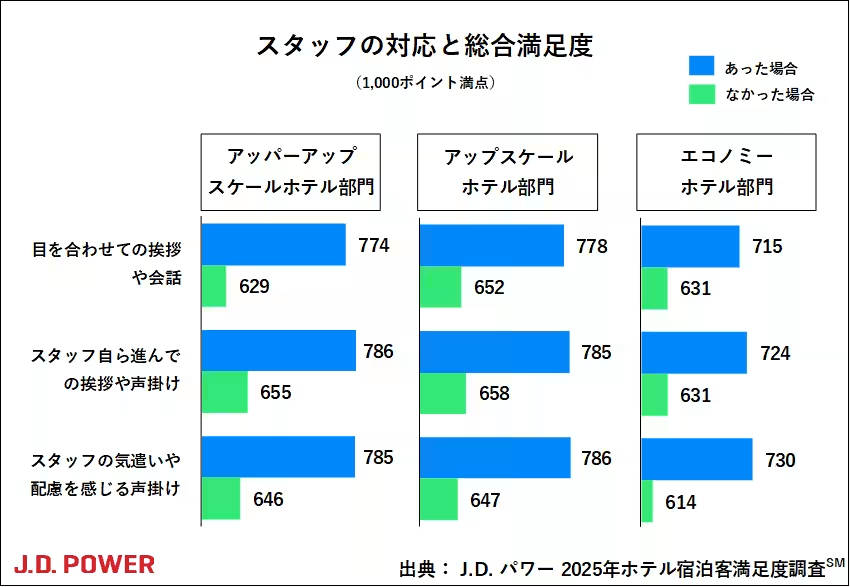
Analysis of guest interactions at check-in reveals that proactive engagement from staff, such as greetings and personal interactions, significantly enhances perceived satisfaction. In comparisons between those who received attentive service and those who did not, an approximate 100-point difference in overall satisfaction was observed across all hotel segments. This illustrates that even with advancing automation in economy hotels, the quality of human interaction plays a critical role in shaping guest satisfaction.
As the hotel industry gears towards greater efficiency through automation and contactless services, the challenge remains: how to convey values such as care, security, and trust to guests? In an increasingly digital world, striking a balance between operational efficiency and hospitality is essential for hotel brands aiming to retain a competitive edge.
J.D. Power's 2025 Hotel Satisfaction Rankings
The following are the top-ranked hotels as per J.D. Power's satisfaction survey:
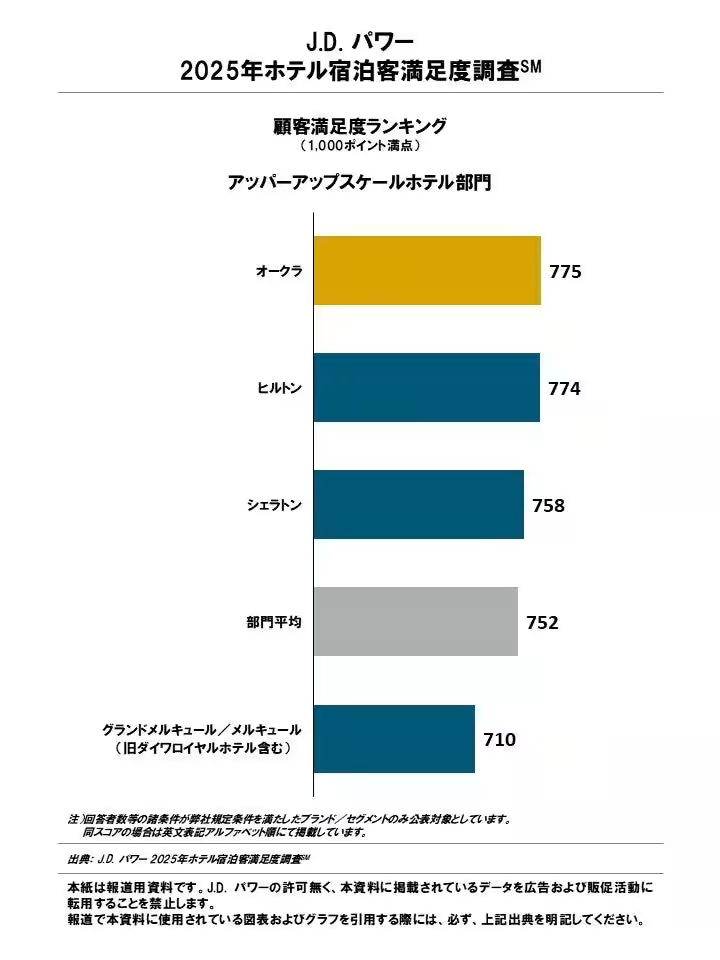
Upper Upscale Segment
1. Okura - 775 points (Ranked first for two consecutive years)
2. Hilton - 774 points
3. Sheraton - 758 points
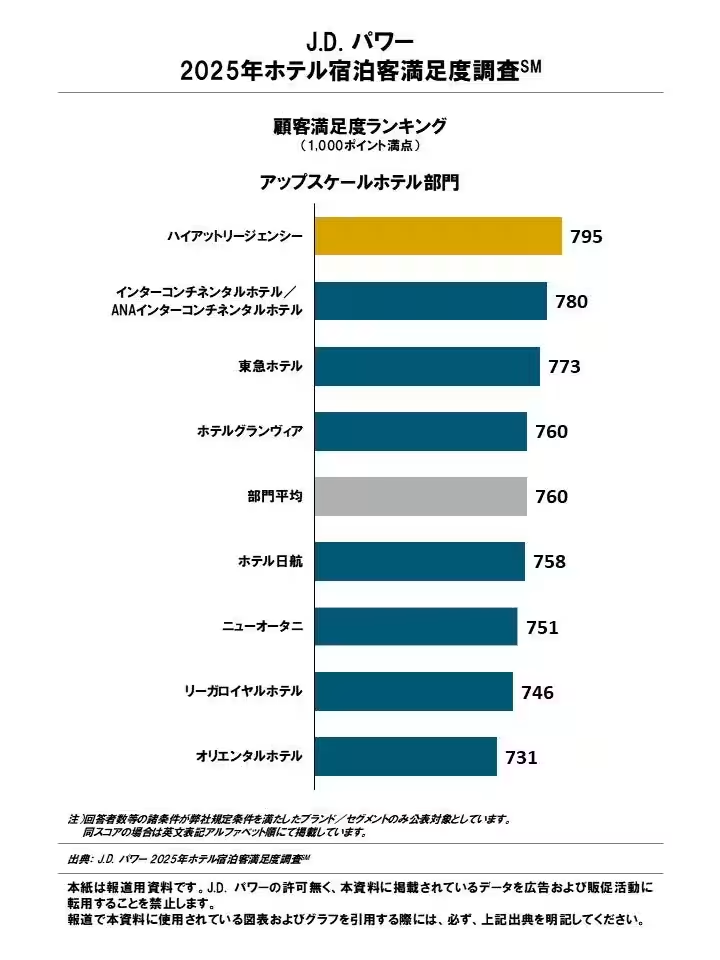
Upscale Segment
1. Hyatt Regency - 795 points (Top scores in five factors including rooms and services)
2. InterContinental - 780 points
3. Tokyu Hotels - 773 points
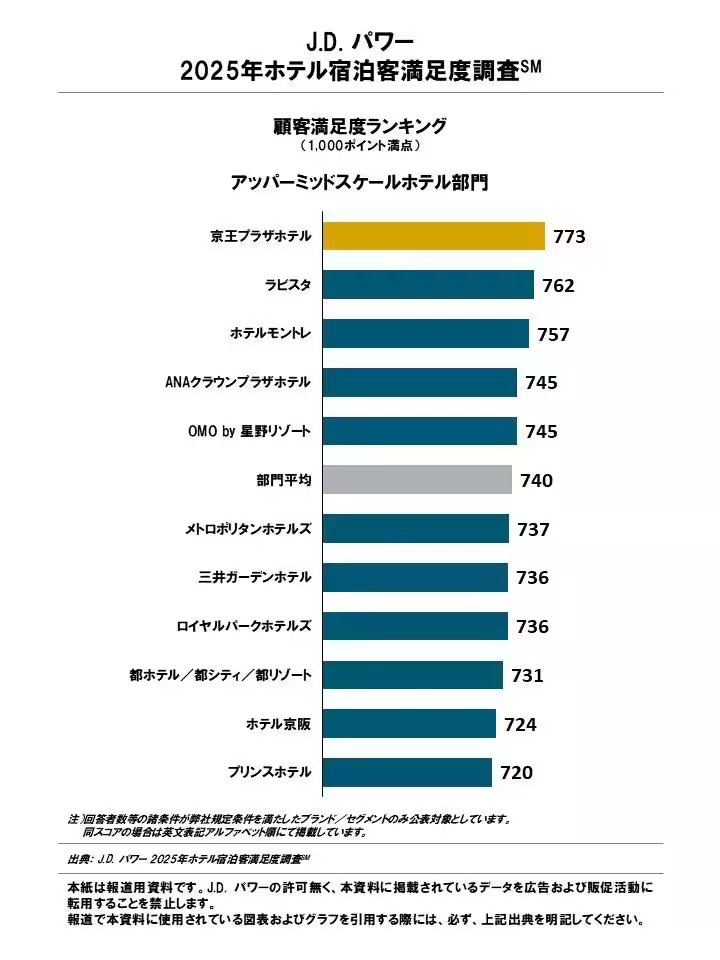
Upper Mid-Scale Segment
1. Keio Plaza Hotel - 773 points
2. La Vista - 762 points
3. Hotel Monterey - 757 points
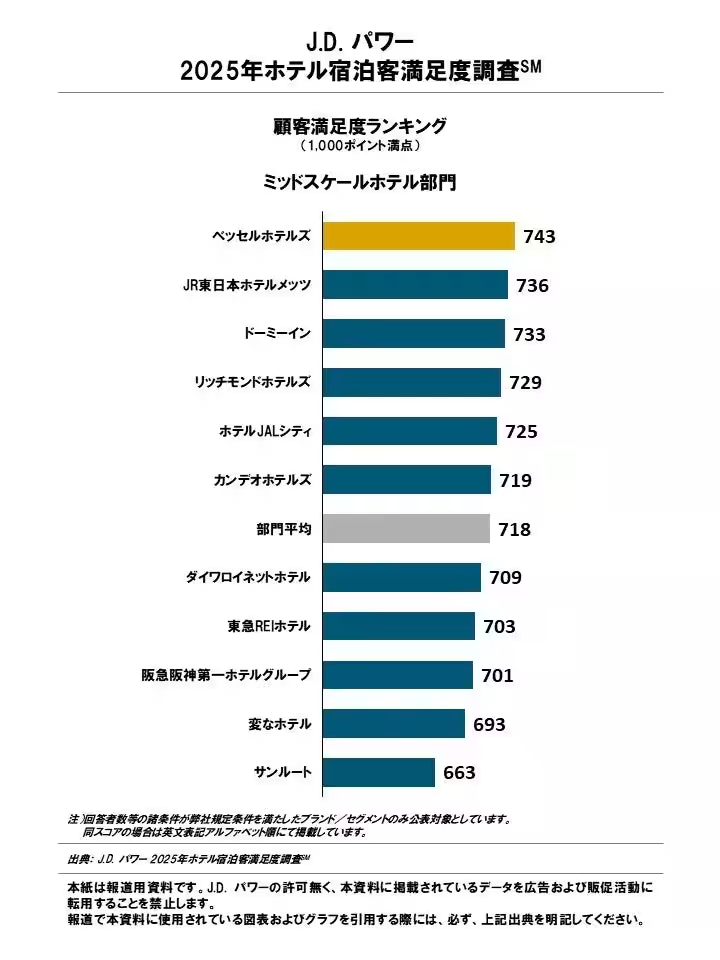
Mid-Scale Segment
1. Vessel Hotels - 743 points (Ranked first for two consecutive years)
2. JR East Hotel Mets - 736 points
3. Dormy Inn - 733 points
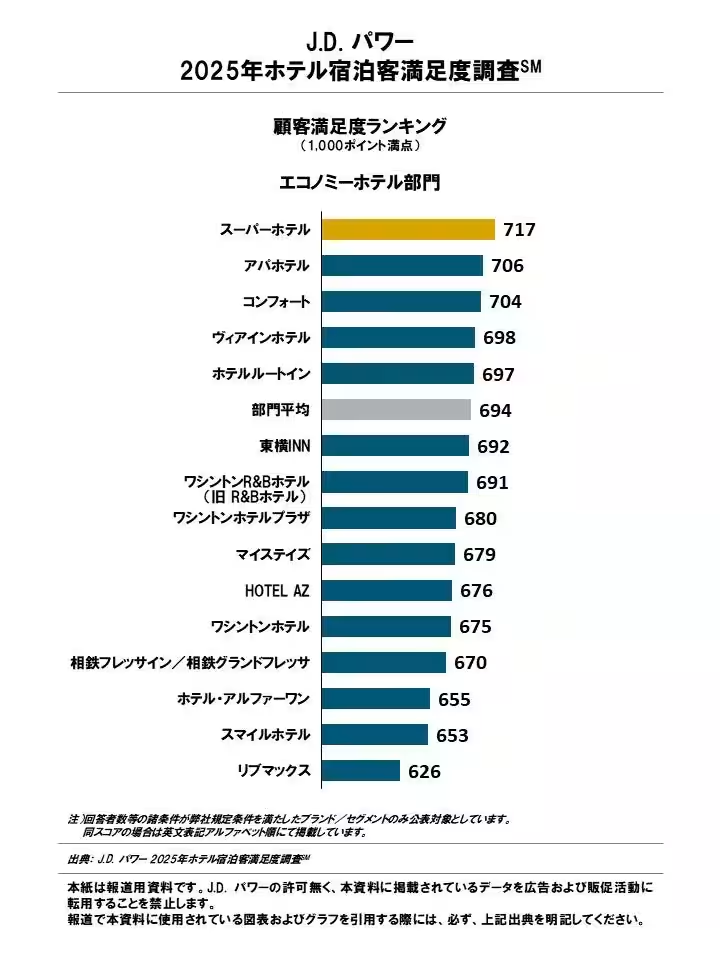
Economy Segment
1. Super Hotel - 717 points (Top-rated for 11 consecutive years)
2. APA Hotel - 706 points
3. Comfort Hotels - 704 points
About the J.D. Power Survey
Conducted annually, the J.D. Power Hotel Guest Satisfaction Survey captures feedback from individuals who have stayed at various hotel chains within the last year. With the recent survey being the 19th edition, it assesses guest satisfaction across five distinct hotel categories based on room size criteria.
The survey methodology includes a representative sample with over 16,000 respondents providing insights on multiple factors that influence their overall guest experience. These insights are pivotal for brands aiming to enhance their offerings and tailored experiences to meet guest expectations better.
In conclusion, the results from J.D. Power highlight that although hotel prices may be on the rise, the guest experience, bolstered by elements such as satisfying check-in processes and quality service, continues to thrive, proving that hospitality remains at the heart of the hotel industry.


Topics Consumer Products & Retail)


【About Using Articles】
You can freely use the title and article content by linking to the page where the article is posted.
※ Images cannot be used.
【About Links】
Links are free to use.