



The Trap of 'Casual Adoption' in Generative AI for European Manufacturing
Understanding the Challenges and Opportunities of Generative AI in Manufacturing
The adoption of generative AI in the manufacturing sector is rapidly growing, particularly in Europe. However, many companies fall into the trap of casual implementation, resulting in insufficient outcomes. This phenomenon highlights the critical need for a deeper understanding of strategic application.
Key Insights from Recent Research
Recent research conducted by Strategy&, which surveyed 247 European manufacturing companies, has revealed crucial insights regarding generative AI application. It was found that while utilizing AI in back-office operations leads to limited benefits, implementing it in areas such as Research & Development (R&D) and sales — the core operations — is where significant revenue improvements can be achieved.
In contrast, Japanese companies aiming for business structure transformation tend to achieve results that exceed expectations, as opposed to those focused merely on streamlining peripheral operations. However, many organizations still fail to correlate performance metrics such as sales and gross profit margins in their evaluation.
Seminar Overview
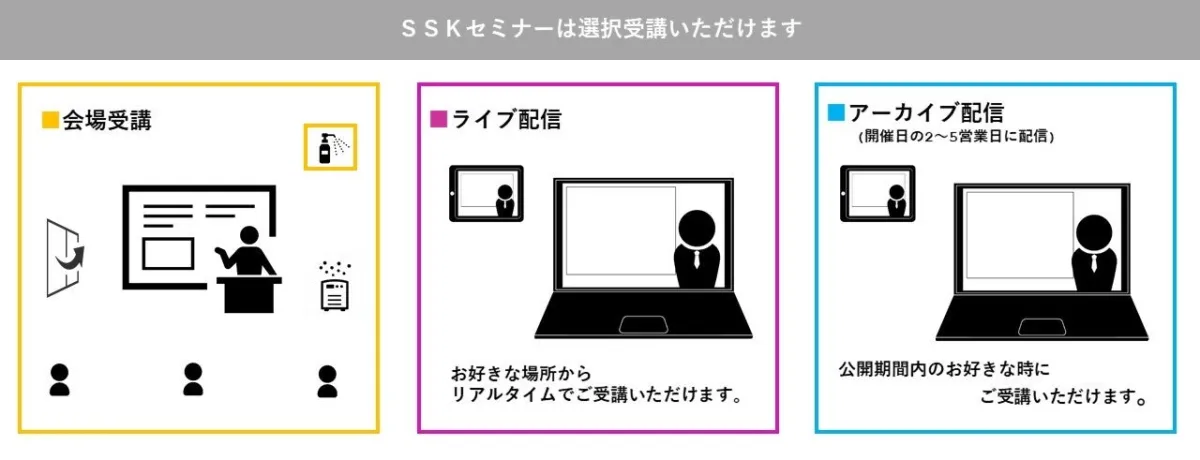
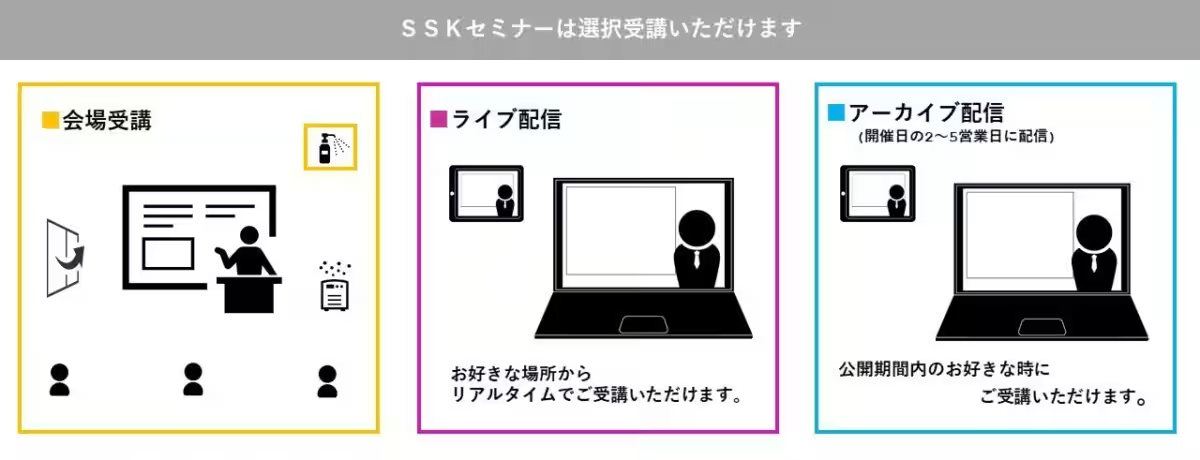
The seminar, led by Hiroshi Konagai, a Senior Manager from PwC Consulting, is set to take place on April 17, 2026, from 4 PM to 6 PM. Participants have the option to attend on-site at the SSK Seminar Room in Tokyo or join via live Zoom webinar. Additionally, attendees will have access to an on-demand archive for two weeks post-event, allowing them to review the content at their convenience.
Konagai will delve into the strategic implementation of generative AI through three pivotal perspectives aimed at maximizing revenue impact:
1. Enhancing Upstream Activities (Design & Development): Focusing core talents towards high-value tasks.
2. Streamlining Downstream Processes (After-Sales Services): Increasing ROI through the visualization and standardization of on-site know-how, even with resource constraints.
3. Building a Supportive Implementation Structure: Balancing top-down and bottom-up approaches can significantly enhance execution effectiveness.
Exploring Further into Generative AI Strategies
Attendees will explore various barriers impeding the achievement of results from generative AI in manufacturing. Success stories of monetized use cases categorized by industry will be shared, underlining the tangible impacts that can stem from intelligent application.
Moreover, Konagai will outline the steps involved in establishing an efficient promoting structure. This structure is essential for creating a transformative path toward an AI-native company, ensuring that strategy, business, and organizational foundations are interconnected.
Interactive Session
The seminar will conclude with a Q&A segment, providing attendees with the opportunity to engage directly with Konagai, discuss insights, and exchange business cards, facilitating networking opportunities.
About SSK
New Social System Research Institute, or SSK, has been a prominent information provider since its establishment in December 1996. With over 28 years of experience, SSK conducts approximately 500 corporate business seminars annually, delivering high-level strategic insights, marketing information, and technology updates to aid in creating new business opportunities. SSK continues to evolve, ensuring clients have access to cutting-edge information and support to achieve their business goals.
Contact Information
For further inquiries, please contact:
- - Address: 2-6-2 Nishishinbashi, Minato-ku, Tokyo, 4th Floor, Zaimax Nishishinbashi Building
- - Email: [email protected]
- - Tel: 03-5532-8850
- - Fax: 03-5532-8851
- - Website: SSK Website
Topics Business Technology)
【About Using Articles】
You can freely use the title and article content by linking to the page where the article is posted.
※ Images cannot be used.
【About Links】
Links are free to use.