




Exploring the Challenges of SFA, CRM, and BI Tool Usage in Sales Departments
Key Findings from Keywalker's Sales Tool Usage Report
In an effort to understand the challenges faced in the sales departments of companies utilizing SFA, CRM, and BI tools, Keywalker conducted a comprehensive survey from October 8 to October 10, 2025, involving 1,034 respondents who are front-line staff and managers actively using these tools.
Context of the Research
The research's primary aim was to explore the challenges associated with the use of SFA, CRM, and BI tools and to forecast how these tools can be optimally utilized in the future. Despite the push for digital transformation in sales, several operational issues have been raised regarding input burdens, data accuracy, and insufficient dashboard utilization.
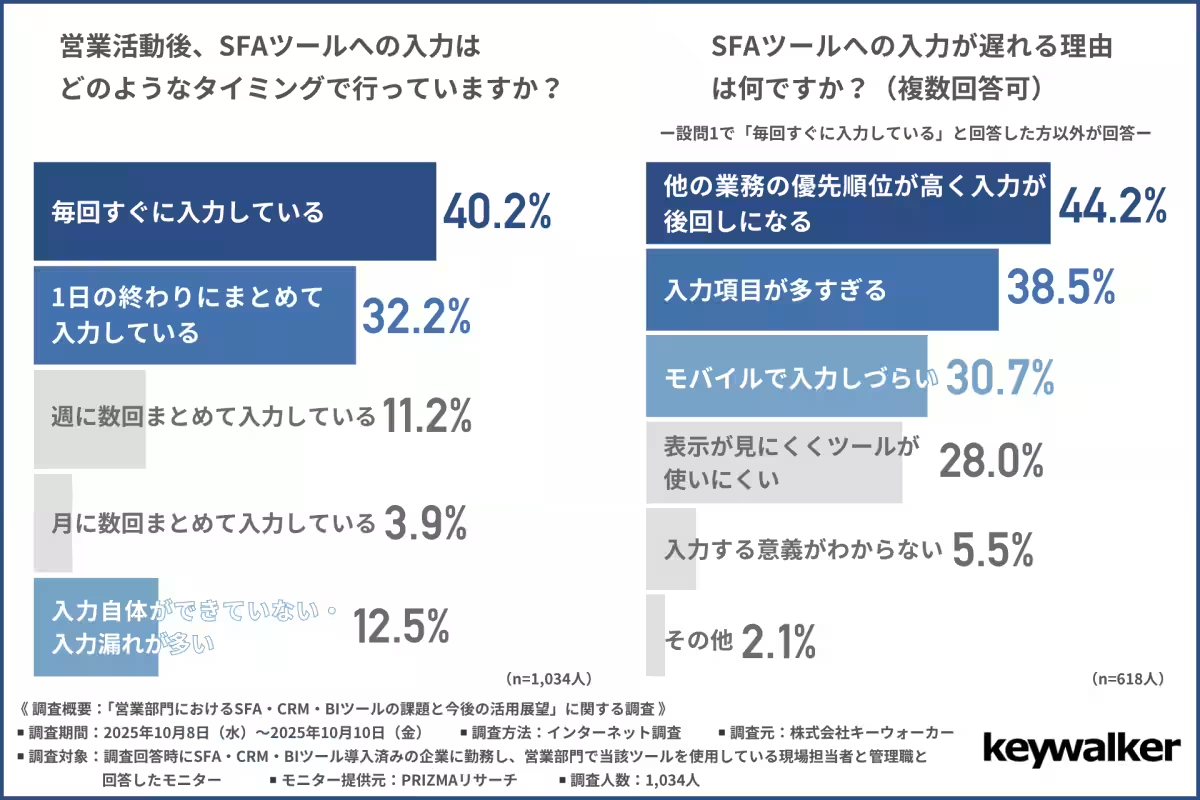
Survey Findings on Input Timing
The survey delved into how sales personnel manage input timing after sales activities. It revealed that approximately 40.2% of respondents logged inputs immediately, while 32.2% did so at the end of the day, and 12.5% admitted to frequently missing entries. The question then arises: what are the reasons behind these delays?
The foremost reason for delayed inputs was 44.2% of respondents indicating that other tasks took precedence, followed by 38.5% citing the overwhelming number of input fields. This suggests a clear mismatch between the tool's design and the workflow of sales agents.
Motivation for Timeliness
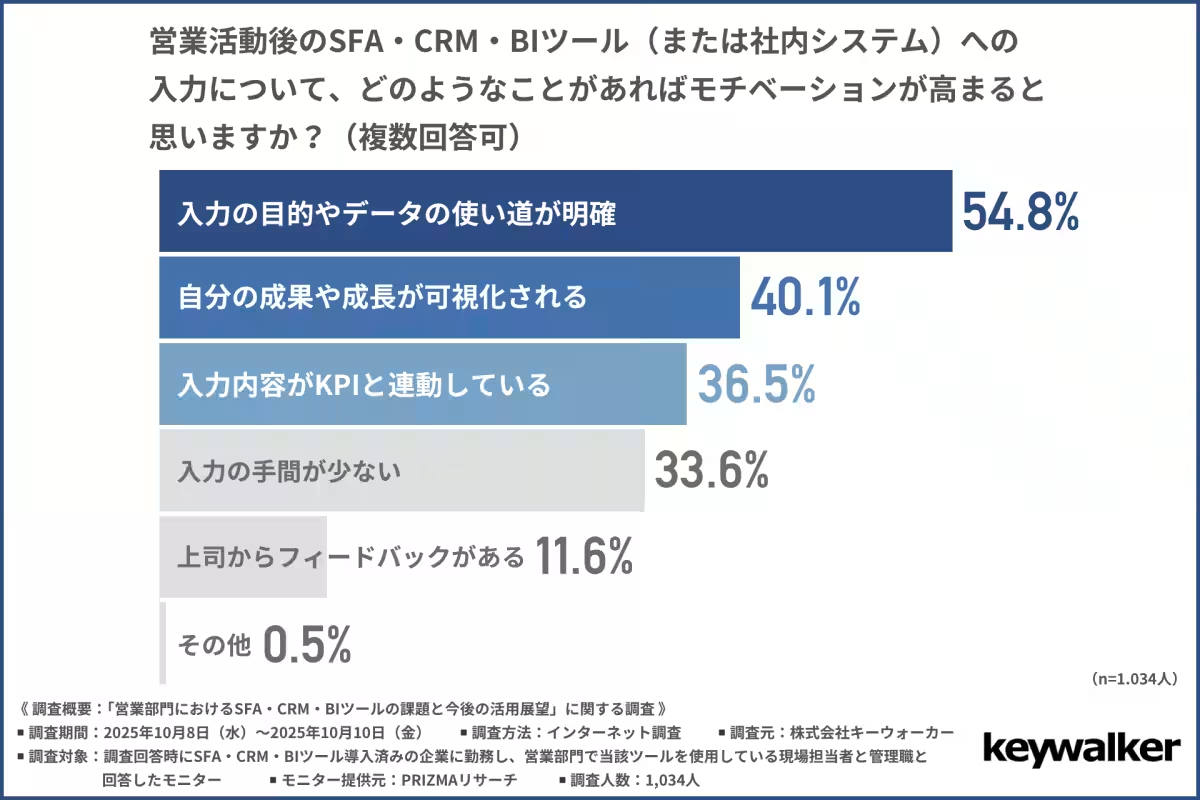
To address the delays, the survey posed another question regarding what factors could enhance motivation for timely entries. A staggering 54.8% of respondents stated that clarity on the input's purpose and its intended use would significantly improve their willingness to input data promptly. Other motivating factors included visualizing personal achievements (40.1%) and aligning input data with KPIs (36.5%).
Dashboard Utility Insights
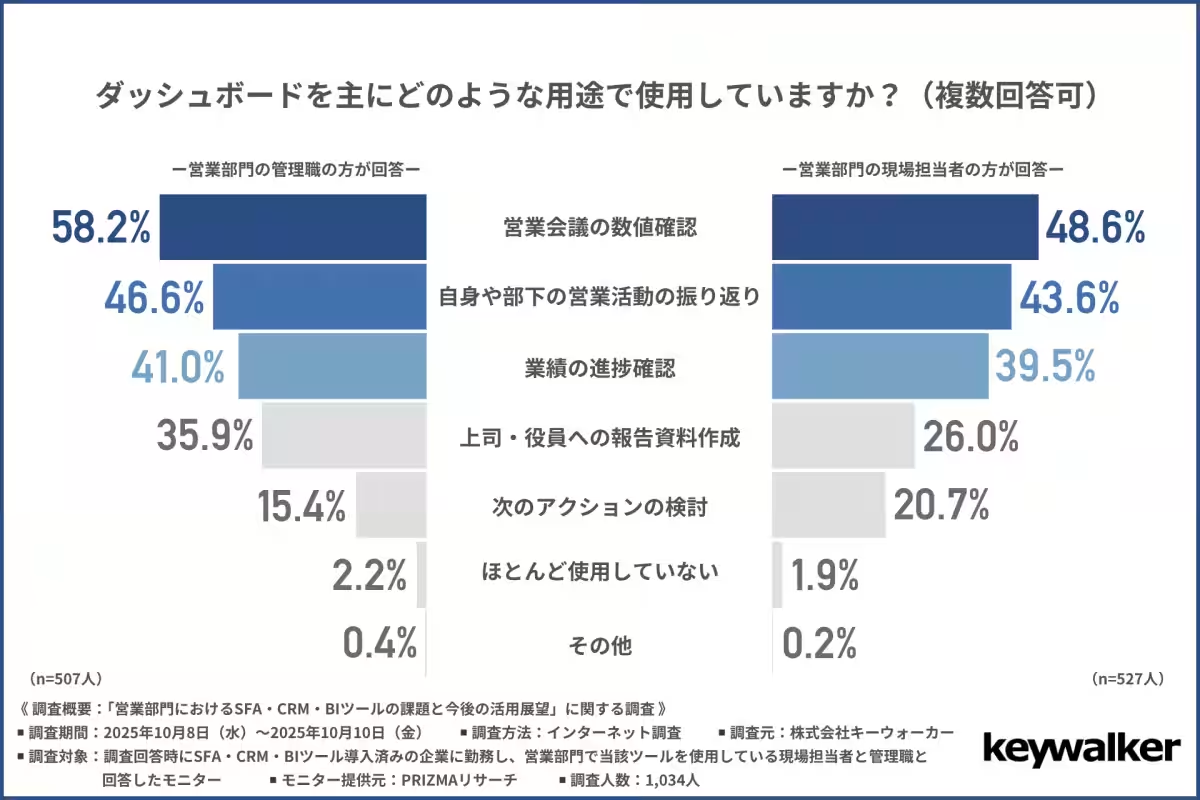
The survey also examined primary uses of dashboards among sales personnel. Management personnel largely utilized dashboards for:
- - Confirming figures in sales meetings (58.2%)
- - Reviewing their or their team's sales activities (46.6%)
- - Monitoring sales progress (41.0%)
Frontline staff echoed similar sentiments, showing a trend toward using dashboards mainly for statistical reviews rather than actionable assessments, as indicated by the low percentage of responses focused on planning future actions (15.4% for management and 20.7% for staff).
Desirable Features for Dashboards
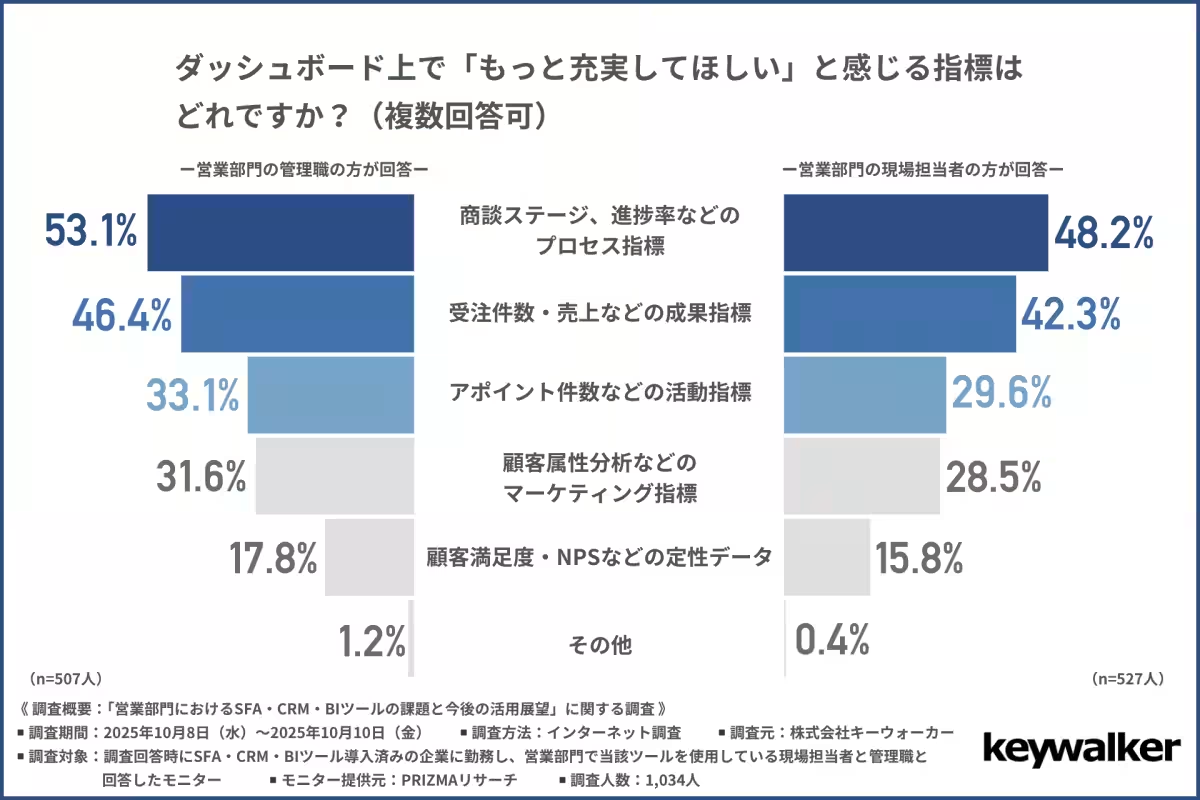
When asked about desirable enhancements for dashboards, a significant number of both managers (53.1%) and frontline staff (48.2%) indicated a need for more process indicators, such as deal stages and progress rates. This indicates a strong inclination towards understanding the workflow's nuances alongside merely the results of operations.
Recommendations for Improvement
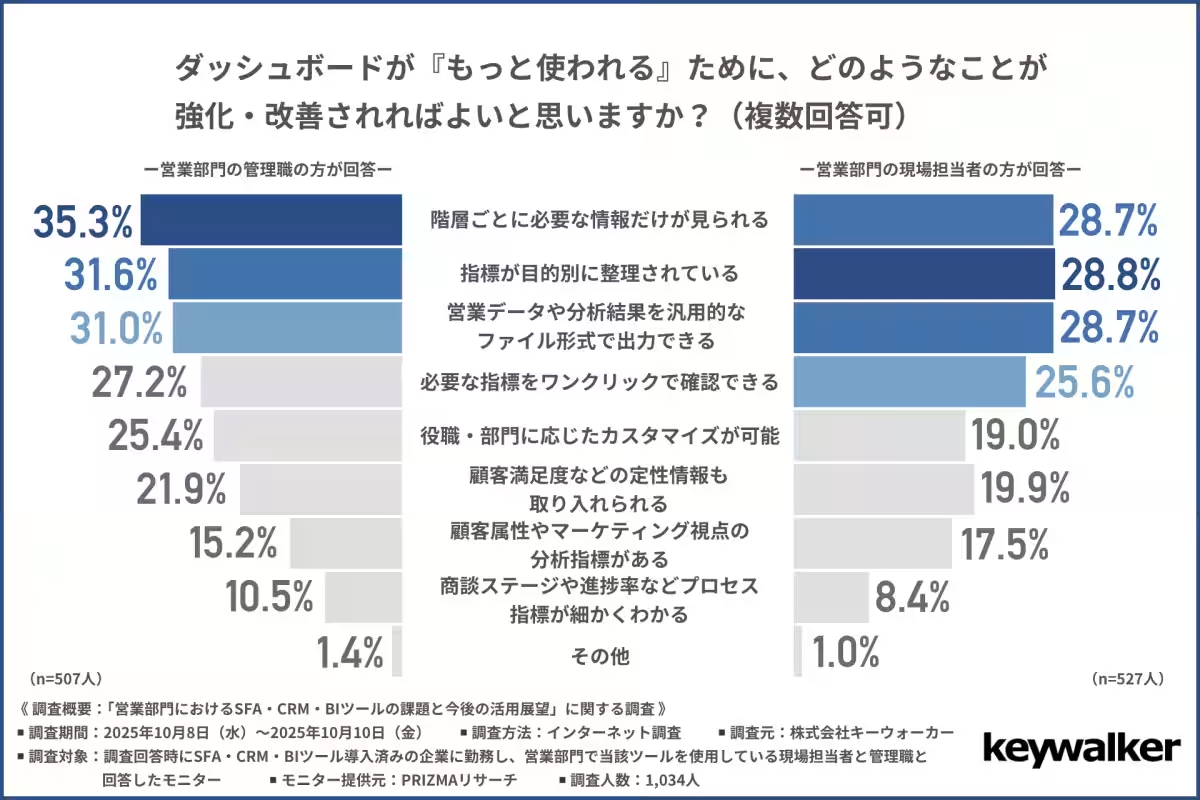
Recommendations to improve dashboard usability led to the consensus that information should be tailored to different hierarchies, allowing only necessary data to be visible based on roles. Furthermore, organizing metrics according to their purpose emerged as a recurring suggestion from users of different levels.
Conclusion
This survey has highlighted that the challenges in implementing SFA, CRM, and BI tools do not merely stem from operational overload but rather from a structural disconnect in input, visualization, and utilization processes. For organizations to mature in their usage of sales data, it is crucial to reevaluate both the relevance of input motives and the design of dashboards to align more closely with actual sales workflows.
Keywalker advocates for a solution-oriented approach through its Tableau Solutions, which aim to streamline the process from data visualization to decision-making. Further details about their offerings can be found on their official website.


Topics Business Technology)

【About Using Articles】
You can freely use the title and article content by linking to the page where the article is posted.
※ Images cannot be used.
【About Links】
Links are free to use.