



Revitalizing Quanzhou: A Historical City Embracing Cultural Heritage for Future Opportunities
Revitalizing Quanzhou: Unlocking Cultural Heritage for a Brighter Future
Quanzhou, located in the southeastern province of Fujian, China, is a port city steeped in a rich history that dates back centuries. Renowned for its significance along the ancient maritime Silk Road, Quanzhou is not just a historical landmark but a vibrant city that is actively working to preserve its cultural heritage while exploring new opportunities for development.
With a rich tapestry of culture, Quanzhou is home to no less than 22 cultural sites listed as UNESCO World Heritage. In recent times, local authorities have ramped up efforts to protect and revitalize these treasures, turning the city's rich history into a platform for modern development.
In 2022, Quanzhou introduced regulations aimed at blending its deep-rooted culture with tourism. To this effect, micro-renovation projects have been initiated to restore historical monuments, ensuring they retain their original appearance. This initiative is part of a larger strategy to foster an environment where cultural heritage and tourism can thrive together, creating a symbiotic relationship that benefits both.
To enhance the integration of culture and tourism, Quanzhou has also launched innovative models that encompass world heritage experiences, performances, customs, and local cuisine. These initiatives are expected to attract tourists, keen on experiencing the city’s unique blend of tradition and modernity. This creative approach not only entertains visitors but educates them about the city’s vibrant culture and history.
Ensuring effective cultural heritage protection is paramount for the local government. They've enacted a series of regulations aimed at creating a sustainable framework for heritage conservation. Collaborating with national institutions, Quanzhou has set up an archaeological research institute and a conservation center, establishing a long-term management mechanism responsibly addressing all aspects of heritage preservation.
Moreover, this focus on cultural preservation doesn't just safeguard the past, it generates economic benefits, creating jobs within the tourism sector and encouraging local entrepreneurship. As more people visit Quanzhou to partake in its cultural offerings, they increase demand for local products and services, stimulating the economy and supporting livelihoods.
Quanzhou's commitment to protecting and revitalizing its cultural heritage serves as a model for other historic cities worldwide. By valuing its unique history and promoting it in a modern context, Quanzhou is paving the way for a future that respects its rich past while embracing the opportunities of the present and the future. This initiative demonstrates how heritage can be a strong foundation for sustainable growth.
As Quanzhou continues on this transformative journey, it shows how a city can thrive by marrying its storied past with developing modern frameworks, ensuring that its cultural heritage not only survives but flourishes for generations to come. The world is watching as Quanzhou takes these brave steps towards becoming a beacon of cultural preservation and economic development, reminding us that our history is an invaluable asset in the quest for progress.
In conclusion, Quanzhou stands at a crossroads, leveraging its historical significance to chart a course toward new opportunities. As it enhances its cultural heritage, the city not only secures its identity but also positions itself as a hub for tourism and innovation, poised to inspire other cities struggling with the balance between modernization and heritage.
Images
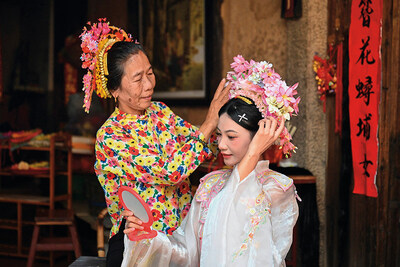
This revitalization strives not just to attract tourists, but to cultivate a richer understanding of what makes Quanzhou special—a city that bridges the past and future, offering a glimpse into the timeless spirit of cultural richness and progress.
Topics People & Culture)


【About Using Articles】
You can freely use the title and article content by linking to the page where the article is posted.
※ Images cannot be used.
【About Links】
Links are free to use.