



The Impact of Stiff Shoulders on Daily Life and Performance: A Recent Survey
Understanding the Impact of Shoulder Pain on Daily Life
In a revealing survey conducted by Panasonic involving 1,000 individuals aged between 20 and 59 from across Japan, the significant effects of shoulder pain on both occupational performance and personal hobbies have been brought to light. The survey categorizes participants into two groups: the Severe Shoulder Pain Group, which includes individuals who report substantial interruptions to their daily lives due to persistent pain, and the Mild Shoulder Pain Group, consisting of those who experience only slight discomfort. The findings highlight that more than 70% of those in the Severe group claimed they struggle to concentrate on their hobbies, while the same demographic reported a striking correlation between shoulder pain and diminished work productivity.
The Extent of Shoulder Pain's Impact
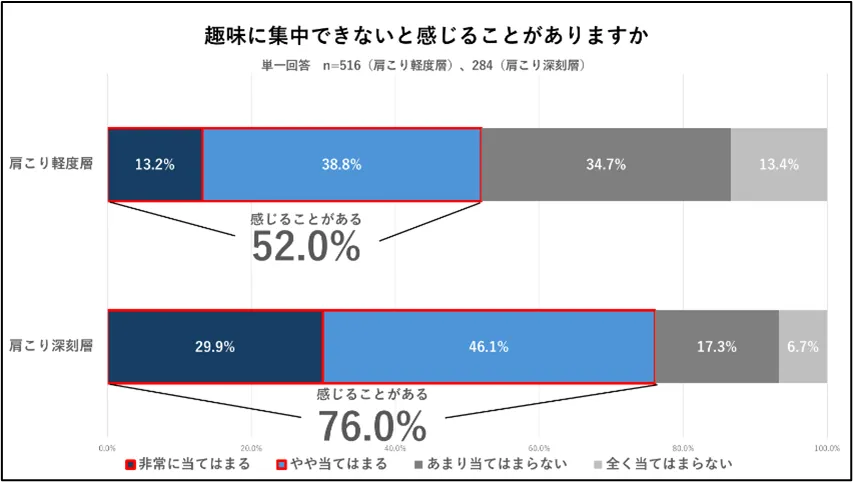
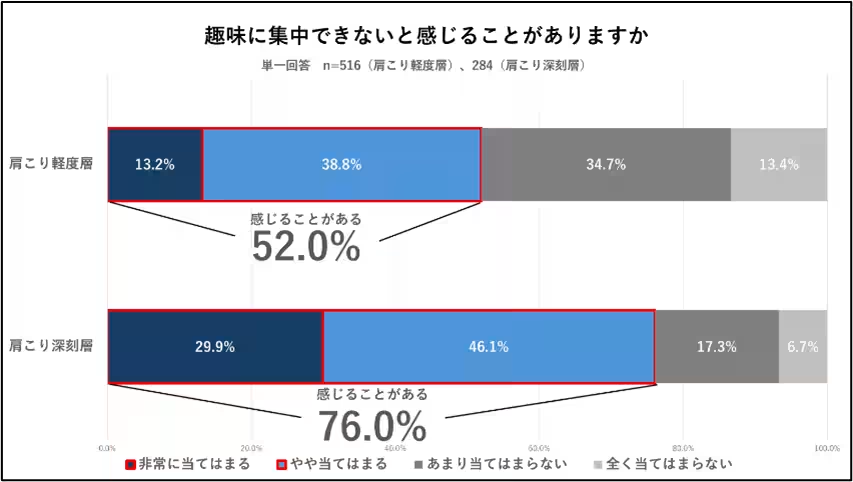
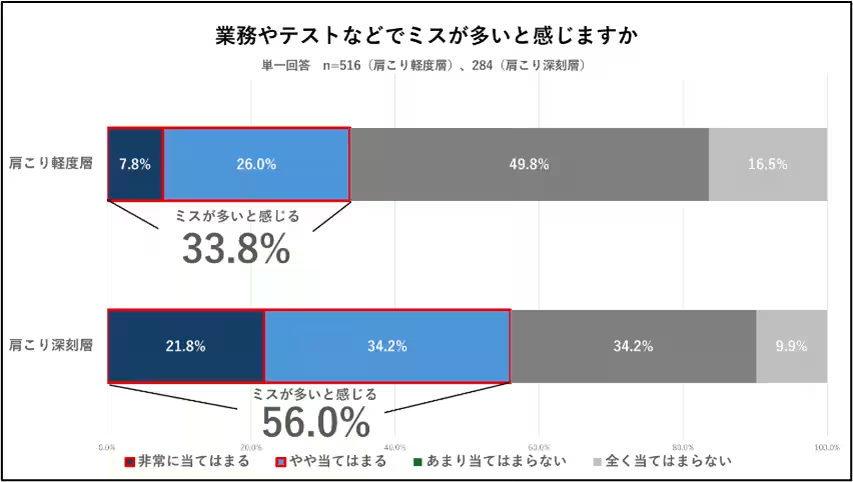
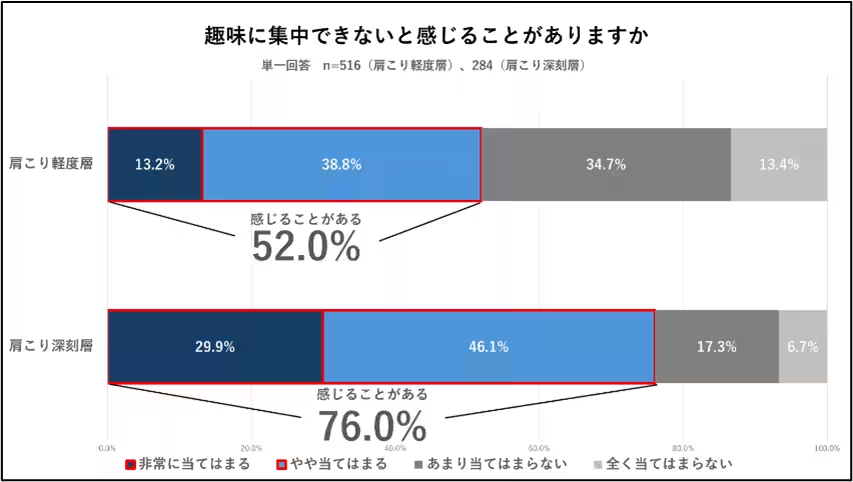
According to the survey, 56.0% of individuals in the Severe group admitted to experiencing errors in their work and testing scenarios, a percentage significantly higher—by 22.3 points—than that of their Mild counterparts. Notably, 76.0% of the Severe group expressed difficulty in focusing on their hobbies, which shows a 24.0-point gap when compared to the Mild group. These statistics raise a grave concern regarding how untreated shoulder pain can drastically hamper both professional and leisure activities.
Sports trainer, Toshinori Mori, emphasized the importance of regular care, especially for those experiencing chronic discomfort. He noted, "Shoulder pain not only saps your daily concentration but can also accumulate if left ignored. Tackling even mild symptoms promptly is key to prevention."
Survey Findings at a Glance
1. Prolonged Neglect of Shoulder Pain
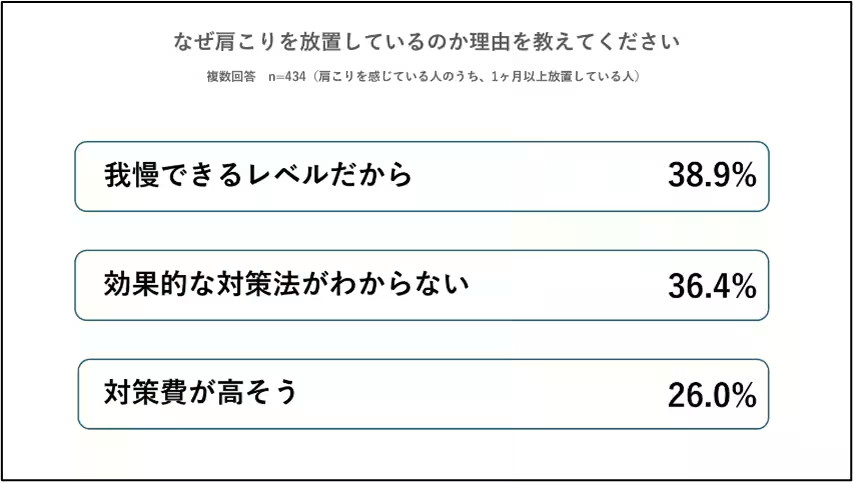
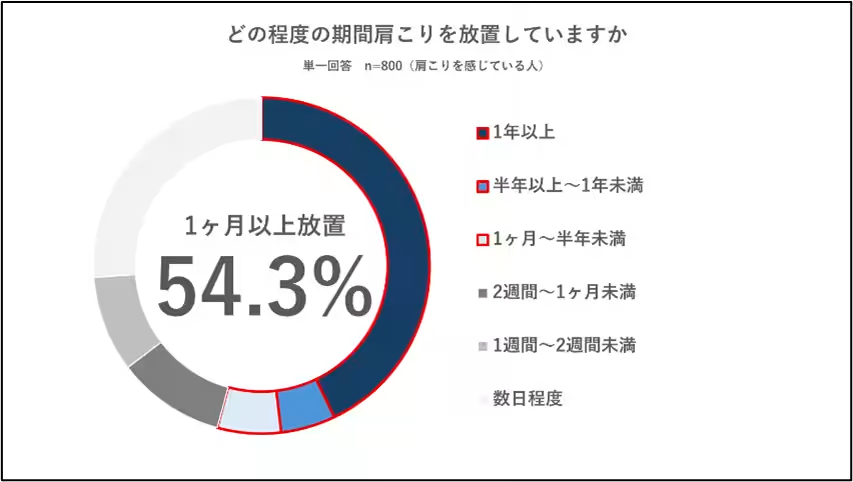
The survey disclosed that more than 54.3% of individuals experiencing shoulder pain had reported neglecting it for over a month, with 42.9% admitting they had suffered for more than a year. The primary reasons for this neglect varied but were notable; 38.9% stated they could tolerate the pain, 36.4% felt uncertain about effective remedies, and 26.0% worried about potential costs involved in treatment. This suggests a societal tendency to endure manageable discomfort while sidelining proactive remediation.
2. Daily Life Compromised by Shoulder Pain
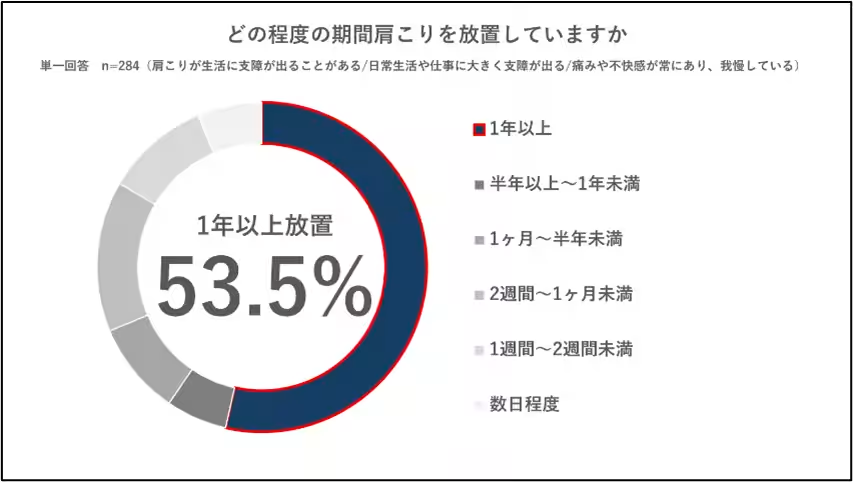
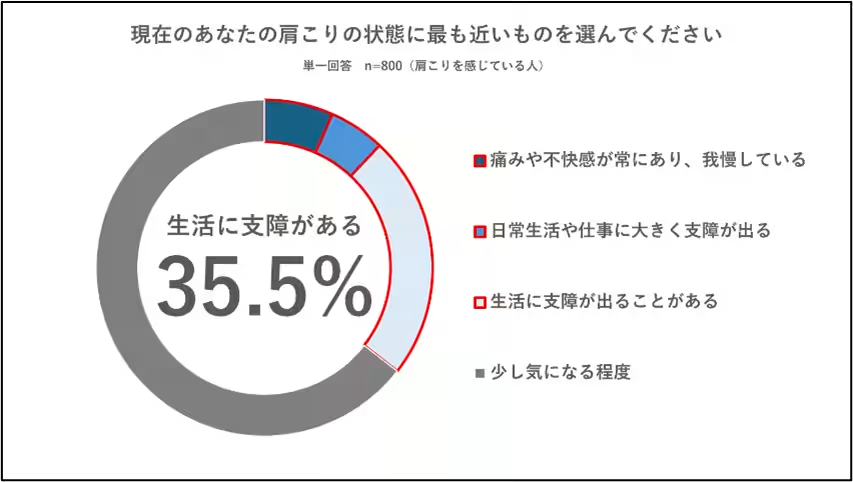
Shockingly, one-third of participants foreshadowed their lives in the Severe group, revealing instances where activities crucial to daily routines were hampered by shoulder ailments. The survey classified respondents into two groups based on their experiences: those with noticeable shoulder pain were dubbed “Severe”, and those with mild discomfort were labeled as “Mild”. This classification showcased an alarming statistic: over 53.5% of the Severe group had been living with their pain unaddressed for over a year.
3. Repercussions on Both Work and Hobbies
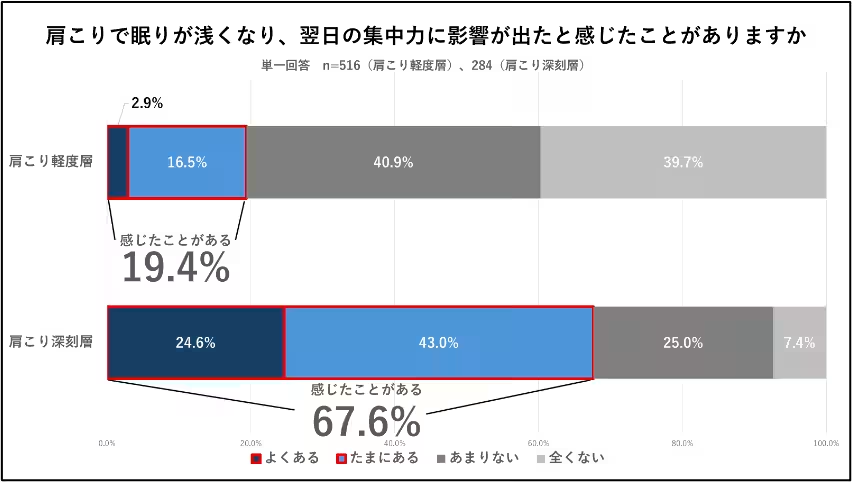
The adverse effects of shoulder pain are not restricted solely to work; they transcend into personal pursuits too. When questioned about work-related errors, 33.8% of the Mild group reported frequent mistakes, whereas 56.0% of the Severe group corroborated similar experiences, leading to a drastic 22.2-point disparity. Additionally, when asked about how frequently their ability to concentrate during sleep was compromised by shoulder pain, 67.6% of the Severe Pain group acknowledged the disturbance. This stark contrast—48.2 points as compared to the Mild group—demonstrates the profound disturbances shoulder issues can introduce.
Equally concerning is the disruption of leisure activities. A survey regarding focus on hobbies indicated that 52.0% of the Mild group found it challenging to engage fully, contrasting with 76.0% of the Severe group who displayed similar struggles. This suggests that those with intense shoulder discomfort find it challenging to enjoy personal time, a crucial aspect of healthy living.
Recommendations from a Fitness Expert
Toshinori Mori, a reputable sports trainer, provides insights on shoulder pain management. He suggests that individuals who frequently engage in indoor activities or desk work risk developing shoulder issues due to poor circulation from prolonged sitting. "Shoulder pain is often overlooked,," he stated. "However, delayed intervention might complicate the treatment process, leading to chronic conditions that compromise overall daily functioning."
Mori stresses the necessity of regular maintenance and suggests that even minor discomfort should not be neglected, advocating for immediate corrective actions to avoid escalation of pain. He sheds light on modern therapeutic inventions aimed at easing these widespread issues through effective treatments that can easily integrate into daily routines.
Innovative Solutions
In addressing this prevalent concern, Panasonic has developed its KoriColan product line, aimed explicitly at mitigating shoulder pain. The latest product, KoriColan Loop, engages deep tissue therapy via high-frequency stimulation designed to foster circulation and alleviate stiffness while being user-friendly and discreet to wear. With the added bonus of being lightweight and equipped for everyday activities, the KoriColan Loop allows users to navigate their daily roles without forgoing the much-needed pain relief. The growth in the sales of the KoriColan series showcases a pressing demand for solutions that cater to both immediate relief and long-term care for shoulder pain. This innovative approach can help shape healthier behavior patterns among the workforce and the general public in managing discomfort.
Conclusion
Shoulder pain represents a broader societal challenge that not only affects individual well-being but also negatively impacts overall productivity. By addressing this issue and incorporating more accessible preventive care and treatment options, we can work towards enhancing the quality of life for many. As the landscape of work and leisure evolves, proactive steps in personal health management must follow suit.




Topics Health)
【About Using Articles】
You can freely use the title and article content by linking to the page where the article is posted.
※ Images cannot be used.
【About Links】
Links are free to use.