



Significant Progress in Defining Business Architect Roles in Japan's Digital Transformation
Pioneering the Role of Business Architects in Japan
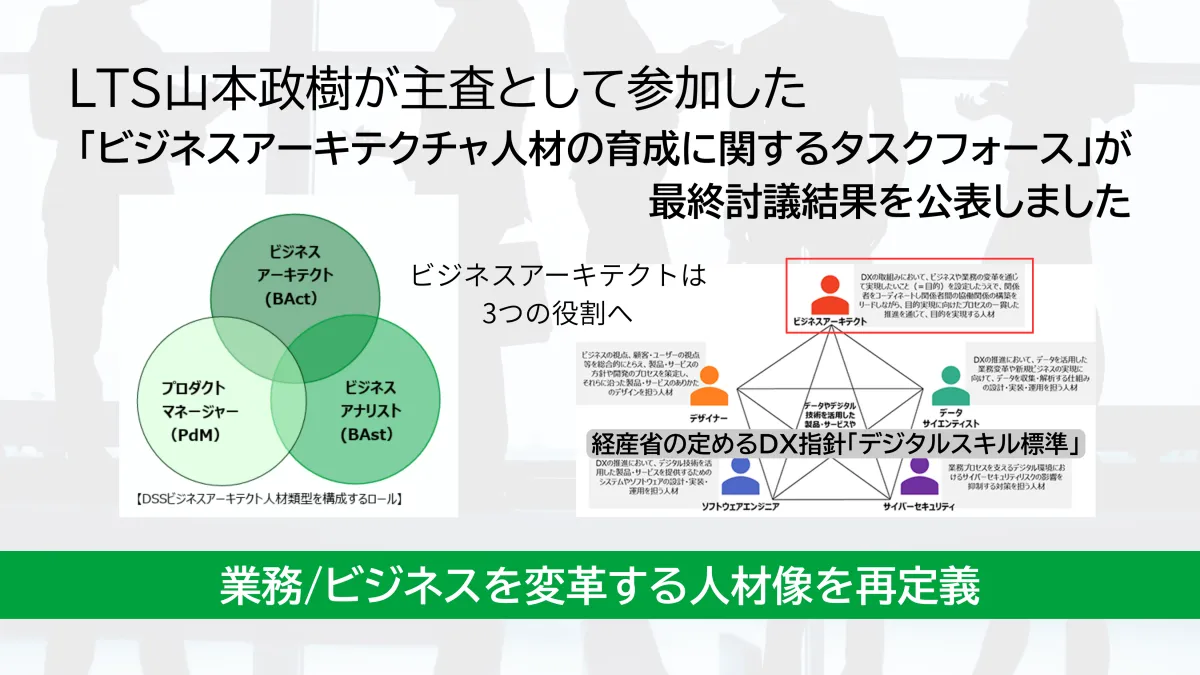
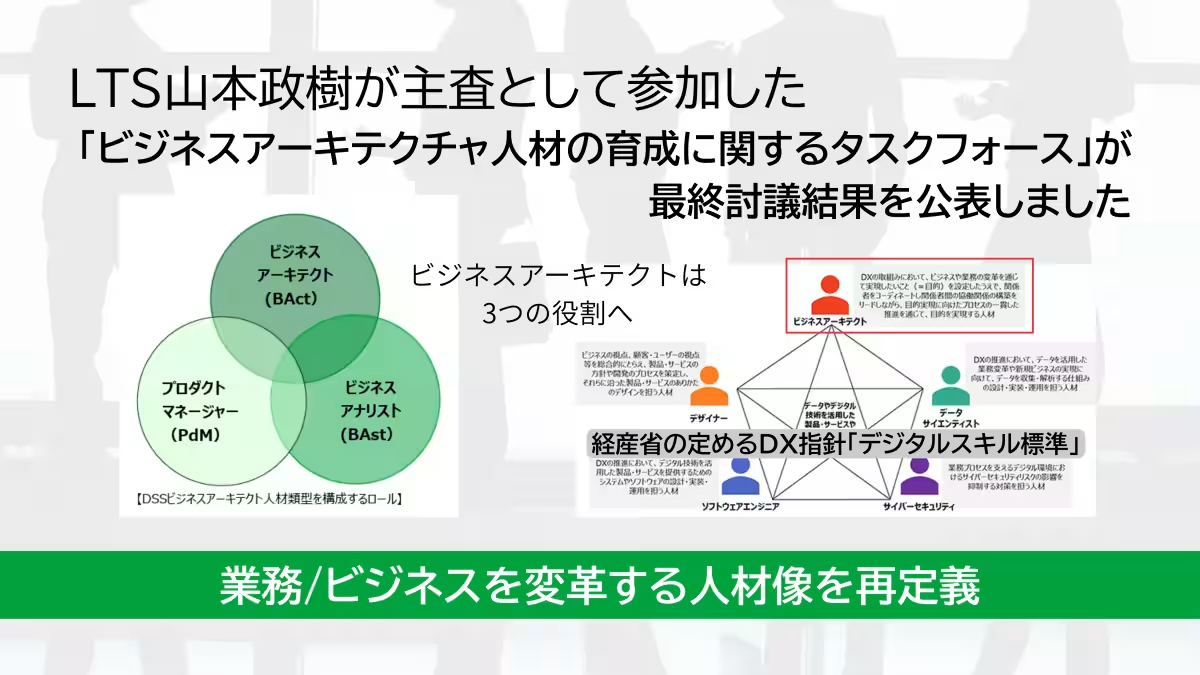
In December, a landmark development transpired in Japan's business landscape. The Ministry of Economy, Trade and Industry (METI) publicly disclosed its definitive framework for the role of Business Architects through a task force spearheaded by Masaki Yamamoto, Executive Officer and CSO of LTS Co., Ltd. This announcement is crucial as it establishes a recognized definition for the role of Business Architects—specialists tasked with facilitating digital transformation and organizational change within businesses.
Importance of Business Architects
LTS has long recognized the critical importance of skilled professionals known as Business Architects and Business Analysts. These roles are integral to any successful digital transformation journey. The industry has already begun to acknowledge the strategic necessity of such professionals, not only to redefine corporate strategies but also to ensure their successful implementation in an ever-evolving digital landscape.
The task force established by METI was formed with the aim of reassessing the roles within the Digital Skill Standards (DSS). It serves to redefine what it means to be a Business Architect in Japan, aligning local expectations with global standards in business transformation expertise. As part of this initiative, experts, corporate representatives, and stakeholders collaborated under Yamamoto's leadership to bring about a clear understanding of the roles and responsibilities of Business Architects.
Findings from the Task Force Discussions
The task force has outlined several key areas for the role of Business Architects:
1. Role Definition: Business Architects have now been classified into three categories: Business Architects, Product Managers, and Business Analysts. This categorization will help clarify responsibilities and expectations within organizations, fostering better alignment and cooperation.
- Business Architect: Focuses on translating business strategies into actionable plans, supports investment decisions, and collaborates with executives to oversee strategic initiatives.
- Product Manager: Acts as the sole owner and custodian of specific products, handling everything from concept creation to development, while leading stakeholder alignment and ensuring a strategic vision.
- Business Analyst: Primarily responsible for analyzing business systems and communicating requirements, serving as a liaison among stakeholders without final decision-making authority.
2. Career Pathways: Understanding the career progression for Business Architects is pivotal. The newly defined paths classify roles into operational, product, and enterprise levels, helping to specify required skills and growth steps within each area.
3. Skill Importance: The emphasis is shifting from hard skills to soft skills, necessitating strong communication, teamwork, and analytical abilities. Revising the existing skill definitions in the DSS is critical for aligning with modern marketplace demands.
4. Future Challenges: The findings highlight the need for a detailed framework regarding roles, skills, and development systems to enhance corporate awareness. Educational initiatives and activities aimed at promoting the role of Business Architects within organizations are seen as essential for advancing recognition.
Promotion and Awareness Initiatives
To increase recognition of Business Architects, various promotional strategies are suggested. These include organizing events, enhancing partnerships with educational institutions, and leveraging media outreach. Additionally, establishing support systems for firms adopting these roles, along with certification processes, are crucial for embedding the concept within the societal fabric.
The Future of Business Transformation in Japan
Masaki Yamamoto states, “To successfully drive business transformation and digital initiatives, companies must not only equip teams with technological skills but also cultivate architects capable of navigating and leading change throughout their organizations.” The task force's findings pave the way for understanding how Business Architects can play a fundamental role in shaping the future of business in Japan, enhancing both corporate and economic growth.
For further information on the task force findings and LTS's efforts in cultivating Business Architects, visit their official website.


Topics Business Technology)
【About Using Articles】
You can freely use the title and article content by linking to the page where the article is posted.
※ Images cannot be used.
【About Links】
Links are free to use.