



The Impact of Rising Food Prices on Cooking Trends: A Shift Towards Bread Making
The Impact of Rising Food Prices on Cooking Trends: A Shift Towards Bread Making
In a recent study by Cookpad, Japan's leading recipe-sharing platform, significant shifts in home cooking preferences have been documented between 2010 and 2025. The report indicates that due to the rising cost of ingredients, there is a notable decrease in interest in baking sweets, while bread-making has surged to become the most popular 'first attempt' category among home cooks.
Key Findings
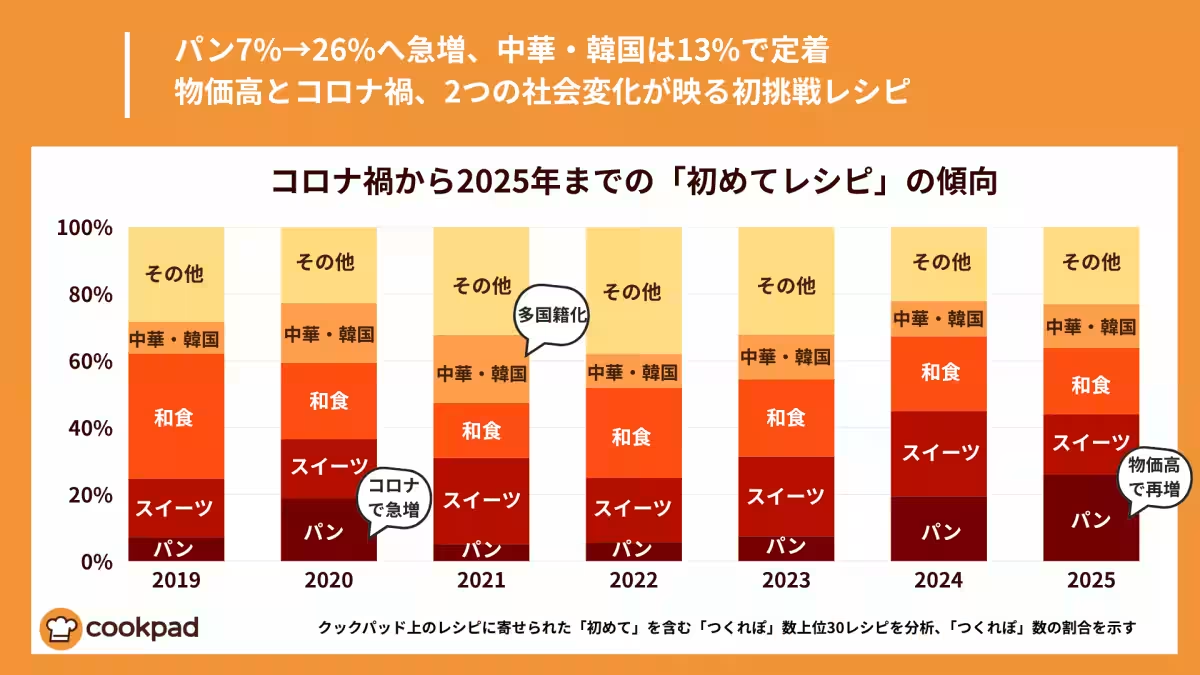
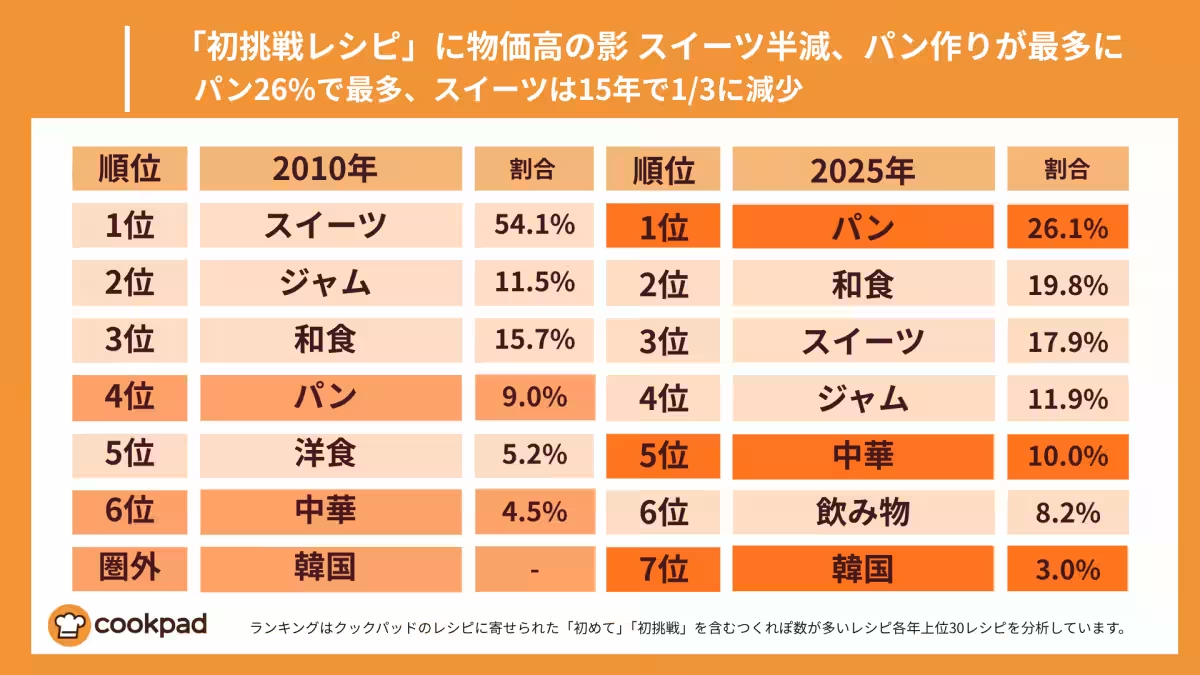
- - The consumer price index for bread is expected to jump to 127.0 by August 2025, leading to an increase in those trying their hand at baking bread, projected to reach 26.1%.
- - The percentage of users attempting to bake sweets has dropped drastically from 54% in 2010 to just 18% in 2025.
- - While interest in traditional Japanese dishes has remained stable at around 20%, there has been a rise in interest in multi-national cuisines, especially during and post-COVID.
Surge in Bread Making
Between 2020 and 2025, the percentage of users making bread for the first time skyrocketed from 7.4% to an expected 26.1%. This increase directly correlates with the rise in bread prices, which has prompted individuals to venture into homemade baking. The report highlights that as of 2025, the consumer price index for bread will have increased by 27% compared to 2020.
Decline of Sweets
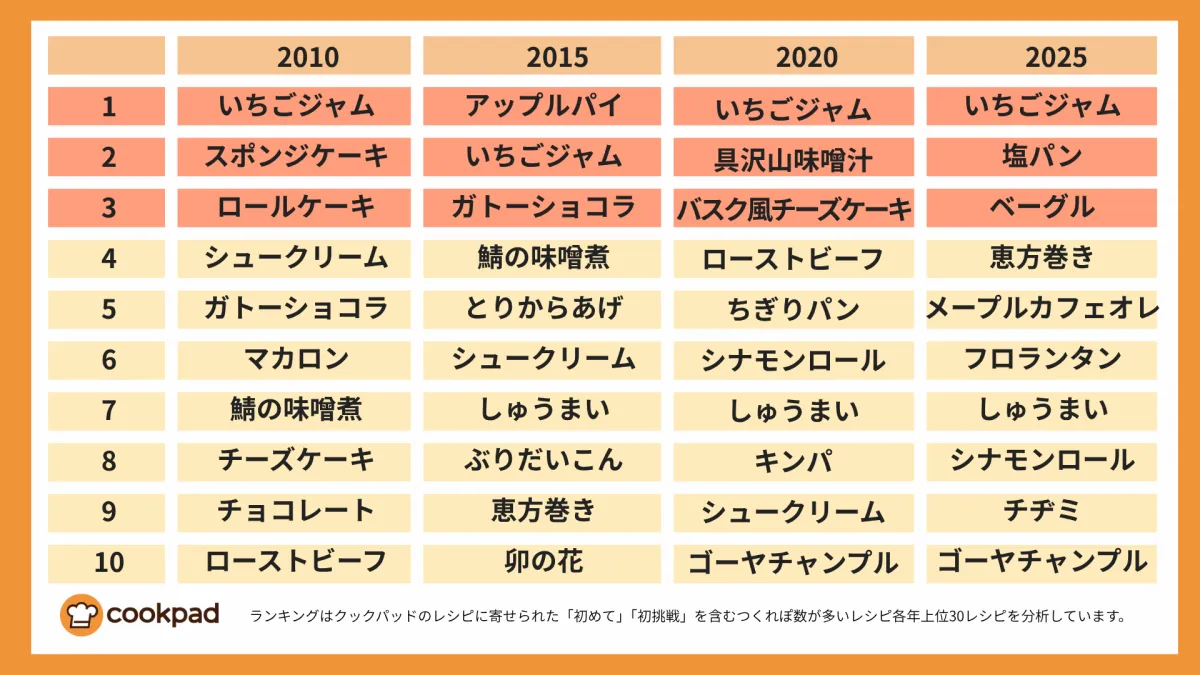
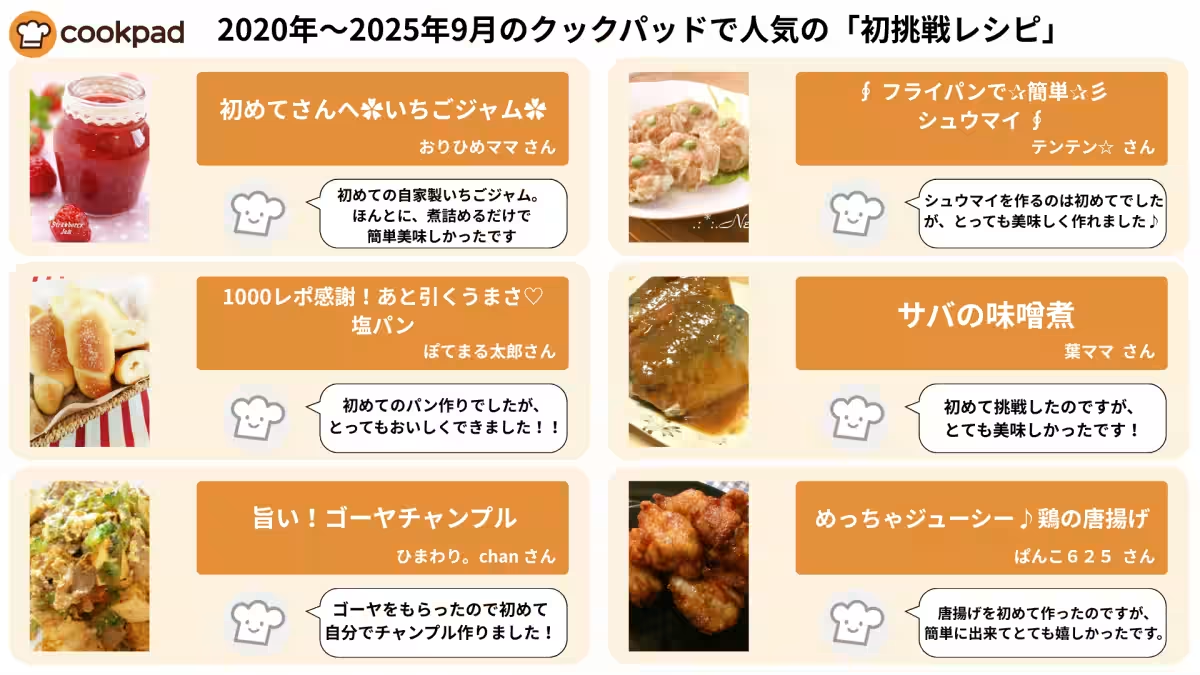
Simultaneously, the trend of declining interest in sweets has been noted. Sweets once dominated as the go-to choice for first-time cooks, constituting more than half of all entries. The decrease in recipe attempts for complex sweet dishes like sponge cakes and macarons reflects a broader societal shift towards practical home cooking, focused on budget-friendly and sustainable meals.
As families turn to easy-to-make, filling dishes like fried chicken, miso soup, and dumplings, the societal focus is evidently shifting toward functional recipes that cater to everyday needs.
Rise of Multi-National Cuisines
While domestic cooking maintains a steady interest, there has been a remarkable increase in attempts to recreate international dishes. From 2019 to 2025, the share of people attempting Chinese and Korean recipes has more than doubled as people look to replicate the flavors of vibrant restaurant offerings at home. This movement has become increasingly prominent, reinforced by rising eating-out costs and the flexibility that home cooking provides.
Stable Interest in Japanese Cuisine
In a stark contrast to the fluctuating interests in sweets and bread, traditional Japanese cuisine maintains a steady presence, hovering around 20% for the last several years. As health-conscious cooking rises in importance, dishes like meat and potatoes and fried chicken have remained favorites among new home cooks. Notably, survey findings indicate a strong commitment to 'healthy eating,' with a significant majority expressing a desire to prepare foundational Japanese meals that contribute to family health.
Embracing Seasonal Ingredients
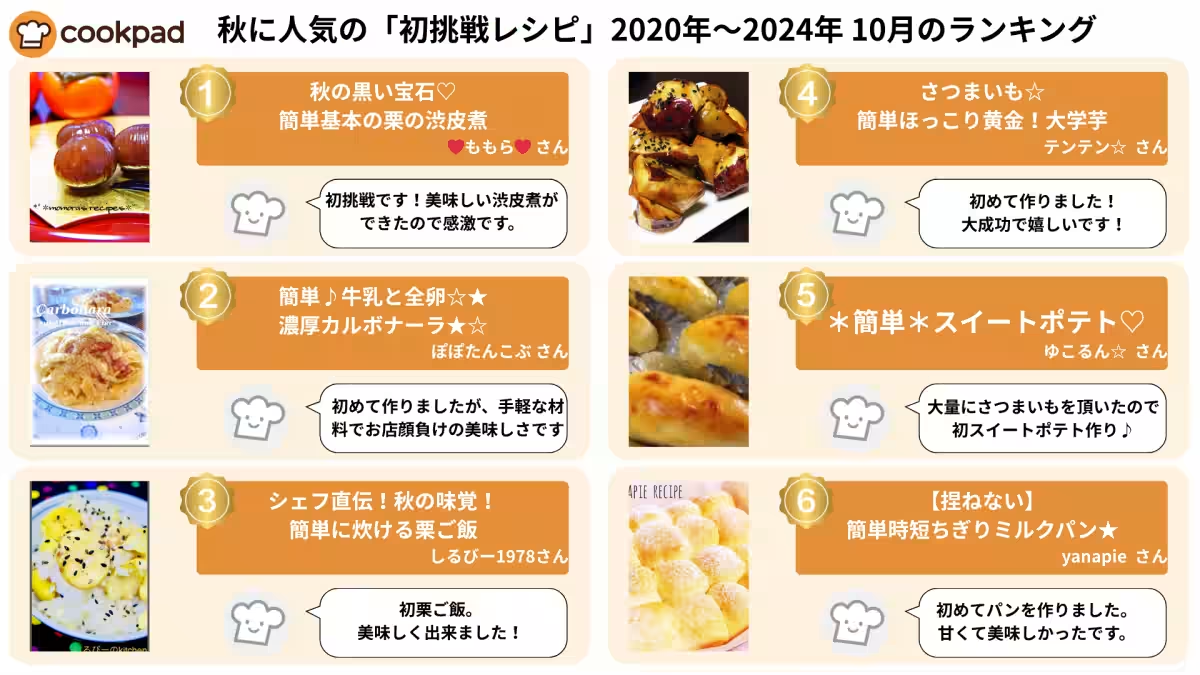
Interestingly, the study notes that despite the rising trend towards practicality, the seasonal enjoyment of ingredients has not waned. From chestnut stews to sweet potatoes, these dishes remain among the top choices for those attempting new recipes, suggesting that the appreciation for seasonal cooking still thrives.
Conclusion
Cookpad's findings reflect not just a statistical trend but a changing paradigm in home cooking, shaped by economic factors and evolving consumer preferences. As pandemic-induced shifts towards multi-national cooking continue, so too does the rise in practical home baking, illustrating the adaptability of families in changing times. Meanwhile, the steady inclination towards traditional Japanese dishes remains a comforting constant in family kitchens. Cookpad will continue to evolve as a resource for home cooks as they embark on new culinary journeys amidst shifting socio-economic landscapes.
Topics Consumer Products & Retail)




【About Using Articles】
You can freely use the title and article content by linking to the page where the article is posted.
※ Images cannot be used.
【About Links】
Links are free to use.