



Essential Measures to Prevent Heat Stroke During Summer Outdoor Activities
Prepare for the Summer: Preventing Heat Stroke in Outdoor Activities
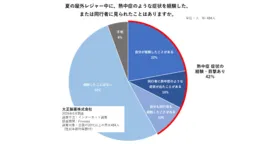
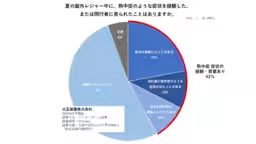
As the summer sun beckons, outdoor leisure becomes a favorite pastime for many. However, with enjoyable activities come inherent risks, especially heat-related illnesses like heat stroke. A recent study by Taisho Pharmaceutical Co. surveyed 484 individuals aged 20 to 60 who participated in summer outdoor activities within the past five years. Alarmingly, 42% of respondents admitted to having experienced or witnessed heat stroke symptoms during such outings.
Long hours outdoors without proper hydration can lead to dehydration and overheating, often before individuals even acknowledge signs of discomfort like thirst or fatigue. This situation is exacerbated by increasingly frequent heat waves, making proactive measures essential.
What to Bring for Heatstroke Preparedness
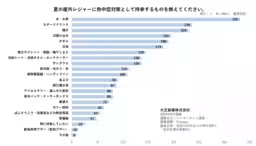
Participants in the same survey were asked what items they brought along to combat heat stroke, revealing a mix of common essentials. The top three included: 330 individuals carried water or tea, 236 had sports drinks, and 229 brought hats, while 194 utilized sunscreen. Notably, only 87 people carried oral rehydration solutions, and a mere 80 used ice slurries or frozen drinks to cool down internally. These results highlight a concerning gap in awareness regarding proper hydration and heat regulation strategies.
While basic precautions like staying hydrated and wearing a hat or sunscreen are widely recognized, more specialized strategies for electrolyte replenishment and body temperature management remain inadequately adopted.
Common Practices to Maintain Health
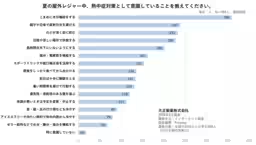
When asked about practices for heat stroke prevention, the majority (358 respondents) acknowledged the importance of regular fluid intake. Other preventive measures included utilizing shade (237 responses), drinking before feeling thirsty (231), and resting in cool areas (226). Conversely, fewer respondents emphasized the importance of eating a solid breakfast (134) or affecting their overnight rest (132). This disparity reveals a tendency to overlook overall wellness steps that contribute to heat management.
The Risks of Summer Leisure
Summer activities like beach outings, camping, or hiking are enjoyable yet come with risks of heat stroke, dehydration, and accidents. Engaging in outdoor fun can distract from critical self-awareness regarding physical condition, particularly in high heat and humidity. Fortunately, preparation can make the difference, according to Dr. Yasushi Miyake, an expert in heat-related conditions.
Dr. Miyake emphasizes that preventive measures should begin before departure. Checking not only the weather forecast but also the heat index (WBGT) and any heat stroke alerts is paramount to ensure a safe outing. On days of high risk, reconsidering plans or adjusting schedules may be necessary to avoid complications.
Hydration Strategies and Emergency Response
Regular hydration is crucial during summer leisure, yet timing matters. Waiting until thirst strikes often means dehydration has already begun. Thus, it's best practice to consume fluids consistently throughout activities. Electrolytes, alongside water, should be part of this strategy to maintain bodily functions and prevent complications.
It’s vital to recognize signs of heat stroke early. Initial symptoms include dizziness, headaches, nausea, or an unusual sense of fatigue. If any of these symptoms appear, immediate action is needed, such as moving to a cooler place, loosening clothing, hydrating with electrolyte solutions, and cooling the body using ice packs or cold towels.
Reactions to heat can escalate rapidly. For severe symptoms such as confusion, inability to walk, or persistent vomiting, medical assistance is imperative. Understanding the warning signs and encouraging self-care among companions can mitigate serious outcomes.
After the Outing: Ongoing Vigilance
It’s critical to remain vigilant even after returning home. “Delayed heat stroke” can occur, manifesting symptoms hours post-activity as the body recovers from dehydration and fatigue. Look out for changes in family members, especially children, as they may struggle to articulate their feelings. Recognizing signs of lethargy or subtle behavioral shifts can facilitate timely intervention.
In conclusion, summer leisure activities should remain enjoyable, but care must be taken to mitigate risks associated with heat exposure. By implementing comprehensive strategies for hydration, nutrition, and awareness, individuals can better safeguard their health and make lasting memories under the sun.

Topics Health)
【About Using Articles】
You can freely use the title and article content by linking to the page where the article is posted.
※ Images cannot be used.
【About Links】
Links are free to use.