



7-Eleven's Local Production Initiatives Win FOOD SHIFT Excellence Award
7-Eleven's Commitment to Local Food
In an impressive recognition of sustainability and quality, Seven-Eleven Japan has recently been awarded the FOOD SHIFT Selection 2025 Excellence Award by the Ministry of Agriculture, Forestry and Fisheries. The award highlights 7-Eleven's dedication to local production and the innovative ways they incorporate regional ingredients into their products.
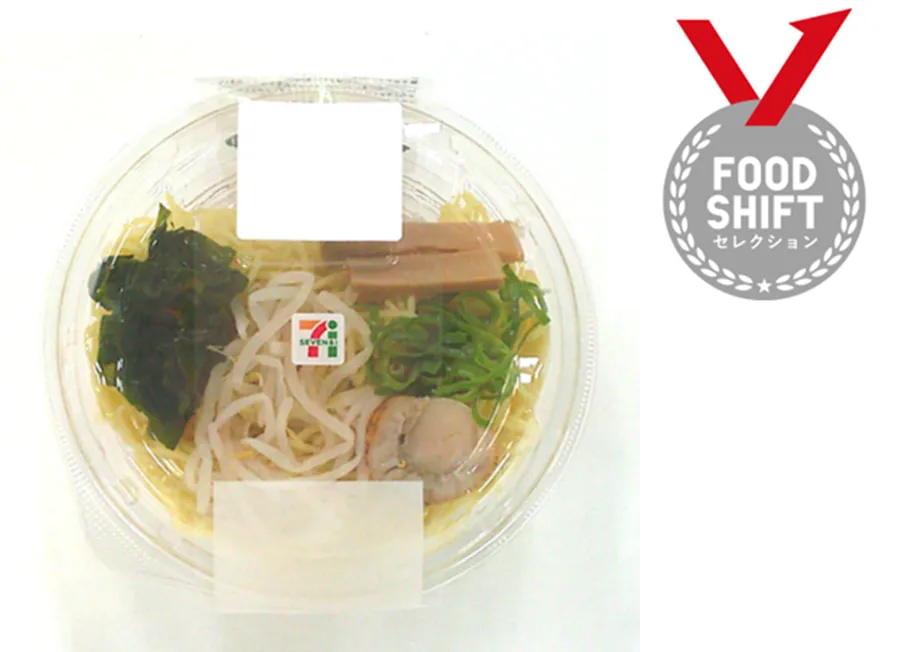
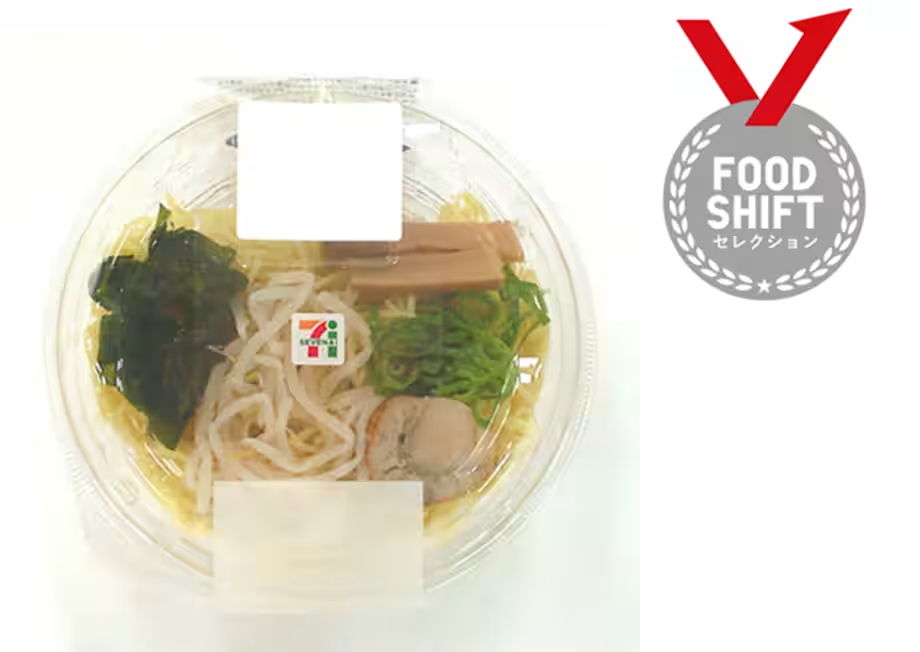
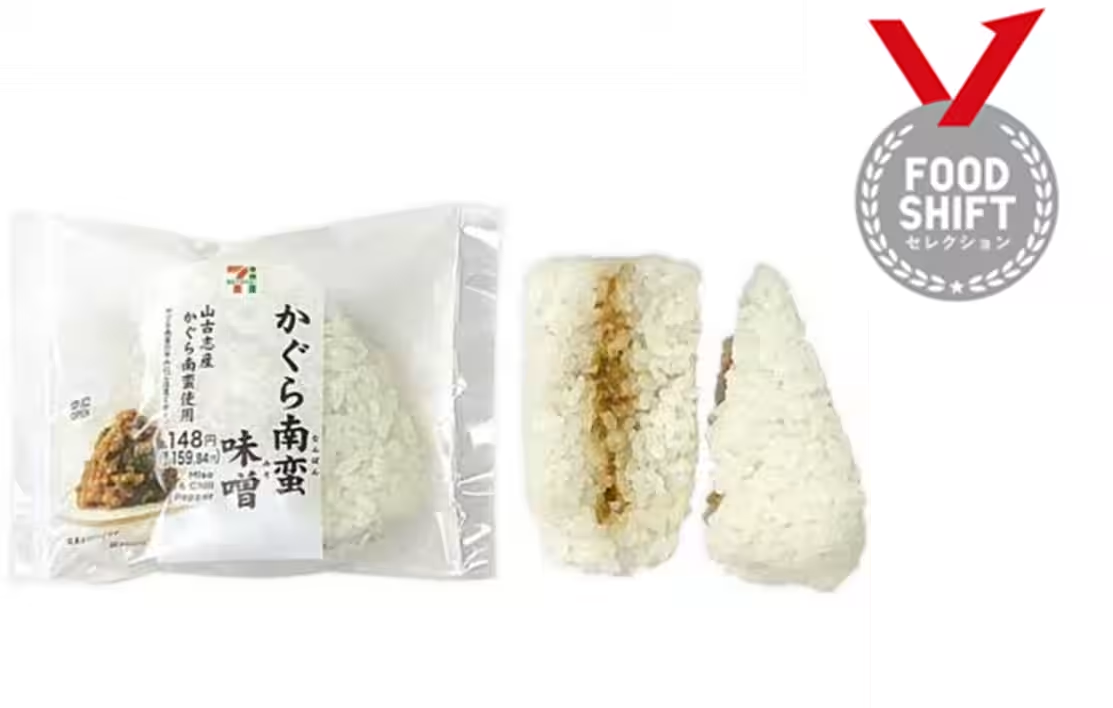
Two standout items that caught the attention of the award committee are the Cold Hakodate Salt Ramen, made with premium kelp sourced from Hakodate, Hokkaido, and the Kagura Nanban Miso Onigiri, featuring the traditional vegetable from Niigata Prefecture. Both items reflect 7-Eleven's commitment to using locally sourced ingredients, thus supporting local producers and promoting regional food culture.
The Hakodate Kelp Project
The Cold Hakodate Salt Ramen is particularly noteworthy, as it not only utilizes local kelp but also supports the “Sea and Kelp Forest Project.” This initiative aims to restore the habitats of kelp due to declining harvests in Hokkaido. By offering products made from locally harvested kelp, 7-Eleven plays a vital role in connecting consumers with the region's rich marine resources.
This dish does not just satisfy hunger; it actively contributes to the ecosystem by supporting sustainable harvesting practices. The recognition was attributed to the company’s efforts to sustain the resources for future generations, emphasizing their holistic approach to food sourcing.
Preserving Tradition and Promoting Culture
On the other hand, the Kagura Nanban Miso Onigiri addresses the challenges faced by local farmers, such as the aging population of producers and the lack of new entrants into the agricultural workforce. This product symbolizes a commitment not only to preserving the unique flavors of Niigata but also to nurturing the agricultural ecosystem.
7-Eleven collaborates with elementary school students in the region to develop various products, thereby educating young minds about food culture and agricultural practices. This initiative has been well-received, showcasing 7-Eleven's emphasis on community engagement and its ambition to foster a sustainable agricultural future.
A Bright Future Ahead
With both products no longer available for purchase, 7-Eleven continues to advance its mission of promoting local production and addressing environmental concerns. The company is actively promoting sustainable practices and supporting community agriculture, thus ensuring the longevity of Japan's unique culinary traditions.
The FOOD SHIFT Selection initiative aims to elevate local production and increase the use of domestically sourced agricultural products. By achieving recognition under this program, 7-Eleven’s initiatives are indeed pivotal in shaping Japan’s food landscape for the better.
In conclusion, 7-Eleven Japan exemplifies how convenience stores can lead the way in sustainability, community support, and the preservation of local culinary heritage while navigating modern challenges. Their relentless efforts are paving the road to a sustainable future, emphasizing the importance of local food systems and consumer awareness in the battle against environmental decline.
As we look forward, it is inspiring to see how companies like 7-Eleven can influence positive change through innovative products that honor the land and community they serve.
Topics Consumer Products & Retail)
【About Using Articles】
You can freely use the title and article content by linking to the page where the article is posted.
※ Images cannot be used.
【About Links】
Links are free to use.