



New Research Insights into Human Umbilical Cord Stem Cell Culture Media Unveiled
Insights into Human Umbilical Cord Stem Cell Research
Recent advancements in medical research have unveiled the significant potential of human umbilical cord-derived mesenchymal stem cells (UCMSCs) in the realm of skincare. This research, conducted by Eternam Co., Ltd based in Shibuya, Tokyo, in collaboration with Technoble Co., Ltd of Osaka, highlights the anti-inflammatory properties and pigmentation suppression effects of stem cell culture media derived from umbilical cord tissue.
The presentation of these findings was made at the 125th Annual Meeting of the Japanese Dermatological Association, held from June 11 to June 14, 2026, and the 26th Annual Congress of the Japanese Society for Anti-Aging Medicine, conducted from June 26 to June 28, 2026. The study titled, 'Examination of the Dermatological Functions of Human Umbilical Cord-derived Mesenchymal Stem Cell Culture Media' displayed promising results regarding its applications in dermatology.
Research Background and Objective
The increasing interest in human stem cell-derived culture media stems from the various cytokines and exosomes they contain, which are believed to possess potent functions for the skin. Eternam has focused on the efficient cultivation of UCMSCs, yielding a culture media rich in cytokines. This has led to an exploration of its functionalities regarding skin health and aging, with new insights emerging from the research.
Research Findings
The research confirmed several essential findings regarding the effects of UCMSC culture media, particularly:
Anti-Inflammatory Effects of UCMSC Culture Media
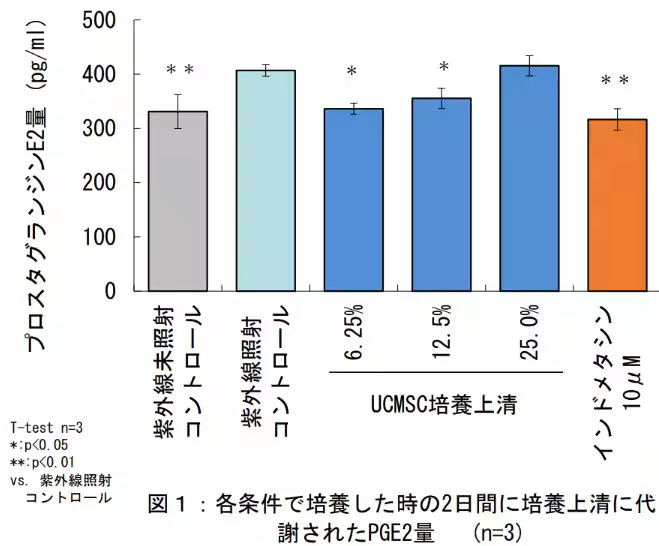
1. Prostaglandin E2 Suppression: After treating human epidermal cells with UCMSC culture media, UV-B radiation was applied. Measurement indicated a significant reduction in Prostaglandin E2 production at concentrations of 6.25% and 12.5%.
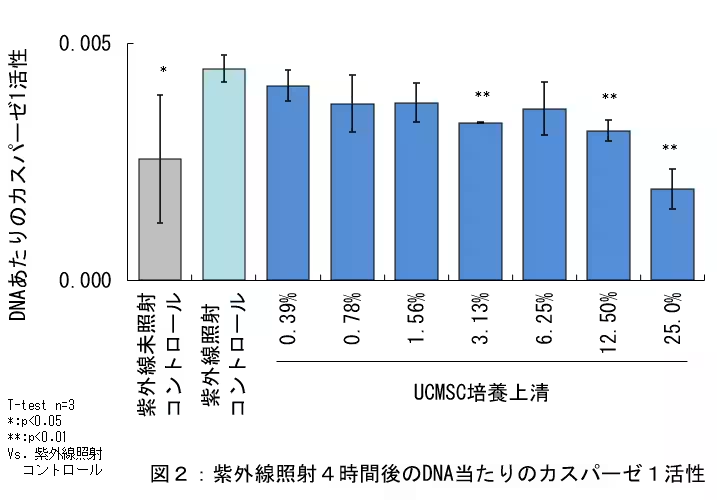
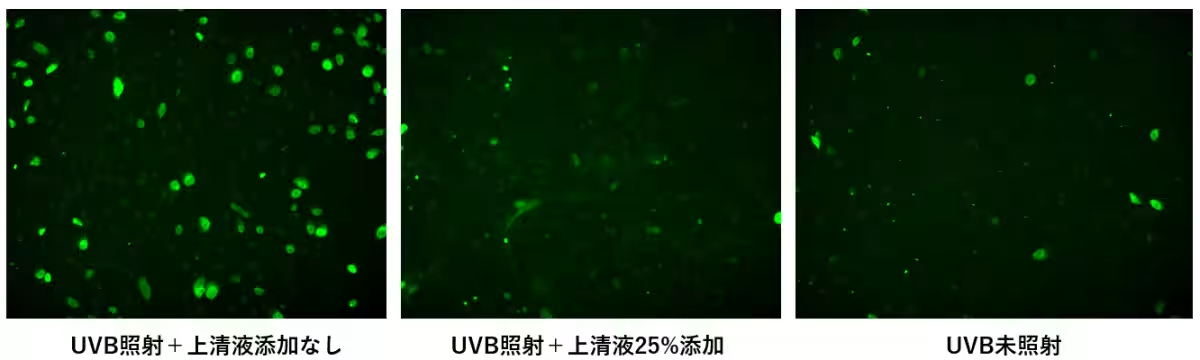
2. NLRP3 Inflammasome Formation Inhibition: Further studies demonstrated that in the presence of UCMSC culture media, the activity of Caspase-1, related to NLRP3 inflammasome formation, was significantly inhibited across concentrations of 3.13% to 25%.
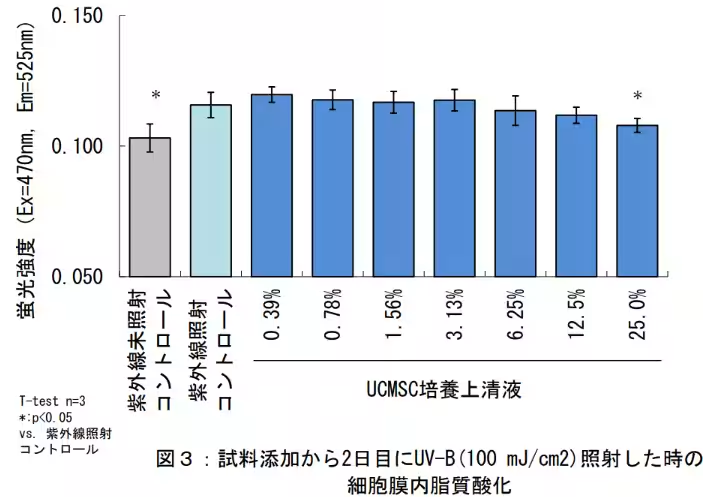
3. Cell Membrane Peroxidation Inhibition: The research showed that UCMSC culture media at 25% effectively reduced peroxidation in epidermal cell membranes, indicating a protective function against oxidative stress.
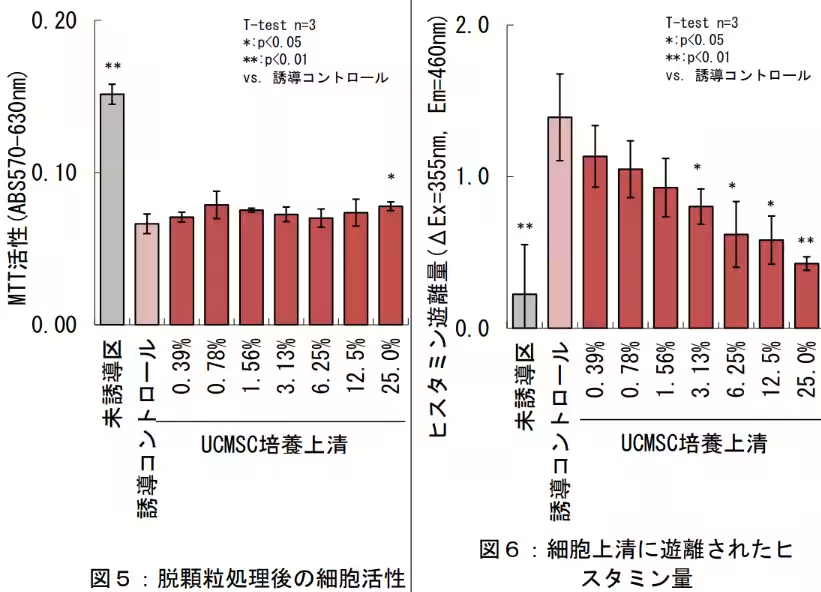
4. Histamine Release Inhibition: It was found that the respiratory activity of human basophils increased significantly, demonstrating a concentration-dependent inhibition of histamine release upon treatment with UCMSC culture media.
Effects on Pigmentation
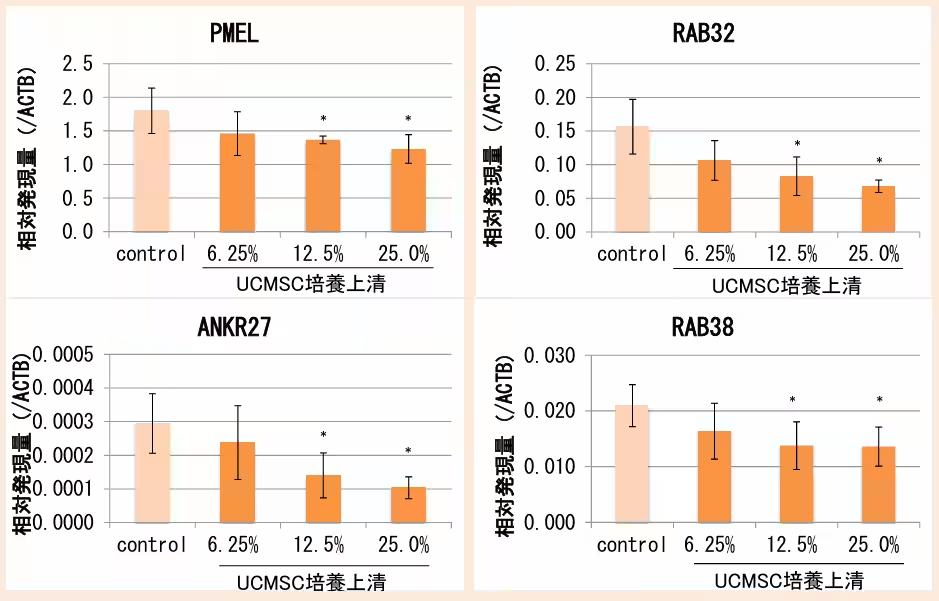
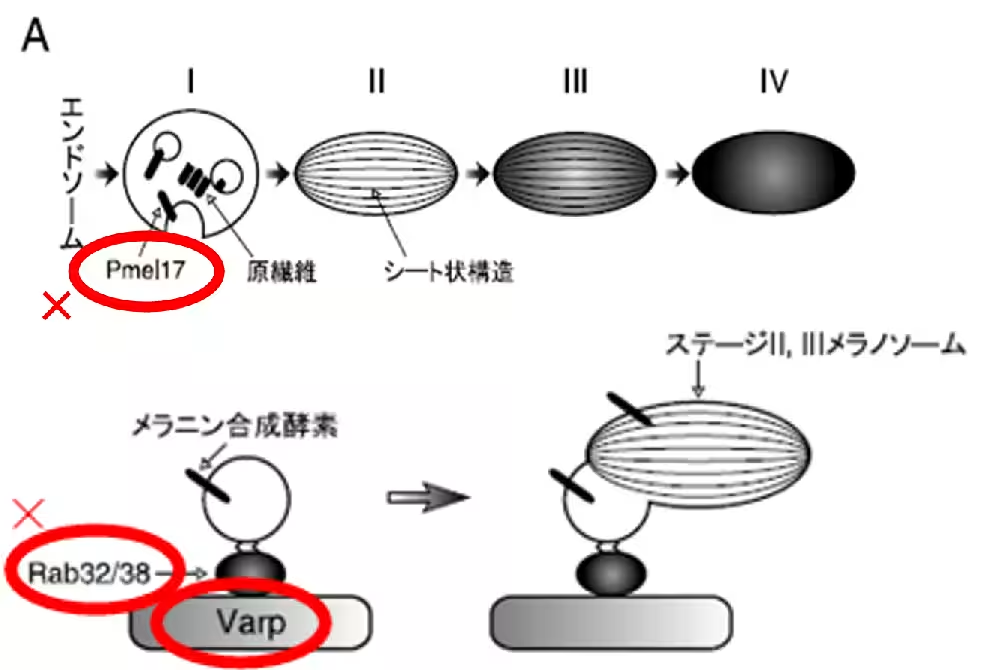
1. Melanosome Maturity and Transport Protein Suppression: The study revealed that UCMSC culture media suppressed the expression of proteins associated with melanosome transport and maturity in human melanocytes. This effect was notably observed at concentrations exceeding 12.5%.
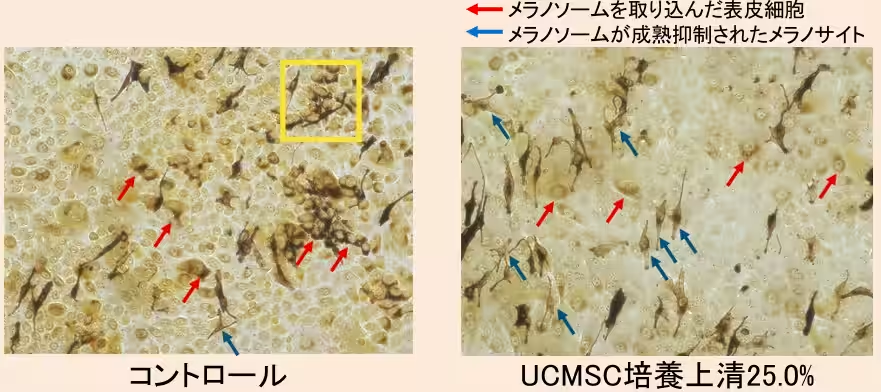
2. Observational Studies: The co-culture of human epidermal and melanocyte cells also exhibited a diminished intensity in melanin uptake in the presence of UCMSC culture media, further supporting the notion of its inhibitory effect on melanosome transport and maturation.
Conclusion and Future Directions
The research into human umbilical cord-derived mesenchymal stem cell culture media has elucidated its multi-faceted effects against inflammation and pigmentation, suggesting that it could effectively normalize skin function under external stimuli like aging and UV exposure. The findings point toward a substantial enhancement in maintaining skin health and promoting a brighter complexion.
Eternam is committed to advancing research in regenerative medicine and dermatology, which aims to harness these insights for the future development of skincare solutions that embody the essence of 'timeless beauty.' Our aspirations for the brand lie in integrating scientific innovation into effective, everyday skincare solutions, ensuring every customer feels supported in their pursuit of everlasting beauty.

Topics Consumer Products & Retail)



【About Using Articles】
You can freely use the title and article content by linking to the page where the article is posted.
※ Images cannot be used.
【About Links】
Links are free to use.