



Survey Reveals Continued Job Searching Despite 5% Wage Hike Expectations in 2026
Insights from Workport’s Latest Survey on Wage Increases and Job Market Trends
As we approach the spring negotiations of 2026, a significant survey conducted by Workport, a leading recruitment agency based in Japan, has uncovered some eye-opening trends regarding wage expectations and employee job satisfaction. The survey, which included responses from 442 business professionals aged 20 to 40 across Japan, highlights the disconnect between wage increases and employee retention efforts.
Key Findings
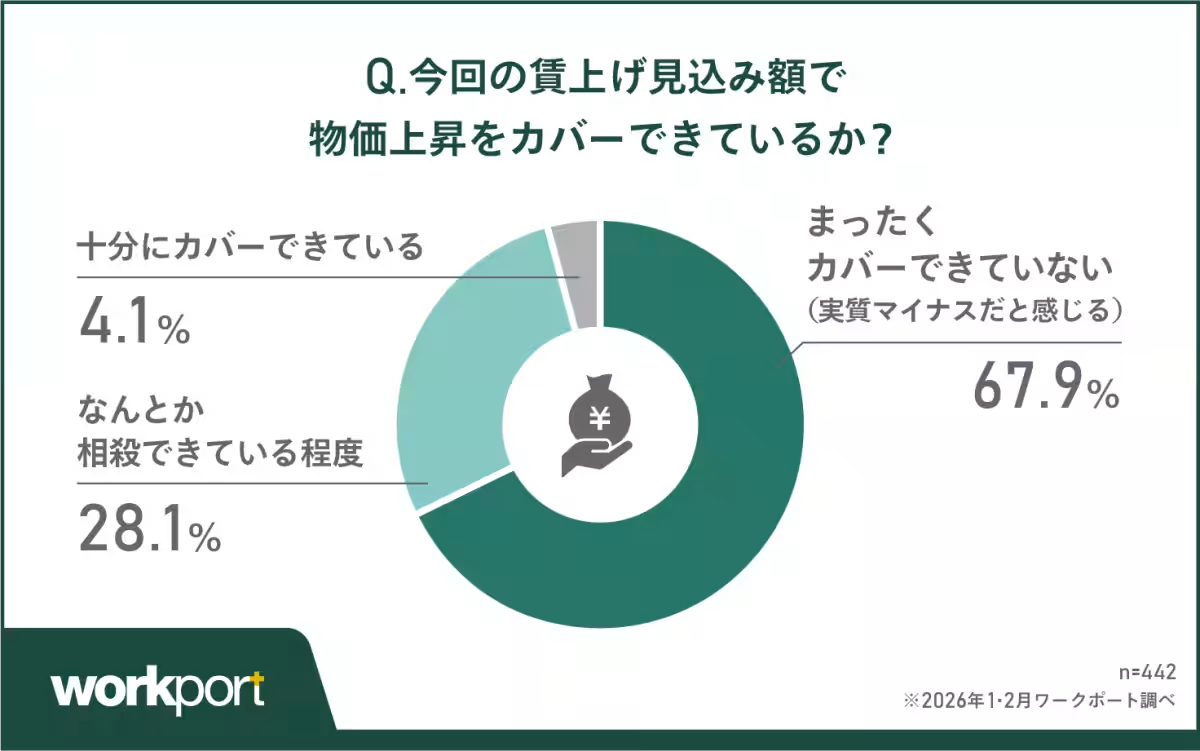
1. Reality of Wage Increases vs. Inflation: 67.9% of respondents feel that anticipated wage hikes do not keep up with rising living costs, often perceiving their financial situation as a net loss.
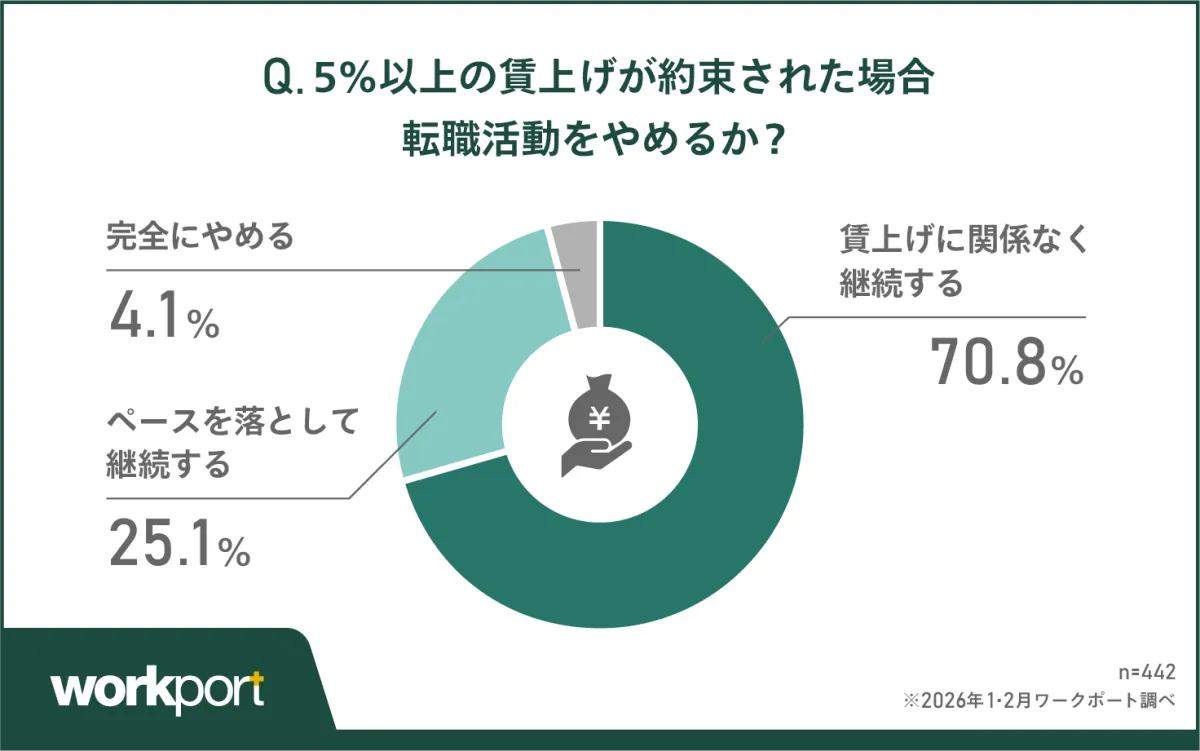
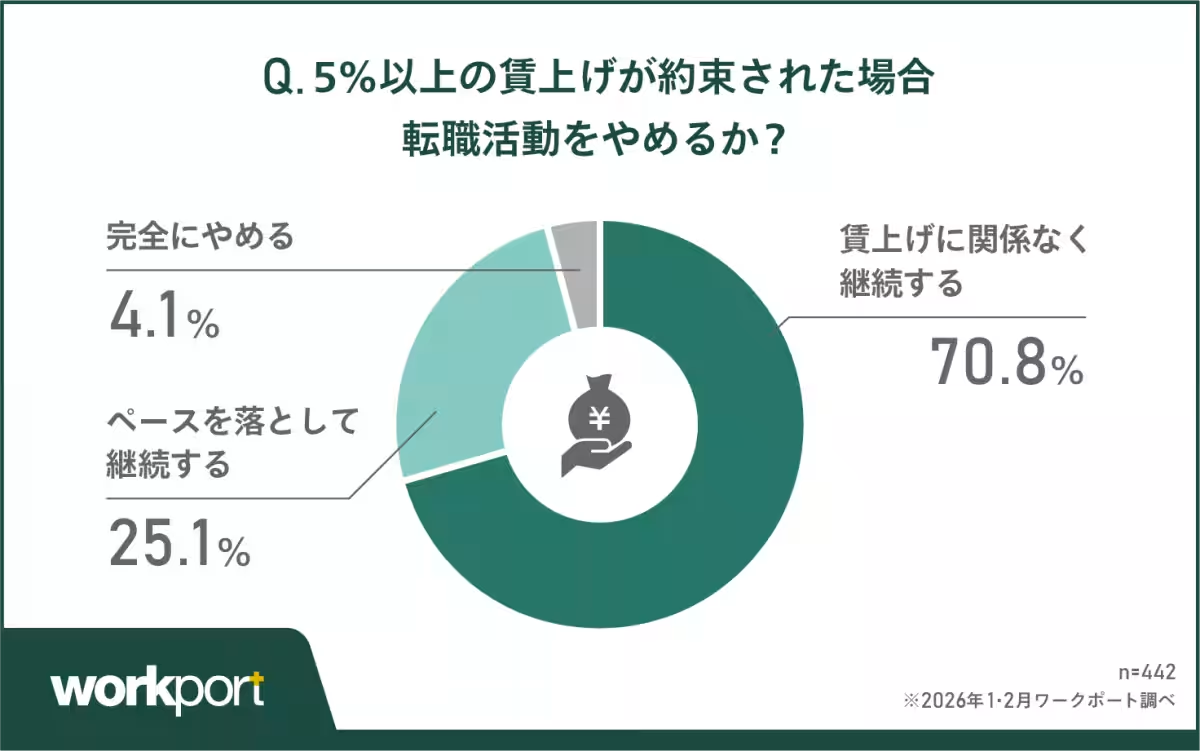
2. Ongoing Job Searching: Notably, over 90% of the respondents stated that they will continue their job search, even if offered a wage increase exceeding 5%.
3. Shift in Reasons for Job Changes: The primary motivation for seeking new employment is changing from salary considerations to personal growth and career advancement.
Survey Details and Context
Expectations of Wage Increases
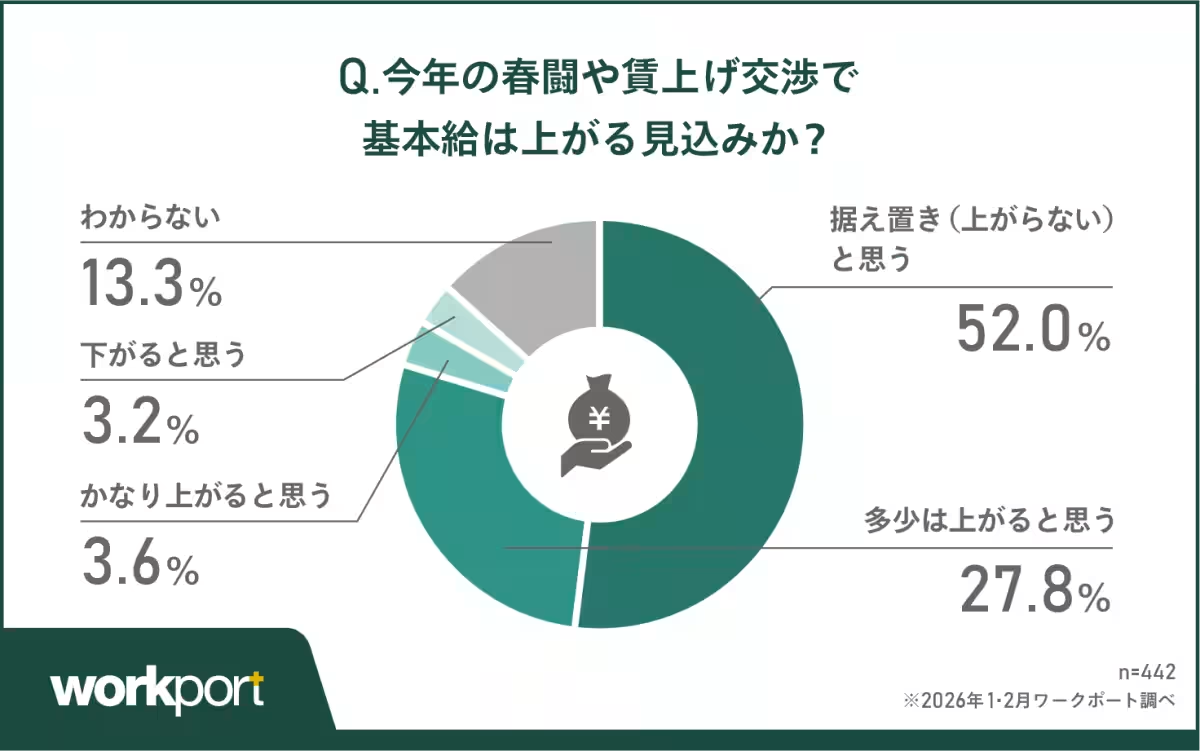
Despite optimistic projections regarding wage negotiations, over half (52%) of the participants indicated they expect no change to their current basic salary. Only a small fraction believe they will see significant increases, which shows a pervasive skepticism surrounding the actual benefit of expected wage adjustments. This could suggest a larger issue regarding trust and expectations between employers and employees.
The Precision of Wage Hikes Against Inflation
When asked whether the expected wage increases would effectively counteract the current inflation, a staggering 67.9% asserted that they wouldn’t. This sentiment underscores a widespread belief that financial gains do not adequately address increasing living expenses, as many are experiencing real financial hardships despite the prospect of raises.
Commitment to Job Searching Despite Offers
In an interesting twist, when asked how they would respond to a salary increase of 5% or more, 70.8% stated they would continue job searching. This data indicates that financial incentives alone are insufficient in deterring turnover—employees want more than just financially flattering offers; they seek meaningful growth and career satisfaction.
Reasons Behind Careers Change
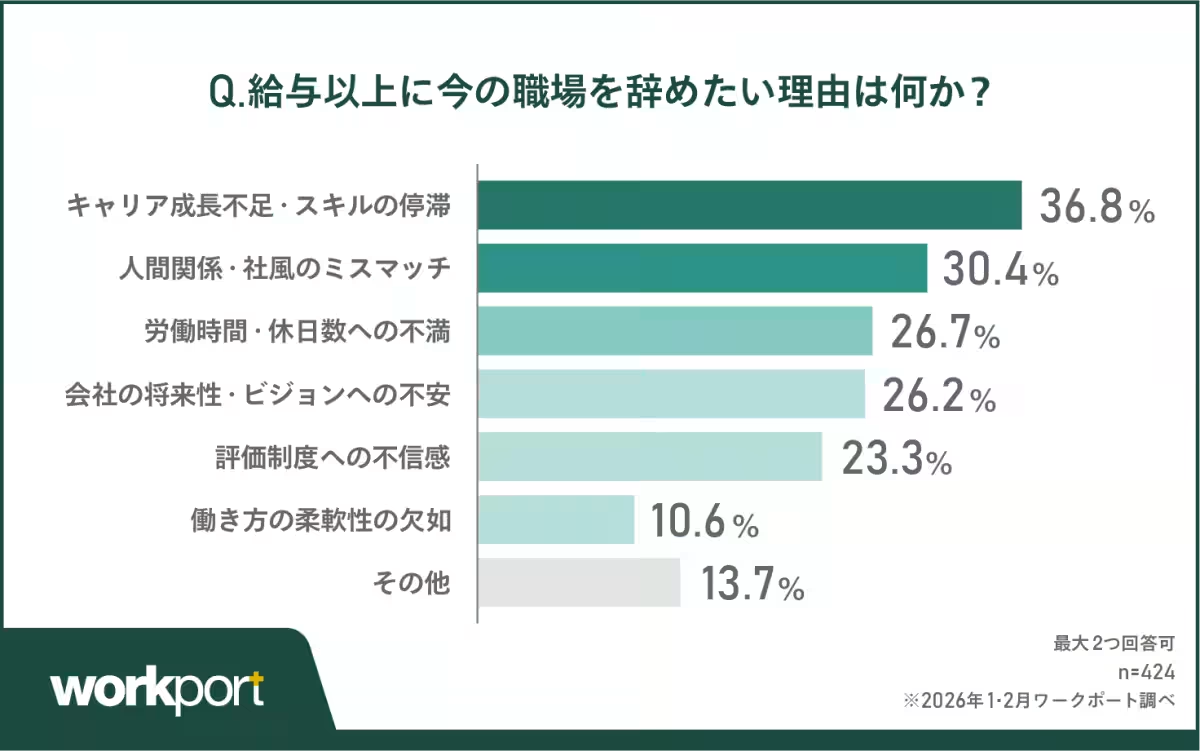
The survey also revealed that the leading reason workers contemplate leaving their current positions is career growth stagnation, cited by 36.8% of participants. This is a sobering reflection that employees prioritize personal and professional development over mere pay raises. Other notable factors include workplace culture misalignments and dissatisfaction with labor conditions, emphasizing that structural workplace issues remain significant.
Focus on Development over Salary
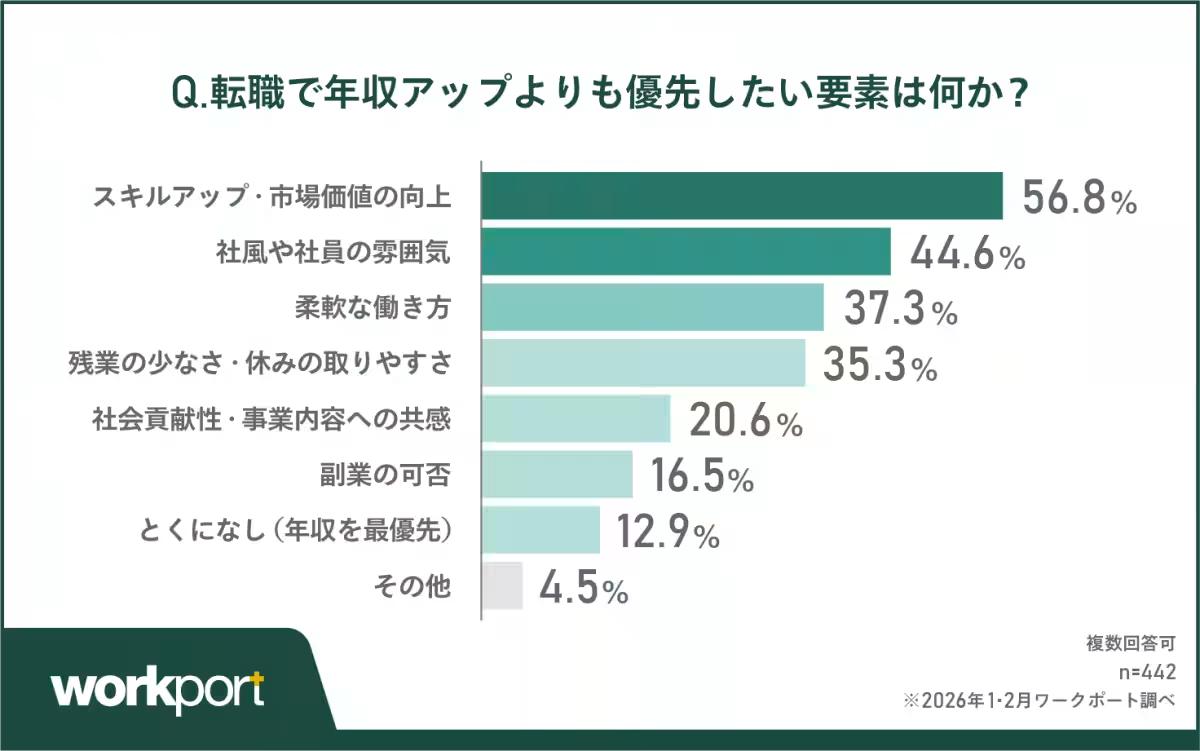
When queried about prioritizing conditions for their next job, 56.8% favored opportunities to enhance their skills and market value over salary increases, which was only prioritized by a meager 12.7%. This shift indicates a strong focus on professional development and organizational culture as key drivers in job decisions, illustrating that modern employees value environments conducive to growth.
Challenges in Workplace Satisfaction
Lastly, employees provided candid opinions regarding workplace issues not resolved by raising salaries, highlighting essential areas ripe for improvement. Key themes included:
- - Career and Skill Development: Many feel trapped in roles without room for growth, fearing their stagnation could adversely impact future employability.
- - Organizational Culture: Insights shared pointed to communication shortcomings and insufficient interaction with leadership as affecting morale, furthering dissatisfaction regardless of pay increases.
- - Work-Life Balance: Concerns about labor conditions, including chronic understaffing and excessive hours, emerged as critical factors influencing employees' decisions to remain or seek new opportunities.
Conclusion: The Path Forward
The findings from Workport's survey reflect a significant transformative moment in the job market. As employee expectations evolve beyond mere salary considerations, organizations must heed these changes. Retaining talent is no longer as simple as increasing financial compensation; instead, companies must cultivate environments that foster professional growth, encourage open communication, and align with workforce aspirations. Moving ahead, the emphasis should be on creating workplaces that not only offer financial benefits but also empower employees in their careers, reinforcing the idea that true employment satisfaction lies in both compensation and professional fulfillment.

Topics Business Technology)
【About Using Articles】
You can freely use the title and article content by linking to the page where the article is posted.
※ Images cannot be used.
【About Links】
Links are free to use.