



Latest Insights on Food Supply Chain Sustainability Management Released by Research Institute
New Insights on Sustainability Management in Food Supply Chains
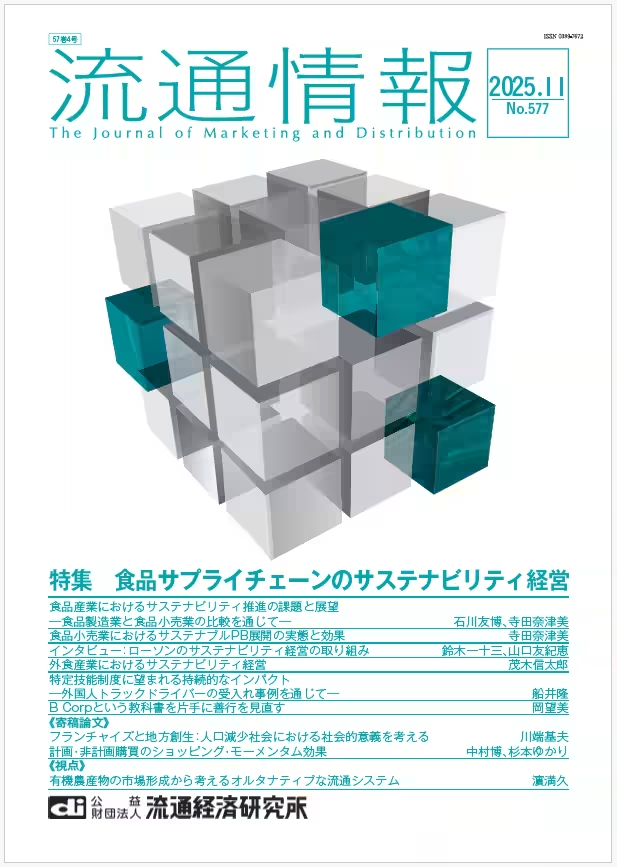
The Japan Distribution Economic Institute has recently published the November 2025 issue of its insightful report, 'Distribution Information'. This edition focuses specifically on the sustainability management in food supply chains, addressing key environmental and social challenges that the food industry currently faces. By examining these issues across various sectors, the report compiles the latest trends and obstacles towards achieving sustainable business operations.
Analytical Insights from Surveys and Case Studies
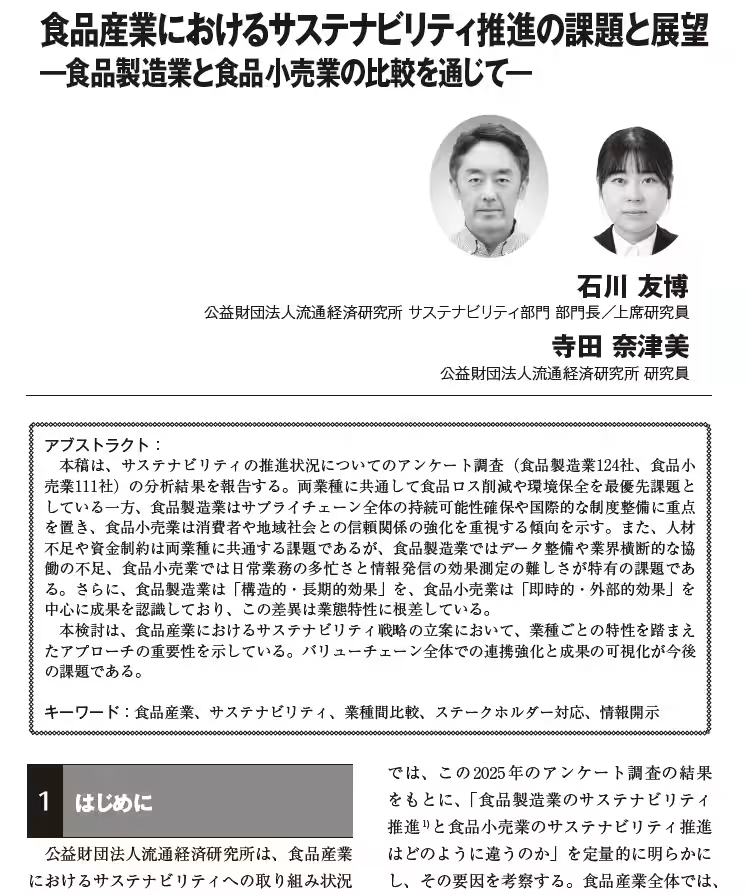
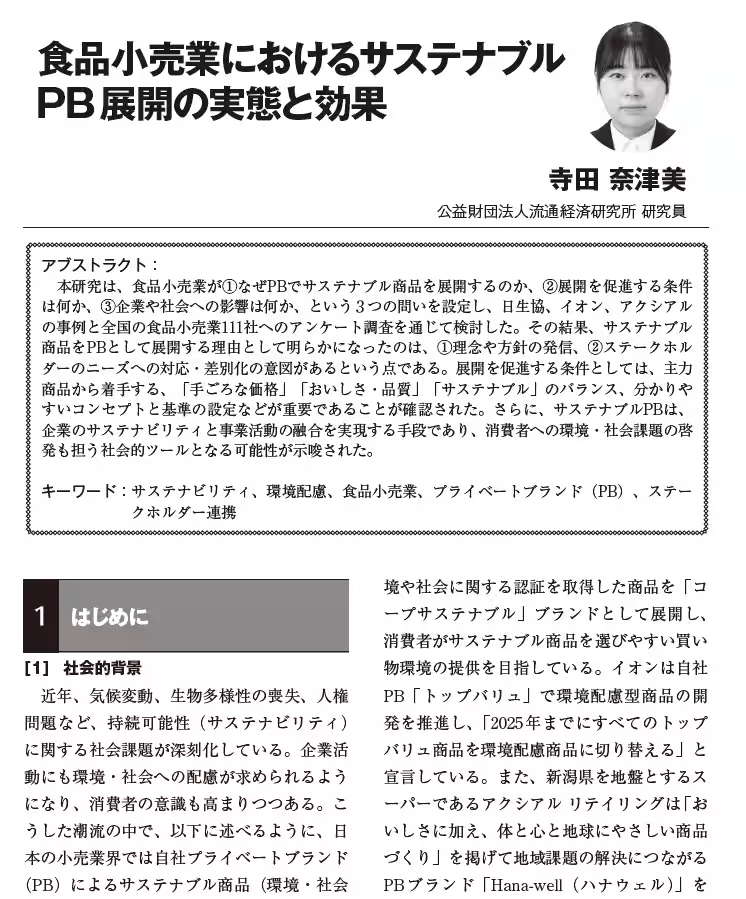
At the start of this report, a quantitative analysis based on a survey targeting food manufacturers, wholesalers, and retailers provides a robust overview of the current state of sustainability management. It highlights key challenges, internal structures, and trending focus themes across these industries. An intriguing section is dedicated to the practices within retail, particularly showcasing the development of sustainable private brands (PB) through systematic evaluations of three major supermarket chains, providing a clear outlook on their current situation and future plans. This comparative analysis offers critical insights into market directions driven by sustainability initiatives.
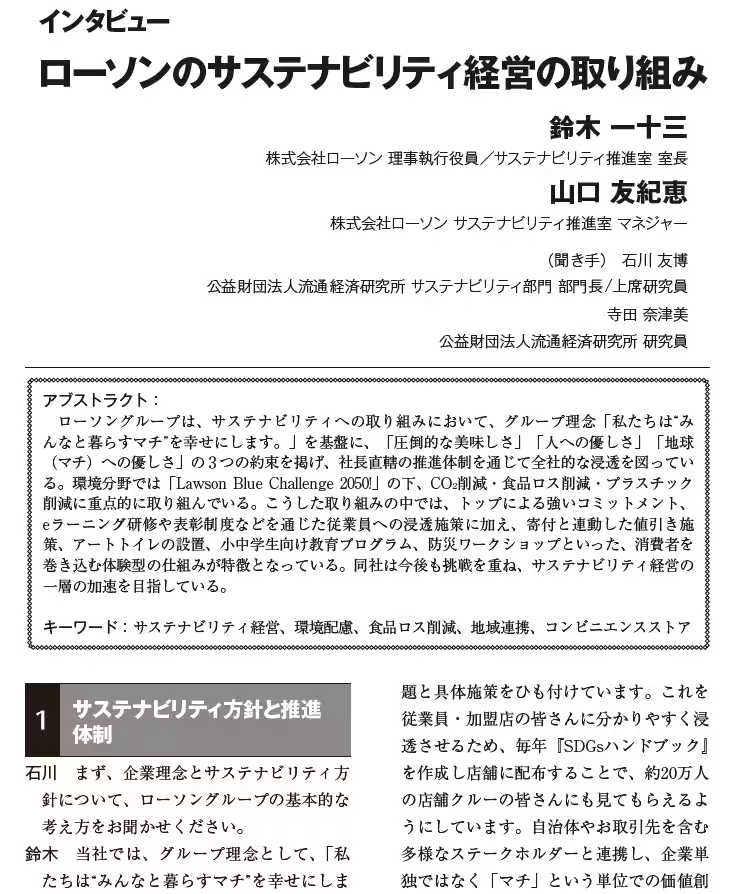
Moreover, an interview with Lawson, a leading convenience store chain in Japan, reveals their efforts in enhancing sustainability across products, stores, and local communities. This grassroots approach exemplifies how major players are redefining their business models towards more sustainable practices.
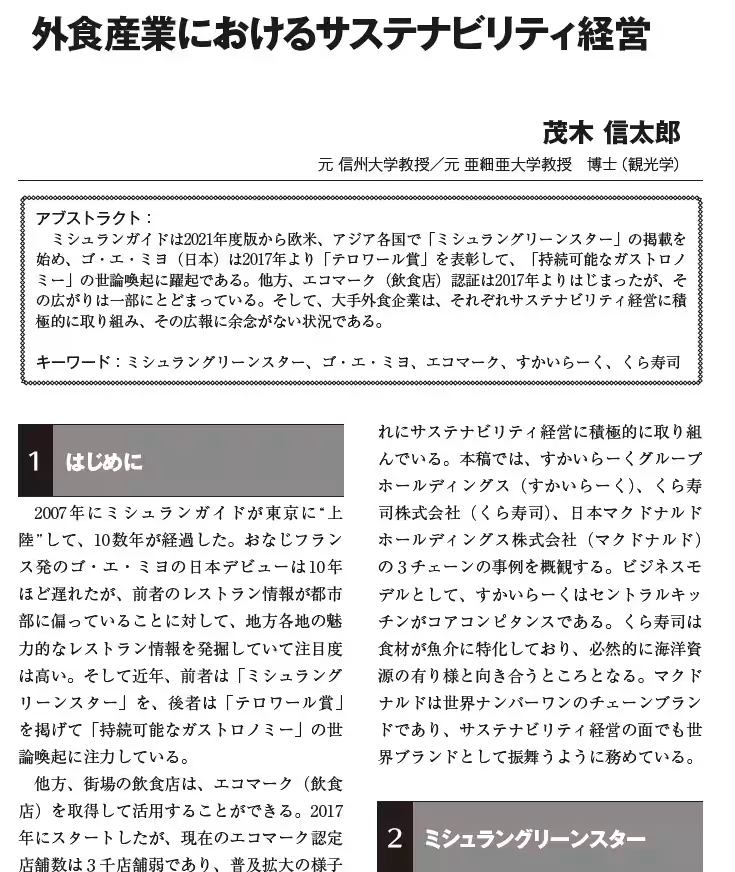
The report also delves into the sustainability challenges facing the restaurant sector, offering case studies from three key companies that illustrate both the implementation of sustainable practices and the obstacles they encounter.
Addressing Workforce Sustainability in Logistics
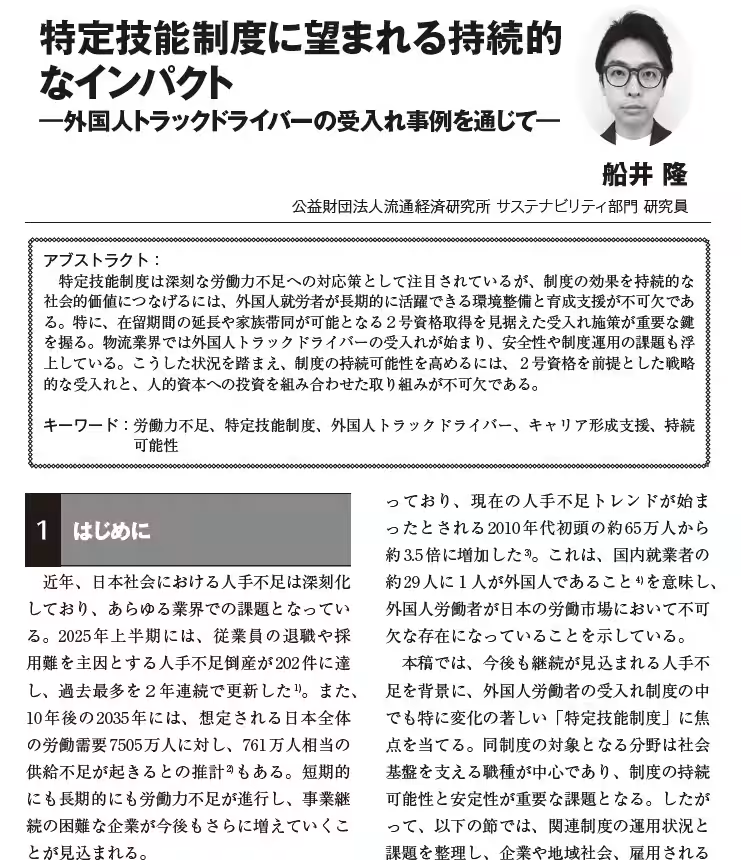
An important aspect of the logistics sector included in this issue focuses on the acceptance of foreign truck drivers, elaborating on the operational implications and the social value necessary for sustainable logistics practices. This topic is crucial as it ties into broader labor market issues and the integration of diverse workforces within Japan’s logistics framework.
Exploring B Corporation Certification Trends
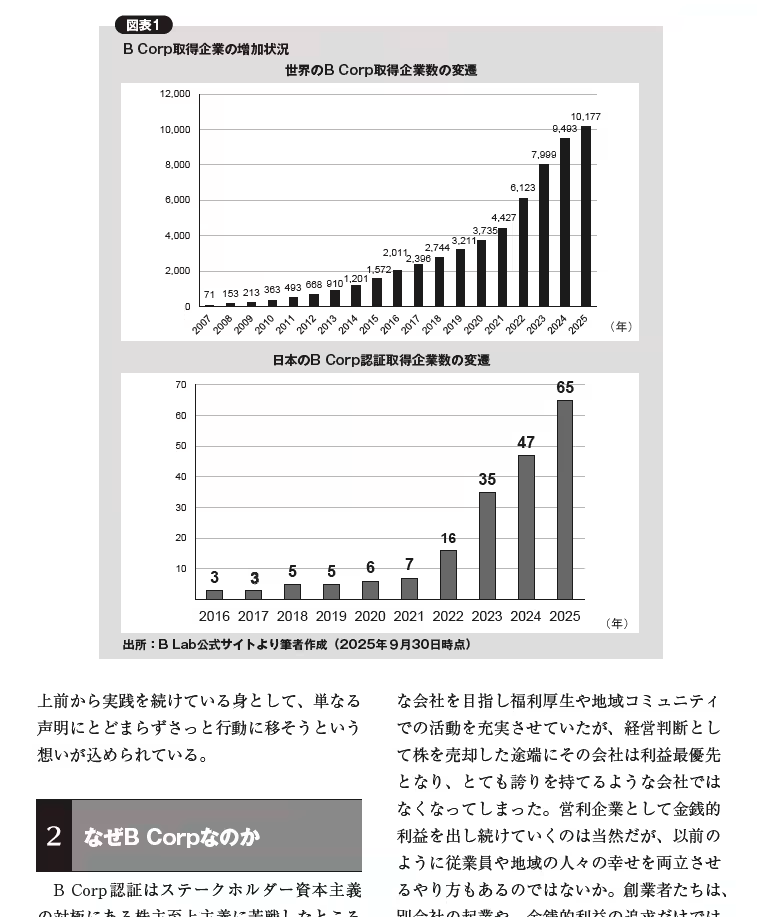
Furthermore, the issue discusses the international certification system for corporate social responsibility, known as B Corporation (B Corp). It elaborates on recent developments in this area, exploring its potential as a new benchmark for creating a better society through business practices that align profitability with positive social impact.
Practical Resources for Stakeholders
This special feature serves as a foundational resource for professionals in food manufacturing, retailing, and wholesaling, encouraging them to reflect on how they can enhance their sustainability strategies in response to these gathered insights. The documentation is positioned as a guiding tool in the ongoing efforts to develop comprehensive sustainability strategies within the food supply chain.
Conclusion
The November 2025 edition of 'Distribution Information' indeed serves as an essential compendium for stakeholders across the food industry, supporting them to navigate the complex landscape of sustainability management. For further details, you can visit the official site here.
About 'Distribution Information'
The 'Distribution Information' report is a bi-monthly publication focusing on various topics related to distribution and marketing. It provides unique content crafted by researchers affiliated with the Japan Distribution Economic Institute, catering to a wide audience including industry professionals, researchers, and students.
- - Frequency: Bi-monthly (6 issues per year)
- - Subscription Fee: 33,000 yen (30,000 yen + 3,000 yen tax)
- - Subscription Details
Topics Consumer Products & Retail)
【About Using Articles】
You can freely use the title and article content by linking to the page where the article is posted.
※ Images cannot be used.
【About Links】
Links are free to use.