



Understanding the 2030 Issue in Cold Chain Logistics: Risks and Solutions
Understanding the 2030 Issue in Cold Chain Logistics
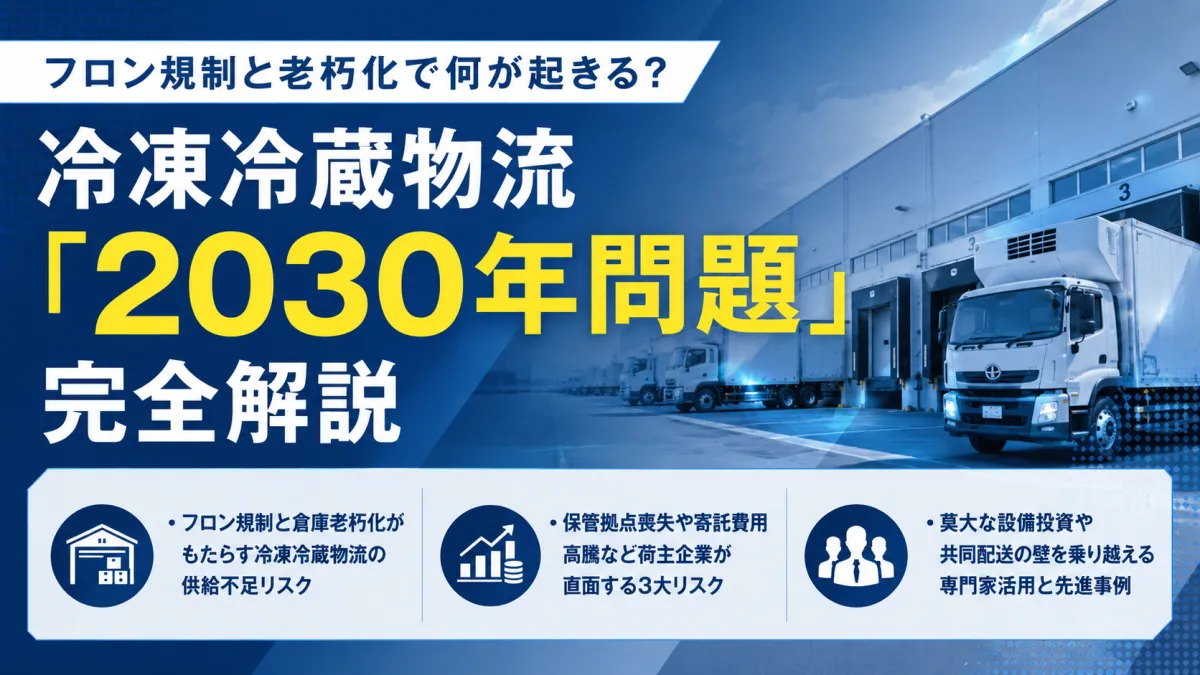
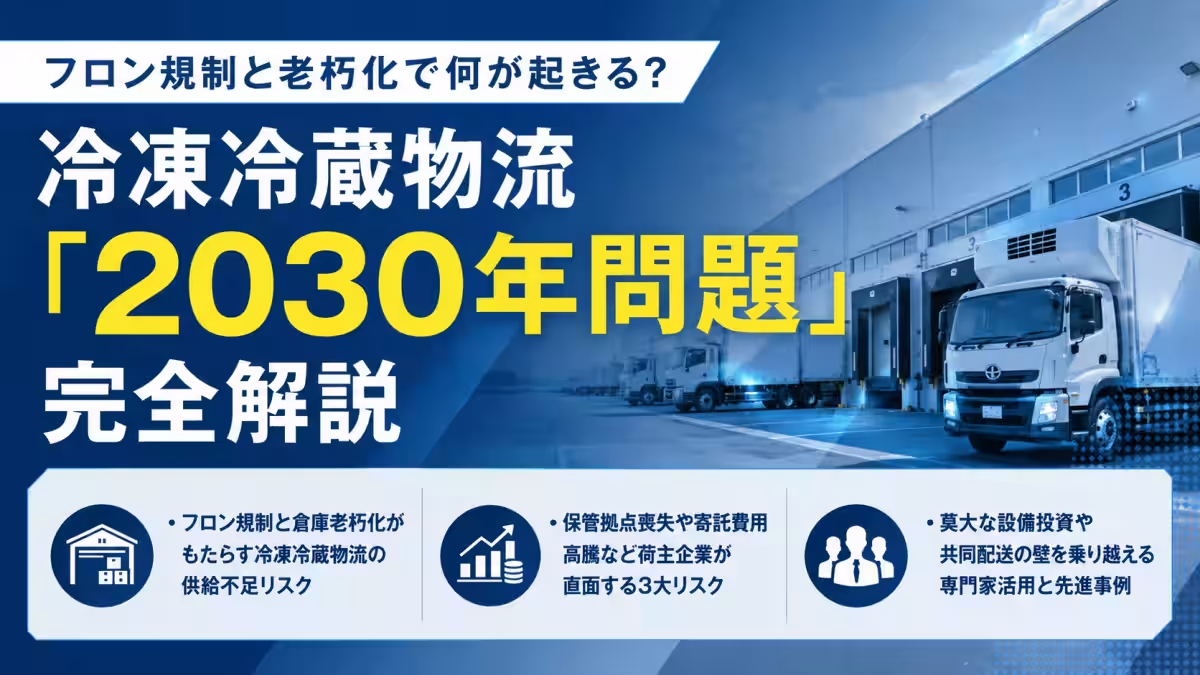
The cold chain logistics industry faces a significant challenge known as the "2030 Issue." This concern has arisen due to increasing demand for frozen foods globally, coupled with stricter regulations surrounding refrigerants and the aging infrastructure of cold storage warehouses. This article dives deep into the factors contributing to the impending supply shortages projected for 2030 and suggests strategic measures for companies in the industry.
Background of the 2030 Issue
In recent years, there has been a marked surge in the consumption of frozen goods. However, as the demand continues to grow, the industry must grapple with escalating regulations on refrigerants, particularly those related to hydrofluorocarbons (HFCs), which are known to contribute to global warming. Furthermore, many of the existing cold storage facilities are aging, raising concerns over their capacity and capabilities to meet market demands in the future.
By 2030, it is anticipated that businesses involved in cold chain logistics will face critical risks, including:
1. Loss of storage facilities: As regulations heighten, some warehouses may no longer be compliant, forcing companies to seek new storage solutions.
2. Rising storage costs: The scarcity of compliant facilities is expected to inflate storage fees significantly.
3. Extended lead times: Companies might encounter delays in distribution, impacting overall service efficiency and customer satisfaction.
Proposed Solutions and Strategies
The document titled "What Happens Due to Refrigerant Regulations and Aging Facilities? Complete Guide to the Cold Chain Logistics 2030 Issue" underscores the need for businesses to proactively address these challenges. The solutions explored encompass more than just hefty investments in infrastructure; they include innovative strategies that can be implemented in collaboration with third parties. Here are some of the key recommendations:
- - Embrace automation: By investing in smart technology, organizations can optimize their operations, reducing reliance on outdated practices.
- - Utilize third-party logistics (3PL): Collaborating with specialized logistics providers can help mitigate risks and enhance supply chain resilience, allowing businesses to share resources and information effectively.
- - Explore shared delivery models: Joint delivery systems can alleviate some of the costs associated with transportation and warehousing, making it a viable alternative for companies looking to maintain competitive pricing while managing regulatory pressures.
Industry experts advocate for a multifaceted approach to tackling the 2030 Issue, positioning organizations to adapt to the rapidly evolving logistics landscape. They suggest learning from best practices demonstrated by companies that have successfully navigated similar regulations while managing aging facilities.
Key Points of the Document
The free-to-download document highlights the following crucial insights:
- - Risks associated with refrigerant regulation and aging warehouses affecting supply in cold chain logistics.
- - Three major risks faced by logistics owners, including loss of storage, rising costs, and longer delivery times.
- - Expert advice on overcoming hurdles through strategic use of automation and collaboration with third-party experts.
Downloading the Material
For those interested in obtaining this valuable guide, the document is freely available for download at the following link: Download Here
Company Overview
Founded in May 2000, Funai Soken Supply Chain Consulting Co., Ltd. focuses on providing industry-specific insights and strategies for optimizing supply chain operations. With offices in Tokyo and Osaka, the company remains committed to helping businesses navigate complex challenges in logistics effectively.
Tokyo Office: 35th Floor, Yaesu Central Tower, 2-2-1 Yaesu, Chuo-ku, Tokyo, 104-0028
Osaka Office: 21st-22nd Floor, InnoGate Osaka, 3-2-123 Umeda, Kita-ku, Osaka, 530-0001
For inquiries, contact us at: Tel: 03-4223-3163, Email: [email protected], or visit our website: Funai Soken.
Topics Consumer Products & Retail)
【About Using Articles】
You can freely use the title and article content by linking to the page where the article is posted.
※ Images cannot be used.
【About Links】
Links are free to use.