



Effective Self-Care Techniques for Remote Workers to Combat Fatigue
Introduction
Remote work has become a significant part of our lives, offering flexibility but also presenting challenges, particularly regarding fatigue. Understanding effective self-care strategies can enhance not only our productivity but also our physical and mental well-being.
The Reality of Fatigue in Remote Work
A recent survey conducted by DezaPoke, a creative company focused on graphic design and various advertising solutions, sheds light on the physical and mental fatigue remote workers experience. The responses from 70 remote workers revealed critical insights about their working conditions and the issues stemming from them.
Survey Insights
The survey, conducted in July 2025, primarily targeted individuals engaged in remote work. Here are some notable findings:
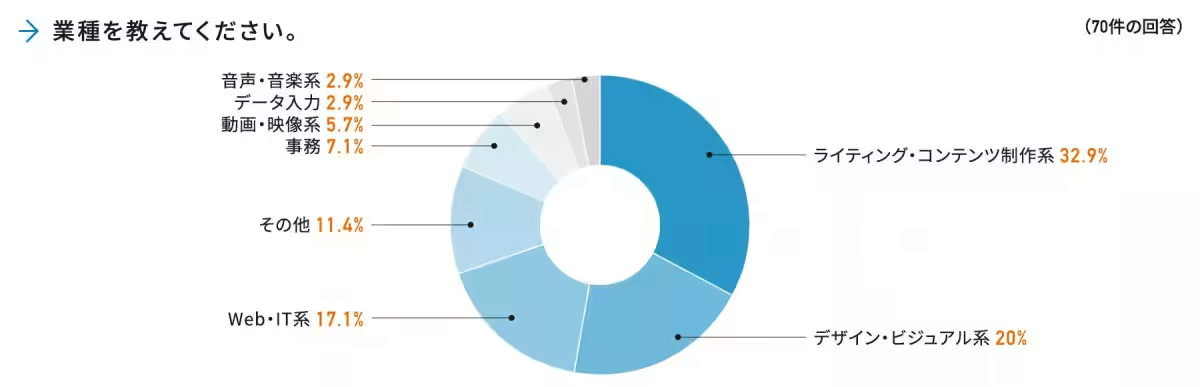
- - Majority Work in Creative Fields: 70% of respondents identified as working in creative or IT-related professions, indicating a tendency for prolonged periods in front of computer screens.
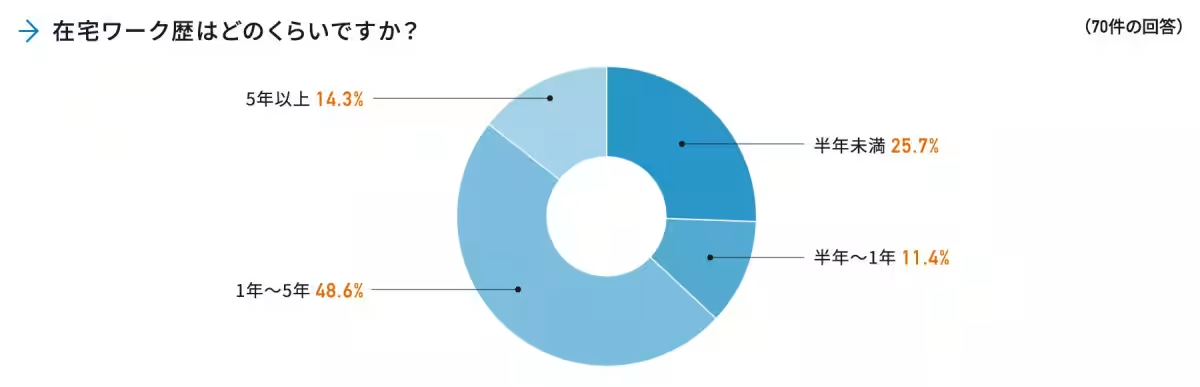
- - Experience Level: Over half of the participants had been working remotely for one to five years, suggesting that remote work is becoming a lasting employment model rather than a temporary solution.
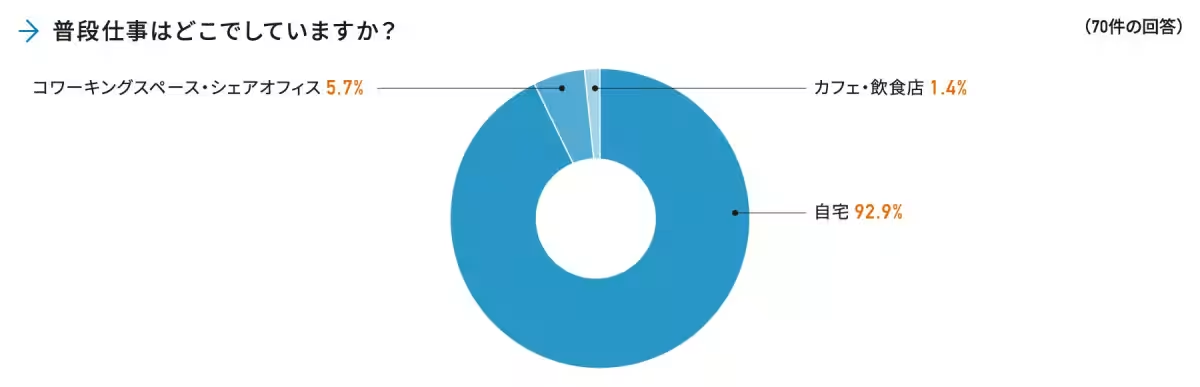
- - Work Environment: An overwhelming 92.9% reported working from home, highlighting the significance of their home office setups on overall comfort and productivity.
Work Hours and Fatigue Levels
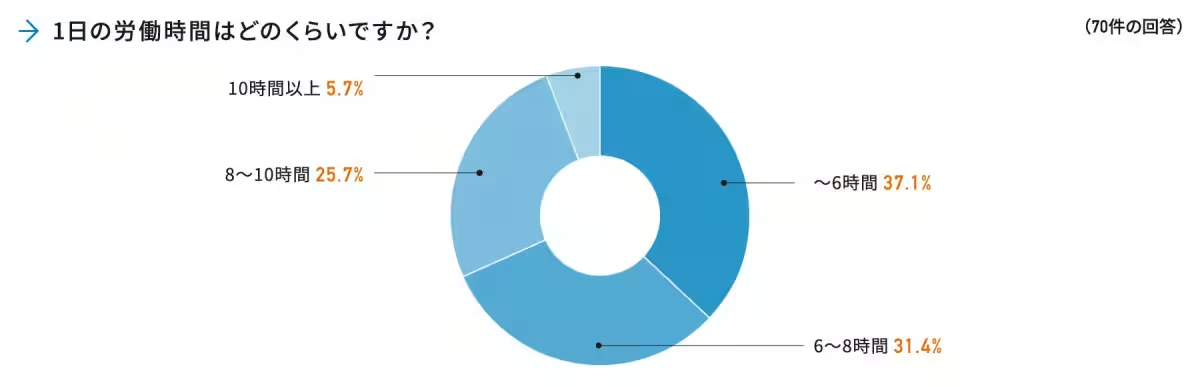
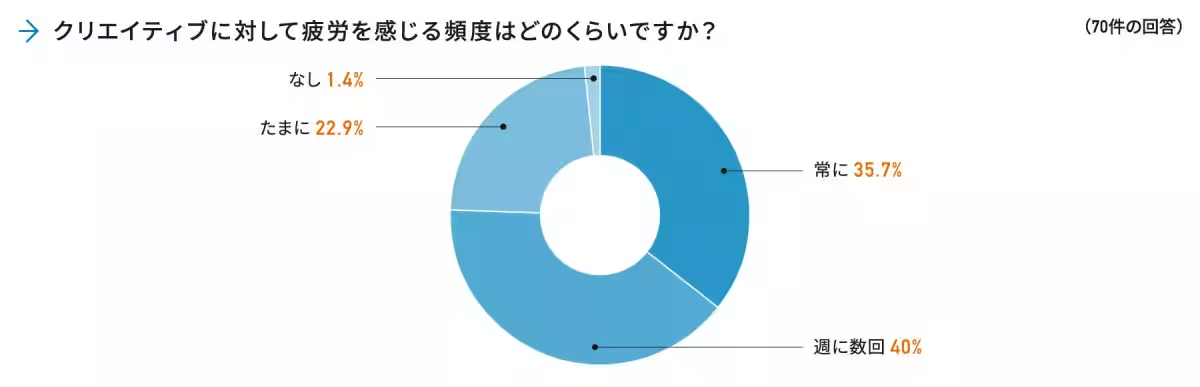
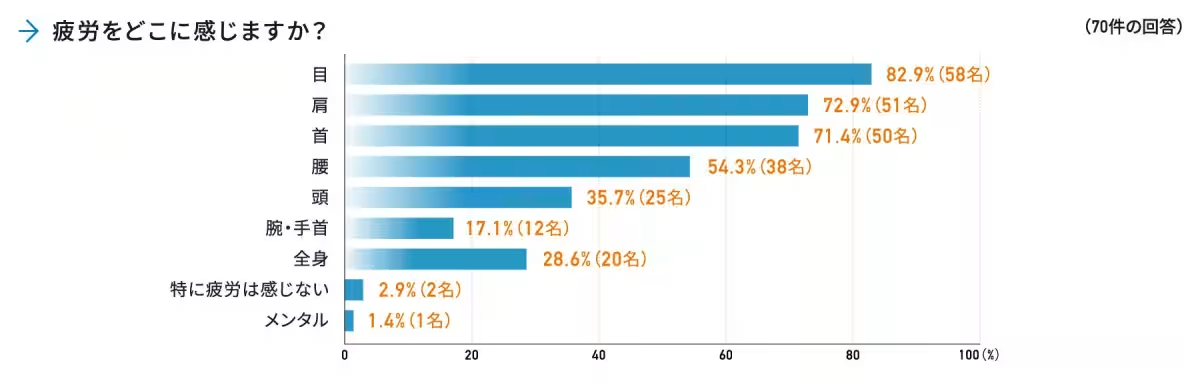
Around 60% of respondents logged more than six hours of work each day, reinforcing the idea that remote work often translates to extended working hours. Alarmingly, 75.7% reported feeling fatigued frequently, with many attributing their exhaustion to specific physical symptoms. For instance, eye strain was reported by 82.9%, shoulder pain by 72.9%, and neck pain by 71.4%. This physical strain underpins the challenges faced by remote workers in maintaining efficiency while safeguarding their health.
Effective Self-Care Strategies
The survey results indicate a clear need for practical solutions to mitigate fatigue among remote workers. Here are some strategies adopted by respondents:
1. Investing in Work Environment
One of the primary self-care strategies highlighted was upgrading their workspace.
- - Ergonomic Chairs and Desks: Many participants invested in ergonomic office chairs designed for prolonged use and adjustable desks that can transition between sitting and standing. These not only enhance comfort but also promote better posture.
- - Monitor Setups: Utilization of monitor stands was common to ensure screens are at eye level, minimizing neck strain.
2. Targeted Body Care Products
Workers also explored specific items aimed at relieving particular discomfort:
- - Cushions and Supports: Items such as lumbar supports and gel cushions for lower back comfort were frequently recommended.
- - Eye Care Accessories: Blue light blocking glasses and eye masks were also popular choices among survey participants, helping to alleviate eye strain.
3. Mindfulness and Relaxation Tools
Beyond physical health, many emphasized the importance of items that aid mental relaxation:
- - Aromatherapy Diffusers and CBD Products: These aids offer sensory relaxation, providing a calming atmosphere conducive for work.
- - Temperature Control Items: Desk fans and bamboo mats enhanced comfort levels, enabling better focus.
Conclusion
This analysis resonates with the growing understanding that remote work, while beneficial in many aspects, brings with it unique challenges around fatigue management. Creative professionals are particularly vulnerable to physical strain, which can inhibit mental performance. The collective insights from the DezaPoke survey strongly suggest that effective self-care for remote workers transcends mere relaxation. It calls for targeted adjustments in workspace design, proactive investments in ergonomic tools, and a holistic approach to well-being by integrating psychological recovery practices. As remote work continues to evolve, so will the strategies needed to ensure the health and productivity of its workforce.
For more comprehensive insights from the survey, read the full article at DezaPoke.
Topics People & Culture)

【About Using Articles】
You can freely use the title and article content by linking to the page where the article is posted.
※ Images cannot be used.
【About Links】
Links are free to use.