



Analysis of Japan's AI Robotics Industry Structure Reveals Key Trends and Insights
Introduction
In a recent report, Lister Inc., a market research firm based in Tokyo, unveiled a detailed analysis of Japan's AI robotics industry. The study examined 443 companies and 408 products related to AI robotics, providing valuable insights into the structure, operational areas, and commercialization of the industry.
Background of the Analysis
The impetus for this extensive study comes amidst Japan's grappling with a shrinking workforce due to an aging population. The government has ramped up efforts to implement AI and robotics technology across various sectors to enhance productivity and create new industries. According to the Ministry of Economy, Trade and Industry, the goal for the introduction of robots by 2040 is set at approximately 10 million units, aimed at sectors such as manufacturing, logistics, construction, infrastructure maintenance, agriculture, and healthcare.
Key Findings from the Report
1. Abundance of Implementation, Production, and Operational Companies
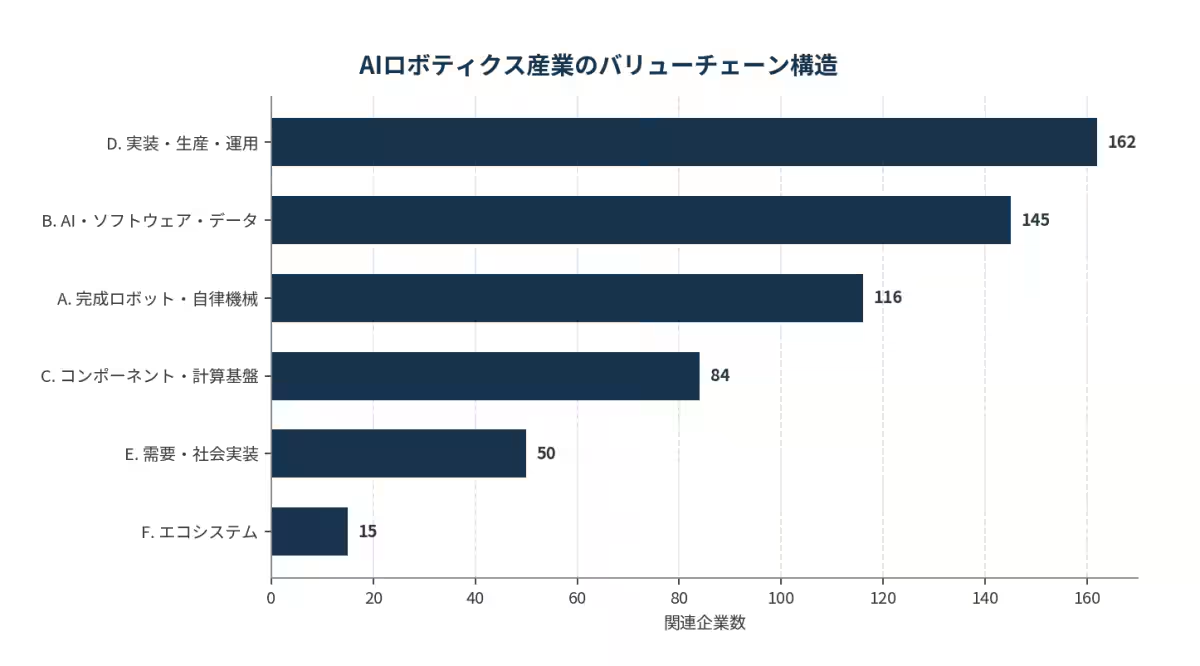
The report highlights that the most significant number of companies, totaling 162, were involved in the implementation, production, and operations of robotics technology. This clearly showcases the industry's emphasis on integrating AI robotics into practical applications, rather than solely focusing on finished robots.
- - Implementation, Production, and Operations: 162 companies
- - AI, Software, and Data: 145 companies
- - Completed Robots and Autonomous Machines: 116 companies
- - Components and Computing Infrastructure: 84 companies
- - Demand and Social Implementation: 50 companies
- - Ecosystem: 15 companies
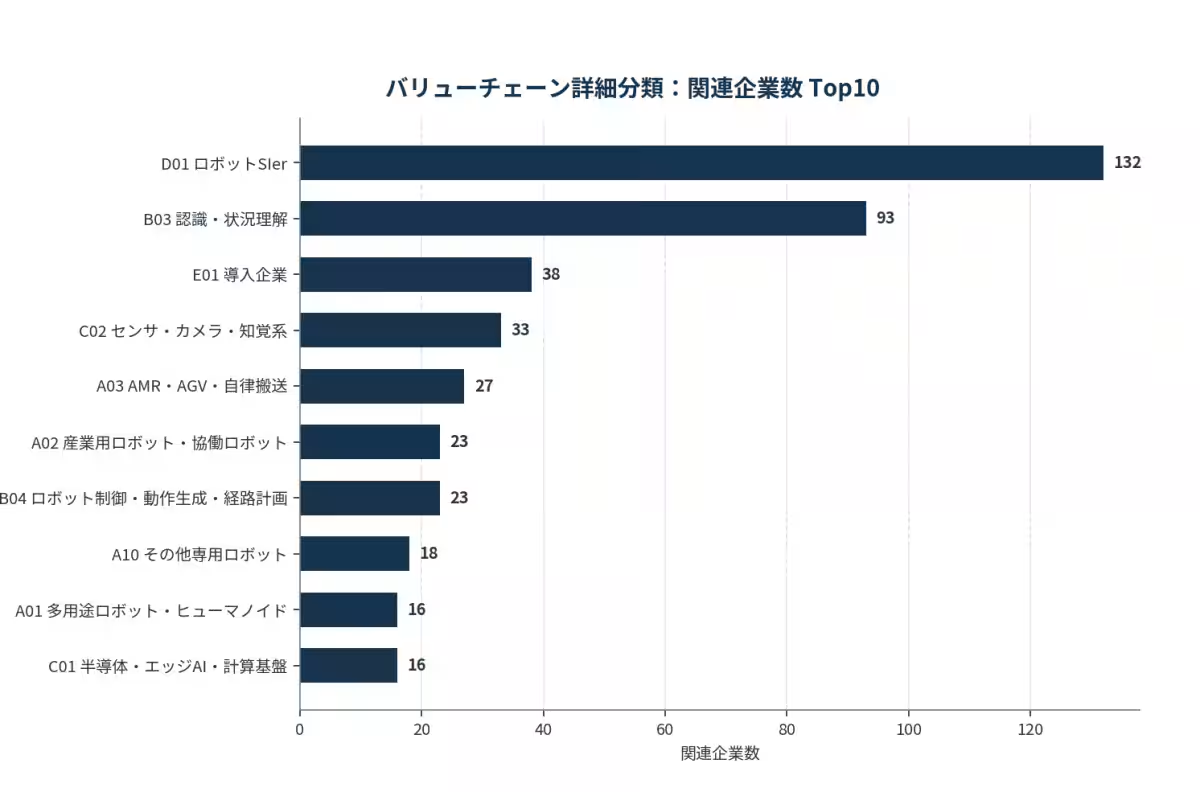
This classification indicates a diverse ecosystem where many companies operate across multiple layers of the value chain, enhancing their roles in the robotics space.
2. Manufacturing Leads in Implementation Areas
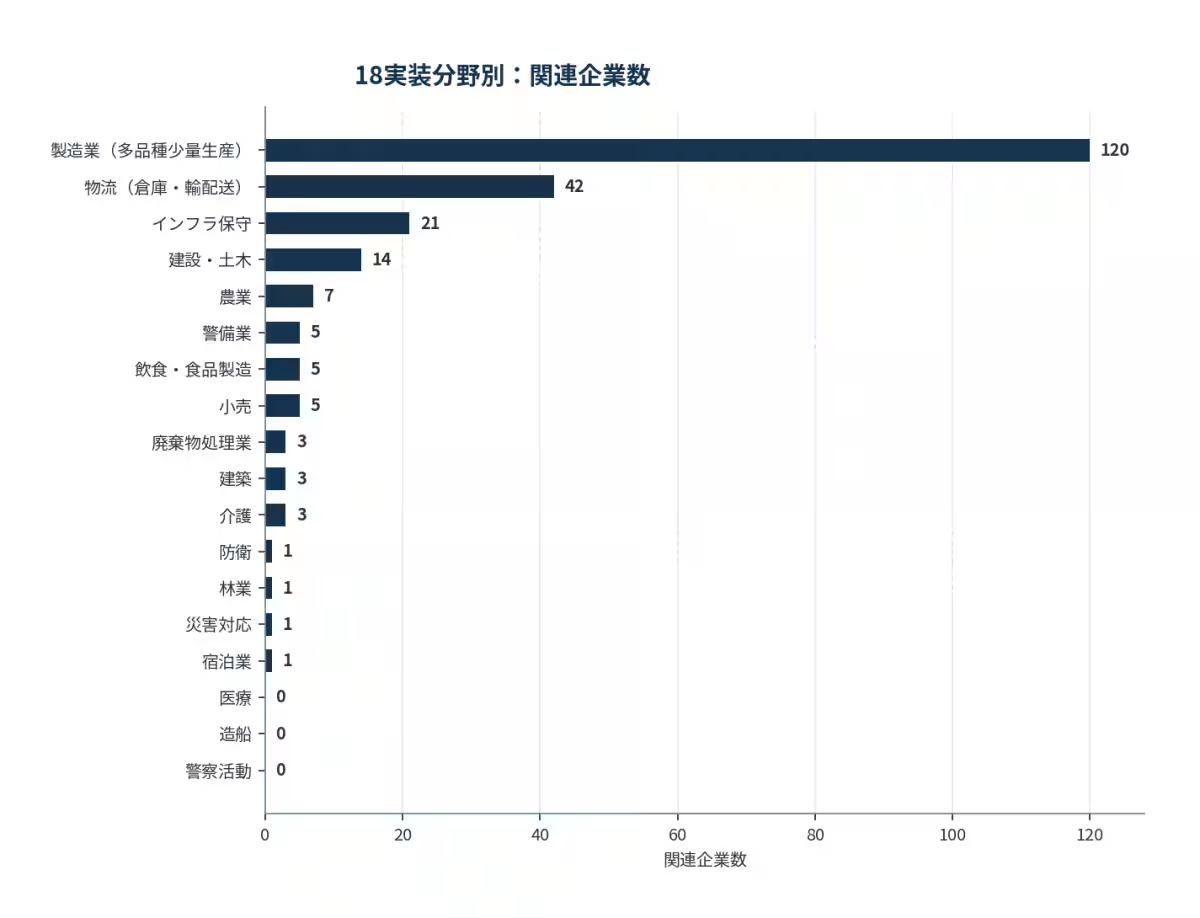
Among the 18 designated implementation sectors, manufacturing emerged as the frontrunner with 120 companies engaged. Following closely were logistics, infrastructure maintenance, and civil engineering, highlighting a significant industry focus on these areas.
- - Manufacturing: 120 companies
- - Logistics: 42 companies
- - Infrastructure Maintenance: 21 companies
- - Construction and Civil Engineering: 14 companies
3. Handling Tasks Dominate Common Functions
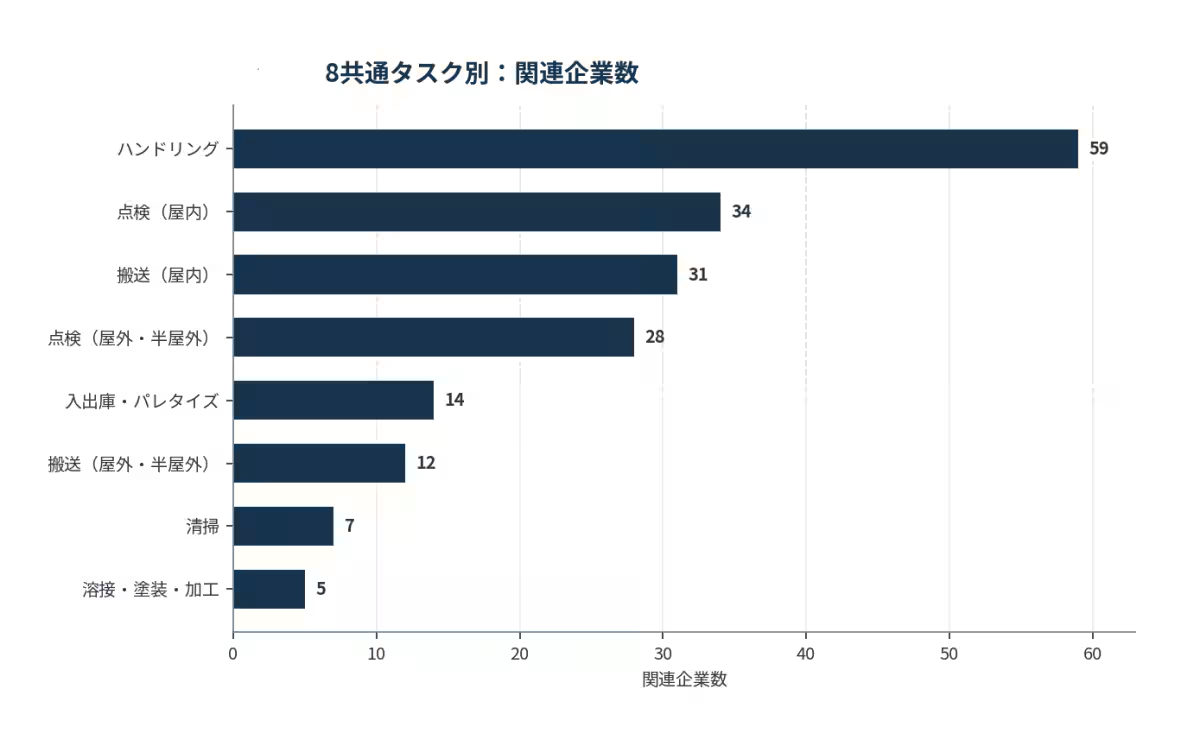
When analyzing the common tasks carried out by these companies, handling was noted as the most relevant task with 59 companies involved. This suggests that task-specific approaches will likely provide clarity in understanding the overlaps across different industries.
- - Handling: 59 companies
- - Indoor Inspection: 34 companies
- - Indoor Conveyance: 31 companies
- - Outdoor/Half-outdoor Inspection: 28 companies
4. Diversity in Technology Challenges
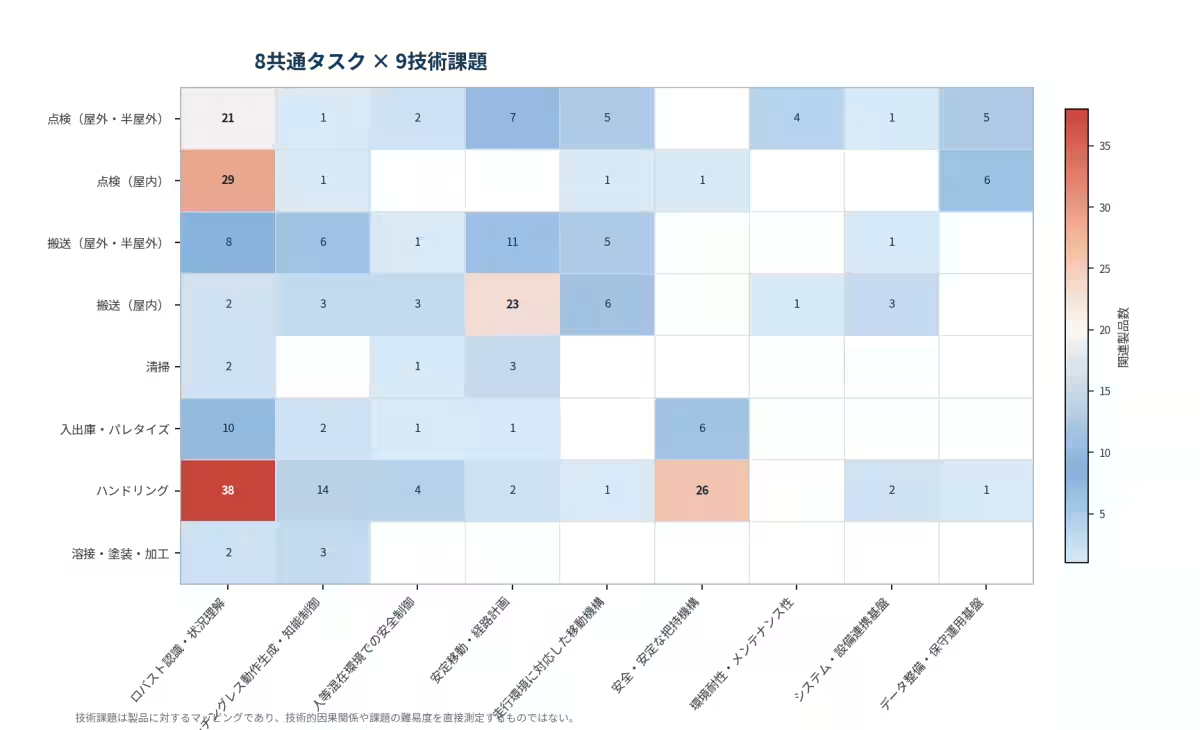
The report identified that technology challenges are highly diverse across different tasks. For instance, robust recognition and situational understanding were the most mentioned issues, with 121 companies engaged in addressing this.
- - Robust Recognition and Situational Understanding: 121 companies
- - Stable Movement and Route Planning: 47 companies
- - Safety and Stability in Grasp Mechanisms: 30 companies
- - Teaching-free Operation Generation and Intelligent Control: 27 companies
5. Commercialization Status
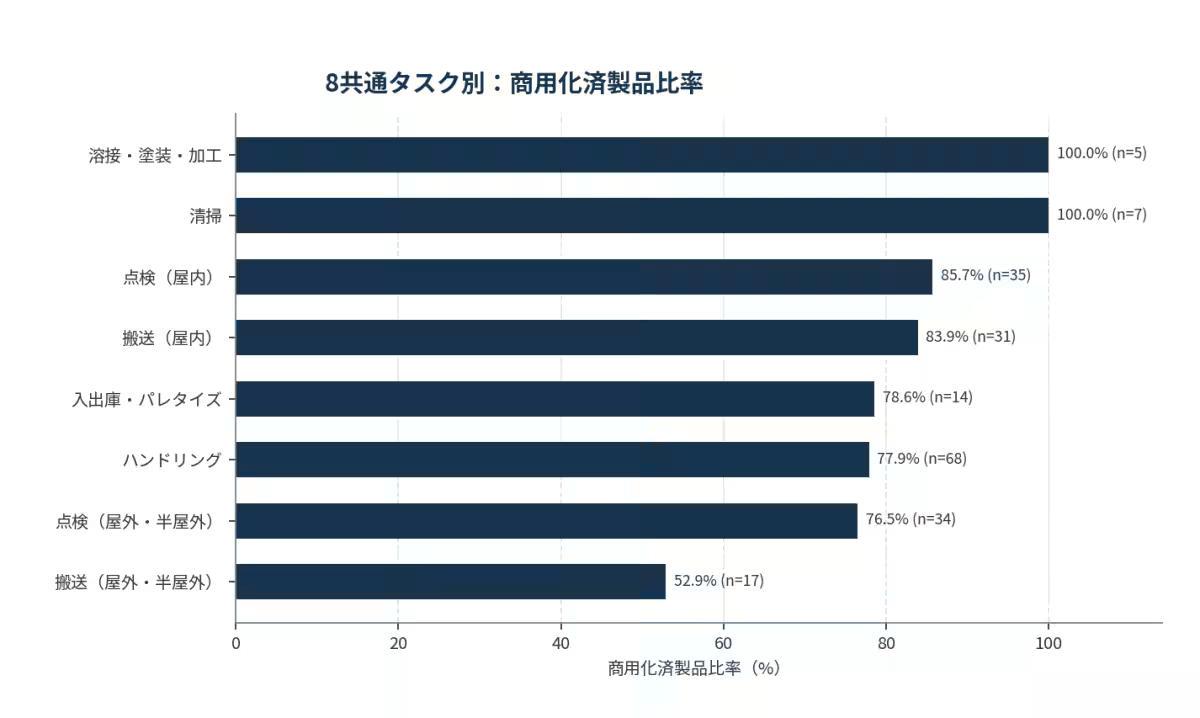
Of the 408 products analyzed, 76.5% have already reached a broad spectrum of commercialization. However, many components in the next-generation physical AI field need further research and validation before they can be fully commercialized.
- - Commercialized Products: 287
- - Products with Implemented Cases: 22
- - Mass-produced and Enhanced Implementation: 3
6. Startup Focus
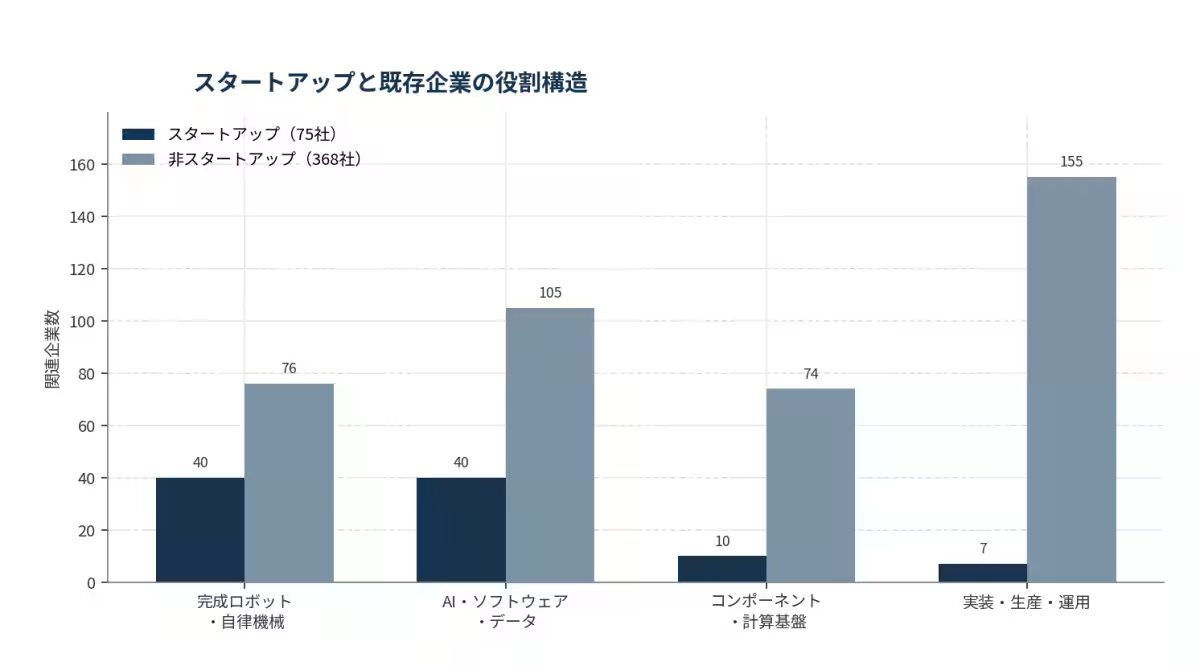
Out of the 443 companies surveyed, 75 were identified as startups, with a particular concentration on completed robots and AI/software. In contrast, established companies tend to support the implementation layers of the robotics value chain.
7. Task Specialization Dominates
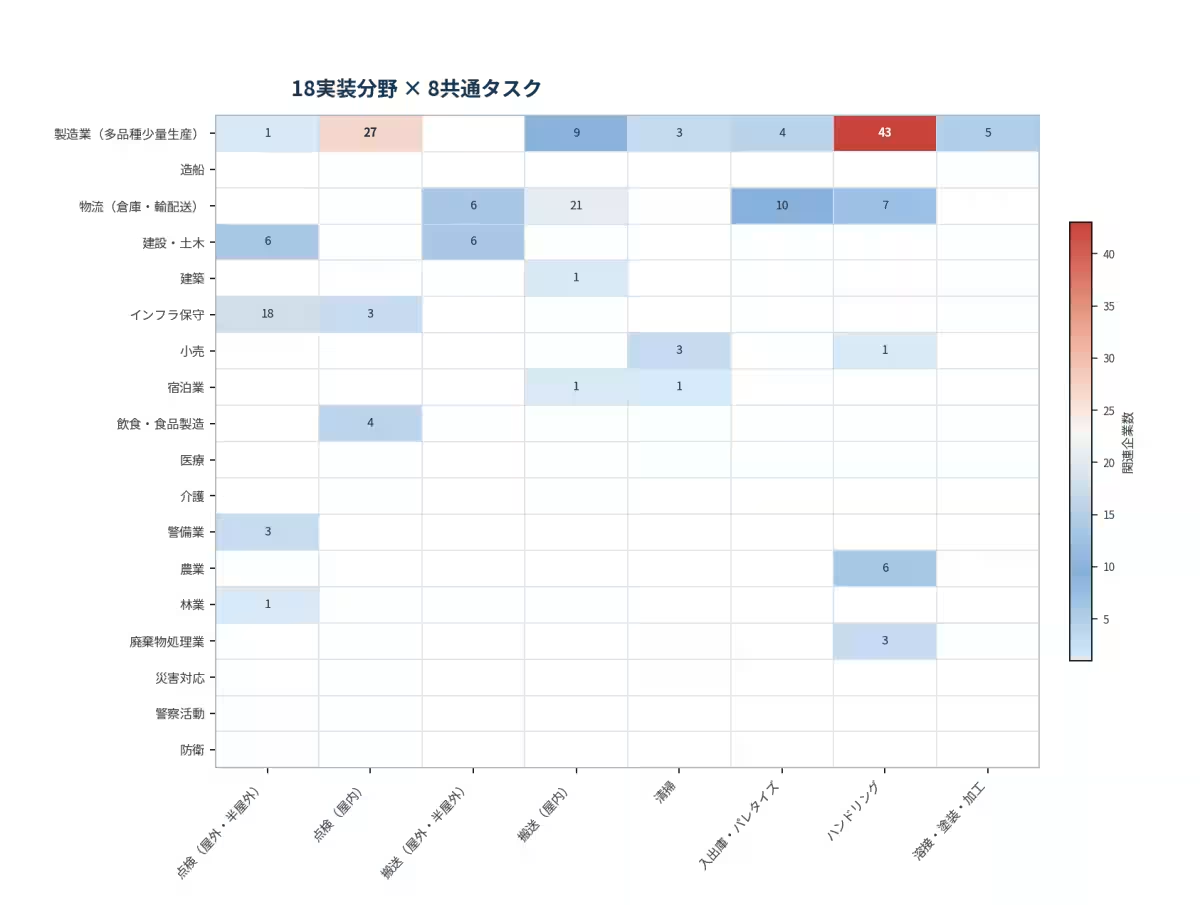
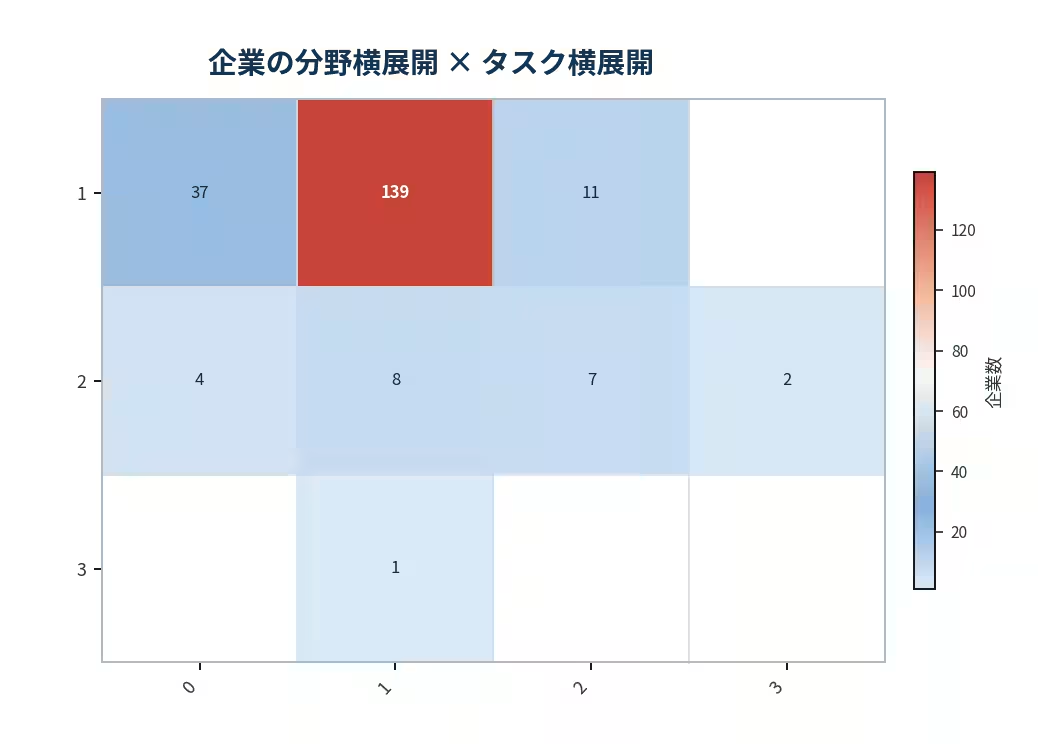
While common tasks have shown cross-industry traits, it was observed that about 90% of the companies specialized in either a single field or a single task, indicating a significant focus on optimization for specific applications.
Implications for Japan's AI Robotics Industry
The analysis presents several points for consideration:
- - There is a robust presence of companies focusing not only on finished robots but also on implementation and operational support.
- - The manufacturing sector serves as a strong foundation, with clear paths for task-specific applications including handling and inspection.
- - The industry shows a coexistence of traditional AI technologies alongside next-generation physical AI developments.
- - A key question arises regarding how to better integrate existing manufacturing infrastructure with the emerging AI technologies for broader applications.
Conclusion
This detailed market analysis from Lister underscores the complexities and potential of the AI robotics industry in Japan. It provides a comprehensive overview that could serve as a valuable tool for market research, new business ventures, partnerships in technology, and investment opportunities. The insights derived from this report will aid stakeholders in making informed decisions about the trajectory of AI robotics in Japan and its implications for the future.
For further details and access to the report, visit the official site.




Topics Consumer Technology)
【About Using Articles】
You can freely use the title and article content by linking to the page where the article is posted.
※ Images cannot be used.
【About Links】
Links are free to use.