



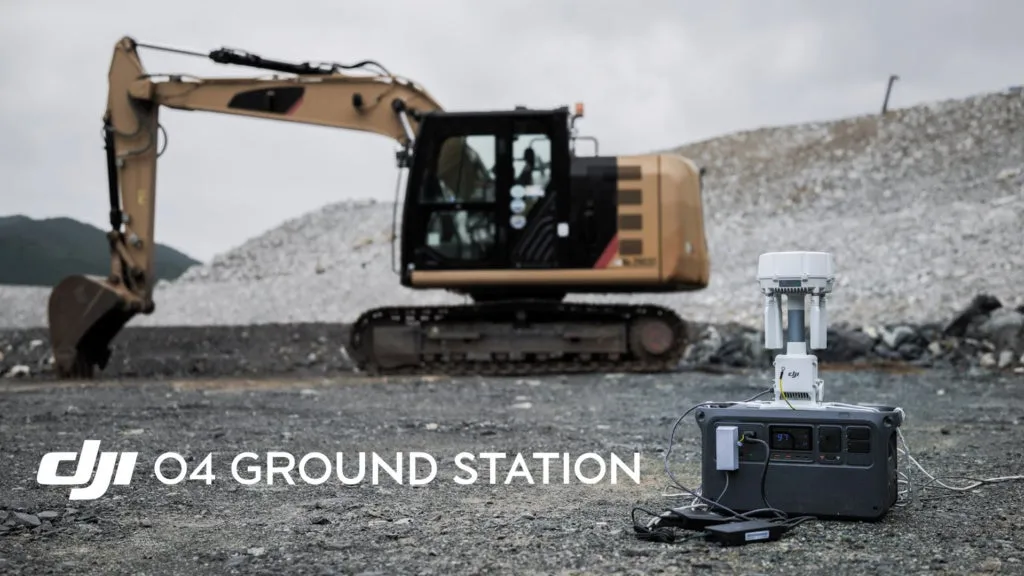
Expanding Drone Communication Ranges in Mountainous Construction Areas with DJI O4 Ground Station
Enhancing Drone Communication in Mountainous Areas
In a significant stride towards improving drone operations in challenging environments, Sekido Co., Ltd., a prominent distributor of DJI products, has partnered with Koji Gumi to validate the capabilities of the DJI O4 Ground Station in a mountainous construction site located in Hiroshima Prefecture, Japan. The focus of this collaboration is to resolve communication limitations faced by drones during remote operations, especially in hilly and obstructed areas.
The Challenge of Drone Communication
Operating drones in mountainous terrains can be intricate, primarily due to the limitations associated with communication ranges—especially when natural obstacles like hills and buildings obstruct signal propagation. The recent field test aimed to assess whether utilizing the DJI O4 Ground Station as a relay point could potentially enhance connectivity in areas where signals previously dropped or became weak.
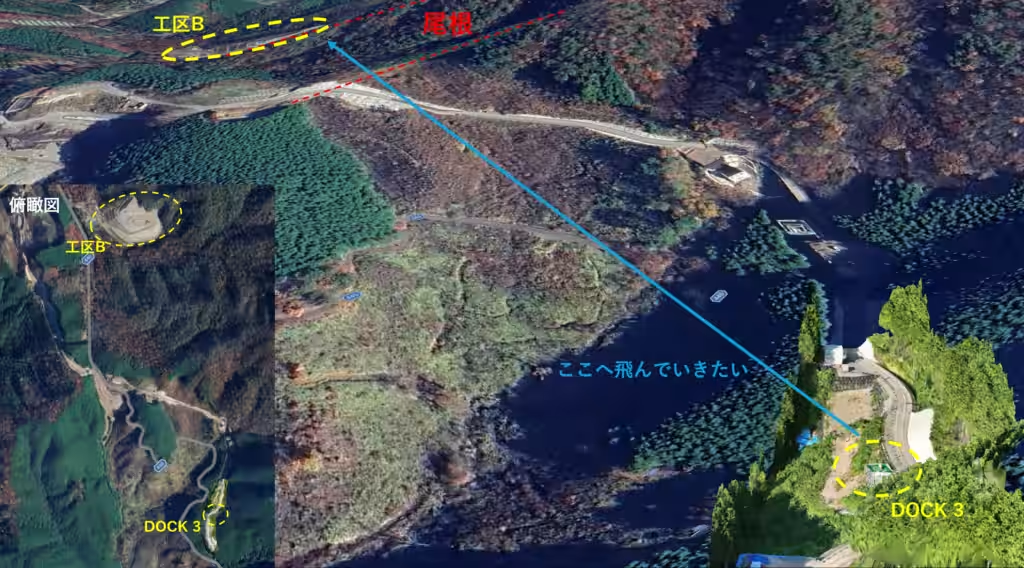
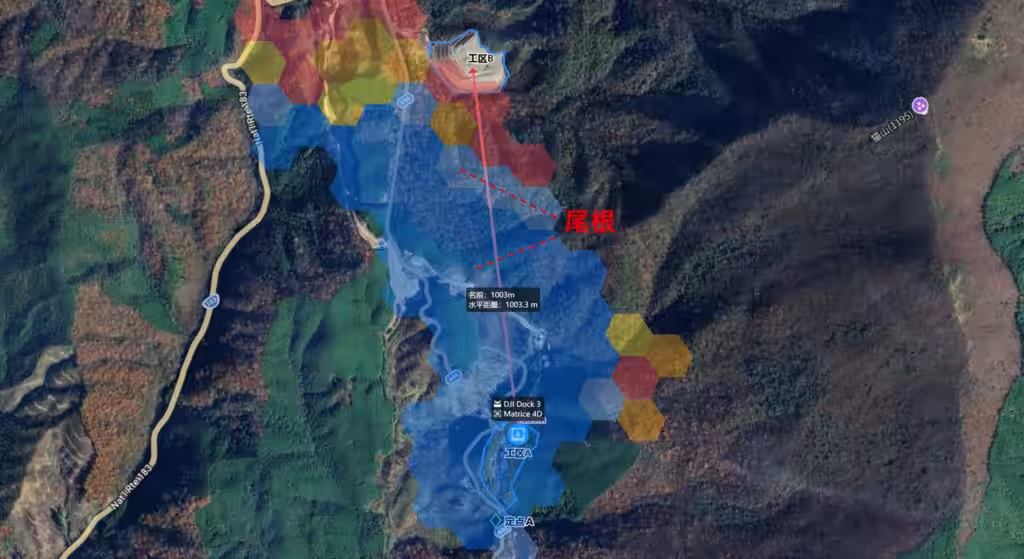
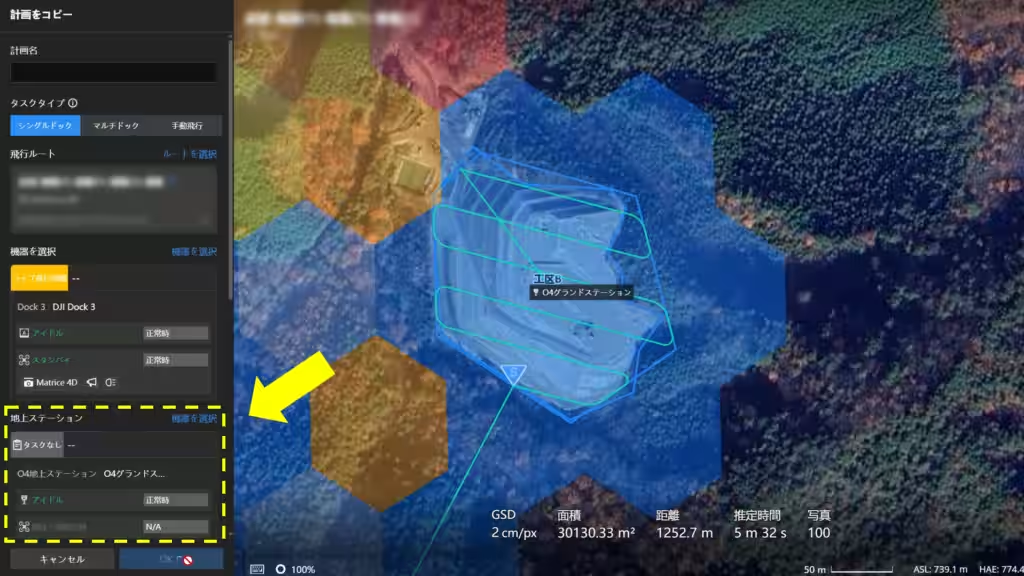
During the test, a significant construction site was employed, with two designated operational zones: Zone A near the DJI Dock 3 installation, and Zone B, located roughly one kilometer away separated by a mountain ridge. Under conventional conditions, Zone B struggled with consistent communication due to interference from the topography.
Test Summary
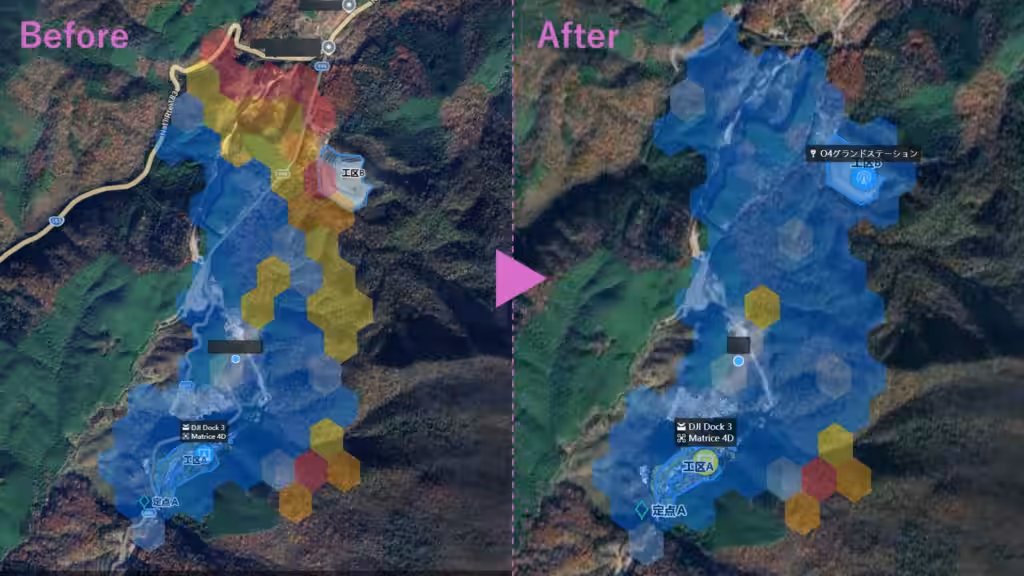
The principal goal of this testing was to ascertain if the integration of the O4 Ground Station could effectively improve connectivity in previously unreachable areas. Remarkably, the tests confirmed that drones departing from the DJI Dock 3 could maintain stable operation and video transmission even in the challenging elevation of Zone B. The results indicated a substantial enhancement of the communication environment, as depicted in a signal map that illustrated improved transmission quality in areas previously marked as weak.
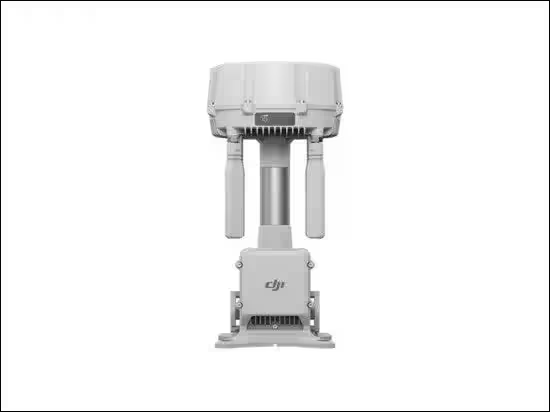
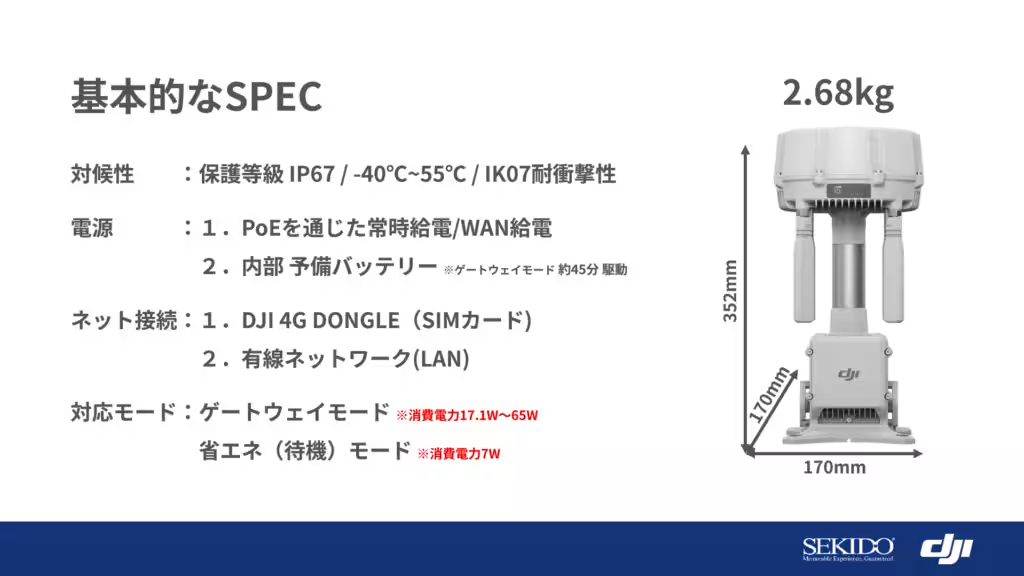
A Closer Look: O4 Ground Station
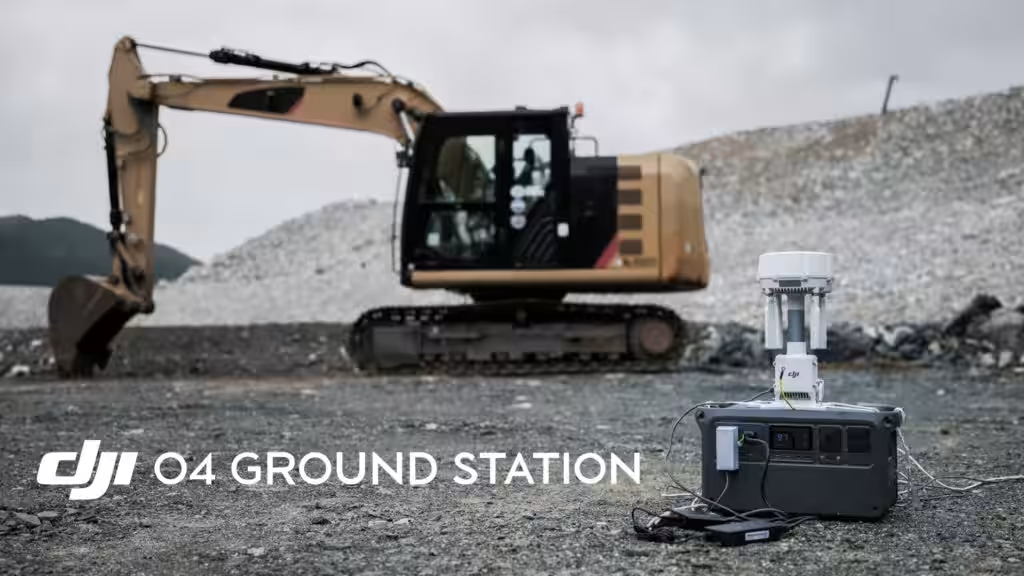
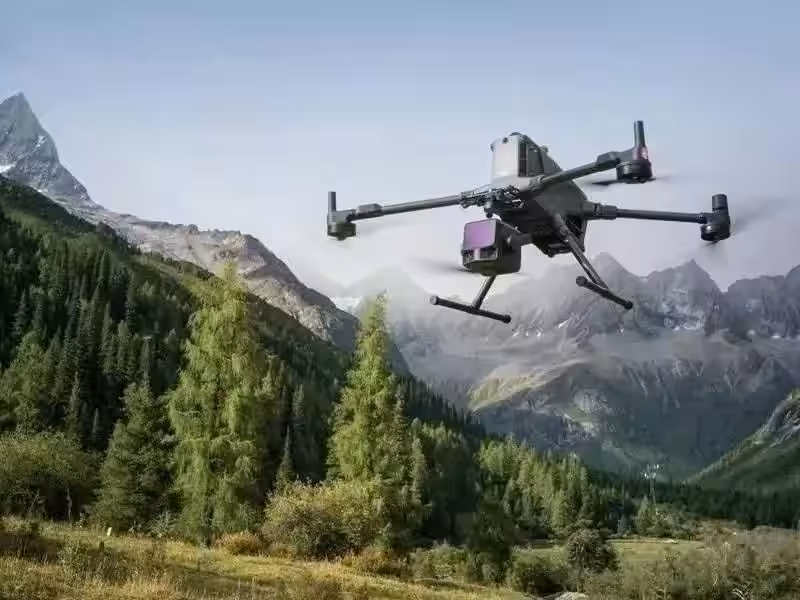
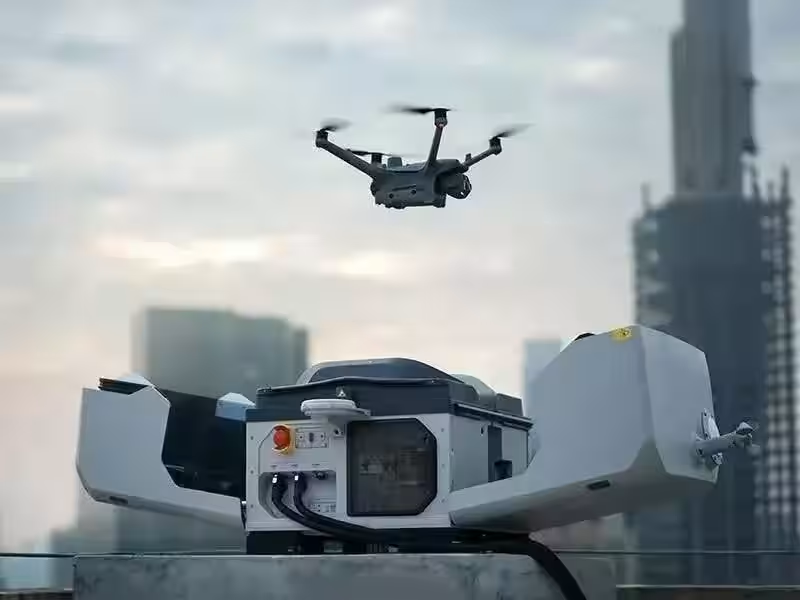
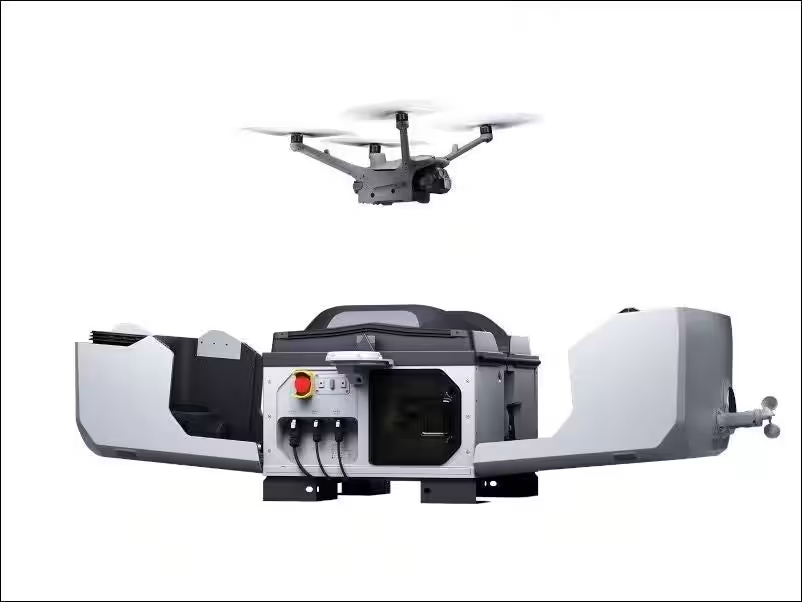
The DJI O4 Ground Station is pivotal for expanding communication capabilities, particularly tailored for the DJI O4 Enterprise video transmission system. By connecting with DJI’s FlightHub 2 cloud platform, it enables a broader operational range for drones like the Matrice 4D series, facilitating more efficient remote operations in tough geographic conditions. At this site, we observed that the addition of the O4 Ground Station transformed previously weak zones into areas with robust signals, denoted in blue on the signal map.
Partner Highlights: Koji Gumi
Koji Gumi, a comprehensive construction firm located in Hiroshima, boasts a progressive approach to integrating advanced technologies into construction practices. They provided the testing ground for this operation to evaluate the O4 Ground Station’s practical effectiveness, reaffirming their commitment to utilizing innovative solutions in infrastructure projects.
Future Prospects
The outcomes of these verification tests suggest that expanding the operational range of the DJI Dock 3 through the O4 Ground Station can significantly alleviate the communication difficulties posed by geological barriers. This advancement not only enhances the efficiency of construction management and infrastructure inspection but also reinforces the potential for drones in disaster response scenarios and more broad applications in civil engineering.
In summary, these developments reaffirm the critical role of specialized technology in overcoming the inherent challenges of drone operations in complex environments. As the demand for automated and remote-controlled drone applications continues to rise, solutions like the DJI O4 Ground Station will undoubtedly play a crucial role in shaping the future of construction and beyond.
For further details on the testing procedures and the operational benefits of the DJI O4 Ground Station, visit Sekido’s official blog.
Topics Consumer Technology)
【About Using Articles】
You can freely use the title and article content by linking to the page where the article is posted.
※ Images cannot be used.
【About Links】
Links are free to use.