



Understanding the Rise in Marriage Rates among Young Adults in 2026: Key Factors Explored
Understanding the Rise in Marriage Rates among Young Adults in 2026
As of the first quarter of 2026, Japan's marriage rates have risen by 1.8% compared to the previous year, signaling a shift in societal values regarding marriage. A recent survey conducted by Omikare, a prominent matchmaking event platform with over a million members, sheds light on the motivations behind this trend and the challenges that still hinder marital decisions for many individuals.
The survey titled "Marriage Activity Survey: Perspectives on Marriage and Relationships in the Reiwa Era" targeted 666 individuals actively seeking marriage and revealed varying preferences across generations. Interestingly, both younger adults in their 20s and 30s and older generations exhibited different views on what constitutes an ideal relationship.
The Desire for a Traditional Family Structure
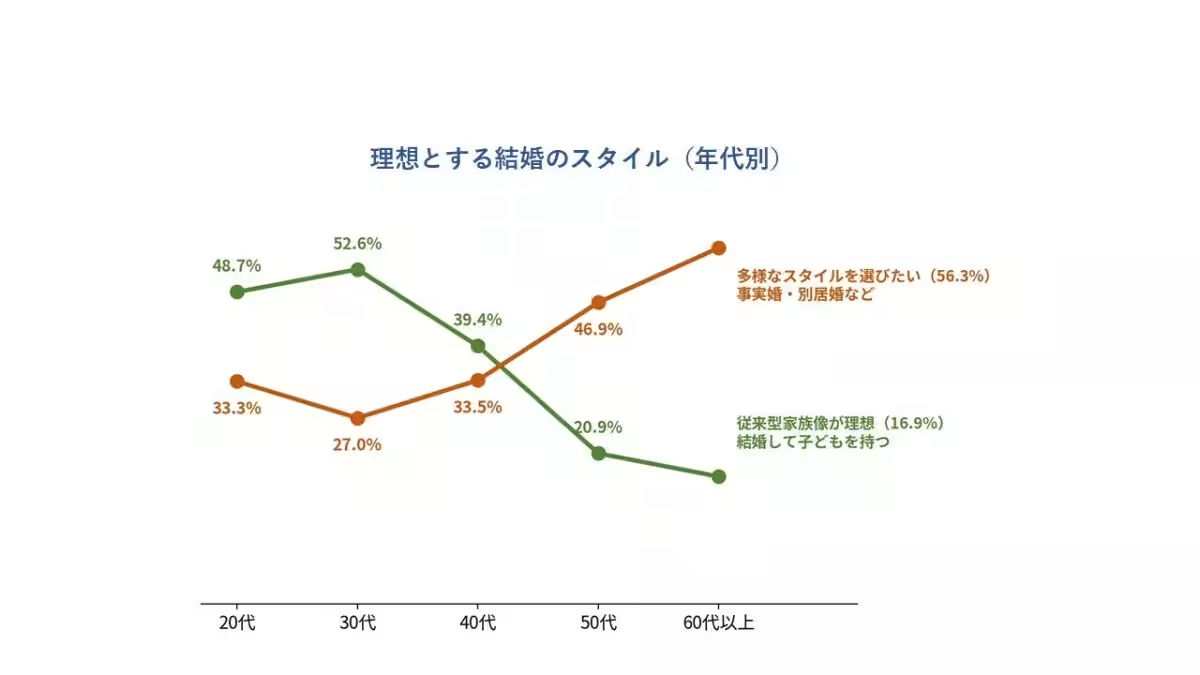
One significant finding from the survey is that nearly half of respondents in their 20s and 30s aspire to a traditional family model of marriage and child-rearing. About 48.7% of those in their 20s and 52.6% of those in their 30s expressed a desire for a conventional family structure. This trend highlights an intriguing juxtaposition against the backdrop of diverse modern relationship options; it appears that many young individuals yearn for a solid foundation in uncertain times, favoring the stability offered by traditional family roles.
Respondents in their 40s and above also shared this sentiment, though to a lesser extent. For example, only 39.4% of individuals in their 40s indicated a preference for the traditional model, while the numbers drop significantly for older generations, with only 20.9% of those in their 50s and 16.9% of those aged 60 or older agreeing.
Diverse Relationship Options Among Seniors
Conversely, older generations showed a preference for more flexible relationship styles, such as cohabitation or informal partnerships, with 46.9% of individuals in their 50s and 56.3% in their 60s preferring non-traditional arrangements. This marks a significant shift at the age threshold of 40, where traditional views are replaced with a desire for independence and mutual support in relationships.
A Shift in Partnership Dynamics
Perhaps the most notable change according to the survey results is the increased emphasis on equal partnerships, particularly among younger generations. In 2023, 51.1% believed in the importance of dual-income households, which dramatically surged to 87.4% in 2026, highlighting a cultural shift toward independent and supportive partnerships. Such dynamics appear crucial to framing future visions of family life, suggesting that respectful relationships are essential for the desired family model.
Planning for the Future
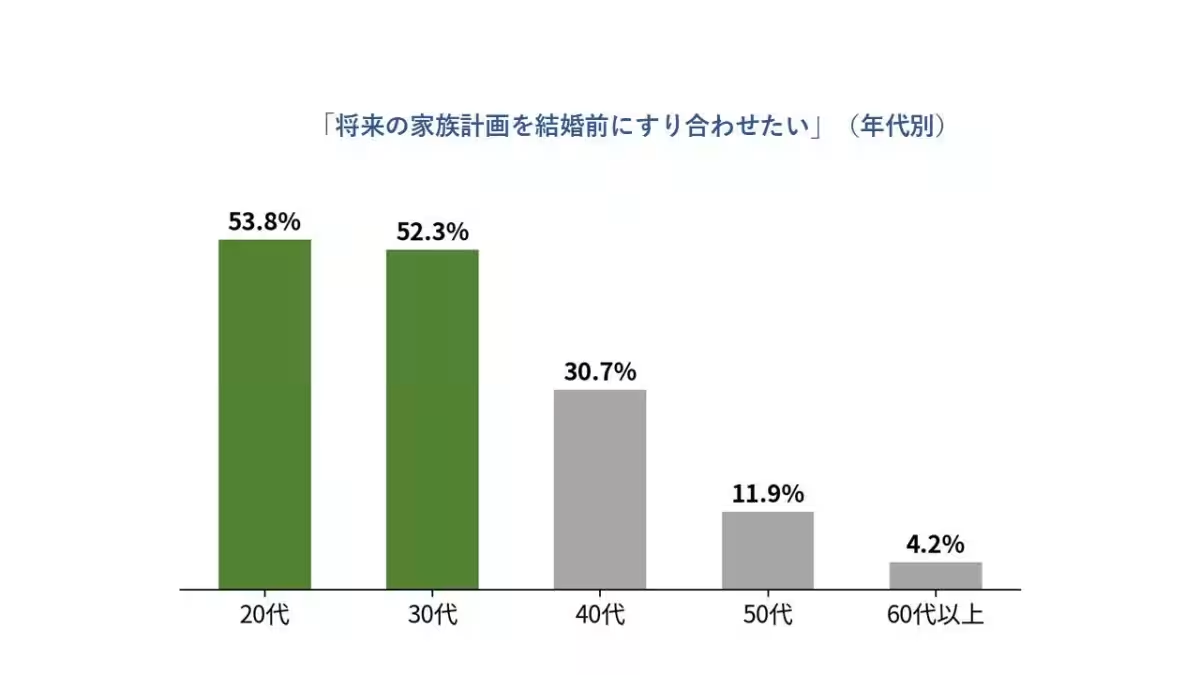
Moreover, many individuals in their 20s and 30s are keen on aligning their life goals before making the commitment to marriage. The survey demonstrated that over half of young adults (53.8% of those in their 20s and 52.3% in their 30s) expressed a desire to discuss family planning candidly before marriage. This openness may foster a more thorough understanding among couples moving forward, emphasizing compatibility and shared values as key to relational harmony.
Addressing the Barriers to Marriage
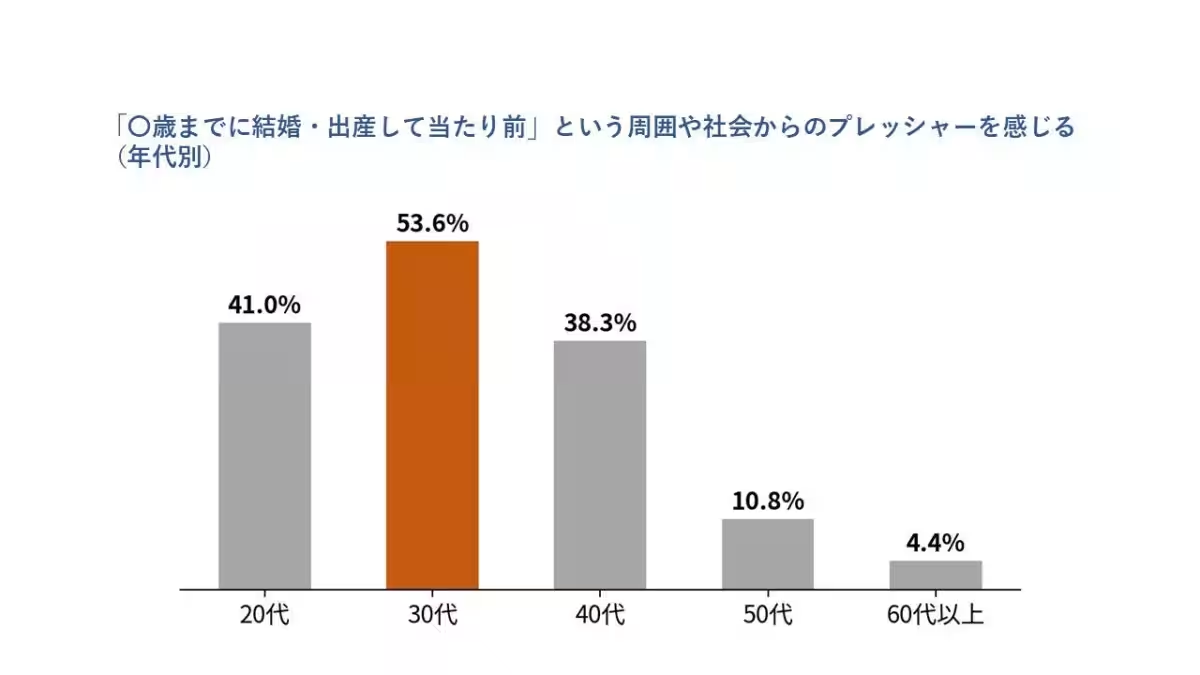
Despite these positive trends, the survey also identified significant psychological barriers, particularly the pressure of age norms. Over half (53.6%) of individuals in their 30s expressed anxiety related to societal expectations of marriage by a certain age. This anxiety underscores the ongoing tension between personal desires for ideal relationships versus societal standards.
Furthermore, a striking decrease in the perception of marriage as a burden on career prospects has been observed from 54.7% in 2023 to just 17.3% in 2026. This change reflects an evolving understanding of work-life balance and modern partnership dynamics conducive to dual careers and shared responsibilities.
Conclusion
In conclusion, the notable rise in marriage rates within Japan by 2026 stems from a growing desire among individuals to establish relationships that reflect their values and aspirations. While many younger adults lean towards traditional family structures seeking stability in a changing world, older generations appreciate flexibility and independence in partnerships. As societal perceptions shift, it becomes increasingly important for individuals to have the freedom to design their relationships without the weight of conventional expectations. As Omikare continues to support diverse relationship choices, the future of marriage appears to hold promise for tailored experiences that respect the individuality of each couple.

Topics People & Culture)
【About Using Articles】
You can freely use the title and article content by linking to the page where the article is posted.
※ Images cannot be used.
【About Links】
Links are free to use.