




Revolutionizing Employee Health Benefits: A New Approach to Optimization and Measurement Begins
Enhancing Employee Health: Fractal Workout's Innovative Program
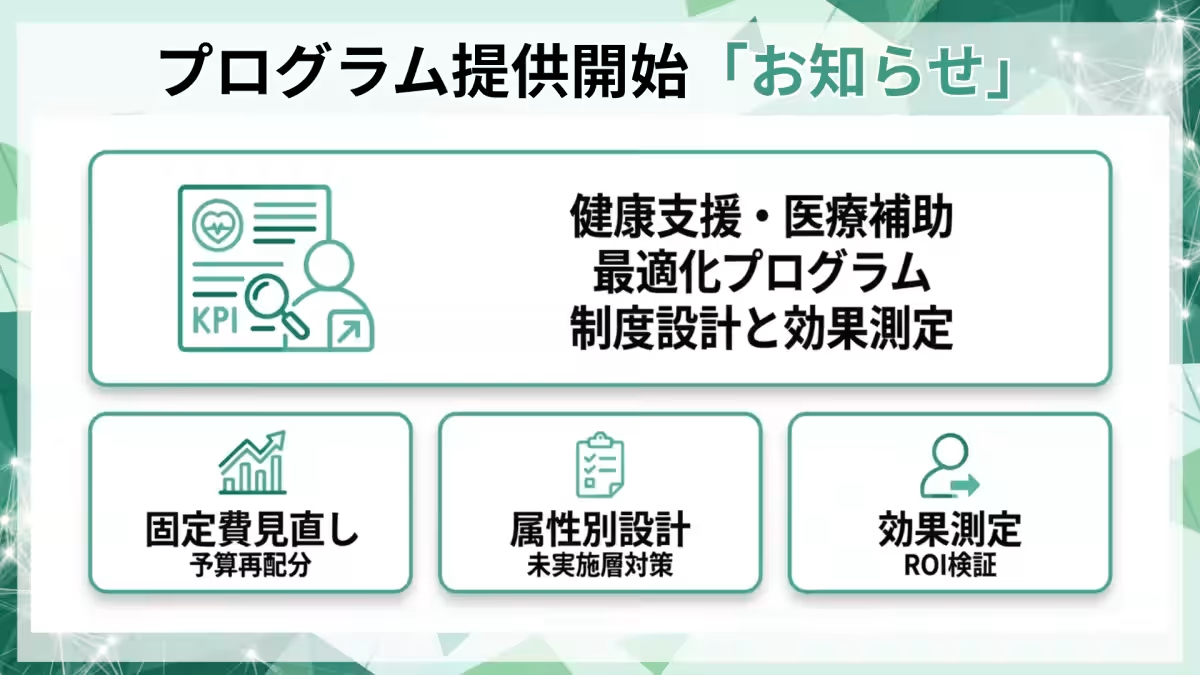
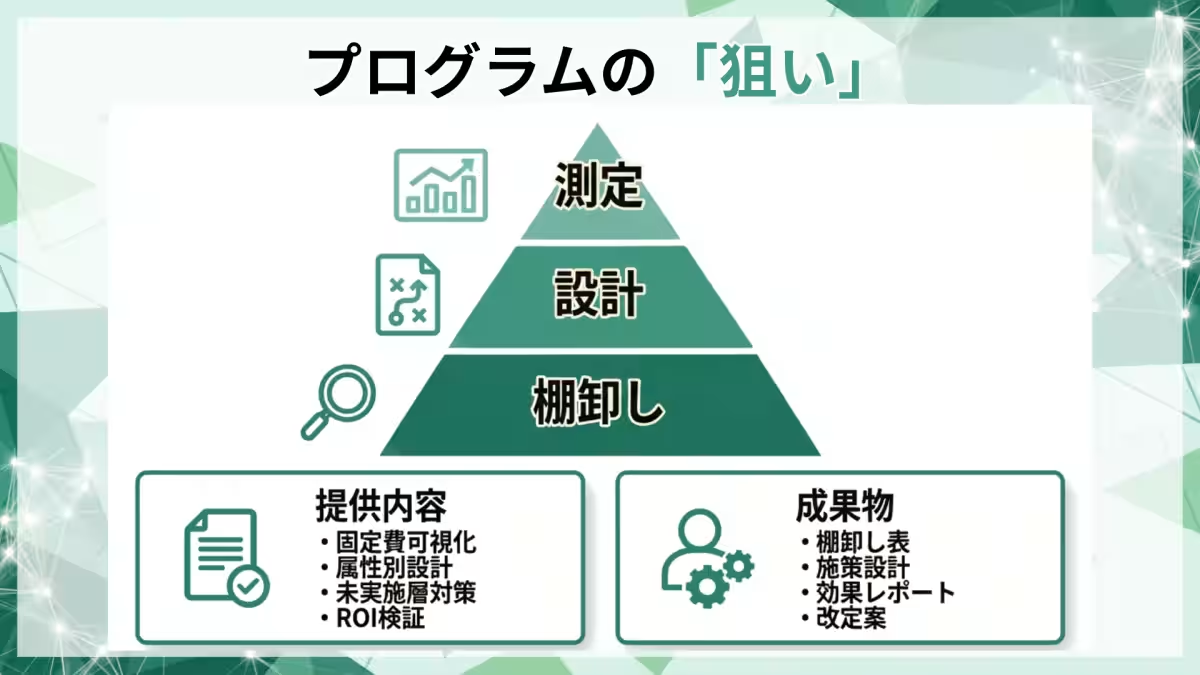
Fractal Workout Inc., headquartered in Shibuya, Tokyo, has introduced a groundbreaking program designed to optimize health support and medical assistance benefits, which often fall outside of statutory regulations. This initiative, led by CEO Masahiro Takase, aims to shift these benefits from merely being an investment to creating measurable value for employees. The program encompasses an extensive range of services including comprehensive assessments of current benefits, redesigning systems, behavior modification for underutilized segments, and effective measurement of outcomes like healthcare costs and productivity indicators.
The Need for Optimization
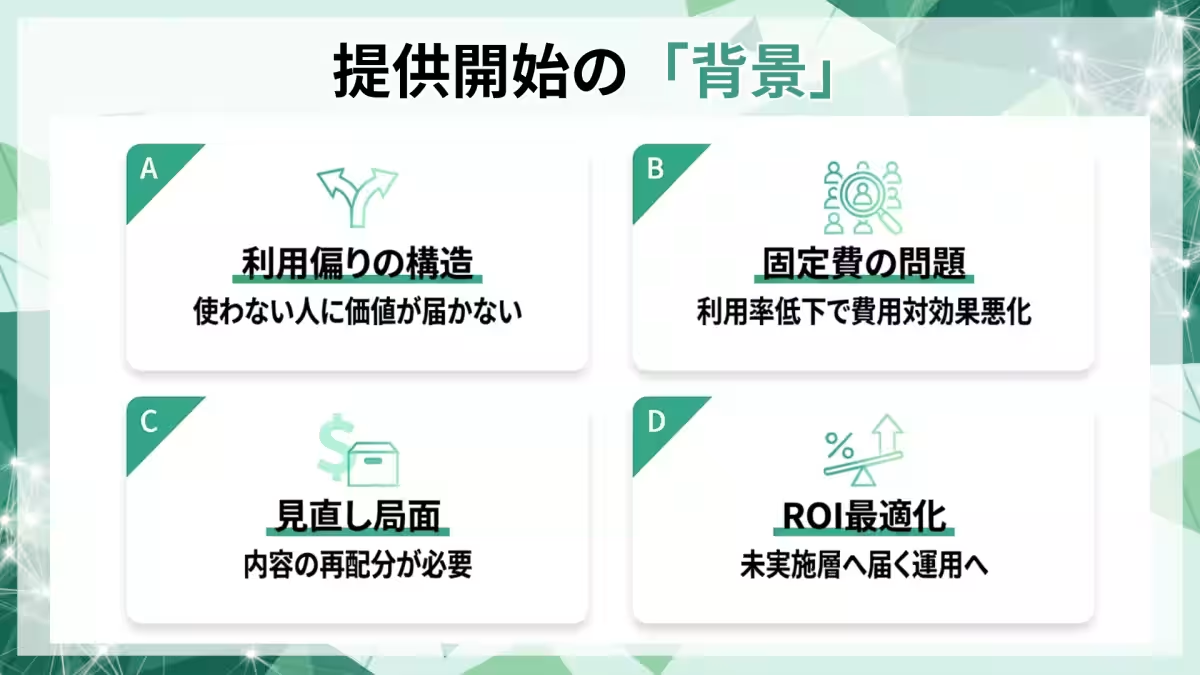
Health support and medical assistance benefits that fall outside statutory requirements often remain unexploited by a significant portion of the workforce. Individuals who utilize these services reap the rewards, while others feel distanced from their value. Moreover, facilities that support these benefits can incur heavy fixed costs, leading to poor cost-effectiveness if utilization rates remain low.
According to the 2017 survey conducted by the Japan Business Federation, the expenditure on non-statutory welfare benefits fell by 7.0% compared to the previous year, highlighting a pressing need for a reassessment and reallocation of these resources. A report from WTW indicates that many companies anticipate redistributing or readjusting their welfare benefits in the next three years to enhance attractiveness.
Fractal Workout's program directly addresses these challenges by optimizing health support through a return on investment (ROI) mindset, ensuring that underutilized segments also benefit from the redesign.
Program Overview and Implementation Details
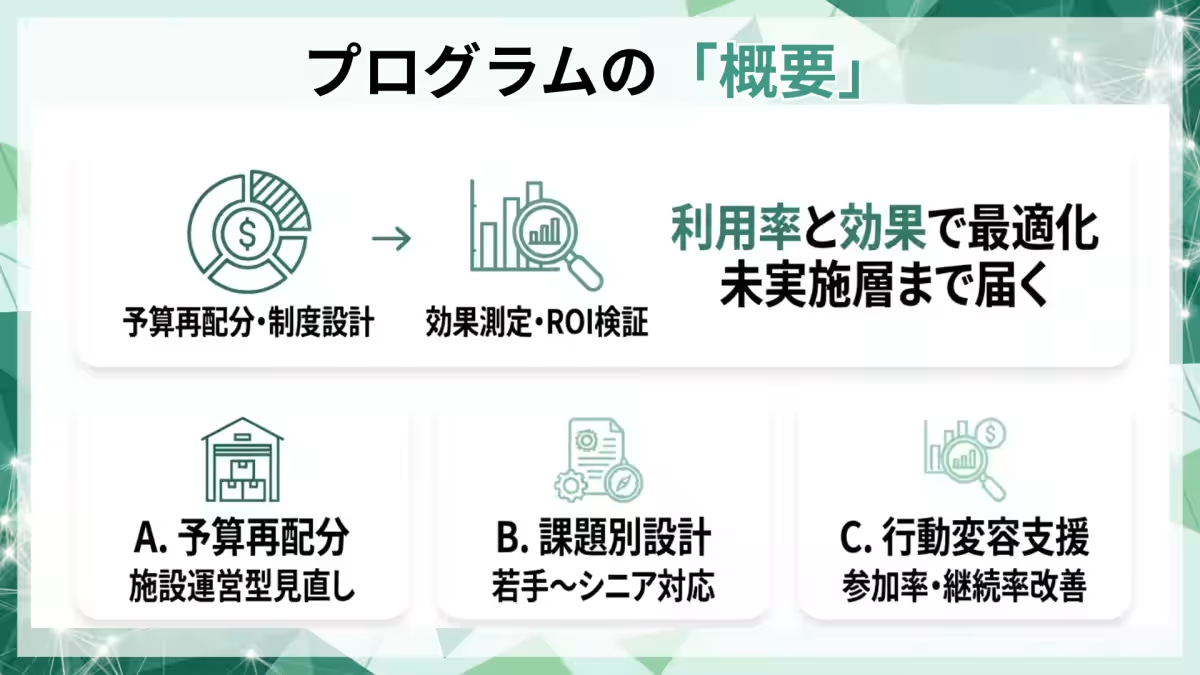
A. Reevaluating Resource Allocation
- - Conduct a thorough inventory of current health support and medical assistance, focusing on facility operations, subsidies, and outsourcing.
- - Visualize fixed costs, utilization rates, target audiences, and operational effort to identify inefficiencies.
- - Redesign budget allocations based on this analysis, promoting high-utilization, effective measures.
- - Transition to more flexible models, such as optional subsidies or point-based systems, considering regional disparities.
B. Tailored Support for All Age Groups
- - Develop targeted support initiatives for different age demographics:
- Middle-Aged Employees: Focus on risks of lifestyle-related diseases, physical inactivity, and chronic fatigue.
- Senior Employees: Engage with concerns regarding physical functions, pain management, and fall prevention.
- - Adapt the delivery methods (online, group, individual) to fit different occupations and locations.
C. Correcting Utilization Bias
- - Identify and eliminate disparities where only health-conscious individuals benefit from programs.
- - Develop beginner-friendly classes and pathways that dismantle barriers (e.g., intimidation, discomfort, embarrassment) to participation.
- - Improve participation rates and continuity by nurturing an inclusive atmosphere for all employees.
D. Quantifying Impact on Healthcare Costs and Productivity
- - Collect and compare metrics such as utilization rates, participation persistence, presenteeism, fatigue levels, sleep quality, and absenteeism.
- - Analyze cost (fixed variable) versus outcomes (change metrics) to present a clear ROI in executive reports.
- - Formulate prospective revisions for the next fiscal year (reallocate, suspend, or expand programs).
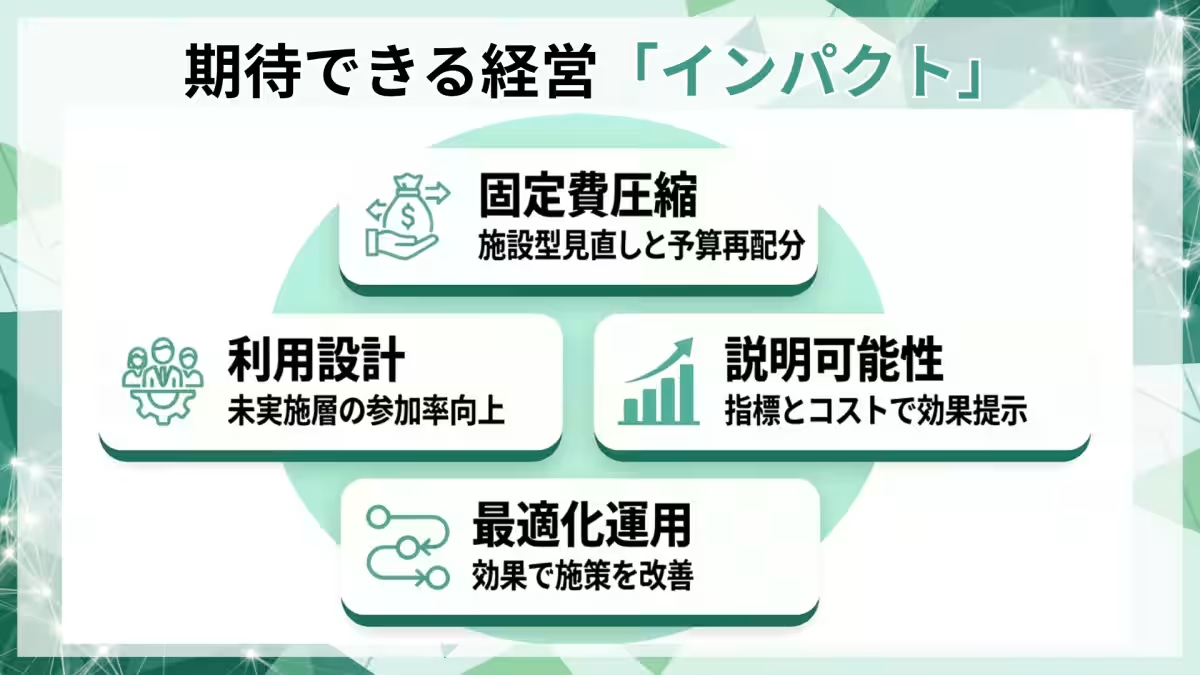
Anticipated Management Impact
1. Cost Reduction and Reallocation: Streamlined operational costs and enhanced budgetary efficiency by redistributing funds towards impactful measures.
2. Expanded Participation: Modified programs that reach underutilized employee segments and drive participation rates higher.
3. Accountability for Healthcare and Productivity Outcomes: Offering not just satisfaction ratings but quantifiable changes, enhancing the justification for benefit investments.
4. Annual Optimization Cycle: Implement a reflective cycle that concentrates on effective measures and revises or shuts down ineffective programs.
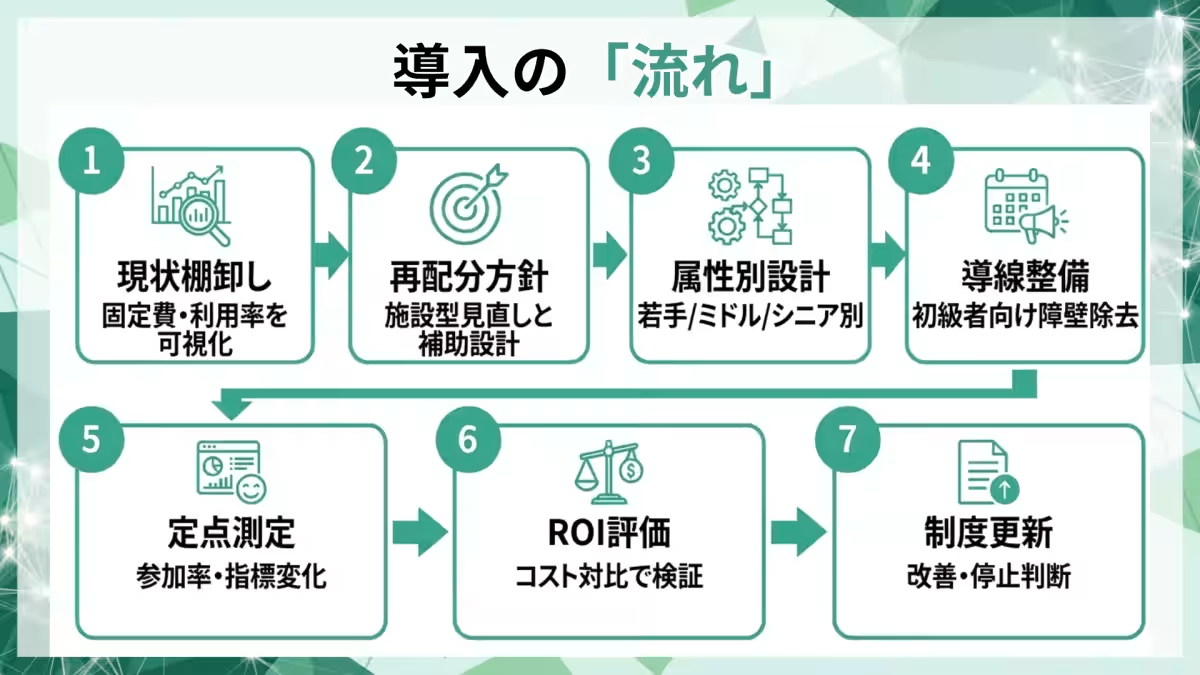
Implementation Process
- - Begin with an inventory of existing health support benefits (facility operations, supplements, outsourcing) focusing on fixed costs, utilization, and demographics.
- - Establish a reallocation policy based on the reevaluation.
- - Design support based on specific demographic challenges and menu options.
- - Create beginner options and participation pathways accessible through various formats (short sessions, online formats, workplace setups).
- - Conduct quarterly assessments to track engagement, sustainability, and efficacy.
- - Update programs based on comparative analysis of costs and outcomes.
Conclusion
Fractal Workout is transforming off-statutory health benefits and medical assistance into impactful investments through this innovative program. The holistic approach, from inventory to measurable results, provides companies with the tools to not only enhance employee wellness but also justify the investments made in these crucial programs.
For inquiries, please contact:
- - Company Name: Fractal Workout Inc.
- - Address: 1-14-34 Jingumae, Shibuya, Tokyo
- - CEO: Masahiro Takase
- - Founded: April 1, 2020
- - Capital: 500 million yen
- - Services: Health management solutions, fitness services
- - Website: Fractal Workout

Topics Health)
【About Using Articles】
You can freely use the title and article content by linking to the page where the article is posted.
※ Images cannot be used.
【About Links】
Links are free to use.