



Exploring the Impact of Mobility Advertising: Recognition and Engagement Rates Revealed
Exploring the Impact of Mobility Advertising
In a world where digital advertising reigns supreme, the significance of offline marketing channels, especially mobility advertising, cannot be understated. Recently, ohpner Inc., a company based in Shibuya, Tokyo, conducted a survey to analyze the effect of mobility advertising—also known as ad trucks—on consumer awareness and engagement. The findings were illuminating.
The study focused on residents of the Kanto region, specifically targeting men and women aged 20 to 49. It evaluated important metrics such as ad reach, consumer interest, and purchase consideration rates, alongside assessing how ad exposure affected overall awareness and interest levels as well as perceptions toward mobility advertising.
Key Findings from the Research
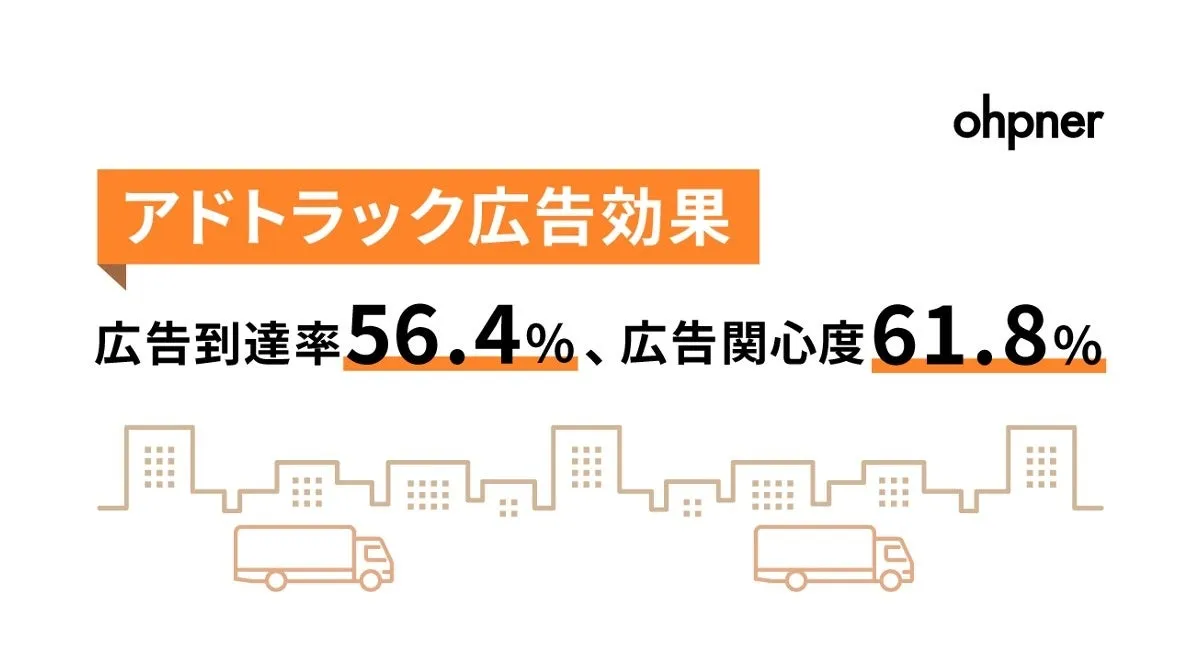
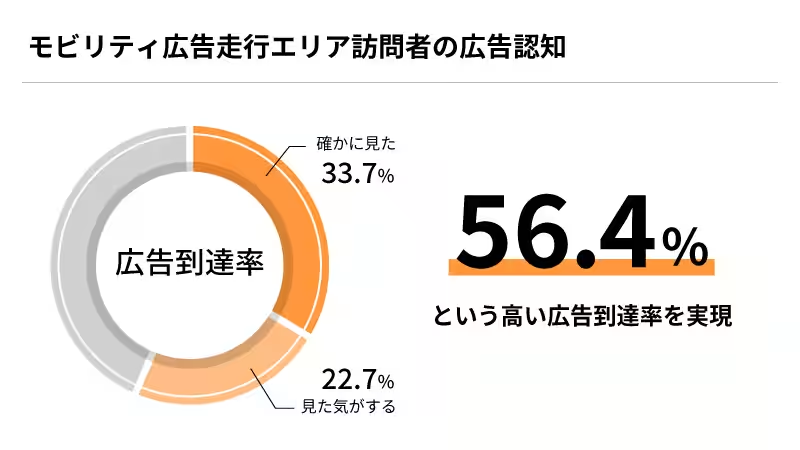
1. Ad Reach: The survey revealed a compelling ad reach of 56.4%, indicating that more than half of the respondents acknowledged seeing mobility advertising in their daily lives.
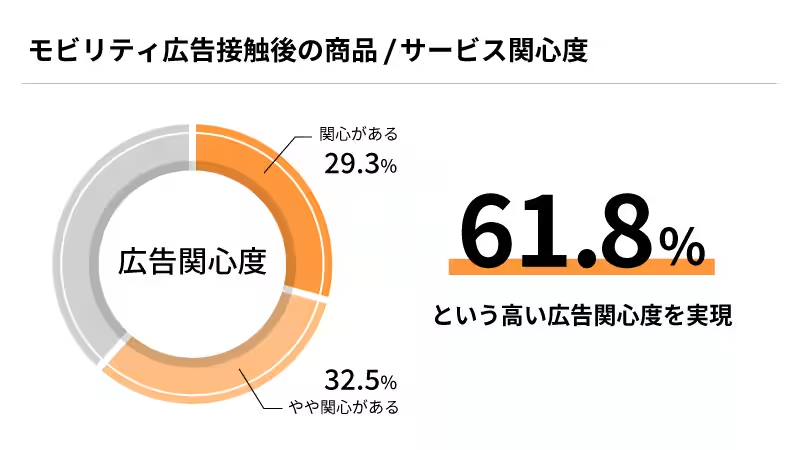
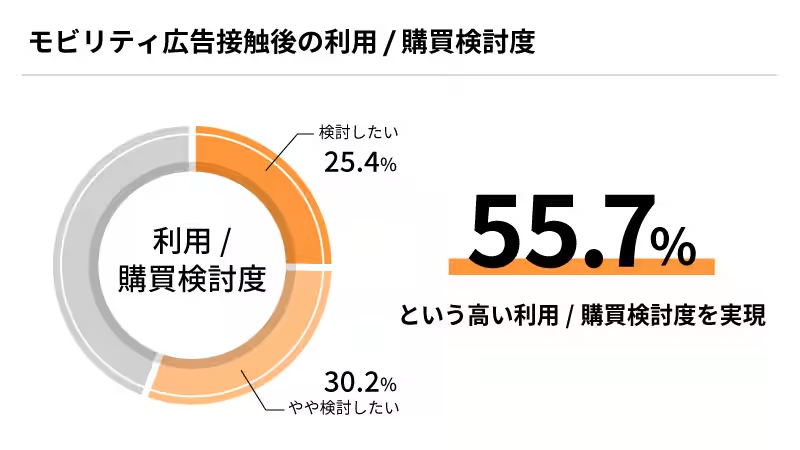
2. Engagement Levels: The interest generated by mobility ads stood at 61.8%, illustrating that these ads effectively stimulate curiosity regarding promoted products and services. Additionally, the intent to use or buy the advertised products was reported at 55.7%. These figures signify that mobility advertising goes beyond mere recognition—it actively influences consumer behavior and consideration.
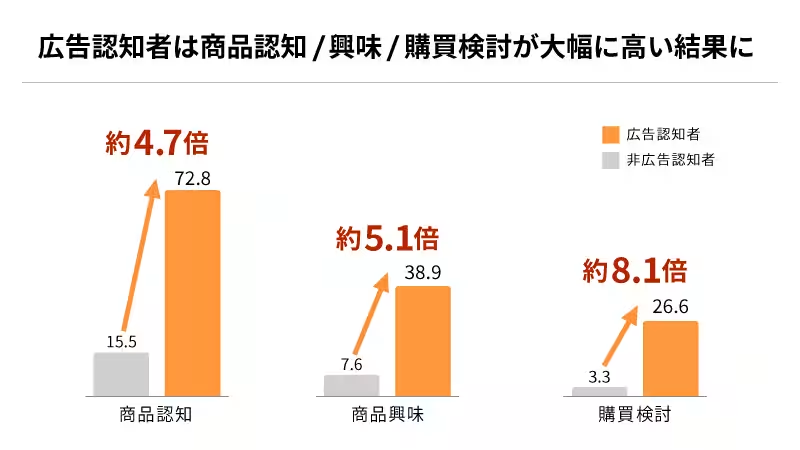
3. Impact of Awareness on Consumer Behavior: Perhaps most striking was how much more engaged those who recognized the ads were compared to non-exposed individuals. Recognizers reported awareness approximately 4.7 times higher regarding the products, with interest levels about 5.1 times and purchase consideration rates nearing 8.1 times higher. This indicates that mobility advertising is particularly successful in altering consumers' attitudes toward products and brands.
Insights into Consumer Perceptions
The survey didn’t only focus on quantitative results; it sought qualitative insights into how consumers felt about mobility advertising. Responses indicated that many people view mobility ads positively. Comments such as "They naturally catch my eye" and "They become conversation starters on social media" were prevalent.
Consumers emphasized the spontaneous nature of encountering these ads. Many reported noticing them during daily activities like traffic stops or while walking, suggesting that mobility ads seamlessly integrate into their everyday lives.
The use of sound and visuals in these ads also received notable acknowledgment. For instance, participants pointed out that the auditory elements, combined with colorful visuals, enhance memorability, making these ads stand out more than typical outdoor placements. One respondent noted, "The sound and bright colors make a significant impact." Another mentioned, "I remember the ad because it often accompanies music, creating a memorable experience."
Survey Methodology and Structure
Conducted from February 13 to February 18, 2026, the survey utilized a combination of internet research methods that incorporated screening and main investigation stages. It garnered responses from 3,978 individuals who visit specific urban areas—such as Shinjuku, Shibuya, and Akihabara—at least once a week, ensuring that the sample consisted of frequent urban dwellers.
The assessment focused on five specific mobility advertisements that had been actively circulating in these select areas, with Cross Marketing Co., Ltd. overseeing the investigation process. This methodological structure was critical in deriving reliable insights into the effectiveness of mobility advertising.
Conclusions and Future Implications
Overall, the survey conducted by ohpner illuminates the multifaceted impact of mobility advertising. The medium not only achieves substantial recognition and interest rates but also facilitates significant shifts in consumer awareness and purchase intention. This dynamic showcases how mobility ads serve as a powerful tool for advertisers to connect with urban consumers.
As the advertising landscape continues to evolve, understanding the effectiveness of various mediums—especially traditional ones like mobility advertising—becomes increasingly important. Such insights can guide brands in optimizing their marketing strategies while leveraging the unique advantages of outdoor mobility advertising.
Furthermore, with the supporting voice of consumers emphasizing the efficacy and memorability of these advertising tactics, it becomes evident that mobility advertising will play an increasingly vital role in comprehensive marketing campaigns moving forward.
Topics Consumer Products & Retail)
【About Using Articles】
You can freely use the title and article content by linking to the page where the article is posted.
※ Images cannot be used.
【About Links】
Links are free to use.