



Understanding the Unseen Risks of ISO Certification Withdrawal in Businesses
The Complexity of ISO Certification Withdrawal
In the realm of quality management and operational coherence, the International Organization for Standardization (ISO) certification has long been a badge of honor for many companies. However, NSS Smart Consulting recently conducted a survey revealing a surprising trend: a significant number of companies are choosing to relinquish their ISO certifications, facing unforeseen impacts as a result.
The Survey
NSS Smart Consulting, which specializes in ISO certification support, aimed to investigate the reasons behind ISO certification withdrawals and the subsequent effects these decisions have on businesses. Conducted between June 6 and June 10, 2025, the survey gathered responses from 301 ISO managers, executives, and decision-makers from companies that once held ISO certification. It aimed to shed light on the trends surrounding certification withdrawal and its implications.
Trends in Certification Maintenance
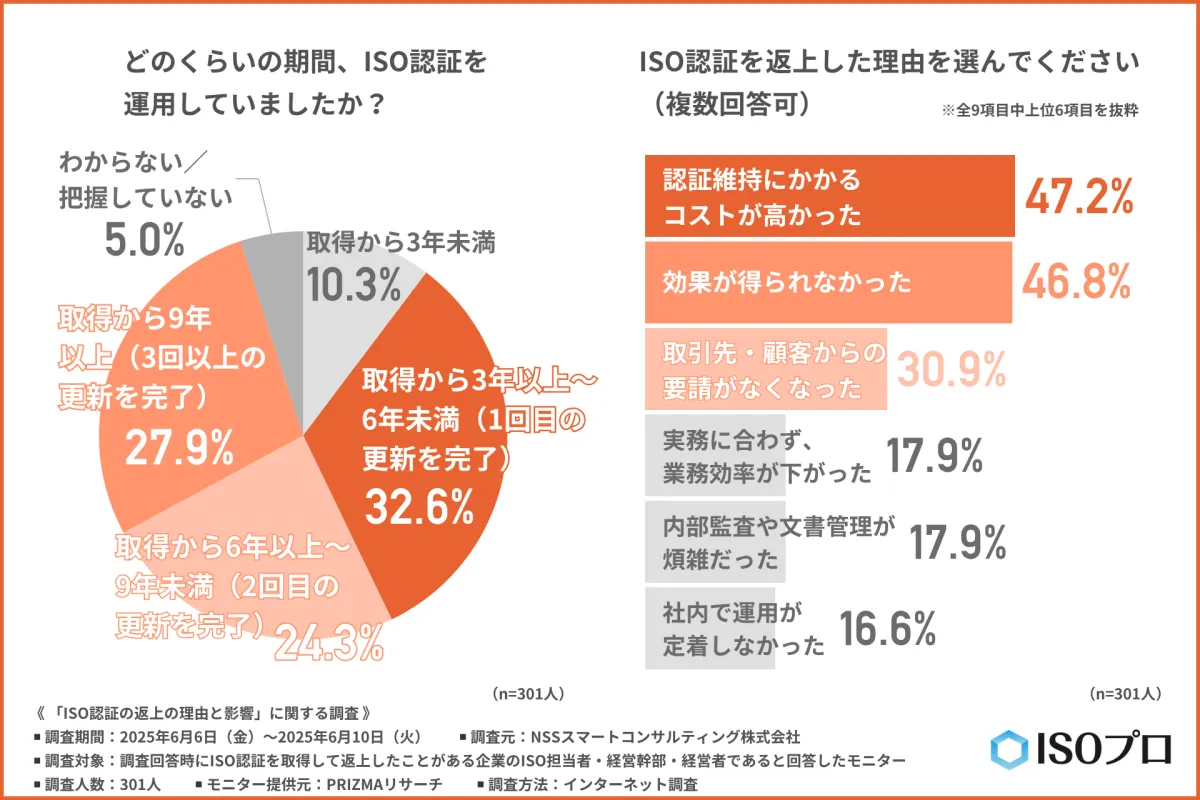
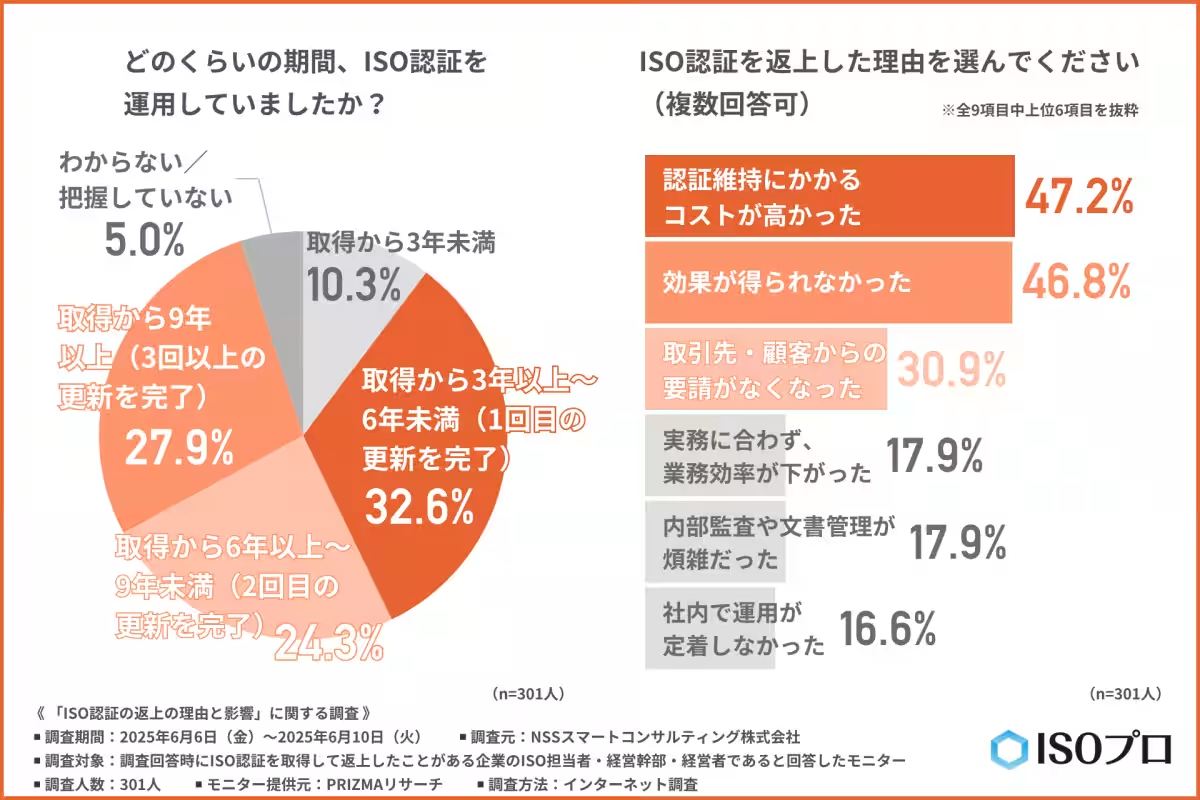
Interestingly, over 80% of respondents had maintained their ISO certifications for more than three years. Yet, a recurring theme emerged regarding the reasons for withdrawal. When asked about their motivations for dropping the certification, 47.2% of participants indicated that high maintenance costs were their primary concern, followed closely by the realization of inadequate benefits (46.8%). Additionally, a notable 30.9% reported that requests from clients and partners to maintain certification had diminished, further complicating their decision.
Some respondents expressed specific dissatisfaction, stating that the certification no longer aligned with their internal goals or operational realities. These insights underscore how perceptions of value and the evolving needs of a business can drastically shift priorities.
The Cost Dilemma
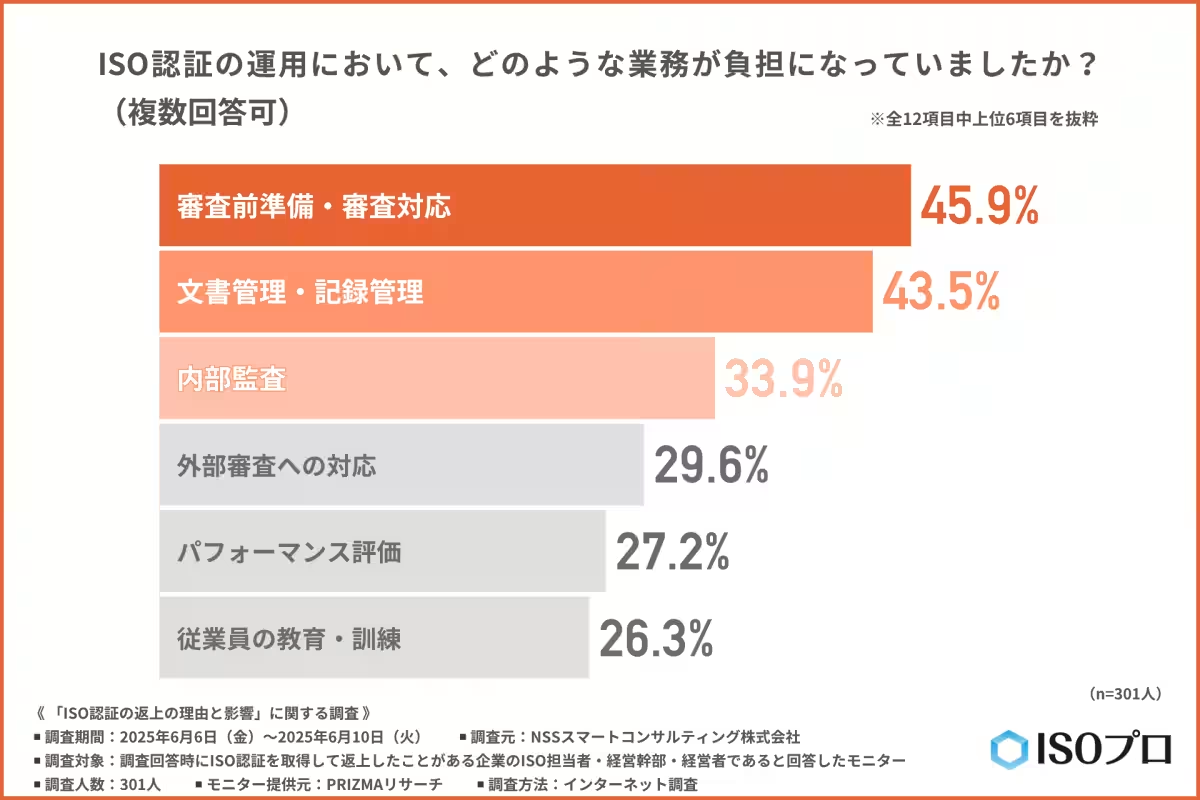
The financial implications of maintaining ISO certification cannot be ignored. The survey's results highlighted that some companies found the costs of compliance, including auditing and documentation, outweighed the perceived benefits. This financial burden was often compounded by an increasing need for operational agility and flexibility in a rapidly changing market environment.
For many companies, switching to internal management systems or aligning only with legal requirements seemed more feasible than continuing with ISO compliance. Moreover, there was a common sentiment that the ISO standards themselves had become more of a bureaucratic hurdle than a practical tool for enhancing operational quality.
Feedback on ISO Withdrawal
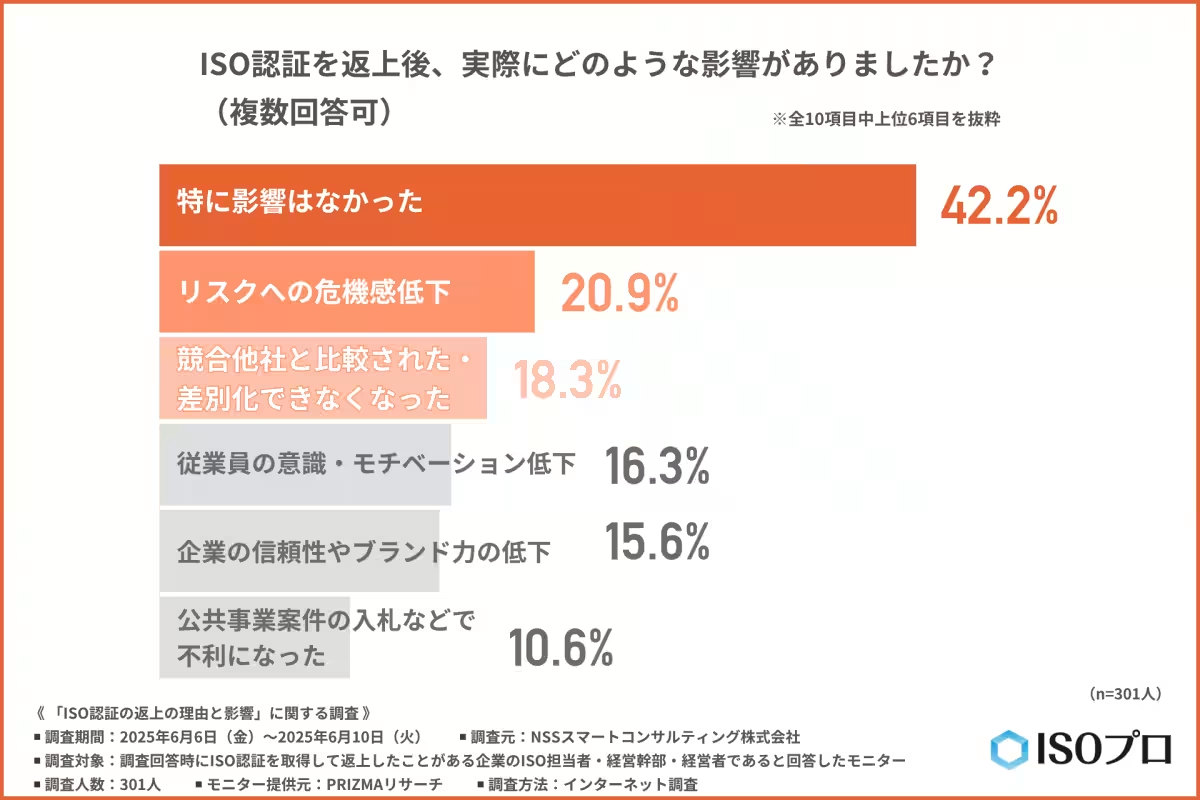
Respondents shared their experiences following their withdrawals, revealing a mixed landscape of repercussions. About 42.2% reported no significant adverse effects; however, others, including 20.9%, noted a diminished awareness of risk management, while 18.3% experienced difficulties in differentiating themselves from competitors on bids. Specific anecdotes illustrated the real-world implications, such as price negotiations yielding unfavorable conditions and a perceived loss of credibility among clients following the withdrawal.
The Need for Multifaceted Decision-Making
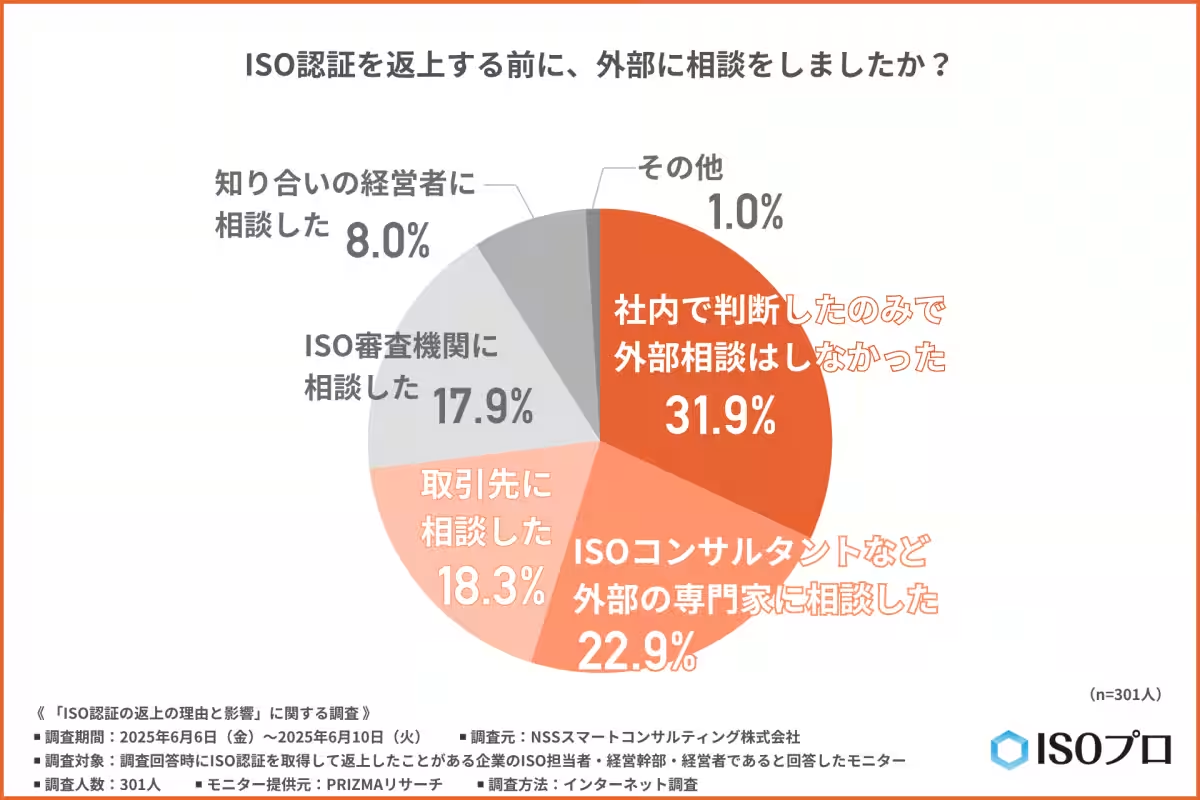
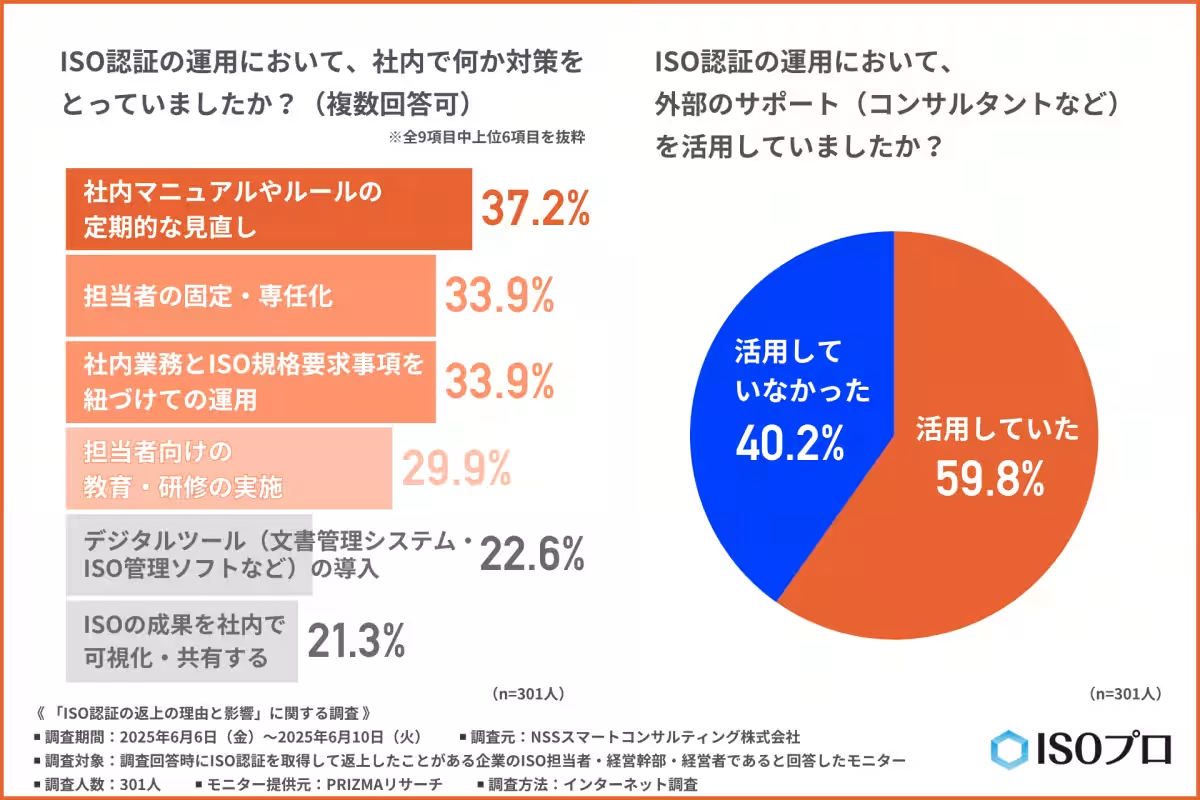
From the survey data, it became apparent that a considerable number of companies had not sought external consultation prior to making their decisions—31.9% indicated that their choices were made solely within their organizations. This lack of external input potentially leads to missed opportunities for identifying and mitigating risks associated with certification withdrawal.
As businesses strive not only to adapt but thrive in their environments, the need for comprehensive risk assessments of ISO certification decisions becomes paramount. Engaging external experts and conducting thorough evaluations of possible impacts can provide businesses with a clearer path forward.
Conclusion
In the ever-evolving business landscape, the decision to maintain or withdraw from ISO certification should not be taken lightly. Companies must weigh the immediate financial burdens against long-term operational goals and market positioning. While some experience minimal fallout post-withdrawal, others face significant challenges that must be proactively managed.
Ultimately, thorough exploration of the implications of such a profound decision, ideally with expert consultation, can guide companies to not only understand their operational needs better but also to navigate the complexities of maintaining their competitive edge. In this respect, platforms such as the ISO Pro, managed by NSS Smart Consulting, can serve as invaluable resources for navigating the intricacies of ISO certification.

Topics Business Technology)
【About Using Articles】
You can freely use the title and article content by linking to the page where the article is posted.
※ Images cannot be used.
【About Links】
Links are free to use.