



Increase in Mental Health Visits among Youth Post-State of Emergency in Japan
Rise in Psychiatric Visits Among Young People in Japan
The COVID-19 pandemic has significantly altered various aspects of life, including work, social interactions, and mental health. However, the long-term changes in psychiatric healthcare utilization in Japan following this crisis have not been fully understood. A research team led by Associate Professor Yuko Kachi at Waseda University analyzed national healthcare insurance data from April 2013 to April 2024 to reveal critical trends in psychiatric service usage.
Key Findings from the Study
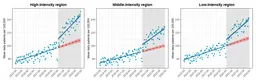
The analysis indicated that after the initial state of emergency declaration in Japan, there was a notable increase in psychiatric outpatient visits among individuals aged 15-39 and 60-69, with the most substantial changes observed in the 20-24 age group. The increase in outpatient visits was particularly pronounced in regions where the state of emergency was in effect for extended periods. Conversely, psychiatric inpatient admissions decreased across many age groups and regions.
These findings emphasize the need for continuous monitoring of mental health service utilization by age and region in preparation for future public health crises, such as outbreaks of infectious diseases.
Detailed Analysis of the Results
The research utilized data from the National Database of Health Insurance Claims (NDB), which encompasses a wide range of medical treatment records in Japan. With a focus on the period surrounding the COVID-19 state of emergency, the study implemented a segmented time series analysis to observe shifts in psychiatric healthcare utilization patterns.
From the results, it was determined that outpatient appointments for psychiatric care saw a significant surge in various groups following the emergency declaration: with the most remarkable increase reported among individuals aged 20-24. Notably, in areas with prolonged emergency declarations, the average number of outpatient visits per 100,000 individuals increased markedly when compared to periods before the declaration.
The study further revealed that in regions with a high intensity of emergency measures, the shift to outpatient care was more substantial. Conversely, many regions saw a decrease in inpatient care, suggesting an overall increase in psychiatric healthcare service utilization rather than just a transition from inpatient to outpatient care.
Implications of the Findings
As highlighted in previous studies, public health emergencies do not impact all demographics equally. The increase in psychiatric service usage post-COVID-19 substantially differed across age groups and regions, revealing a specific vulnerability among younger populations. The findings underscore the importance of preemptively identifying and supporting groups that might be disproportionately affected by future health crises.
Moreover, there is a necessity for addressing mental health challenges in a more localized manner, adapting to the specific needs of each community rather than relying on uniform national indicators.
Future Directions and Challenges
Although this research utilized comprehensive public aggregate data, it did not explore variations by gender or other demographic factors. Additionally, the time period surrounding the emergency declaration coincided with other significant changes, including school closures and economic shifts, making it difficult to attribute observed changes solely to the state of emergency.
Future studies must investigate the factors contributing to the observed discrepancies in mental health service utilization across different demographics. Understanding the social environment and healthcare system's adaptability will better prepare communities for potential public health crises in the future.
Researcher's Insights
Past research has established that significant social changes, such as economic crises, affect not only socially disadvantaged populations but also individuals at various developmental stages who are susceptible to adverse impacts. During the COVID-19 pandemic, the shifts in daily life and social interactions heightened concerns for the mental health of adolescents and young adults.
In Japan, unlike other countries that experienced stringent lockdown measures, a softer approach, referred to as a 'soft lockdown', was adopted; still, the research revealed marked changes in the utilization of psychiatric services across different generations and geographic locales. The results serve as a reminder of the importance of anticipating and addressing the needs of vulnerable groups during times of societal disruption, ensuring that appropriate support and care are available right from the onset of a crisis.
Conclusion
The findings from this study, published in the Journal of Epidemiology on October 17, 2026, provide critical insights into the long-term effects of the COVID-19 pandemic on mental health service utilization. This research highlights the importance of ongoing, nuanced approaches to mental health resources to better support affected populations in times of crisis.
Topics Health)


【About Using Articles】
You can freely use the title and article content by linking to the page where the article is posted.
※ Images cannot be used.
【About Links】
Links are free to use.