




Sanno University Launches Innovative New Employee Training Program in 2027
Sanno University Launches New Employee Training Program DIG
Sanno University, located in Setagaya, Tokyo, is set to launch a new training initiative titled "DIG (Dialogue into Growth)" specifically designed for new employees. Slated to commence in April 2027, this program focuses on developing essential skills in communication and critical thinking, enabling fresh graduates to navigate workplaces marked by complex, non-linear challenges.
The Need for Innovation in Employee Training
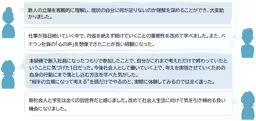
In recent years, Sanno University has provided extensive training to new employees across numerous organizations. Observing a growing trend among Generation Z trainees, the university noted a paradox where young professionals prioritize harmony and respect for diverse opinions but often hesitate to express their own when they feel outnumbered. As a response to this growing concern, Sanno University has redesigned its training model to encourage open dialogue and critical thinking in the workplace.
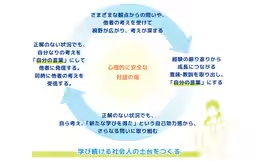
DIG aims to create a safe space where new employees can express their thoughts about workplace scenarios that lack clear "right answers." The program emphasizes transitioning from a mindset focused on finding the correct answer, often aided by generative AI, to one that values collaborative idea generation and personal reflection.
Key Components of the DIG Program
No Right Answer: Embracing Dialogue
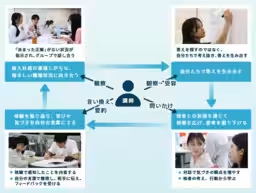
The training emphasizes case studies that closely resemble actual workplace situations, steering away from merely seeking right answers. Participants will be encouraged to articulate their insights, supported by reasoning grounded in their experiences. This shift is vital in today's world, where instant access to AI-driven information often leads to a reliance on externally provided solutions.
Psychological Safety: Encouraging Open Expression
To facilitate productive dialogue, the program ensures psychological safety, allowing trainees to practice sharing their thoughts without fear of judgment. Through carefully structured discussions, participants will gradually shift from self-censorship to embracing their unique viewpoints, recognizing they can contribute meaningfully to conversations even when their opinions differ from the majority.
Lifelong Learning: Building Reflective Skills
Throughout the training sessions, discussions led by instructors will encourage participants to reflect on the lessons learned from their experiences. By doing so, they will cultivate a mindset geared toward continuous learning and growth post-assignment. This approach aligns with the values of Generation Z, which highlights personal growth and contribution as essential aspects of their career perspectives.
Sample Training Exercises
The DIG program will incorporate various practical case studies that revolve around common workplace issues, promoting critical thinking and articulation of personalized viewpoints.
1. Revitalizing Meetings: Engaging in discussions to enhance meeting productivity while leveraging generative AI resources appropriately.
2. Overcoming Challenges with Senior Employees: Exploring scenarios where newly assigned tasks face hurdles, focusing on communication and action to advance collaboration.
3. Finding Meaning in Uninspiring Tasks: Encouraging trainees to connect their work to broader contexts, fostering a sense of purpose.
Conclusion
The DIG training program is a significant step forward in reimagining how organizations nurture new talent. By emphasizing dialogue, psychological safety, and a continuous learning mindset, Sanno University is preparing the next generation of professionals to thrive in complex workplace environments. As the program draws closer to its launch date, interested HR departments and educational leaders can participate in an introductory online seminar on November 25, 2026, to explore the training's potential and methodologies.
For more information, visit the official seminar page.


Topics Other)

【About Using Articles】
You can freely use the title and article content by linking to the page where the article is posted.
※ Images cannot be used.
【About Links】
Links are free to use.