



Concerns Over Design Homogenization Rise with AI Adoption in Marketing
The Rise of Homogenization in Design Amidst AI Adoption
In recent years, as artificial intelligence becomes more integrated into the design process, a significant concern has emerged among marketing professionals regarding the peril of homogenized design. A survey conducted by TARO WORKS, a marketing and branding firm based in Chiyoda, Tokyo, revealed that approximately 80% of respondents feel uneasy about the loss of individuality in their designs due to the rising influence of AI-generated visuals.
The Survey: Key Findings
TARO WORKS executed this survey targeting marketing, branding, and advertising professionals to gather insights on their sentiments regarding the post-AI design landscape. Spanning over two days in September 2025 and encompassing 1,004 participants, the results provide a comprehensive overview of current perceptions regarding design’s originality in the age of AI.
AI and Visuals: A Double-Edged Sword
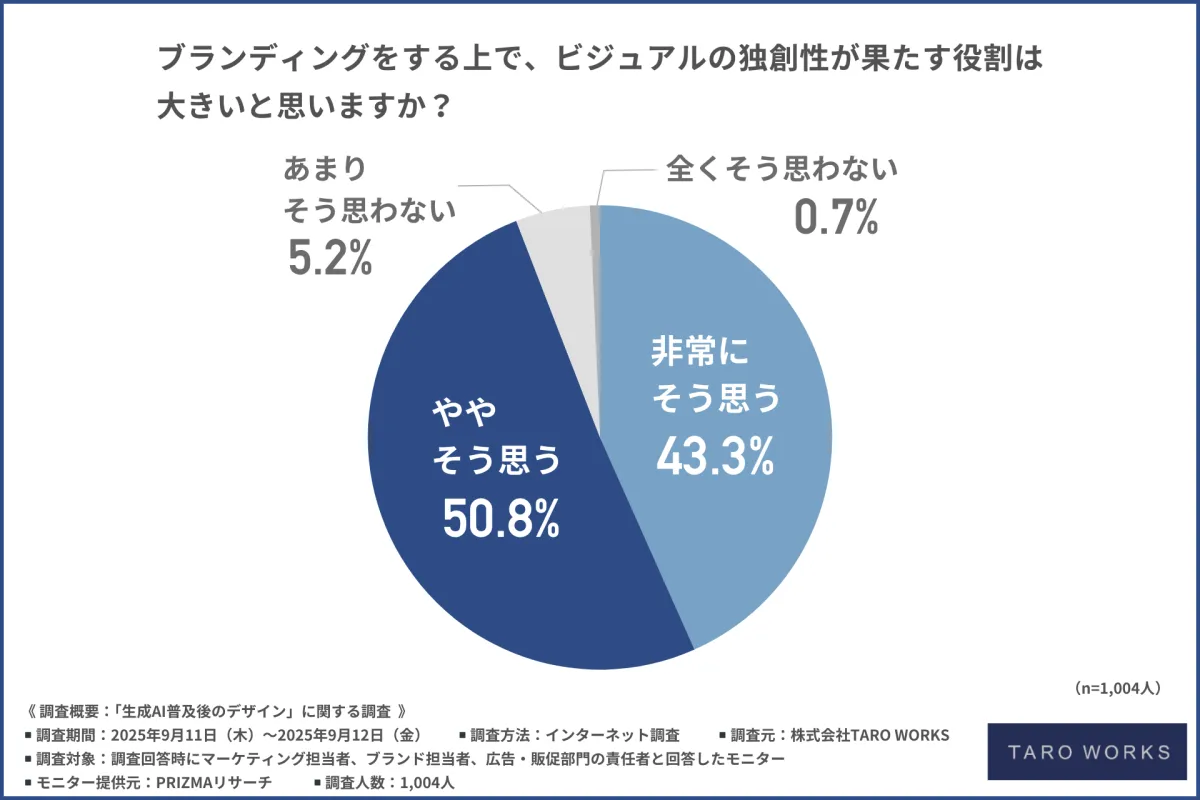
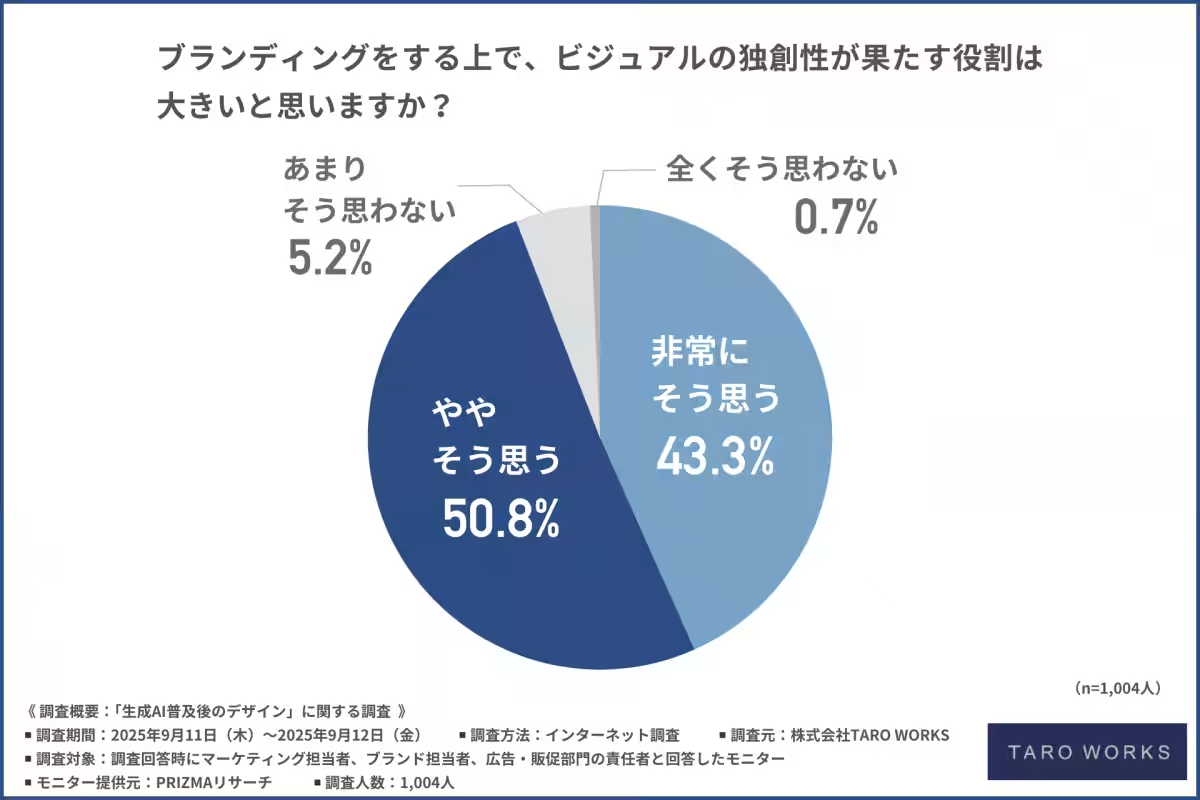
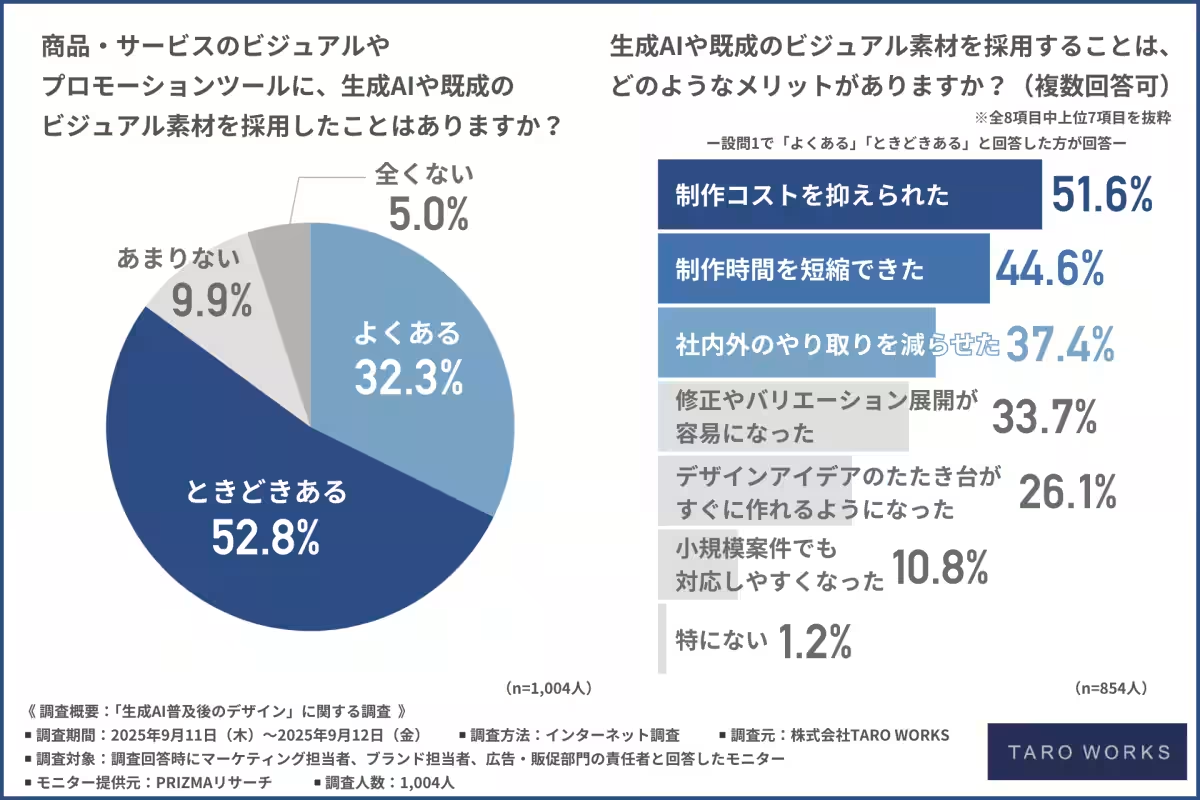
While more than 80% of respondents have utilized AI or existing visual assets in their design processes, the dependency on such technology comes at a potential cost. Approximately 90% of those surveyed affirmed that the originality of visuals is crucial for effective branding. These findings indicate a deep-seated belief that unique visual representation is essential for brand differentiation, despite the accessibility and speed that AI offers in design.
The crux of the matter seems to lie in maintaining brand essence, as finely crafted visuals play a pivotal role in shaping first impressions. The ability of visuals to convey a brand's narrative and identity quickly becomes faltered in template-driven designs that AI tends to generate.
Efficiency vs. Expression: The Ongoing Debate
The efficiency gained through AI and pre-existing visuals is notable, with around 85% of respondents citing reduced production costs and shorter turnaround times as primary advantages. Many users noted the decline in the back-and-forth communication typically required in creative processes, suggesting a shift in how teams collaborate.
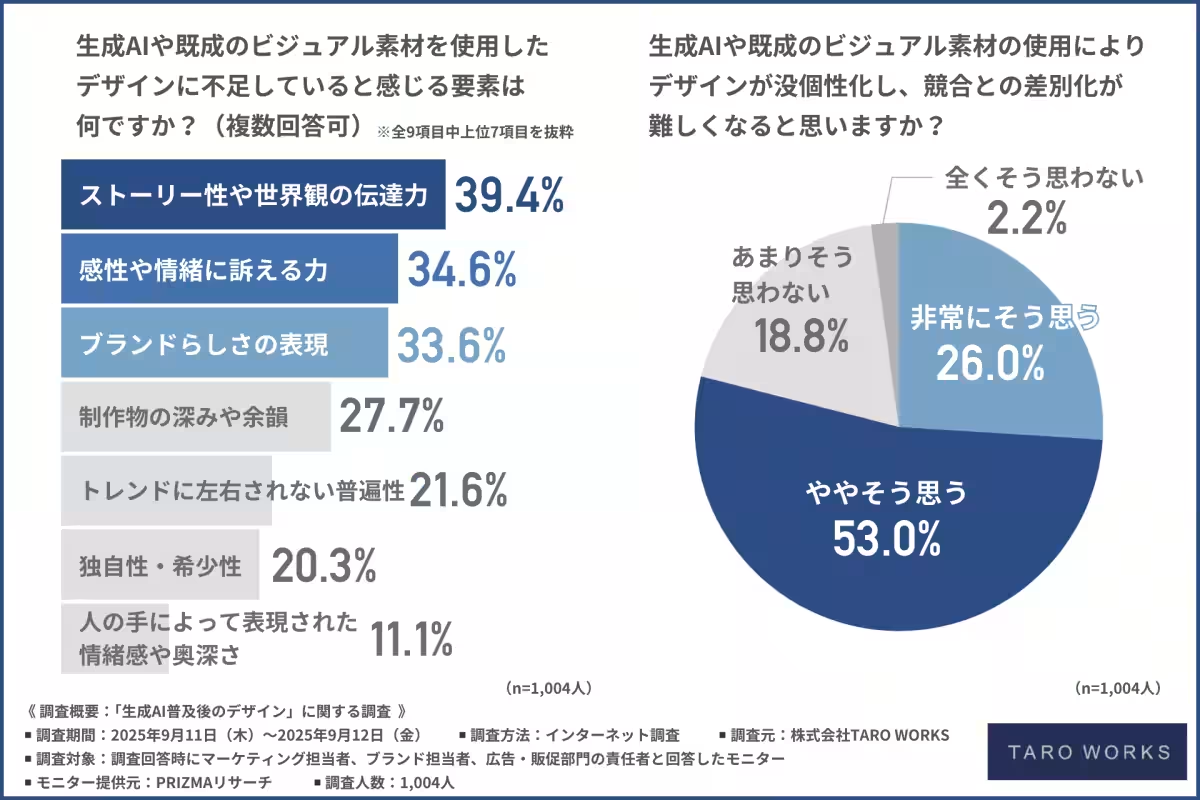
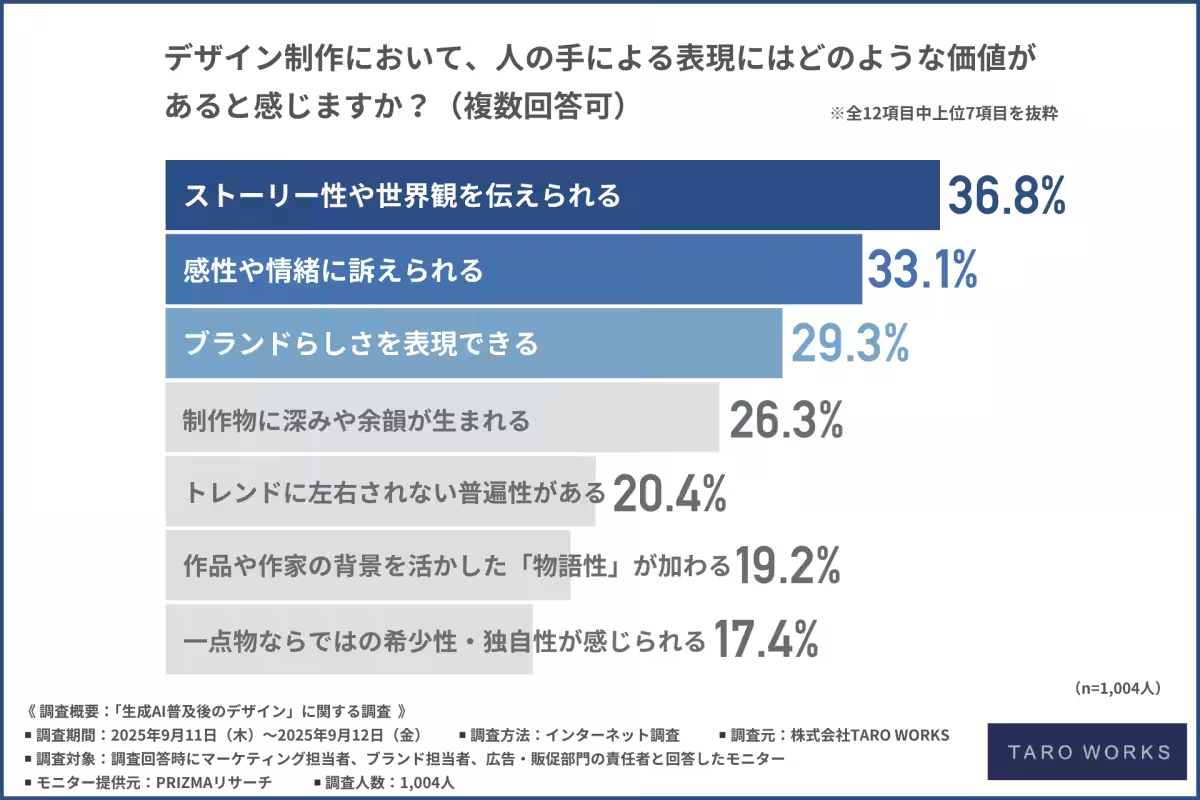
However, the perceived drawbacks are troubling. Major drawbacks pointed out include a lack of storytelling and emotional depth in AI-generated designs, reinforcing fears about the superficiality of many creations. Respondents stressed that a connection to human expression and narrative is irreplaceable—a sentiment that underscores the need for a balanced approach integrating both AI efficiency and the human touch.
The Quest for Differentiation
Amidst widespread concerns about the loss of individuality, about 80% of respondents agreed that using AI could lead to difficulty in distinguishing their brand from competitors. This result illustrates a prevalent apprehension that reliance on AI could dilute a brand's unique traits.
In response to reputational concerns, there's an emerging need to establish guidelines on how to effectively harness AI technology without compromising brand integrity. Companies are beginning to recognize that it’s not merely about using AI but rather discerning how to use it thoughtfully—where human creativity should be incorporated into design processes.
The Human Creative Touch: Its Unmatched Value
Marketers and brands alike have expressed a strong appreciation for the value of human creativity in crafting visuals. The survey results indicated that many believe only a human can convey genuine storytelling and emotional resonance in designs.
The intricate nature of human-generated expression lends itself to significant artistic nuances, which AI cannot replicate. This gap accentuates the significance of human artistry in the creative sectors, reinforcing the notion that humans are essential for maintaining the depth and richness of brand narratives.
Challenges in Custom Orders
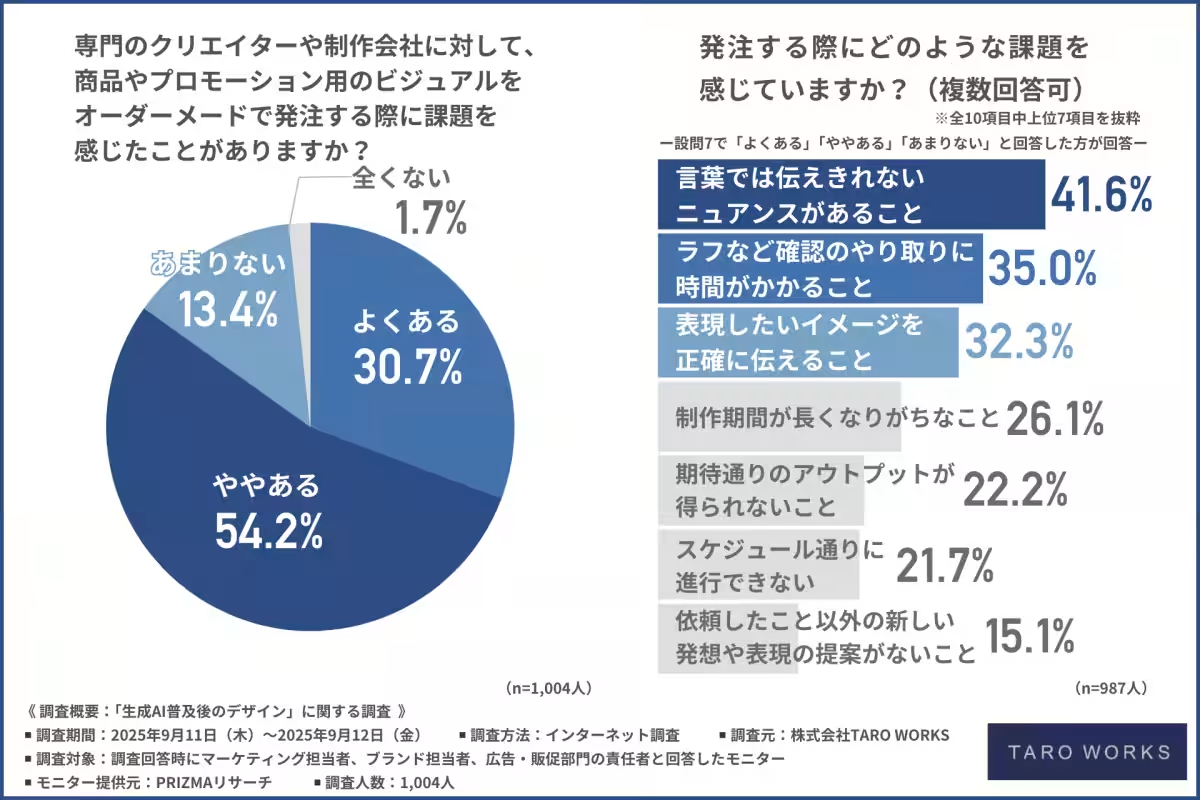
Additionally, the survey explored participants' experiences with ordering custom designs from creators or design companies. A staggering 85% indicated they often encounter issues, such as difficulty conveying nuances and delays in communication. This frequency highlights a crucial area where brands struggle to communicate their vision without encountering misinterpretations or delays.
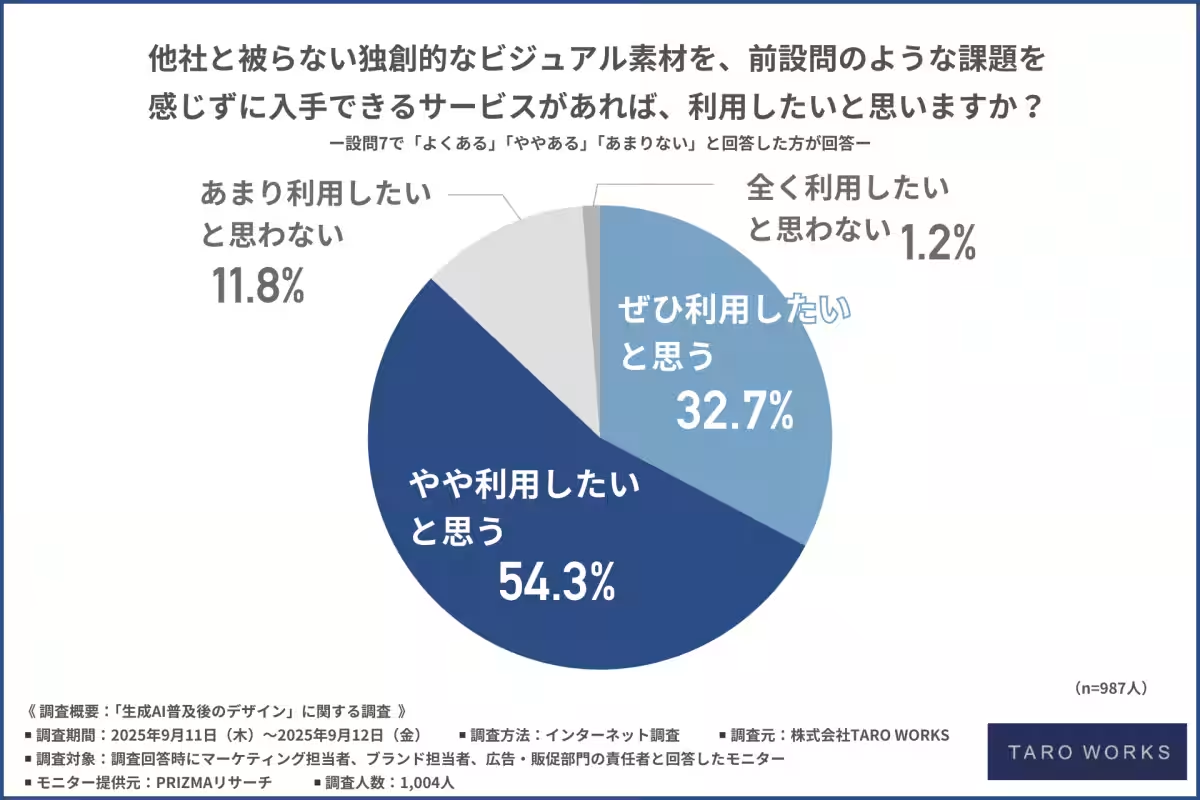
Interestingly, a strong desire exists for services that could streamline the procurement of unique design assets without the common pitfalls associated with custom orders. When asked about the desirability of such services, over 80% of respondents expressed interest, marking a clear demand for solutions that unite convenience with originality.
Conclusion: Blending AI with Human Creativity
The findings of this survey contribute to an understanding of the balance that needs to be achieved in the modern design landscape. While there are significant advantages to employing AI and existing visual assets, it is evident that the essence of branding still relies heavily on uniqueness and depth that only human creators can provide.
As the conversation surrounding AI and design evolves, the challenge for brands will be to navigate this new environment skillfully, combining the efficiency of AI with the irreplaceable essence of human creativity. In doing so, they can ensure that their brands not only thrive but continue to resonate on a personal level with consumers.
AIN'D: Bridging the Gap
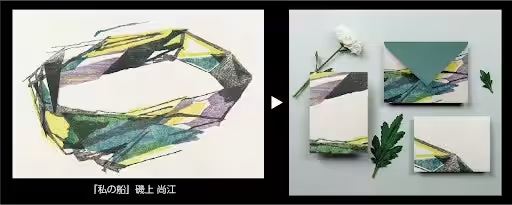
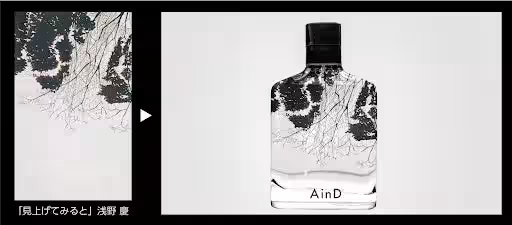
TARO WORKS has recognized the changing dynamics within the design space and offers a solution through AIN'D, a service that allows brands to incorporate unique artwork into their visuals. This approach emphasizes the artistry and human touch necessary to stand out in an ever-evolving market. With AIN'D, brands can reclaim distinctiveness in their visual communications, enhancing their storytelling and emotional connections with audiences while navigating the complexities introduced by AI.
For more information on AIN'D, visit the official site.
Topics Consumer Products & Retail)
【About Using Articles】
You can freely use the title and article content by linking to the page where the article is posted.
※ Images cannot be used.
【About Links】
Links are free to use.