



Understanding the U30 Homebuyers: Insights from At Home's Research on Young Japanese Purchasers
Understanding the U30 Homebuyers
At Home Co., a renowned real estate information service based in Ota, Tokyo, recently conducted a comprehensive survey focusing on individuals in their teens and twenties who purchased homes after November 2020. This investigation provides a revealing glimpse into the financial behavior, motivations, and preferences of the U30 demographic in the Japanese housing market.
Key Financial Insights
Attitude Towards Wealth
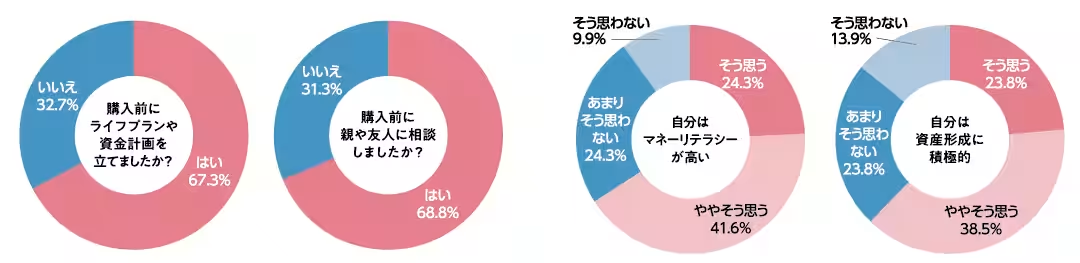
The survey uncovers that over 60% of respondents believe they are proactive in asset formation. A similar percentage expressed confidence in their financial literacy, underscoring a strong awareness of money management among these young buyers. This trend suggests a shift in the mindset of younger generations towards financial independence and investment.
Income Levels and Asset Status
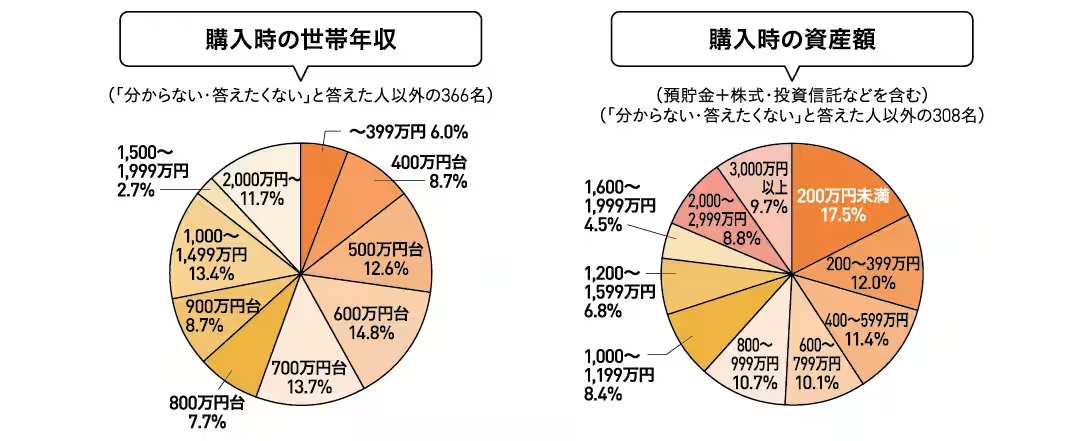
When examining household income during the purchase period, over 40% reported earning more than 8 million yen annually. Notably, approximately half of the respondents indicated having financial assets exceeding 8 million yen as well. However, there also seems to be a divide, with 17.5% of participants reporting assets under 2 million yen, showcasing a trend of economic polarization.
Property Purchase Trends
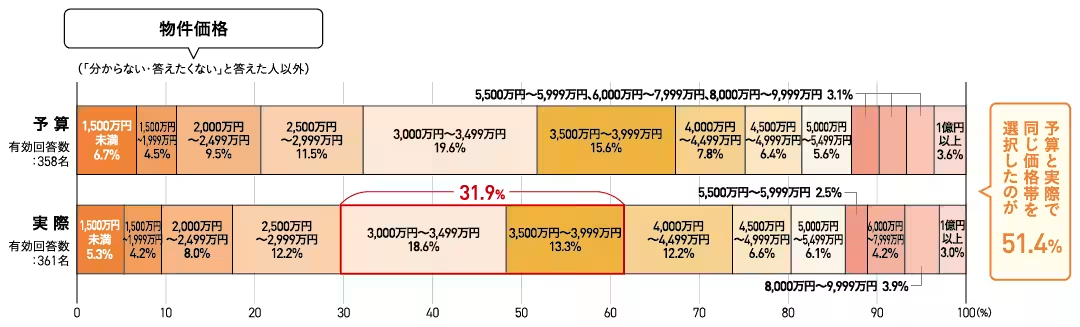
In terms of property prices, it was found that 31.9% of homes purchased fell within the 30 million yen range, with a majority of buyers managing to stay within their budget—51.4% matched their intended price bracket with the actual cost. This trend reflects the careful financial planning that many of these young individuals undertook during their home-buying journey.
Financing Methods
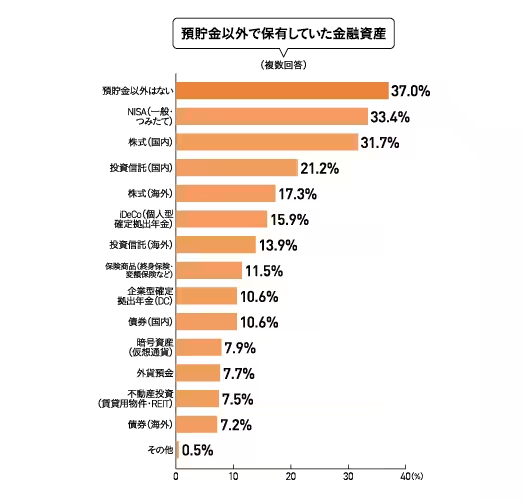
The survey reveals that most buyers opted for individual loans, which accounted for 51.9% of the financing methods used. A prevalent repayment range of 50,000 to 100,000 yen was seen among 47.6% of respondents. Moreover, 57.5% chose loan terms exceeding 35 years. Interestingly, 37% reported having no financial assets beyond savings, although 33% claimed to own NISA accounts, a testament to their readiness to invest in long-term savings plans.
Home Buying Motivations and Search Strategies
Reasons for Purchase
The primary motivation for home purchase among these younger individuals was the arrival of children or the need for a conducive environment for child-rearing, cited by 37.7% of respondents. This finding illustrates how significant life events drive housing decisions, prompting shifts in lifestyle that prioritize family needs.
Short-Term vs. Long-Term Residence
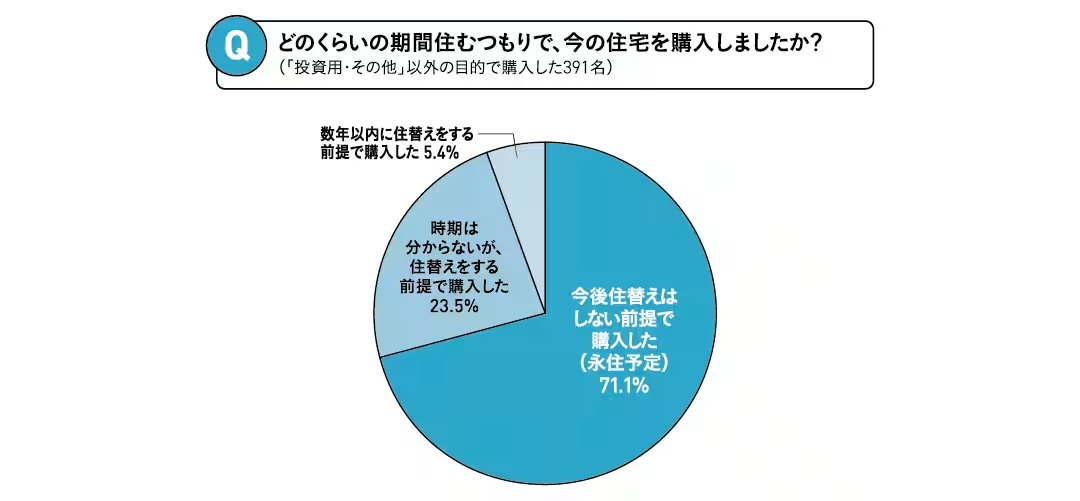
When asked about their plans for residence duration, 71.1% indicated a commitment to living in their new homes indefinitely, while 28.9% purchased with the intention of relocating in the future. Thus, more than one in four buyers are open to the idea of moving, highlighting uncertainty in long-term plans.
Expectations from Real Estate Agents and Builders
A noteworthy aspect of the survey revealed that over 60% of participants found home staging photographs appealing. This indicates a growing demand for attractive visual representations in real estate listings, with 73.3% of respondents preferring staged living spaces.
Reflections and Advice from Homeowners
Positive Takeaways
Buyers expressed satisfaction with their decisions, noting enhanced joy in their home life, stable monthly payments compared to rentals, and a heightened sense of security in their long-term investment. Many remarked on their satisfaction with owning assets that would contribute to their wealth over time.
Lessons Learned
However, there were also regrets. Participants highlighted unexpected costs such as property taxes, maintenance fees, and insurance. There were sentiments suggesting that further deliberation regarding neighborhood dynamics and future lifestyle changes could have resulted in more informed decisions.
Recommendations for Future Buyers
Advice from homeowners includes factors to consider such as:
- - Budgeting comprehensively for all associated costs, including management fees and taxes.
- - Prioritizing location, commuting convenience, and neighborhood amenities when selecting properties.
- - Keeping in mind potential resale or rental opportunities by choosing properties in fluid markets.
- - Engaging proactively with real estate agents to access knowledge and insights about the housing market.
Overall, this survey by At Home is an essential contribution, shedding light on the current trends and challenges faced by young homebuyers in Japan. Regular analyses of these patterns and ongoing studies signify At Home's commitment to staying ahead of the curve in the ever-evolving real estate landscape.







Topics Consumer Products & Retail)






【About Using Articles】
You can freely use the title and article content by linking to the page where the article is posted.
※ Images cannot be used.
【About Links】
Links are free to use.