



How NFTs are Transforming Local Government Funding Through Community Engagement
Introduction to the New Era of Hometown Taxes
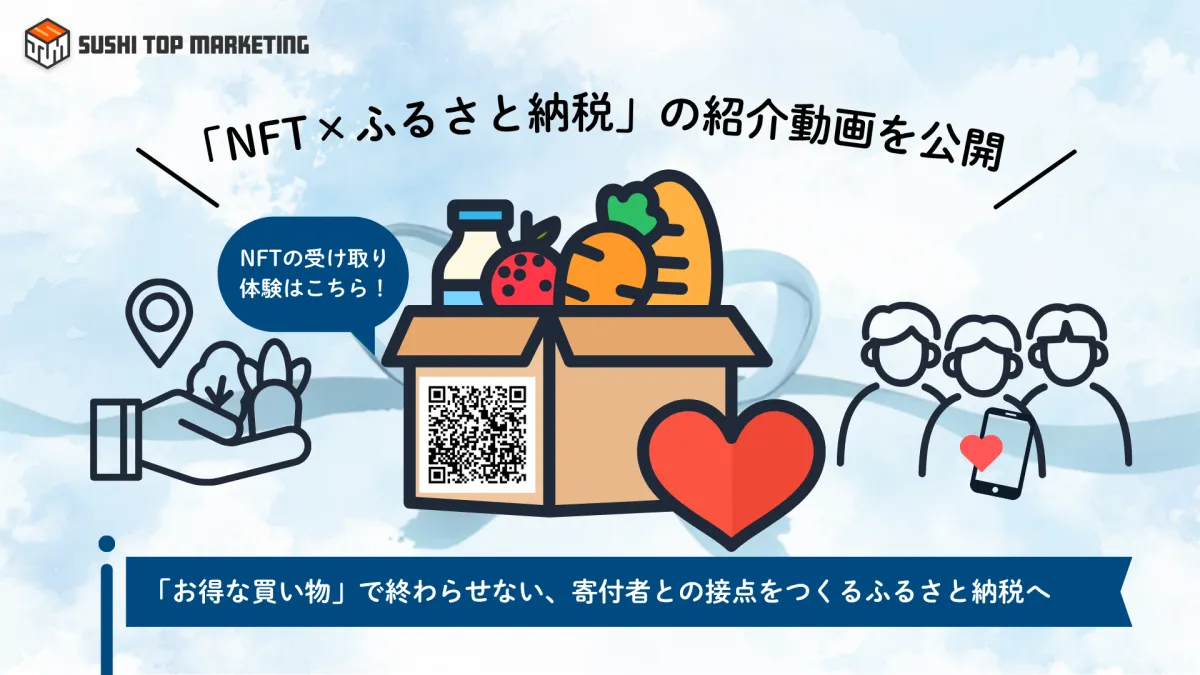
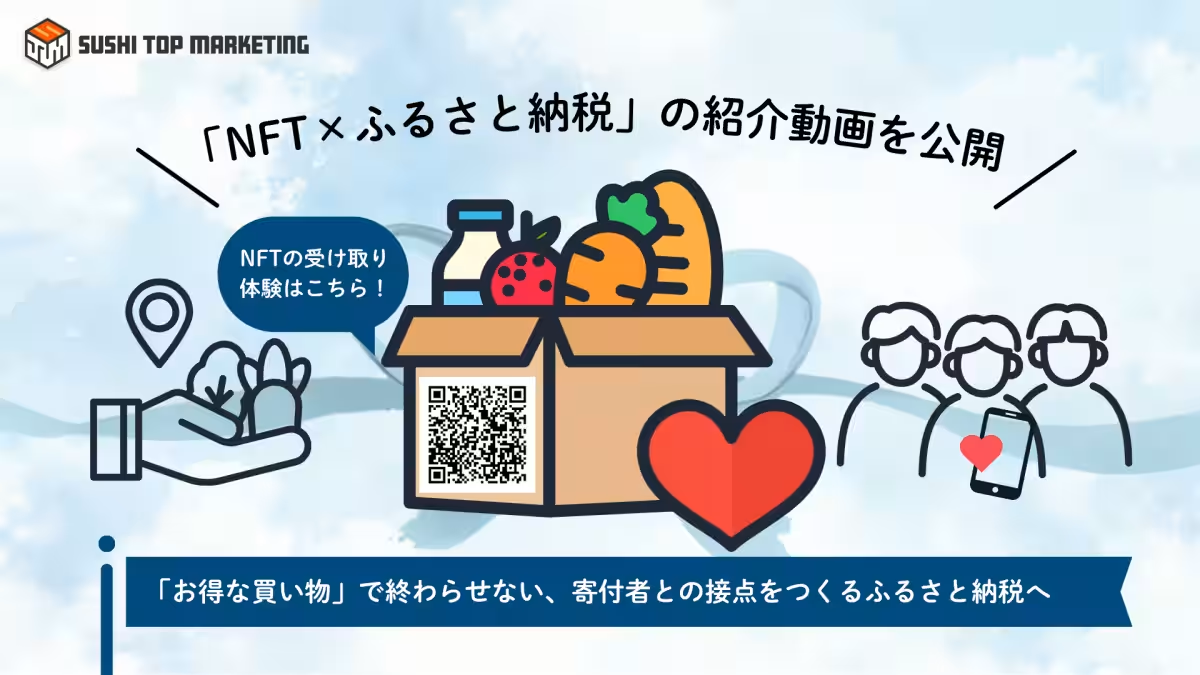
In a bid to modernize and enhance donor engagement, SUSHI TOP MARKETING has unveiled an innovative solution that combines the power of NFTs with the local tax donation system in Japan. Their recent video, titled "[Manga Explanation] How NFTs and Hometown Tax Can Transform Regional Tourism! Frontline of Local Government DX," introduces groundbreaking strategies to tackle challenges facing regional municipalities.
Challenges in the Current Hometown Tax System
Recently, the hometown tax donation system, which provides tax reductions to donors in exchange for regional products and benefits, has encountered various challenges. Historically, municipalities were able to set different return gift point rates, leading to increased competition as donors flocked to those offering more favorable returns. However, due to excessive competition driving a wedge between municipalities and donors, point returns are set to be completely banned starting October 2025.
As such, as the competition for attractive return gifts continues to heat up, relationships between local communities and their donors remain strained. To address these ongoing issues, SUSHI TOP MARKETING proposes an innovative solution that leverages NFTs as a tool for enhancing donor relationships and promoting regional tourism.
The Concept of NFTs in Hometown Taxes
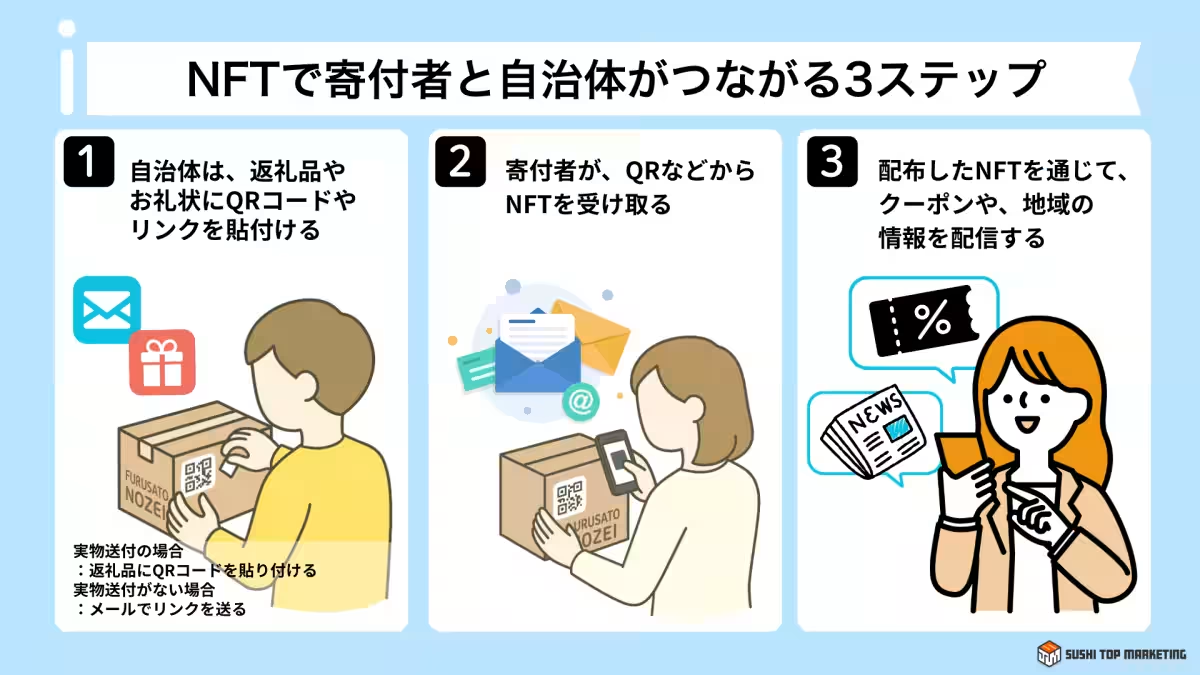
By issuing NFTs to donors, municipalities can create lasting connections through the digital tokens. Integrating NFTs into the hometown tax system is straightforward: a QR code or distribution link can be added to the existing gift dispatch process. Donors can receive the NFTs easily on their smartphones, eliminating the need for dedicated applications or personal information registration.
Advantages of Integrating NFTs
1. Maintaining Connections with Donors: Once a donor receives an NFT, municipalities can communicate with them directly without the need for personal data. This offers a unique opportunity to send promotional content, coupons redeemable at local businesses, or updates about regional initiatives, ensuring ongoing engagement beyond the initial donation.
2. Linking with Local Initiatives: By distributing different NFTs related to various events, products, or promotions, municipalities can analyze donor interests, tailoring their event planning and offerings accordingly. Additionally, providing special deals or information about local attractions to NFT-holding donors can encourage physical visits to the community.
3. Data-Driven Improvements for Future Initiatives: The low-cost maintenance of donor connections via NFTs allows municipalities to analyze data across multiple years and initiatives. This includes monitoring trends related to familiar return gifts or assessing the effectiveness of public relations strategies aimed at enhancing recognition.
Implementing NFTs in Hometown Tax Strategy
1. Combining NFTs with Return Gifts: Municipalities can easily distribute NFTs by attaching QR codes to packaging and thank-you notes sent with the gifts. This way, donors can quickly and effortlessly claim their NFTs via their smartphones.
2. Offering NFTs as a Return Gift: In scenarios where physical gifts are not involved, municipalities can send out NFTs through thank-you emails or other digital communication methods, particularly for donations supporting environmental conservation or wildlife protection projects, showcasing their progress and visibility through NFT updates.
Creating Lasting Connections Beyond Monetary Gifts
The integration of NFTs into the hometown tax system paves the way for better donor engagement and data analysis with minimal effort and cost. This facilitates long-term connections, allowing for collaboration with broader local initiatives and public relations strategies. Rather than being just an attractive promotion, NFTs can foster genuine connections between municipalities and donors, making the localization initiatives more meaningful.
For more detailed information about these services, visit SUSHI TOP MARKETING.

Topics Consumer Products & Retail)
【About Using Articles】
You can freely use the title and article content by linking to the page where the article is posted.
※ Images cannot be used.
【About Links】
Links are free to use.